


To build a versatile wardrobe of women’s winter outfits for cold cities on a realistic budget, focus on foundational layers and versatile outer pieces that can be mixed and matched. Start with high-quality thermal base layers, add insulating mid-layers like merino wool sweaters, and invest in one truly warm, waterproof, and windproof outer coat. Prioritize durable, sustainable fabrics for longevity and smart accessories like scarves, hats, and gloves. This approach ensures warmth without sacrificing style, making your budget stretch further while providing practical solutions for diverse urban environments from London to Milan.
When the temperatures plummet in places like New York, London, or Berlin, the challenge isn’t just staying warm; it’s staying warm while still feeling put-together and stylish. Many women find themselves caught between bulky, unflattering layers and chic but ultimately inadequate fashion choices. The desire for practical women’s winter outfits for cold cities often clashes with the aspiration for a professional or elegant aesthetic, leading to a wardrobe full of pieces that don’t quite work together or fail to offer true warmth.
The secret to mastering winter fashion in urban environments lies in strategic layering and smart investments. It’s about building a cohesive capsule wardrobe that transitions smoothly from a frosty morning commute to an evening out, all without feeling overstuffed or underdressed. This isn’t about buying a new outfit every week; it’s about making thoughtful choices that serve multiple purposes and stand the test of time and weather.
This step-by-step shopping checklist is designed to cut through the confusion, offering clear guidance on how to assemble women’s winter outfits that are both practical and polished. We’ll explore everything from essential base layers to the perfect statement coat, ensuring you’re ready to face the coldest urban winters with confidence and flair.
Mastering the Art of Cold City Winter Dressing
Building an effective winter wardrobe for cold cities isn’t just about accumulating warm clothes; it’s about smart curation. Here’s a quick overview of the key principles:
- Layering is Key: Embrace the three-layer system: base, mid, and outer.
- Fabric Matters: Prioritize natural fibers like merino wool, cashmere, and down, alongside technical synthetics for weather protection.
- Versatility Wins: Choose pieces that can be dressed up or down, and mixed and matched.
- Invest in Outerwear: Your main coat is your shield; don’t compromise on quality.
- Accessorize Smartly: Scarves, hats, gloves, and boots aren’t just add-ons; they’re essential warmth providers.
- Consider Sustainability: Opt for durable, ethically produced items that last longer.
- Budget Wisely: Focus on foundational pieces first, then add trend-driven items.
The Foundation: Thermal Base Layers
Why Base Layers Are Non-Negotiable
Forget the notion that base layers are only for skiing. In cold cities like New York, London, or even the biting winds of Berlin, a good thermal base layer is the unsung hero of women’s winter outfits. It’s the first line of defense against the cold, trapping body heat and wicking away moisture to keep you dry and comfortable. Without it, even the warmest outer layers struggle to perform effectively.
What to Look For:
- Material: Merino wool is often recommended for its exceptional warmth-to-weight ratio, breathability, and odor resistance. Synthetic options (like polyester blends) are usually more budget-friendly and quick-drying, making them suitable for active days. Avoid cotton as a base layer; it absorbs moisture and stays wet, making you colder.
- Fit: A base layer should fit snugly against your skin without being restrictive. This maximizes its insulating properties.
- Tops & Bottoms: Invest in both long-sleeve tops and leggings. They can be worn under everything from work trousers to jeans and dresses.
Practical Tips for Buying:
Start with two sets of quality merino wool base layers. While they might seem like an initial expense, their durability and effectiveness make them a smart long-term investment. Brands like Icebreaker or Smartwool are reliable choices, though many mainstream activewear brands now offer good synthetic alternatives.
The Insulators: Mid-Layers for Warmth and Style
Building Your Mid-Layer Arsenal
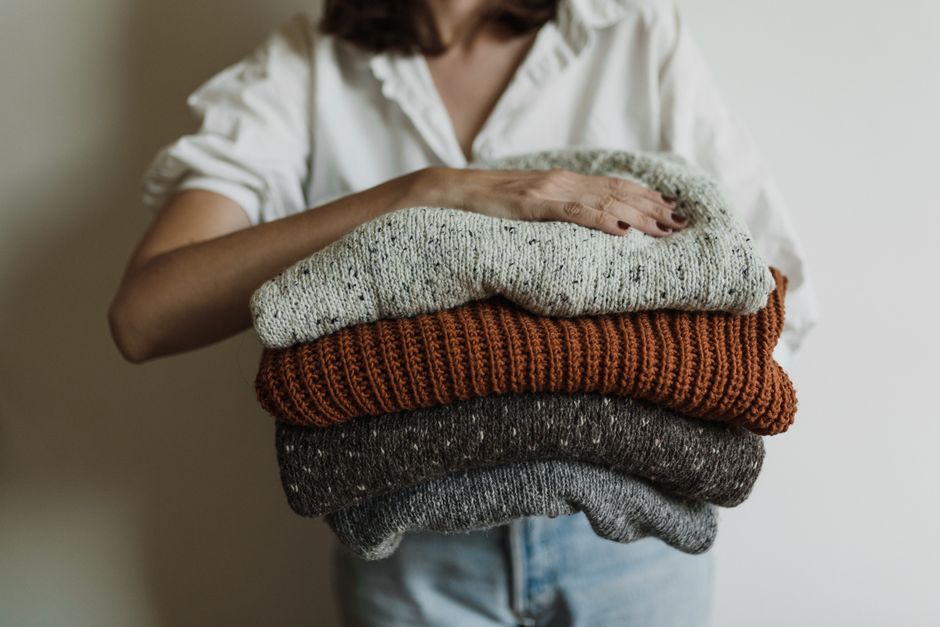
Mid-layers are where women’s winter outfits start to show personality while adding crucial insulation. These are the items you’ll wear over your base layer and under your outer coat. They include sweaters, cardigans, and lightweight jackets. The key here is versatility – pieces that can transition from office wear to casual outings.
Women’s Winter Outfits for Cold Cities: Your Guide to Warmth and Style
Essential Mid-Layer Pieces:
- Merino Wool or Cashmere Sweaters: Two to three in neutral colors (black, grey, navy, camel) are essential. They offer incredible warmth without bulk and can be dressed up or down. A V-neck or crew neck is versatile, allowing for different styling options.
- Fleece or Down Vest: A thin, packable fleece or down vest can add significant core warmth without restricting arm movement. Great for layering under a slightly less bulky coat.
- Cardigans: Long-line cardigans in wool blends provide an extra layer of warmth and can add an elegant touch to an office outfit.
- Tailored Blouses/Shirts: For professional settings in cities like Milan or Paris, a few tailored blouses in silk or a synthetic blend that drapes well can be layered over a thin base layer and under a cardigan or blazer.
Mixing and Matching for Different Occasions:
A simple merino wool sweater paired with tailored trousers and a blazer is perfect for work. The same sweater can be worn with jeans and boots for a weekend stroll through a Christmas market. This versatility is crucial for building a capsule wardrobe on a realistic budget, ensuring each piece works harder for you.
The Outer Shell: Your Ultimate Winter Protector
Investing in the Right Outerwear
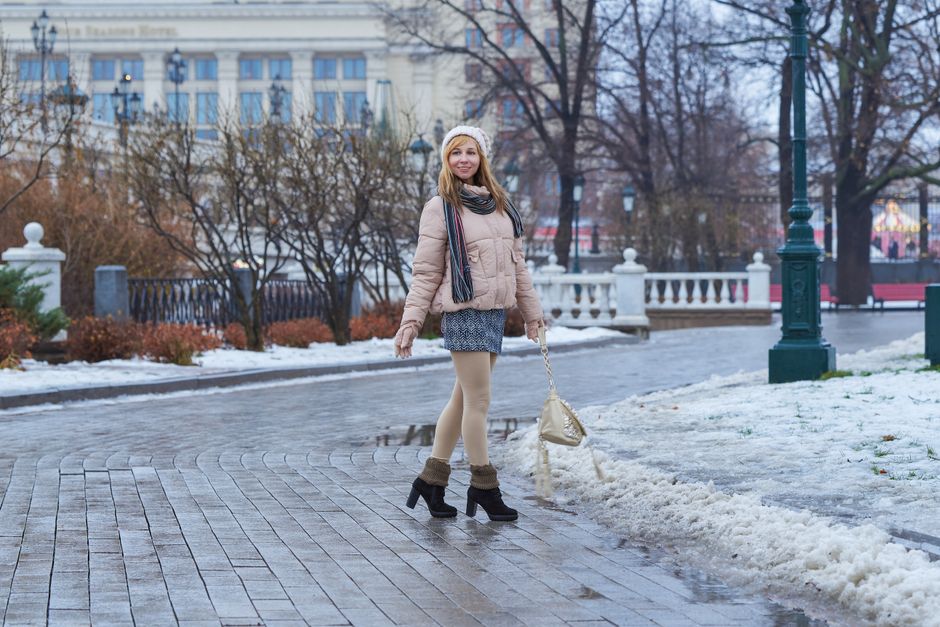
Your winter coat is arguably the most important piece in your collection of women’s winter outfits for cold cities. It’s your primary defense against wind, snow, and freezing temperatures. Skimping here is a common mistake. A high-quality coat is an investment that will pay dividends in warmth, comfort, and longevity.
Types of Winter Coats:
- The Parka: For truly frigid climates (think New York in January or a snowy Berlin), a knee-length or longer parka filled with down or high-quality synthetic insulation is essential. Look for waterproof or water-resistant exteriors, a hood (preferably with faux fur trim for extra warmth), and windproof features. Brands like Canada Goose, North Face, or Patagonia are popular, but many fashion-forward brands now offer equally functional and stylish options.
- The Wool Blend Coat: For slightly milder cold (like London or Paris winters), a classic wool-blend coat is elegant and warm. Choose a style that can accommodate layers underneath – a single-breasted or double-breasted style in black, charcoal, or camel is timeless for professional settings and evenings out.
- The Puffer Jacket: A stylish, often lighter alternative to the traditional parka, puffer jackets can offer significant warmth, especially those with good fill power. They’re excellent for more casual looks and travel outfits.
What to Consider When Buying:
- Warmth Rating: Some brands provide temperature ratings.
- Weather Resistance: Is it waterproof, water-resistant, or merely warm?
- Length: Longer coats offer more coverage for legs.
- Hood: Essential for protecting against wind and snow.
- Pockets: Lined pockets are a bonus for keeping hands warm.
- Durability: Look for strong zippers and solid stitching.
The Essentials: Accessories for Complete Warmth
Don’t Underestimate the Power of Accessories
Accessories are not just for style; they’re integral to keeping warm. The right accessories can seal off vulnerable areas like your head, hands, and feet, making a huge difference to your overall comfort in cold urban environments. They complete any women’s winter outfit.
Key Accessories to Include in Your Shopping List:
- Warm Hat: A wool or cashmere beanie that covers your ears is a must. Losing heat through your head is a common oversight.
- Insulated Gloves or Mittens: Choose waterproof options if you anticipate snow or rain. Leather gloves with a warm lining are chic for work and evenings, while technical gloves are better for very cold, active days.
- Thick Scarf: A large, wool, cashmere, or chunky knit scarf provides immense warmth around your neck and can even double as a head covering if caught in a sudden downpour. It also adds a pop of color or texture to your outfit.
- Warm Socks: Merino wool socks are superior to cotton, keeping your feet dry and warm. Stock up on several pairs.
- Waterproof Boots: For slushy streets and icy pavements common in cities like Warsaw or Berlin, waterproof, insulated boots with good grip are non-negotiable. Look for styles that are comfortable for walking long distances. Ankle boots are versatile, while knee-high boots offer extra leg warmth. Consider brands like Sorel, Blundstone, or Ecco for functional yet stylish options.
Making Smart Accessory Choices:
Consider how your accessories will complement your core wardrobe. Neutral colors are easiest to mix and match, but a vibrant scarf or hat can add a much-needed splash of color to an otherwise monochromatic winter palette.
Sustainable Fashion and Budgeting for Your Winter Wardrobe
Building a Versatile Wardrobe on a Realistic Budget
For many women, building a stylish and warm winter wardrobe, especially for cold cities, needs to be done on a realistic budget. The good news is that investing in quality pieces, rather than chasing fleeting trends, is inherently more budget-friendly in the long run. Focus on the foundational pieces first: one excellent outer coat, two sets of base layers, and two versatile mid-layer sweaters.
Smart Budgeting Strategies:
- Prioritize: Allocate the largest portion of your budget to your main winter coat and high-quality boots. These are the items that will protect you most.
- Shop Off-Season Sales: Look for winter items during spring or summer sales for significant discounts.
- Thrift and Consign: High-quality wool coats, cashmere sweaters, and even designer accessories can often be found at consignment shops or online marketplaces like Vestiaire Collective.
- Consider Cost-Per-Wear: A €300 coat worn for five winters costs €60 per winter. A €50 trendy coat that only lasts one season costs more in the long run.
Choosing Sustainable Fabrics and Brands
As awareness grows, so does the availability of sustainable options. When building your collection of women’s winter outfits, look for:
Building a Sustainable Women’s Wardrobe: Your Essential Shopping Checklist
- Certified Merino Wool: Ensures ethical sourcing and animal welfare (e.g., RWS – Responsible Wool Standard).
- Recycled Down/Synthetic Fill: Many brands now use recycled materials for insulation.
- Organic Cotton: For non-base layer items, if applicable.
- Durable Construction: Sustainable fashion isn’t just about the material; it’s about items made to last, reducing waste. Brands focusing on transparency and ethical production, often found in smaller boutiques or online, are worth exploring.
FAQ: Your Winter Wardrobe Questions Answered
What are the best fabrics for extreme cold?
For extreme cold, prioritize merino wool for base layers due to its natural insulation, breathability, and moisture-wicking properties. Mid-layers benefit from cashmere, merino wool, or fleece. For outer layers, look for down (with a high fill power) or advanced synthetic insulations, combined with waterproof and windproof shells like Gore-Tex or similar technical fabrics.
How many outer coats do I really need?
For most women in cold cities, two main outer coats suffice: one highly functional, warm, waterproof, and windproof parka for the coldest days (e.g., for New York or Berlin winters), and one elegant wool-blend coat for milder cold, professional settings, or evenings out (perfect for London or Paris). This covers both practical and stylish needs without overspending.
Can I wear dresses in winter in cold cities?
Absolutely! The key to wearing dresses in winter in cold cities is smart layering. Pair your dresses with thermal leggings or fleece-lined tights, a long-sleeve merino wool base layer underneath, and suitable warm boots. A long-line cardigan or a chic wool coat over the dress will complete a warm and stylish look.
What is a capsule wardrobe for winter?
A winter capsule wardrobe consists of a limited number of versatile, high-quality clothing items that can be mixed and matched to create numerous outfits. It typically includes essential base layers, a few interchangeable mid-layers (sweaters, cardigans), a primary outer coat, a secondary dressier coat, warm trousers/jeans, and essential accessories like hats, gloves, and scarves, all chosen for warmth and durability.
How can I keep my feet warm without bulky shoes?
To keep your feet warm without bulky shoes, invest in thin, high-quality merino wool socks. These provide excellent insulation without adding significant bulk. For footwear, look for sleek, insulated leather boots with a waterproof finish and good grip. Many brands now offer elegant boots with hidden thermal linings that maintain a stylish profile.
Key Takeaways: Mastering Your Cold City Winter Wardrobe
Assembling the perfect collection of women’s winter outfits for cold cities doesn’t have to be a daunting task. By focusing on a strategic approach, you can build a wardrobe that is both incredibly warm and effortlessly stylish. Remember, the foundation is always smart layering, starting with high-quality thermal base layers and building up to insulating mid-layers and a solid outer shell.
Prioritize investing in key pieces like your main winter coat and waterproof boots, as these will provide the most protection and longevity. Don’t underestimate the power of essential accessories – hats, scarves, and gloves are critical for preventing heat loss and adding a touch of personal flair. By choosing durable, versatile items and considering sustainable fabrics, you’ll create a functional and elegant capsule wardrobe that serves you well through many cold seasons in places like New York, London, Paris, or Berlin.
Ready to refine your winter style further? Explore more women’s guides on AtTheFashion.


Leave feedback about this