


Picture this: you’re navigating the bustling streets of Paris, admiring the architecture, or perhaps rushing through a busy train station in Berlin to catch your next connection. Your mind is on your itinerary, the sights, or that important meeting. The last thing you want to worry about is the security of your passport, wallet, or laptop.
It’s a common scenario for many travelers and commuters alike. European cities, while incredibly charming and efficient, can also be targets for opportunistic theft, particularly in crowded tourist areas or on public transport. Having your essentials compromised isn’t just an inconvenience; it can derail your entire trip or workday.
This is where choosing the best bags for travel and work anti-theft bags for busy European cities becomes more than a recommendation—it’s a practical necessity. But with so many options available, how do you cut through the noise and pick the bag that genuinely offers peace of mind without sacrificing style or functionality?
Understanding the European Urban Landscape and Your Bag Needs
Before diving into specific features, it’s essential to understand the environments you’ll encounter. European cities, from the historic charm of Rome to the modern pulse of Frankfurt, present unique challenges. Public transportation is often efficient but can be very crowded, especially during peak hours. Tourist hotspots are ripe for pickpocketing. Meanwhile, you might be commuting with sensitive documents or a laptop, requiring different levels of protection than a leisure traveler.
Your bag needs to perform double duty: securing your valuables against theft, while also organizing your work essentials and travel documents efficiently. Think about airline regulations, too. For example, budget airlines like Ryanair and easyJet have notoriously strict carry-on size and weight limits, making a compact yet secure bag even more critical. In contrast, traveling through a major hub like New York’s JFK airport or Heathrow in London might mean longer walks between terminals, where comfort and capacity become paramount.
How to Choose the Right Anti-Theft Bag for Work and Travel
Selecting the ideal anti-theft bag is a balance of security features, ergonomics, and capacity. Here’s a breakdown of what to prioritize:
1. Prioritize Core Security Features
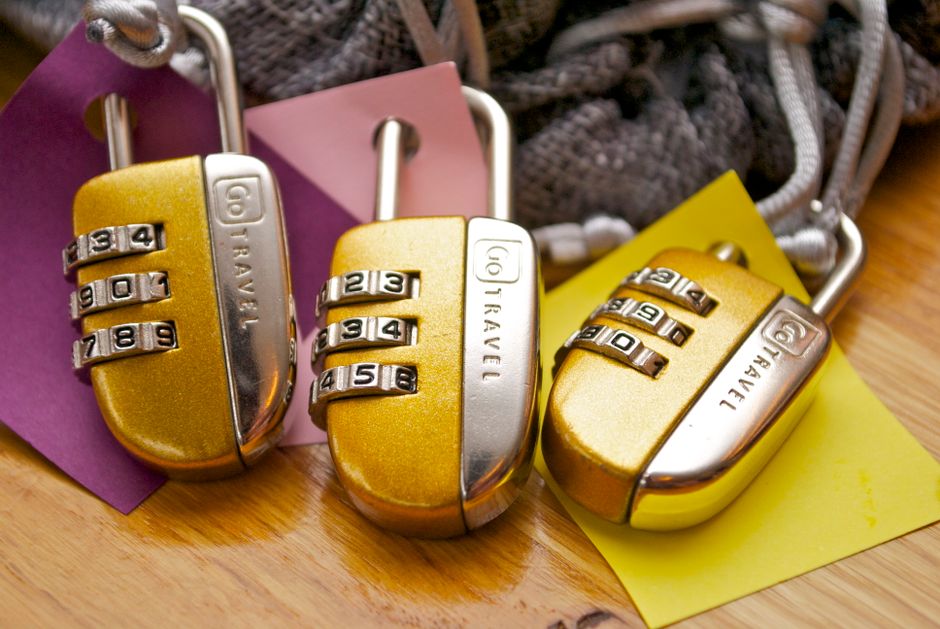
Look for bags with slash-resistant materials, often reinforced with wire mesh in critical panels. This deters quick cuts into the bag. Zipper security is non-negotiable; options include self-locking zippers, those that clip onto a discreet hook, or even zippers that can be secured with a small padlock. RFID-blocking pockets are crucial for passports and credit cards, preventing electronic skimming. Lastly, consider bags with external clips or straps that allow you to secure the bag to a table leg or chair, preventing grab-and-go theft.
2. Assess Capacity and Organization
Think about what you genuinely need to carry. For work, a dedicated padded laptop compartment (usually 13-inch or 15-inch) is essential, along with sleeves for tablets, chargers, and documents. For travel, consider space for a change of clothes, toiletries, and travel documents. A common mistake is buying too large a bag, which encourages overpacking and becomes cumbersome. Opt for multiple compartments and internal pockets to keep items organized and prevent them from rattling around.
How to Choose a Laptop Bag: Budget-Friendly Protection for US and European Travelers
3. Consider Comfort and Ergonomics
Even the most secure bag is useless if it’s uncomfortable to carry all day. Padded shoulder straps, breathable back panels, and adjustable sternum straps are important for backpacks. For crossbody or messenger bags, a wide, padded strap helps distribute weight. If you plan to carry it for long periods, such as exploring London’s West End or walking through a sprawling museum in Madrid, comfort is paramount.
4. Understand Airline Carry-on Regulations
If your bag is primarily for travel, ensure it complies with airline carry-on dimensions. This is particularly important for budget airlines where oversized bags mean costly check-in fees. Always check the specific airline’s website (e.g., Ryanair, easyJet) before flying. A bag that fits under the seat can be a lifesaver for easy access to essentials and avoiding overhead locker struggles.
5. Style and Professionalism
While security is key, the bag’s appearance matters, especially if you’re using it for work. Many anti-theft bags now come in sleek, professional designs that don’t scream ‘tourist’. Look for neutral colors and minimalist aesthetics that transition well from a business meeting in Frankfurt to an evening exploring the streets of Rome.
6. Water Resistance and Durability
Unexpected rain showers are a reality in many European cities. A bag made from water-resistant material will protect your electronics and documents. Furthermore, durable zippers and solid stitching ensure the bag stands up to the rigors of daily use and frequent travel.
Comparing Popular Anti-Theft Bag Types
The best bags for travel and work anti-theft bags for busy European cities come in several forms. Here’s a quick comparison:
| Bag Type | Pros | Cons | Best For |
|---|---|---|---|
| Anti-Theft Backpack | Even weight distribution, hands-free, often highest capacity for laptops & gear. | Less accessible on the go, can be bulky in crowded spaces. | Long commutes, carrying heavy electronics, day trips, students. |
| Anti-Theft Crossbody Bag | Keeps items close and visible, highly accessible, secure across the body. | Limited capacity, less comfortable for heavy items, can feel cumbersome with a coat. | Quick errands, sightseeing, carrying essentials (phone, wallet, passport). |
| Anti-Theft Messenger Bag | Professional look, easy access to contents, good for laptops & documents. | Can slide off shoulder if not worn crossbody, less ergonomic than backpacks for heavy loads. | Business travel, office commutes, those who prefer a single-shoulder carry. |
| Anti-Theft Sling Bag | Compact, secure against the body, more structured than a fanny pack. | Very limited capacity, not ideal for laptops. | Minimalist travelers, short excursions, carrying only absolute essentials. |

Common Mistakes to Avoid When Buying Anti-Theft Bags
Even with good intentions, people often make errors that compromise their bag’s effectiveness:
Over-reliance on a single feature: A slash-proof bag isn’t truly anti-theft if the zippers can be easily opened. Likewise, lockable zippers don’t protect against a bag being cut open. Look for a combination of features.
Ignoring ergonomics for security: A bag might be incredibly secure, but if it’s uncomfortable to carry for an hour, you’ll either leave it behind or wear it improperly, making it easier for thieves. Prioritize comfort alongside security.
Vegan Leather vs. Real Leather Bags: A Direct Comparison for Travel & Work
Underestimating capacity needs: Buying a bag that’s too small means you’ll either have to carry extra items in your hands or force things into an overstuffed bag, which can strain zippers and seams, or worse, make it impossible to secure properly.
Forgetting about airline restrictions: Many a traveler has been caught out by a carry-on that’s just an inch too big for Ryanair’s sizer, leading to unexpected check-in fees. Always double-check your chosen airline’s specific dimensions for both personal items and carry-on bags, especially when traveling within Europe.
Thinking only about the primary theft risk: While pickpocketing is a concern, don’t forget about ‘snatch-and-grab’ incidents or the risk of your bag being opened when you’re distracted. A bag with multiple layers of security helps address various scenarios.
FAQ: Direct Answers to Your Anti-Theft Bag Questions
What makes a bag ‘anti-theft’?
An anti-theft bag typically incorporates multiple security features like slash-resistant fabrics (often with embedded steel mesh), lockable zippers, RFID-blocking pockets, and often a secure attachment strap. These features work together to deter common theft methods such as cutting straps, quickly opening compartments, or digitally skimming personal information, offering enhanced protection for your valuables.
Are anti-theft bags necessary for all European cities?
While some European cities might have higher reported incidents of petty theft than others, using an anti-theft bag provides an extra layer of peace of mind in any busy urban environment. It’s a proactive measure, especially in crowded tourist areas, public transport hubs, or when you’re carrying important documents or expensive electronics for work or travel in places like London, Paris, or Rome.
Can I take my anti-theft bag as a carry-on on budget airlines?
Yes, many anti-theft bags are designed to meet standard carry-on and personal item dimensions. However, always verify the specific size and weight restrictions of your airline (e.g., Ryanair, easyJet) before travel. Some models are specifically made to fit under the seat, avoiding potential fees and ensuring you always have access to your essentials during your flight.
What is RFID blocking and why do I need it?
RFID (Radio-Frequency Identification) blocking technology prevents unauthorized scanning of your credit cards and passport. Many modern cards and passports contain RFID chips that can be read wirelessly. RFID-blocking pockets or materials create a shield, protecting your personal and financial data from electronic pickpocketing, a growing concern for travelers in busy international locations.
How do I maintain my anti-theft bag’s security features?
Regularly inspect zippers, straps, and fabric for any signs of wear or damage. Ensure that all locking mechanisms function smoothly. If your bag has a wire mesh, check for fraying. Keeping the bag clean and storing it properly when not in use will also extend its lifespan and ensure its security features remain effective for your next trip or commute.
Choosing the best bags for travel and work anti-theft bags for busy European cities is an investment in your peace of mind. By focusing on smart security features, practical organization, and comfort, you can ensure your valuables are safe as you navigate the continent’s vibrant urban centers. Explore more bags guides on AtTheFashion.


Leave feedback about this