

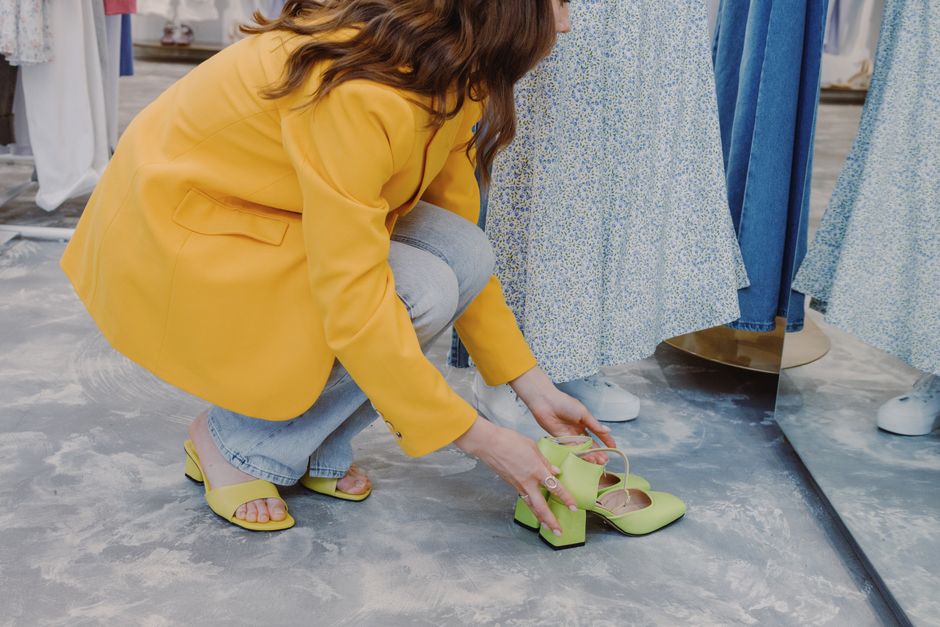
For a shoe to be comfortable for walking all day, it needs a balanced combination of cushioning, arch support, flexibility, and a secure, non-restrictive fit. Walking shoes are specifically designed with moderate cushioning to absorb impact without being overly soft, firm arch support to prevent fatigue, and a flexible forefoot that allows for natural foot roll. Breathable materials are also key to manage moisture and temperature, ensuring feet stay comfortable during extended periods of activity, whether navigating European cobblestones or bustling city streets.
Stepping out for a long walk, whether it’s exploring the historic streets of London, commuting across New York, or simply tackling daily errands, often brings a familiar ache to the feet if your footwear isn’t up to the task. It’s a scenario many of us have faced: a seemingly comfortable pair of shoes feels great for an hour, but by the end of a day on your feet, discomfort sets in.
This common experience underscores a fundamental truth: not all shoes are created equal, especially when it comes to sustained activity. For beginners embarking on a new fitness journey or simply seeking daily comfort, the choice between running shoes and walking shoes can seem arbitrary. However, understanding the subtle yet significant design differences is key to unlocking truly comfortable footwear.
Getting this choice right isn’t just about avoiding blisters; it’s about supporting your body biomechanically, preventing fatigue, and making every step a comfortable one, whether you’re a seasoned traveler navigating unfamiliar cities or a busy parent on the go.
Understanding the Core Differences: Running vs. Walking Shoes
While superficially similar, running shoes and walking shoes are engineered with distinct purposes that dictate their comfort features. Running involves higher impact and a forward-rolling motion, whereas walking is lower impact with a heel-to-toe stride. This fundamental difference drives everything from cushioning to sole flexibility.
Running shoes prioritize impact absorption, often featuring significant heel cushioning to manage the force generated with each foot strike. They also tend to have a stiffer sole that promotes a more efficient forward propulsion. Walking shoes, on the other hand, focus on sustained comfort, stability, and flexibility in the forefoot to accommodate the natural roll of the foot.
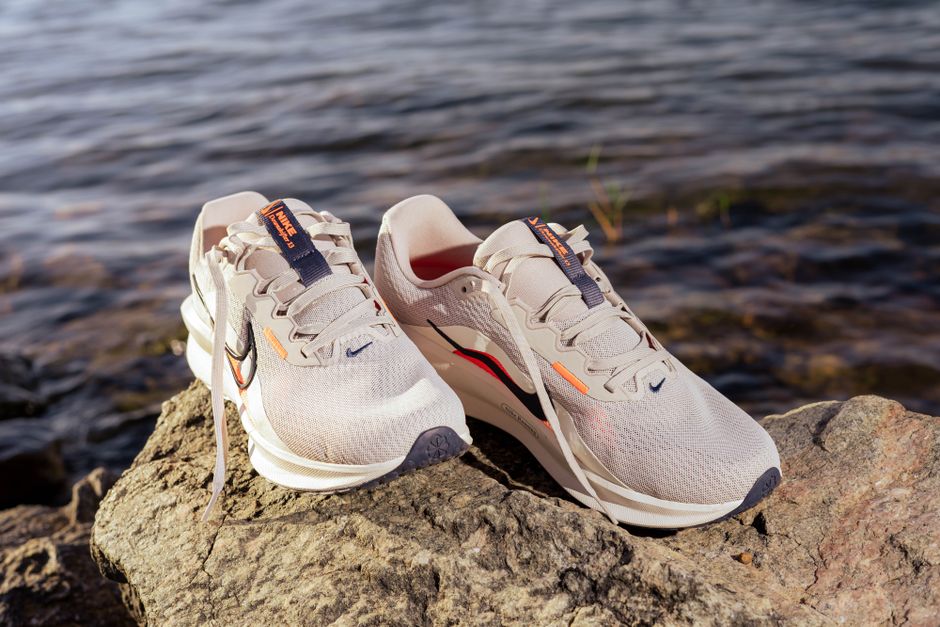
Key Comfort Features for Your Footwear Choice
Choosing the right comfortable footwear guide: running shoes versus walking shoes for beginners, means paying close attention to specific design elements. Here’s what matters most:
1. Cushioning: Balancing Impact and Support
Runners need more solid cushioning, particularly in the heel, to absorb the high impact of landing. Look for foams like EVA or responsive gels. Walkers benefit from moderate, consistent cushioning throughout the sole that provides comfort without feeling overly soft or unstable. Too much cushioning can actually reduce stability for walkers.
How to Break In New Shoes Without Blisters: Your Comprehensive Guide to Comfortable Footwear
2. Arch Support: Preventing Fatigue
Both types of shoes need adequate arch support, but the type might differ. Runners might prefer more dynamic support that adapts to foot pronation. Walkers generally need firm, consistent arch support to prevent foot fatigue during long periods on their feet. If you have flat feet or high arches, consider shoes with removable insoles to accommodate custom orthotics.
3. Flexibility: Tailored to Your Stride
This is a major differentiator. Running shoes are often stiffer in the midfoot to aid propulsion. Walking shoes, however, should offer significant flexibility in the forefoot, allowing your foot to bend naturally with each step. Test this by bending the shoe: a walking shoe should bend easily where your toes meet your foot, while a running shoe might resist more in the midfoot.
4. Heel Drop: Impact on Posture
Heel drop refers to the height difference between the heel and forefoot. Running shoes often have a higher heel drop (8-12mm) to reduce strain on the Achilles tendon and encourage a midfoot strike. Walking shoes typically have a lower heel drop (0-8mm), promoting a more natural foot position and evenly distributing weight, which is beneficial for prolonged standing or walking.
5. Toe Box: Room to Move
A spacious toe box is critical for comfort in both shoe types, preventing blisters and bunions. Your toes should be able to splay naturally, especially important for walkers whose feet may swell slightly during extended activity. A common mistake is buying shoes that are too narrow.
6. Upper Material: Breathability and Durability
Breathable mesh uppers are ideal for both, managing heat and moisture. For walking shoes, especially travel footwear for places like Paris or Rome, consider water-resistant or waterproof options if you anticipate wet weather or European cobblestones, but balance this with breathability. Materials like Gore-Tex offer a good compromise.
7. Outsole Grip: Traction and Safety
Both require good grip, but the pattern might differ. Running shoe outsoles are often designed for forward traction. Walking shoes need multidirectional grip for varying surfaces, from city pavements to light trails. Look for durable rubber compounds.
8. Fit: The Ultimate Comfort Factor
No feature matters more than fit. Shoes should feel snug but not tight, with about a thumb’s width between your longest toe and the end of the shoe. Try shoes on at the end of the day when your feet are slightly swollen, and always wear the type of socks you’d typically wear.
Choosing Your Footwear: A Quick Comparison
| Feature | Running Shoes (Beginners) | Walking Shoes (Beginners) | Why it matters for comfort |
|---|---|---|---|
| Primary Function | Impact absorption, forward propulsion | Sustained comfort, stability, natural foot roll | Ensures the shoe supports your specific movement pattern effectively. |
| Cushioning | Heavier, especially in heel, responsive | Moderate, consistent, balanced throughout | Manages shock, prevents fatigue, maintains stability. |
| Flexibility | Stiffer midfoot, some forefoot flex | High flexibility in forefoot | Allows natural foot movement for walking, aids propulsion for running. |
| Arch Support | Dynamic, adapting to pronation | Firm, consistent, prevents fatigue | Supports foot structure, crucial for long-term comfort. |
| Heel Drop | Typically 8-12mm | Typically 0-8mm (lower) | Influences foot strike, posture, and calf/Achilles strain. |
| Toe Box | Spacious, allows toe splay | Very spacious, critical for swelling | Prevents pressure points, blisters, and discomfort. |
| Outsole | Optimized for forward traction | Multidirectional grip, durable | Ensures stability and safety on various surfaces. |
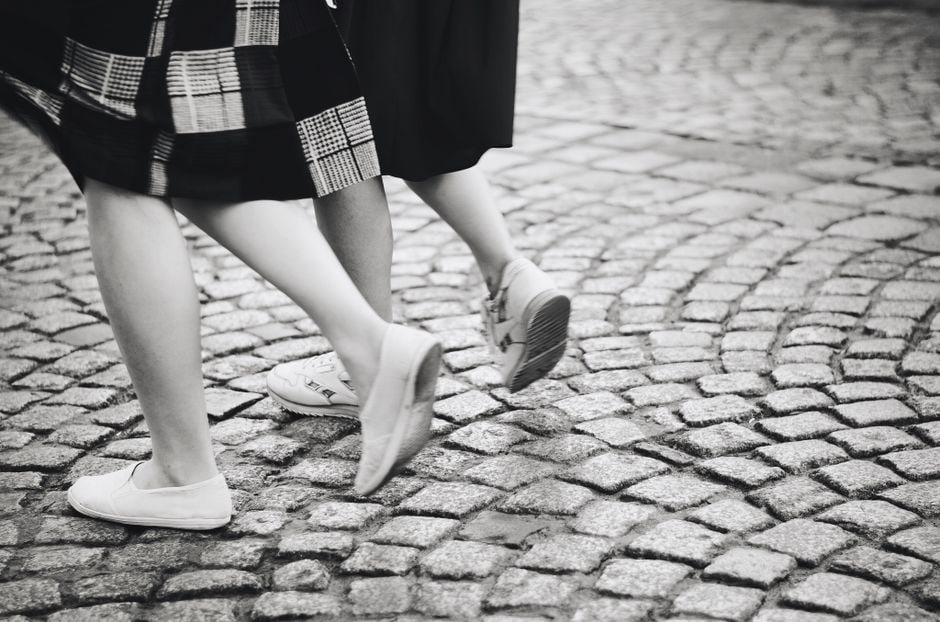
Common Mistakes to Avoid When Buying Footwear
Even with a clear understanding of features, it’s easy to make missteps when purchasing new shoes. Avoiding these common errors will significantly improve your chances of finding the perfect comfortable footwear guide: running shoes versus walking shoes for beginners.
One of the biggest mistakes is buying shoes purely based on aesthetics or brand loyalty without considering the intended use. A sleek-looking running shoe might be excellent for a 5k but utterly miserable for a day spent exploring museums in Chicago or tackling the long walks required in a theme park. Conversely, a comfortable walking shoe won’t provide the necessary support for high-impact running.
Another frequent error is neglecting the importance of trying shoes on properly. Always try both shoes, walk around the store, and pay attention to any pinching, rubbing, or looseness. Your feet are rarely exactly the same size, so ensure both feel comfortable. Don’t assume your size is static; foot size can change over time due to age, weight, or even pregnancy. Always get your feet measured, especially if it’s been a while.
Many people also overlook the significance of socks. The socks you wear can drastically alter the fit and comfort of a shoe. Always try on shoes with the type of socks you plan to wear most often. Thick athletic socks will make a shoe feel tighter than thin dress socks, for instance.
Finally, don’t ignore your body’s signals. If a shoe doesn’t feel comfortable in the store, it’s unlikely to magically become comfortable after a few wears. While some shoes have a slight break-in period, they should never be painful or cause significant discomfort from day one. Trust your instincts and prioritize immediate comfort.
FAQ: Answering Your Footwear Queries
What makes a shoe comfortable for walking all day?
For all-day walking comfort, a shoe needs moderate, consistent cushioning for impact absorption, firm arch support to prevent fatigue, and significant flexibility in the forefoot for natural foot roll. A roomy toe box is essential to accommodate natural toe splay and any foot swelling, while breathable uppers manage temperature and moisture. A secure, non-restrictive fit ties it all together.
Can I use running shoes for walking?
While you can certainly walk in running shoes, they aren’t optimized for it. Running shoes often have more cushioning and a stiffer sole for propulsion, which might feel overkill or even unstable for prolonged walking. The higher heel drop in many running shoes can also alter your natural walking stride, potentially leading to discomfort over time compared to dedicated walking shoes.
How often should I replace my walking shoes?
Generally, walking shoes should be replaced every 500-800 miles or every 6-12 months, depending on your activity level and the shoes’ condition. Signs of wear include flattened cushioning, reduced arch support, worn-down outsoles, or persistent aches in your feet or knees after walks. Replacing them proactively helps maintain comfort and prevent injuries.
Are waterproof walking shoes worth it for travel?
For travel, especially to places like Germany, France, Italy, or Poland where weather can be unpredictable and you might encounter European cobblestones, waterproof walking shoes can be invaluable. They keep your feet dry and comfortable in rain or damp conditions. However, be aware that waterproof membranes can sometimes reduce breathability, so balance this with your climate needs.
What is the best way to determine my shoe size and fit?
The best way to determine your size and fit is to have your feet measured professionally, ideally at the end of the day when they are slightly swollen. Always try on both shoes with the socks you intend to wear, walk around, and ensure there’s a thumb’s width between your longest toe and the shoe’s end. The shoe should feel snug in the heel and midfoot, but roomy in the toe box.
Choosing the right comfortable footwear guide: running shoes versus walking shoes for beginners, really boils down to understanding your primary activity and prioritizing features that support that movement. For daily comfort, travel, or light exercise, a well-chosen pair of walking shoes will serve you best. For more intense cardio, a dedicated running shoe is the smarter investment. Making an informed choice ensures your feet stay happy, whether you’re navigating the bustling streets of New York, exploring ancient Roman ruins, or simply enjoying a leisurely stroll. For more detailed insights and guides, we invite you to Explore more footwear guides on AtTheFashion.




Leave feedback about this