

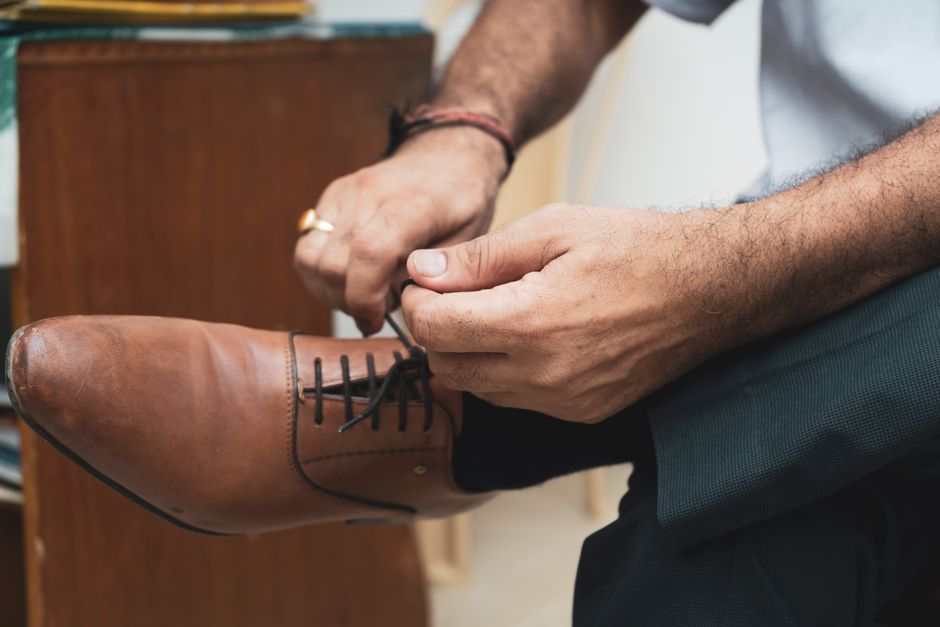
Men can achieve a useful, comfortable office shoe wardrobe without overspending by focusing on versatile, high-quality styles that blend seamlessly with multiple outfits. Prioritize classic silhouettes like leather derbies, loafers, or smart sneakers in neutral tones. Investing in a few well-made pairs from reputable brands, rather than numerous cheap options, ensures longevity and comfort. Look for features like cushioned insoles, breathable materials, and supportive outsoles. This thoughtful approach minimizes wasted purchases and builds a sustainable, comfortable foundation for daily wear, whether you’re navigating New York’s streets or Berlin’s offices.
You’ve seen him. The sharp suit, the impeccable tie, the confident stride—until he sits down, subtly grimaces, and kicks off a pair of shoes clearly causing him grief. Or perhaps it’s the professional who consistently opts for overly casual footwear, undermining an otherwise polished ensemble. In the world of men’s fashion advice, comfortable office shoes for men often sit in a confusing middle ground, where practicality battles perception.
For many professionals, especially those navigating cities like London or Paris, a typical workday involves more than just desk time. There are commutes, client meetings, networking events, and perhaps even a quick dash across town. The right pair of shoes can be your silent partner, supporting you through it all. The wrong pair? They’ll make every step a chore, impacting not just your comfort, but your confidence and focus.
This isn’t about sacrificing style for pure utility. It’s about smart choices, understanding common pitfalls, and applying easy fixes that improve your professional footwear game without breaking the bank or compromising on comfort.
The Unsung Hero: Why Your Office Shoes Matter More Than You Think
Our feet are complex structures, supporting our entire body weight and absorbing impact with every step. Neglecting them, especially during long workdays, isn’t just uncomfortable—it can lead to long-term issues like back pain, posture problems, and even headaches. For men, especially those who travel frequently between cities like Milan and New York, or spend hours on their feet presenting, comfortable office shoes are not a luxury; they are a necessity for productivity and well-being.
Beyond physical comfort, footwear plays a significant role in your overall presentation. A well-chosen pair of shoes completes an outfit, signaling attention to detail and professionalism. Conversely, scuffed, ill-fitting, or inappropriate shoes can detract from an otherwise sharp look, sending unintended signals about your professionalism and judgment. Think of it as the foundation of your outfit—if the foundation is weak, the whole structure suffers.
Smart Footwear Choices: Building Your Foundation
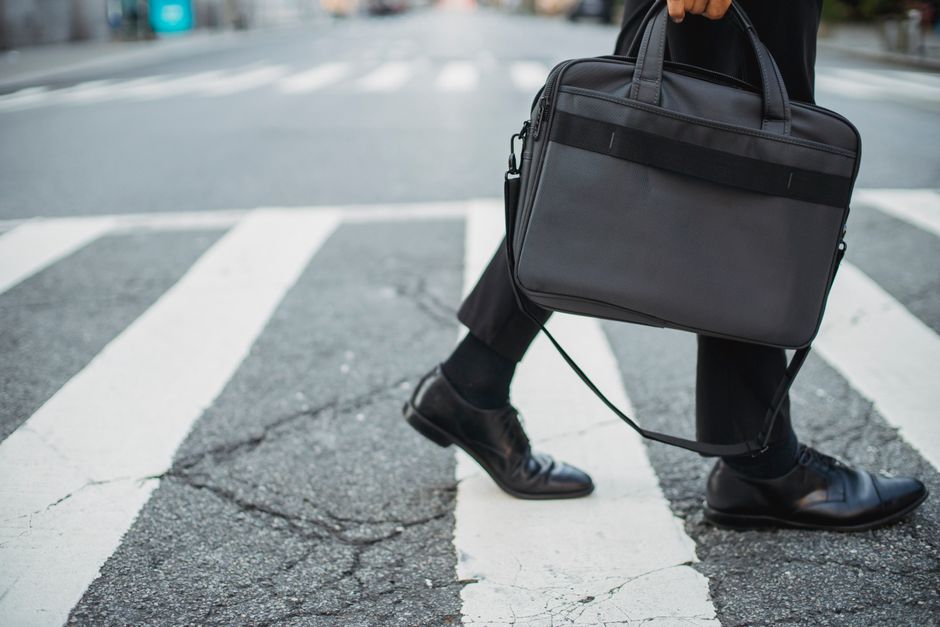
When it comes to building a useful wardrobe without overspending, the key is versatility and quality. This principle applies especially to shoes. Instead of chasing trends, focus on timeless styles that can transition from a business casual setting in Berlin to a more formal meeting in London. Here’s a structured approach to selecting comfortable office shoes for men:
1. Prioritize Quality Over Quantity
A common mistake is buying several cheap pairs of shoes. These often lack proper support, cushioning, and durability, leading to discomfort and frequent replacements. Invest in 2-3 high-quality pairs made from durable materials like full-grain leather or high-grade suede. These will last longer, feel better, and look more refined.
2. Understand Different Office Dress Codes
Your ideal shoes depend on your workplace culture. A creative agency in Paris might embrace stylish sneakers, while a traditional finance firm in New York will require classic leather Oxfords. Most modern offices lean towards ‘smart casual.’ This means you have options, from refined loafers to polished chukka boots, but always err on the side of slightly more formal if unsure.
How to Choose Men’s Jeans Online: Outfits That Work on a Realistic Budget
3. Focus on Fit and Support
This is non-negotiable for comfort. Get your feet measured regularly, as size can change. Look for shoes with adequate arch support, cushioned insoles, and enough room in the toe box to prevent pinching. Brands known for comfort often incorporate technologies like memory foam or specific sole constructions for better shock absorption.
4. Explore Different Materials
While leather remains a classic, consider breathable options for all-day comfort. Suede offers a softer feel and a sophisticated look, suitable for smart casual. For more casual environments or specific needs, some modern designs incorporate sustainable fabrics that offer breathability and flexibility without sacrificing style.
5. The Power of the Sole
A good sole provides grip, cushioning, and flexibility. Leather soles are traditional and elegant but can be slippery and offer less shock absorption. Rubber or composite soles provide better traction and comfort, often preferred for daily wear, especially in wet climates across Europe. Look for lightweight options to reduce foot fatigue.
6. Embrace Versatile Colors
Black and various shades of brown (cognac, dark brown, burgundy) are your workhorses. A good rule of thumb: black shoes for charcoal or navy suits, brown shoes for navy, grey, or tweed. Having one pair in black and one in a versatile brown shade will cover most of your professional wardrobe needs.
Choosing Your Office Footwear: A Comparative Look
Navigating the options for comfortable office shoes for men can be daunting. Here’s a comparison of popular styles, helping you decide what best fits your needs and professional environment.
| Shoe Style | Best For | Pros | Cons | Style Note |
|---|---|---|---|---|
| Oxford Shoes | Formal, Traditional Offices (e.g., London, New York finance) | Sleek, timeless, highly formal, excellent with suits. | Less casual versatility, can be less flexible for walking. | Choose full-grain leather for durability and polish. |
| Derby Shoes | Formal to Smart Casual (e.g., Berlin, Milan business meetings) | More versatile than Oxfords, slightly wider fit, good with suits or chinos. | Can appear less formal than Oxfords if highly structured. | A staple for any professional wardrobe. |
| Loafers (Penny, Tassel) | Smart Casual, Business Casual (e.g., Paris, Rome creative industries) | Easy slip-on comfort, elegant, versatile with blazers, chinos, trousers. | Generally less formal than lace-ups, can lack solid support. | Suede loafers add a touch of relaxed sophistication. |
| Chelsea Boots | Smart Casual, Business Casual (e.g., cooler climates in UK, Germany) | Sleek, easy on/off, good for transitional weather, pairs well with suits or jeans. | Can be warm in summer, might feel bulky for some. | A great alternative to lace-ups, especially in winter. |
| Dress Sneakers | Modern Business Casual, Creative Offices (e.g., tech firms in Berlin, startups in Spain) | Ultimate comfort, contemporary look, often lightweight. | Can be too casual for some traditional settings, tricky to style correctly. | Must be clean, minimalist, and made from premium materials (leather, refined textiles). |
Common Mistakes to Avoid
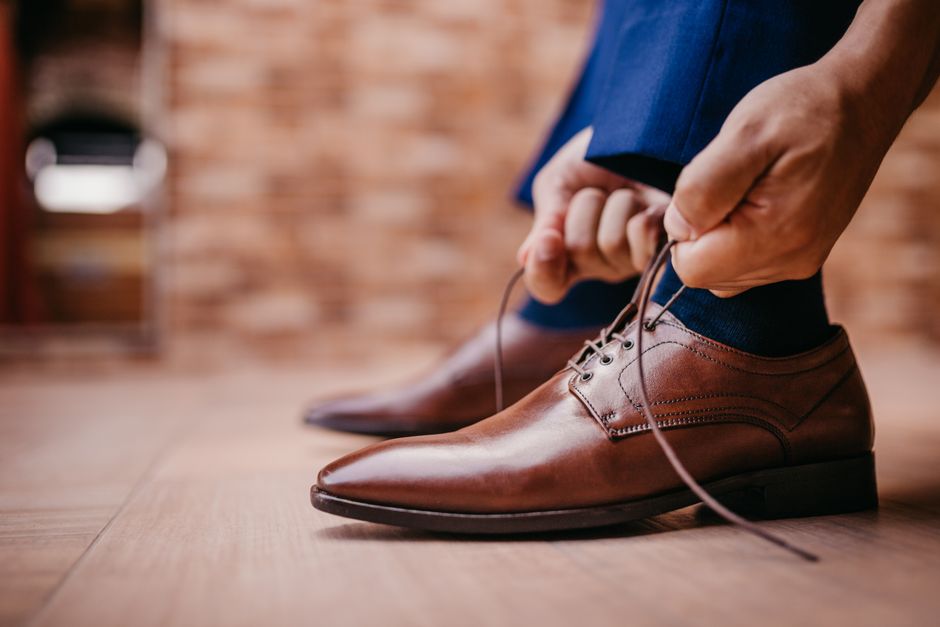
Even with the best intentions, it’s easy to make blunders when selecting comfortable office shoes for men. Steering clear of these pitfalls will save you money, discomfort, and fashion missteps.
Ignoring Break-In Periods: Many quality leather shoes require a period of breaking in. Don’t buy new shoes the day before a big conference in Madrid. Wear them around the house or for shorter periods to allow the leather to mold to your feet. Otherwise, you’re setting yourself up for blisters and discomfort.
Prioritizing Trends Over Timelessness: Flashy, overly trendy shoes might grab attention for a season, but they often quickly look dated and rarely offer long-term comfort or versatility. A capsule wardrobe benefits from classic styles that transcend fleeting fads. Focus on silhouettes that have stood the test of time, like a simple Derby or a well-crafted loafer.
Neglecting Maintenance: Even the most expensive shoes will look shoddy if not properly cared for. Polish leather regularly, use shoe trees to maintain shape and absorb moisture, and get worn heels/soles repaired promptly. This not only prolongs their life but keeps them looking sharp, reflecting well on your overall presentation.
Mastering Men’s Winter Layering for Cold Cities: Your Essential Guide
Wearing Casual Shoes in Formal Settings: While the lines between formal and casual have blurred, there’s still a limit. Your gym sneakers, even if clean, are not appropriate for a business meeting. Similarly, overly distressed or brightly colored casual shoes undermine a professional outfit. If in doubt, choose a slightly more formal option.
Forgetting About Socks: The wrong socks can ruin the comfort of even the best shoes. Choose socks made from breathable, moisture-wicking materials like merino wool or high-quality cotton. Ensure they’re the appropriate length and color for your outfit to avoid distracting gaps or clashes.
FAQ: Answering Your Footwear Questions
Here are some frequently asked questions about choosing comfortable office shoes for men:
What are the most comfortable dress shoes for standing all day?
For standing all day, prioritize dress shoes with excellent arch support, ample cushioning, and a flexible, shock-absorbing sole. Derby shoes or Chelsea boots with a rubber or composite sole often offer more comfort than traditional leather-soled Oxfords. Brands specializing in comfort often incorporate features like memory foam insoles or specialized orthopedic designs.
How can I make my existing office shoes more comfortable?
You can enhance the comfort of existing shoes by adding high-quality insoles or orthotics for better arch support and cushioning. Ensuring they are properly stretched, especially in width, can also help. A good shoe repair shop can often stretch leather shoes or replace worn-out soles with more comfortable, shock-absorbing options.
Are loafers appropriate for all office environments?
Loafers are generally appropriate for smart casual and business casual office environments, particularly in cities like Paris or Milan where a relaxed elegance is valued. However, for highly formal settings, such as traditional law firms in London or corporate finance in New York, a lace-up shoe like an Oxford or Derby might be a more fitting choice.
What is ‘smart casual’ footwear for men?
‘Smart casual’ footwear for men typically means polished, well-maintained shoes that are less formal than a suit shoe but more refined than everyday sneakers. Examples include clean leather loafers, elegant suede chukka boots, polished Derbies, or minimalist, premium leather dress sneakers. The key is balance: comfortable but still sharp enough for a professional setting.
How often should I replace my office shoes?
The lifespan of your office shoes depends on their quality, frequency of wear, and maintenance. High-quality leather shoes, with proper care and rotation, can last many years. However, soles and heels will wear down. Replace shoes when they no longer offer adequate support, show significant signs of irreversible wear, or become consistently uncomfortable.
Can I wear boots as comfortable office shoes for men?
Yes, many boots are excellent comfortable office shoes for men, especially in cooler climates. Styles like Chelsea boots or refined chukka boots in leather or suede can be very smart and comfortable. They pair well with trousers, chinos, and even some suits, offering a solid yet stylish option. Ensure they are polished and well-maintained.
Choosing the right comfortable office shoes for men doesn’t have to be a compromise between aesthetics and well-being. By understanding common mistakes and applying these practical fixes, you can build a versatile and stylish footwear collection that supports you throughout your professional journey. For more men’s fashion advice and practical guides, explore more men’s guides on AtTheFashion.






Leave feedback about this