

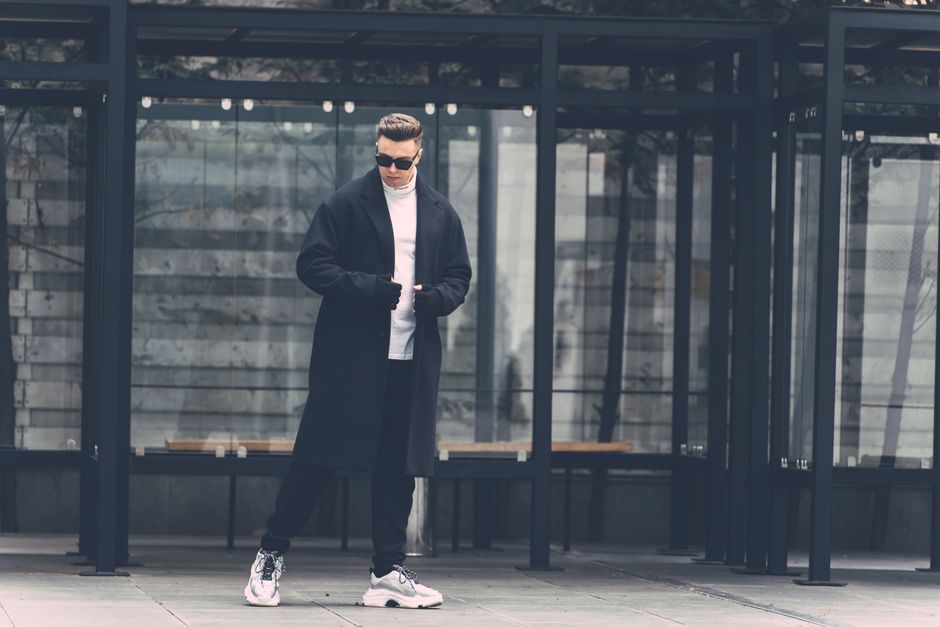
Men can build a useful winter wardrobe for cold cities without overspending by focusing on versatile, high-quality foundational pieces that can be layered effectively. Prioritize natural fibers like merino wool, cashmere, and down for insulation, and technical fabrics for outer shells, as these offer superior warmth-to-weight ratios and durability. Investing in a few key items, such as a robust waterproof overcoat, a versatile blazer, and several merino base layers, allows for numerous outfit combinations suitable for varying temperatures and occasions. This strategic approach minimizes unnecessary purchases, ensuring every item serves multiple purposes within a cohesive layering system.
Winter in cities like New York, London, Berlin, or Paris isn’t just about dealing with the cold; it’s about doing so without sacrificing style or practicality. The challenge for many men is how to stay genuinely warm without looking bulky, feeling restricted, or breaking the bank on a wardrobe that only sees a few months of use each year. It’s a common dilemma: how do you build a useful winter wardrobe that handles everything from a brisk commute to an evening out, without acquiring a closet full of single-purpose items?
The answer lies in mastering men’s winter layering for cold cities. This isn’t just about throwing on extra clothes; it’s about a strategic approach that allows you to adapt to fluctuating temperatures throughout the day, whether you’re transitioning from a freezing street to a warm office, or facing a sudden change in weather. With thoughtful planning, you can create a flexible system that ensures comfort, warmth, and a polished appearance, no matter how low the mercury drops.
This guide aims to cut through the noise, providing practical advice on how to build an effective layering system that answers the questions shoppers ask most, ensuring your investments are smart and sustainable.

The Layering Blueprint: Essential Principles
Before diving into specific pieces, understanding the core principles of men’s winter layering for cold cities is paramount. This isn’t just about quantity, but quality and strategic application:
- The Three-Layer Rule: Generally, aim for a base layer, a mid-layer, and an outer layer. This provides maximum versatility.
- Moisture Management: Your base layer should wick moisture away from your skin to prevent chilling.
- Insulation is Key: Mid-layers provide the primary warmth, trapping air close to your body.
- Protection from Elements: Your outer layer shields you from wind, rain, and snow.
- Fit Matters: Layers should fit progressively looser, allowing air pockets for insulation and comfortable movement.
- Material Selection: Prioritize natural fibers like wool and down, and advanced synthetics for their performance benefits.
- Versatility Over Volume: Choose pieces that can be mixed and matched across different outfits and occasions.
Building Your Foundation: The Base Layer
The base layer is arguably the most critical component of effective men’s winter layering for cold cities. Its primary job is to manage moisture, drawing sweat away from your skin to keep you dry and, consequently, warm. A common mistake is to wear cotton directly against the skin; cotton absorbs moisture and stays wet, leading to a significant chill once you stop moving.
Why Merino Wool is Your Best Friend
For most readers in places like London or Berlin, merino wool is the gold standard for base layers. It’s soft, naturally odor-resistant, breathable, and excellent at wicking moisture. Unlike traditional wool, merino isn’t itchy, making it comfortable for all-day wear. Look for lightweight (150-200 GSM) long-sleeve shirts and leggings. These can be worn under everything from dress shirts to jeans without adding bulk. Investing in two to three quality merino base layers will pay dividends in comfort and warmth throughout the season.
When to Consider Synthetics
For high-intensity activities or very wet conditions, synthetic base layers (polyester, polypropylene) can be a good alternative. They tend to dry faster than merino and are often more budget-friendly. However, they typically lack merino’s natural odor resistance, requiring more frequent washing. For daily urban wear, merino usually offers superior comfort and practicality.
The Insulating Core: Mid-Layers That Perform
Your mid-layer is where you dial in the warmth. It traps heat generated by your body and acts as a crucial barrier against the cold. The key here is to choose pieces that offer significant insulation without restricting movement or creating an overly bulky silhouette, especially important for professional settings in cities like Milan or Paris.
Men’s Travel Clothes for Europe and the US: Your Essential Packing Guide
Sweaters: Wool, Cashmere, and Beyond
A well-chosen sweater is the cornerstone of any effective men’s winter layering strategy. For warmth, versatility, and a smart casual aesthetic, consider:
- Merino Wool Sweaters: Building on the base layer, a fine-gauge merino sweater offers excellent warmth, breathability, and a refined look. It layers beautifully over a collared shirt or under a blazer.
- Cashmere Sweaters: The ultimate in soft luxury, cashmere offers exceptional warmth for its weight. While an investment, a good cashmere sweater is timeless and incredibly comfortable.
- Lambswool or Shetland Sweaters: More solid and durable, these are excellent for everyday wear and offer substantial warmth. They pair well with chinos or dark jeans.
Blazers and Vests: Smart Additions
A blazer isn’t just for formal occasions; a wool or tweed blazer can serve as an excellent insulating mid-layer for smart casual looks, especially useful for travel or client meetings in colder European cities. For added core warmth without bulky sleeves, consider a lightweight down vest or a quilted synthetic vest. These can be worn under a heavier coat or over a sweater for a practical yet stylish touch, particularly when traversing cities like Berlin, known for their often-chilly public transport.
The Ultimate Shield: Outerwear Essentials
The outer layer is your primary defense against the elements—wind, rain, and snow. For effective men’s winter layering for cold cities, your outer layer needs to be solid, weather-resistant, and ideally, insulated. This is often the most significant investment piece in your winter wardrobe.
The Indispensable Overcoat
For urban professionals, a classic wool overcoat is non-negotiable. Look for substantial wool blends, ideally with a water-resistant finish. A single-breasted or double-breasted overcoat in charcoal, navy, or camel offers timeless style and significant warmth. It should be roomy enough to accommodate a blazer or a chunky sweater underneath without feeling tight.
Parkas and Technical Jackets
When temperatures truly plummet, or for more casual settings, a well-insulated parka is essential. Modern parkas often feature down or high-performance synthetic insulation, and boast waterproof or water-resistant outer shells. Brands specializing in performance outerwear often offer excellent options that combine warmth with sleek urban aesthetics. Consider options that incorporate sustainable fabrics or ethical down sourcing, a growing consideration for many consumers in places like Germany and the UK.

Considerations for Rain and Wind
In cities like London, where rain is a frequent visitor, a waterproof and windproof shell jacket can be a lifesaver. These can be worn over your insulating layers, providing protection without adding excessive warmth. A high-quality GORE-TEX jacket, while an investment, offers unparalleled performance.
Accessories: The Finishing Touches for Warmth
Don’t underestimate the power of accessories in keeping you warm. They seal in heat where your main layers might leave gaps.
Hats, Gloves, and Scarves
- Hats: A simple merino wool or cashmere beanie can prevent significant heat loss from your head.
- Gloves: Leather gloves with a wool or cashmere lining offer warmth and sophistication for urban environments. For extreme cold, consider technical gloves.
- Scarves: A long, wide scarf made of wool, cashmere, or a blend can make a huge difference, protecting your neck and chest. A large scarf can also be draped over shoulders for extra warmth indoors.
Footwear: The Forgotten Layer
Your feet are crucial for overall warmth. Invest in waterproof, insulated boots with good traction. Leather boots with a lug sole are excellent for urban conditions, providing style and practicality. Pair them with merino wool socks, which offer superior warmth and moisture management compared to cotton.
How to Choose Men’s Jeans Online: Common Mistakes and Easy Fixes for a Smarter Wardrobe
The Sustainable and Budget-Friendly Wardrobe
How can men build a useful wardrobe for men’s winter layering for cold cities without overspending? The key is thoughtful curation and prioritizing quality over quantity. Focus on menswear essentials that can be mixed and matched, forming a capsule wardrobe. Instead of buying many cheap items that won’t last, invest in fewer, higher-quality pieces made from sustainable fabrics that will endure multiple seasons. Look for sales, consider reputable second-hand markets for high-end items, and prioritize versatile neutrals (charcoal, navy, black, camel) that can easily integrate with your existing wardrobe.
FAQ: Answering Your Winter Layering Questions
What is the best material for a base layer in winter?
For most urban winter conditions, merino wool is the superior choice for a base layer. It excels at wicking moisture, is naturally odor-resistant, and provides excellent warmth without bulk. Unlike cotton, it retains insulating properties even when damp, preventing post-sweat chills. Lightweight synthetics are also viable for high-activity or very wet environments.
How do I layer for different levels of cold?
Start with a thin merino base layer. For mild cold (0-10°C / 32-50°F), add a mid-weight sweater and a versatile jacket (e.g., a wool peacoat). For moderate cold (-10-0°C / 14-32°F), layer a thicker sweater or a vest over your base, and use a substantial wool overcoat. For extreme cold (below -10°C / 14°F), incorporate all three layers – base, thick mid-layer (fleece/down vest), and a heavy insulated parka, plus solid accessories.
Can I wear a suit in cold weather? How do I layer with one?
Yes, you can wear a suit in cold weather with proper men’s winter layering for cold cities. Start with a thin merino base layer under your dress shirt. Opt for a wool suit, which offers more natural warmth than synthetics. Add a fine-gauge merino or cashmere V-neck sweater over your shirt before putting on your suit jacket. Finish with a substantial wool overcoat, a warm scarf, and leather gloves for warmth and protection.
Are down jackets good for city wear?
Absolutely. Down jackets, especially those with a waterproof or water-resistant shell, are excellent for urban winter wear. They offer exceptional warmth-to-weight ratio, making them comfortable and non-bulky. Modern urban-styled down jackets are designed to look sleek and integrate well into city fashion, especially for casual and smart casual contexts in places like New York or Paris.
How do I stay stylish while layering heavily?
To stay stylish, focus on fit and fabric quality. Ensure each layer fits progressively larger. Choose complementary colors and textures; classic neutrals are always a safe bet. A well-tailored outer coat is key, as it’s often the most visible layer. Don’t forget accessories like a quality scarf, leather gloves, and a good hat to complete your polished look.
What are some sustainable options for winter clothing?
Sustainable options for men’s winter layering for cold cities include garments made from recycled materials (e.g., recycled polyester for fleeces), organic cotton, ethically sourced merino wool (ensure certifications like RWS – Responsible Wool Standard), and certified ethical down. Many brands are also focusing on durable, repairable designs to extend garment lifespan, reducing waste. Look for brands committed to transparency in their supply chain.
Key Takeaways for Your Winter Wardrobe
Mastering men’s winter layering for cold cities is about strategic planning and smart material choices, not just piling on clothes. The core principle is building a versatile wardrobe with a clear understanding of how each layer functions to keep you warm, dry, and comfortable. By prioritizing quality base and mid-layers, and investing in a solid outer layer, you create a flexible system that adapts to any urban winter condition.
Remember, a capsule wardrobe approach focused on durable, high-performance menswear essentials will serve you better in the long run than chasing fast fashion trends. Natural fibers like merino wool and cashmere, alongside smart technical fabrics, are your allies against the chill. Thoughtful accessorizing with hats, gloves, and scarves ensures all-around warmth, making even the harshest city winters manageable.
By applying these principles, you can confidently navigate the winter months in places like New York, London, Berlin, or Milan, looking sharp and feeling genuinely warm, without overspending or compromising on style. For more essential menswear guides and style advice, explore more men’s guides on AtTheFashion.





Leave feedback about this