

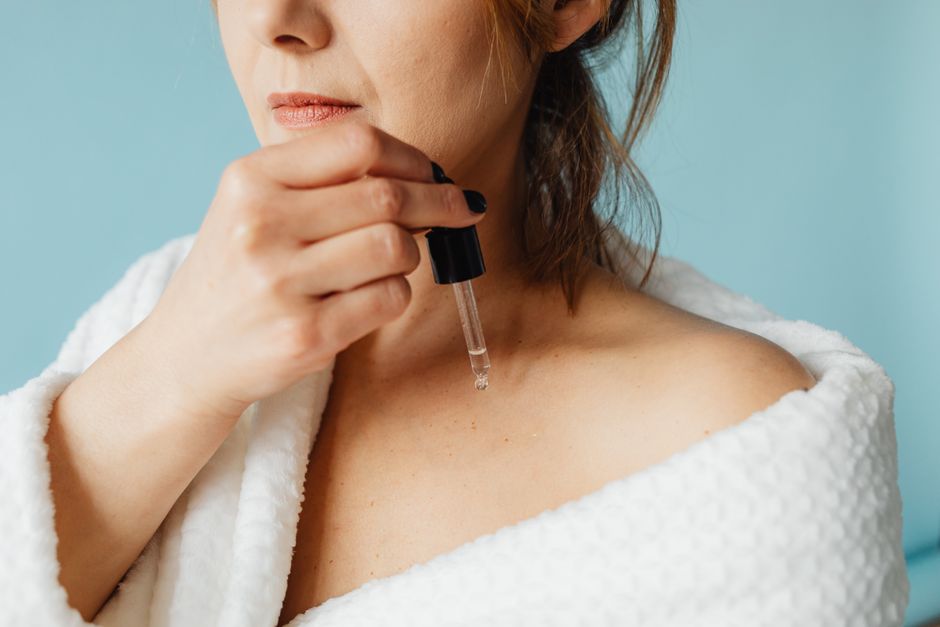
The simplest beauty routine for healthy-looking skin, especially when introducing retinol, involves four key steps: cleanse, treat (with retinol), moisturize, and protect (with SPF). For adults beginning with retinol, it’s crucial to start slowly, using a low concentration 1-2 times a week, gradually increasing frequency as your skin adapts. Always prioritize hydration with ceramides and hyaluronic acid to support your skin barrier, and never skip broad-spectrum sunscreen during the day to prevent sun damage and maximize retinol’s benefits. This practical approach minimizes irritation while maximizing results.
Retinol has long been lauded as a powerhouse ingredient in skincare, a true multi-tasker that can address everything from fine lines and wrinkles to uneven skin tone and texture. But for many adults, especially those new to active ingredients or with busy schedules, the idea of incorporating retinol can feel daunting. There’s a lot of information out there, and separating practical advice from marketing hype can be tricky.
This guide is designed to cut through the noise, offering a straightforward, practical beauty and skincare guide for a beginner retinol routine for adults. We’ll focus on what truly matters for healthy-looking skin, ensuring you can integrate this potent ingredient effectively and safely, without overhauling your entire life. Whether you’re in Berlin, Birmingham, Boston, or Barcelona, the core principles of a smart retinol routine remain universal.
Many of us are looking for a routine that fits into our real lives, not one that demands a chemist’s degree or an hour in front of the mirror every night. We’re talking about tangible steps that deliver visible results, respecting your skin barrier and your time.
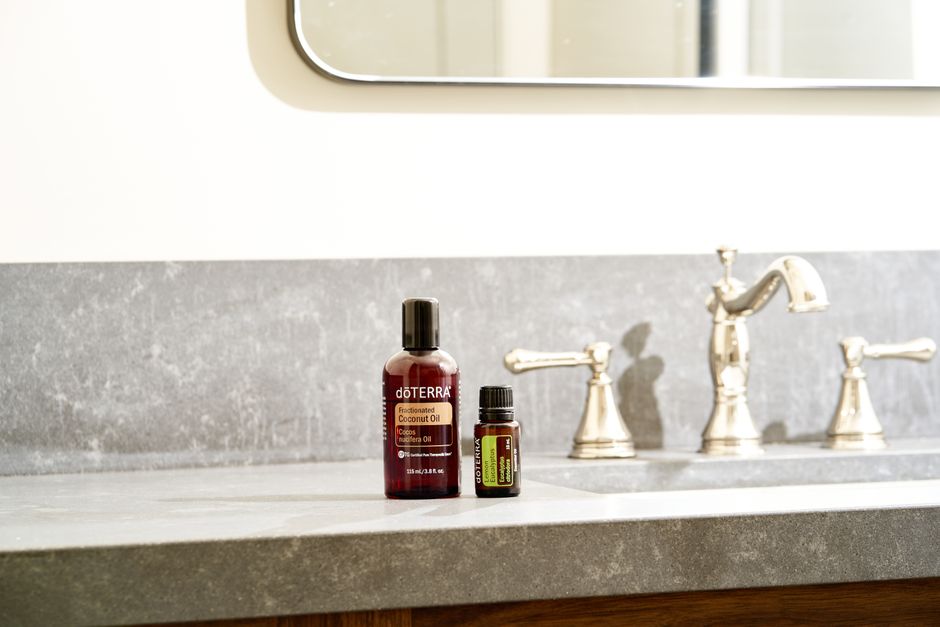
Understanding Retinol: What It Is and Why It Matters
Retinol is a derivative of Vitamin A, belonging to a family of compounds called retinoids. When applied to the skin, it converts to retinoic acid, which then communicates with skin cells to encourage faster cell turnover and stimulate collagen production. This process helps to reduce the appearance of fine lines, wrinkles, and dark spots, while also improving skin texture and clarity.
In practice, this means more youthful-looking, smoother skin over time. It’s not a quick fix, but a marathon for long-term skin health. While prescription-strength retinoids are available, over-the-counter retinol offers a gentler entry point, making it ideal for beginners.
Over-the-Counter vs. Prescription Retinoids
- Over-the-Counter Retinol: Generally lower concentrations (0.1% to 1%), less irritating, and available without a doctor’s visit. Common in beauty stores across the US, UK, and continental Europe.
- Prescription Retinoids (e.g., Tretinoin): Higher concentrations, stronger, and typically deliver faster results but come with a higher risk of irritation. A dermatologist in France or Germany might prescribe this for more severe concerns.
For a practical beauty and skincare guide for a beginner retinol routine for adults, we’re focusing squarely on the over-the-counter options, which are far more forgiving and accessible.
Building Your Beginner Retinol Routine: The Essentials
A common mistake is rushing into a high-strength retinol or using it too frequently from the start. This can lead to irritation, dryness, and a compromised skin barrier. The key to success is patience and a ‘less is more’ approach, especially for those with sensitive skin.
How to Choose Makeup for Your Skin Undertone: Practical Advice for US and European Shoppers
Step 1: The Gentle Cleanse
Before applying any active ingredient, a clean canvas is essential. Choose a mild, hydrating cleanser that doesn’t strip your skin of its natural oils. Avoid harsh sulfates or strong fragrances, which can exacerbate sensitivity, especially when pairing with retinol.
For example, a creamy, pH-balanced cleanser found in any major pharmacy from London to Madrid will do the trick. The goal isn’t to feel ‘squeaky clean’ but rather refreshed and prepped.
Step 2: Introducing Retinol (The Slow Approach)
This is where the ‘beginner’ aspect truly comes in. Start with a low-concentration retinol serum or cream, perhaps 0.1% or 0.25%. Frequency is even more important: begin with just 1-2 nights a week. This allows your skin to gradually adjust without overwhelming it.
Application Tip: Apply a pea-sized amount to dry skin after cleansing. Avoid the immediate eye area and corners of the mouth if you’re prone to sensitivity there. For those with particularly sensitive skin, you can even apply a thin layer of moisturizer first, then your retinol, then another layer of moisturizer (the ‘sandwich method’).
Step 3: Hydrate and Protect Your Skin Barrier
Retinol can be drying and may temporarily compromise your skin barrier as it works its magic. This makes supporting ingredients non-negotiable. Look for moisturizers rich in ceramides, which are lipids essential for skin barrier function, and hyaluronic acid, a humectant that draws moisture into the skin. These ingredients are readily available in products from brands like CeraVe or La Roche-Posay, popular across Europe and the US.
Using a good moisturizer helps counteract potential dryness, flakiness, and redness. Think of it as providing a safety net for your skin as it undergoes renovation.

The Non-Negotiable: Sun Protection (SPF)
This is arguably the most critical step when using retinol. Retinol increases your skin’s photosensitivity, meaning it becomes more vulnerable to sun damage. Without consistent, broad-spectrum SPF, you not only undo retinol’s benefits but also risk increased sun damage and pigmentation.
Every morning, without fail, apply a broad-spectrum SPF of 30 or higher. This applies whether it’s a sunny day in Seville or a cloudy one in Cologne. Look for formulas that are comfortable to wear and reapply as needed, especially if you’re spending time outdoors. Many European brands offer excellent lightweight SPF formulations that layer well under makeup.
Effortless Radiance: Low-Maintenance Makeup for Busy Mornings in the US and Europe
Adjusting Your Routine: Listening to Your Skin
Your skin will tell you what it needs. If you experience excessive redness, peeling, or stinging, it’s a sign to slow down. Reduce the frequency of retinol application, or take a break for a few days until your skin recovers. Then, reintroduce it even more slowly.
For most readers, a gradual increase over several weeks or even months works best. You might move from 1-2 nights a week to 3 nights, then eventually every other night. The goal is consistent use without irritation.
Common Skincare and Beauty Questions About Retinol
Navigating the world of active skincare can bring up many questions. Here are some of the most frequent concerns for adults starting a practical beauty and skincare guide for a beginner retinol routine.
Can I use retinol if I have sensitive skin?
Yes, but with extra caution. Opt for the lowest concentration retinol (e.g., 0.1%) and start with once a week, or even less frequently if needed. The ‘sandwich method’ – applying moisturizer before and after retinol – can significantly reduce irritation for sensitive skin types. Always patch test new products.
What products should I avoid when using retinol?
When starting retinol, temporarily avoid other strong active ingredients like AHA/BHA exfoliating acids, Vitamin C serums, or benzoyl peroxide on the same night. Overuse of actives can lead to irritation and a compromised skin barrier. Introduce these back slowly, perhaps on alternating nights, once your skin has fully adapted to retinol.
How long does it take to see results from retinol?
Patience is key with retinol. You might start to notice improvements in texture and tone within 6-8 weeks, but more significant results, such as a reduction in fine lines and hyperpigmentation, typically take 3-6 months of consistent use. Remember, everyone’s skin responds differently, so don’t get discouraged if it takes a little longer.
Do I need a separate eye cream if my retinol is safe for the eye area?
While some retinol products are formulated to be safe for the orbital bone area, the skin around the eyes is much thinner and more delicate. If your main retinol product isn’t specifically designed for eyes, a dedicated eye cream – particularly one with ceramides or hyaluronic acid – can provide targeted hydration and gentler care without risking irritation from your main retinol.
Can I use retinol while traveling?
Absolutely, but pack mindfully. Stick to your established routine as much as possible to avoid surprising your skin with new products. Ensure you have your SPF, a good moisturizer, and your chosen retinol. If you anticipate significant sun exposure, consider pausing retinol for a few days before and during your trip to minimize photosensitivity, especially if you’re heading to sunnier climes in Italy or Spain.
Conclusion: Consistency and Patience Are Your Best Allies
Adopting a practical beauty and skincare guide for a beginner retinol routine for adults doesn’t need to be overwhelming. By starting low, going slow, prioritizing hydration with ingredients like ceramides and hyaluronic acid, and never forgetting your SPF, you’re setting yourself up for success. This approach minimizes the dreaded ‘retinol uglies’ and allows you to experience the transformative benefits of this powerful ingredient safely and effectively. Healthy-looking skin isn’t about perfection, but consistent, smart care. Explore more beauty guides on AtTheFashion for more practical advice.






Leave feedback about this