

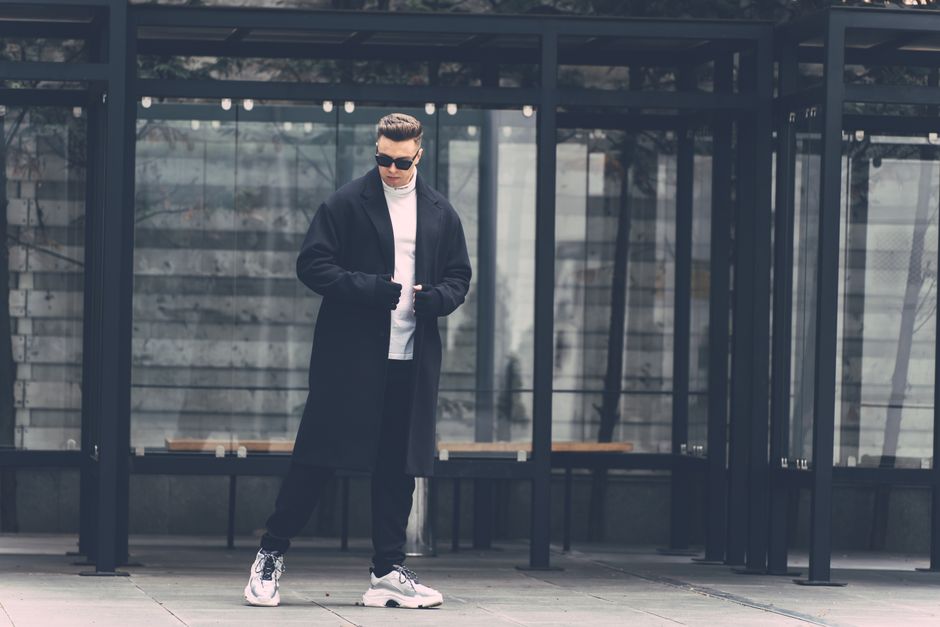
To build a useful men’s winter layering wardrobe without overspending, focus on versatile, high-quality core pieces that can be mixed and matched. Prioritize natural fibers like merino wool and cashmere for base layers and mid-layers, as they offer superior warmth-to-weight ratios. Invest in a durable, waterproof outer layer suitable for varying urban conditions. By choosing classic styles over fleeting trends, men can create a functional yet stylish ensemble that adapts to different temperatures and occasions, avoiding the need for excessive purchases each season. Smart choices ensure warmth, comfort, and a polished appearance even in the harshest winter weather.
Picture this: It’s a biting January morning in New York. You’re heading to a meeting, trying to look sharp, but the sheer volume of clothes you’ve piled on has you feeling more Michelin Man than Manhattan professional. Or perhaps you’re in London, braving a damp, chilly drizzle, and your stylish wool coat is doing little to keep the biting wind from seeping through. These are common scenarios for men navigating cold city winters, where the need for warmth often clashes with the desire for style.
The challenge isn’t just about throwing on more clothes; it’s about understanding the principles of layering effectively. For men’s winter layering in cold cities, the goal is to achieve maximum warmth and comfort without sacrificing mobility or your sartorial standards. It’s an art, and frankly, many men make easily rectifiable mistakes that leave them either shivering or sweating, all while looking less put-together than they’d like.
This guide aims to demystify men’s fashion advice for men’s winter layering for cold cities. We’ll explore how to build a smart, adaptable wardrobe that keeps you insulated and stylish, whether you’re commuting across Berlin, enjoying a stroll through a snowy Paris, or battling the winds off Lake Michigan.
Understanding the Core Principles of Layering
Effective winter layering isn’t a random assortment of garments; it’s a strategic system designed to trap air, manage moisture, and adapt to changing temperatures. The core principle revolves around three distinct layers: the base, the mid, and the outer. Each plays a crucial role in regulating your body temperature and protecting you from the elements. Ignoring any one of these can compromise the entire system.

The Base Layer: Your Second Skin
Often overlooked, the base layer is arguably the most important. Its primary function is to wick moisture (sweat) away from your skin, keeping you dry. When sweat stays on your skin, it cools rapidly, leading to discomfort and heat loss. For this reason, cotton is a poor choice for a base layer; once wet, it stays wet. Instead, opt for materials like merino wool, which insulates even when damp, or synthetic fabrics designed for moisture-wicking. A good base layer should be snug, but not restrictive, acting like a second skin.
The Mid Layer: The Insulation Engine
The mid-layer provides the bulk of your insulation. This is where you trap warm air close to your body. Common choices include sweaters made from wool (lambswool, cashmere, alpaca), fleece, or down-filled vests. The thickness of your mid-layer can be adjusted based on the expected temperature. A thinner merino or cashmere V-neck might be perfect for a London winter, while a chunky cable-knit sweater is better suited for a frigid New York blizzard. The key is insulation without excessive bulk, allowing for freedom of movement.
The Outer Layer: Your Fortress Against the Elements
The outer layer is your shield against wind, rain, and snow. For cold cities, this means investing in a high-quality, weather-resistant coat or jacket. Look for options that are waterproof or water-resistant and windproof. Materials like Gore-Tex, waxed cotton, or well-treated wool can offer excellent protection. A good outer layer should also be roomy enough to accommodate your base and mid-layers comfortably without feeling tight, yet still offer a tailored silhouette. Think parkas for extreme cold, peacoats for smart-casual, and technical shell jackets for versatility.
Building a Smart Winter Wardrobe Without Overspending
How can men build a useful wardrobe without overspending? The answer lies in mindful investment and versatility. Rather than buying many cheap items, focus on fewer, higher-quality pieces that serve multiple purposes and stand the test of time. This approach not only saves money in the long run but also reduces fashion waste, aligning with sustainable fashion principles.
How to Choose Men’s Jeans Online: Outfits That Work on a Realistic Budget
-
Prioritize Quality Over Quantity
Instead of five mediocre sweaters, invest in two or three excellent ones made from quality materials like merino wool or cashmere. These will last longer, provide superior warmth, and look better. This is a cornerstone of building a functional capsule wardrobe.
-
Embrace Versatile Neutrals
Stick to a palette of versatile neutrals—grays, navys, blacks, browns, and olives—for your core layering pieces. These colors mix and match effortlessly, creating numerous outfit combinations from a limited number of items. This maximises the utility of each garment.
-
Invest in a Great Outerwear Piece
Your winter coat is often the first thing people see. Splurge on one excellent, durable, and weather-appropriate coat. Whether it’s a wool overcoat for formal occasions in Milan or a performance parka for navigating a snowy Chicago, ensure it’s well-made and suits your primary needs.
-
Don’t Skimp on Accessories
Warm accessories like wool or cashmere scarves, gloves, and hats are not just stylistic additions; they are crucial for retaining body heat. Much of your heat escapes from your head and extremities. High-quality accessories can dramatically increase your comfort without breaking the bank.
-
Think Smart Casual First
For most men, a smart casual approach to layering offers the most flexibility. A merino wool crewneck over a crisp Oxford shirt, paired with tailored trousers or dark jeans and a well-fitting peacoat, can transition smoothly from a business lunch in Paris to an evening out in London. This balance of comfort and polish is key for menswear essentials.
-
Consider Sustainable Fabrics
When investing, look for brands committed to sustainable fabrics. Merino wool, organic cotton, recycled synthetics, and responsibly sourced down not only perform well but also align with environmental values. Many European brands, including those popular in Germany and France, are leading the way in this area.
-
Layer for Your Daily Commute
Think about your actual daily routine. If you spend significant time outdoors in New York, a heavy-duty parka is essential. If you’re mostly moving between heated buildings in Berlin, lighter, more breathable layers that can be easily shed might be more appropriate.
Comparing Layering Options: Fabric & Performance
Choosing the right fabrics is paramount for effective men’s winter layering for cold cities. Here’s a quick comparison of common materials:
| Fabric Type | Pros | Cons | Best Use Case |
|---|---|---|---|
| Merino Wool | Excellent warmth-to-weight, wicks moisture, regulates temperature, resists odor, comfortable. | Can be more expensive, requires careful washing. | Base layers, mid-layer sweaters (e.g., Uniqlo Heattech Extra Warm or Smartwool). |
| Cashmere | Incredibly soft, luxurious, excellent warmth, lightweight. | Very expensive, delicate, less durable for everyday wear, requires dry cleaning. | Premium mid-layers, scarves (e.g., John Smedley, Loro Piana). |
| Synthetic Fleece | Affordable, quick-drying, good insulation, lightweight. | Less breathable than wool, can pill over time, not naturally odor-resistant. | Mid-layers (e.g., Patagonia Synchilla, The North Face). |
| Cotton | Soft, breathable in mild conditions, inexpensive. | Poor moisture wicking, stays wet and cold when damp, poor insulator for cold. | Avoid for base or mid-layers in cold weather. Only for outer shirts in non-extreme cold. |
| Down | Exceptional warmth-to-weight, highly compressible. | Loses insulating power when wet, expensive, animal welfare concerns (check sourcing). | Mid-layer vests, outer layer parkas (e.g., Canada Goose, Moncler). |
| Waxed Cotton | Waterproof, durable, ages beautifully, classic aesthetic. | Requires re-waxing, can be stiff initially, heavy. | Outer layer jackets (e.g., Barbour, Belstaff) for rain/wind in London or Paris. |
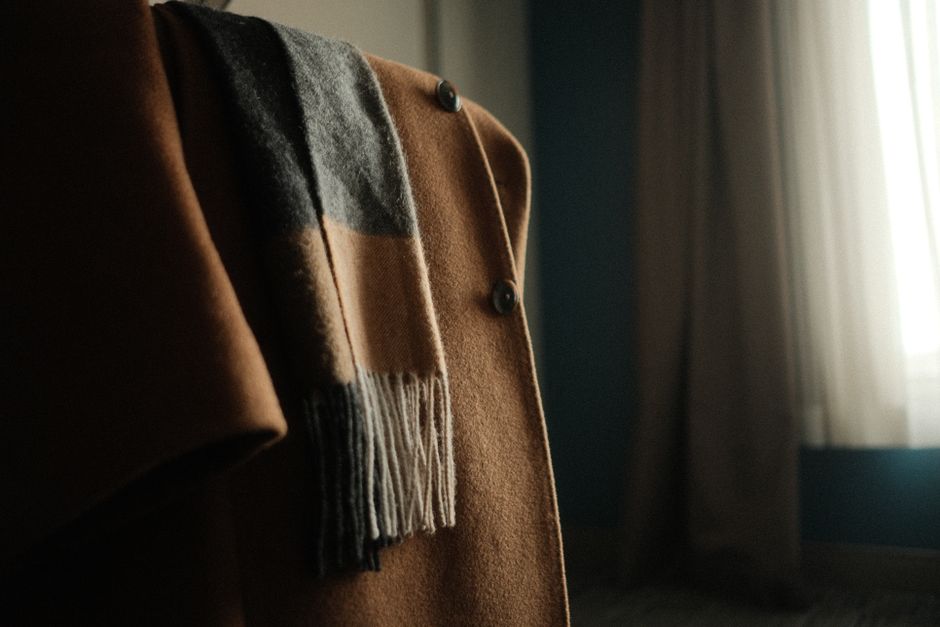
Common Men’s Winter Layering Mistakes to Avoid
Even with good intentions, many men fall into predictable traps when trying to master winter layering. Identifying these errors is the first step towards rectifying them and improving your comfort and style.
First Impressions: Men’s Outfits for Dates & Dinners – Fit, Comfort, and Style Defined
Mistake 1: Relying Too Much on Bulky Outerwear Alone
A common misconception is that a single, very thick coat is sufficient. While a good outer layer is vital, it’s inefficient on its own. It struggles to trap air effectively and often leads to overheating indoors or chilling once removed. The ‘onion’ approach, with multiple thinner layers, allows for far better temperature regulation. You can shed a layer when entering a heated building or add one if the temperature drops unexpectedly.
Mistake 2: Choosing Cotton as a Base Layer
As mentioned, cotton is a layering enemy in cold weather. It absorbs sweat and holds it against your skin, making you feel clammy and cold. This is particularly problematic if you’re active, such as walking to work in Milan or climbing stairs in a multi-level department store in Frankfurt. Always opt for moisture-wicking materials like merino wool or synthetics for your base.
Mistake 3: Ignoring Wind and Water Resistance
You can have the warmest mid-layers, but if your outer shell isn’t windproof and water-resistant (or waterproof), the cold and damp will cut right through. This is crucial for cities like London, where drizzle is common, or coastal regions of Europe. A stylish wool coat might look great, but if it’s not treated for weather resistance, it offers little protection against a biting wind or persistent rain. Look for technical features even in smart-casual outerwear.
Mistake 4: Sacrificing Fit for Warmth
Wearing oversized sweaters or coats in an attempt to be warmer often backfires. While you need room for layers, excessively baggy clothing creates air pockets that don’t effectively trap heat and make you look disheveled. Layers should be progressively larger, but each piece should still fit well. A tailored look, even with layers, enhances your appearance and can actually improve insulation by reducing uncontrolled air circulation.
Mistake 5: Neglecting Extremities
Many men focus solely on their torso but forget their head, hands, and feet. A significant amount of body heat escapes through the head, and cold hands or feet can make you feel miserable overall. A good wool or cashmere hat, insulated gloves, and warm, moisture-wicking socks (again, merino wool is excellent here) are non-negotiable for serious cold. Don’t underestimate the power of a quality scarf to protect your neck and chest from wind.
FAQ: Men’s Winter Layering for Cold Cities
What’s the best fabric for a winter base layer?
Merino wool is highly recommended for base layers due to its exceptional warmth-to-weight ratio, moisture-wicking properties, and natural odor resistance. Synthetic thermal fabrics are also effective, but merino offers superior comfort and breathability, keeping you dry and warm without feeling clammy.
How can I avoid looking bulky when layering?
To avoid bulk, focus on thin, high-performance layers. Use a snug base layer, a medium-weight fine-gauge knit (like merino or cashmere) for your mid-layer, and a well-fitted outer coat. Choose tailored cuts for all pieces and avoid overly thick or loose-fitting garments that add unnecessary volume. Prioritize sleek silhouettes.
Are down jackets good for urban winters?
Down jackets are excellent for urban winters, especially in very cold climates like New York or parts of Poland, due to their superior warmth-to-weight ratio. Look for options with a good fill power and water-resistant outer fabric. They offer superb insulation without being excessively bulky, making them practical for daily wear.
Can I wear denim in cold city winters?
Yes, you can wear denim in cold city winters, but it’s best reserved for mild to moderate cold or when paired with thermal base layers underneath. Standard denim offers limited insulation and can feel cold and damp if it gets wet. Consider heavier-weight denim or flannel-lined jeans for added warmth, especially if spending time outdoors.
How do I layer for different city environments, like indoors versus outdoors?
The key is adaptability. Dress in layers that can be easily added or removed. A performance base layer, a smart casual mid-layer (e.g., a fine wool sweater), and a functional outer coat allow you to stay warm outdoors and comfortably shed layers when transitioning to heated indoor spaces like offices or restaurants. This flexibility is crucial for changing city conditions.
Mastering men’s winter layering for cold cities isn’t just about survival; it’s about smart fashion and comfort. By understanding the principles, investing wisely in quality pieces, and avoiding common pitfalls, you can navigate even the harshest urban winters with confidence and style. Whether you’re in Berlin, Paris, or Milan, a thoughtful approach to your wardrobe will ensure you’re always prepared and polished.
Explore more men’s guides on AtTheFashion to further refine your style.






Leave feedback about this