


Finding the right makeup can feel like a quest, especially when faced with endless options in stores across Paris, London, or even your local German pharmacy. For beauty beginners, busy adults, or travelers packing light, the goal isn’t necessarily a full face of elaborate products. Instead, it’s about achieving a healthy, polished look efficiently. A practical beauty and skincare guide on how to choose makeup for your skin undertone is key to unlocking this simplicity, ensuring your efforts lead to a natural, harmonious result rather than a mismatched one.
Many people gravitate towards certain shades without understanding why some look fantastic and others just… don’t. The secret often lies in your skin’s undertone – the subtle hue beneath your skin’s surface. Once you identify this, selecting foundation, concealer, blush, and even lipstick becomes intuitive, making your makeup routine faster, more effective, and far less prone to costly mistakes. This guide cuts through the noise, offering actionable advice for a streamlined approach.
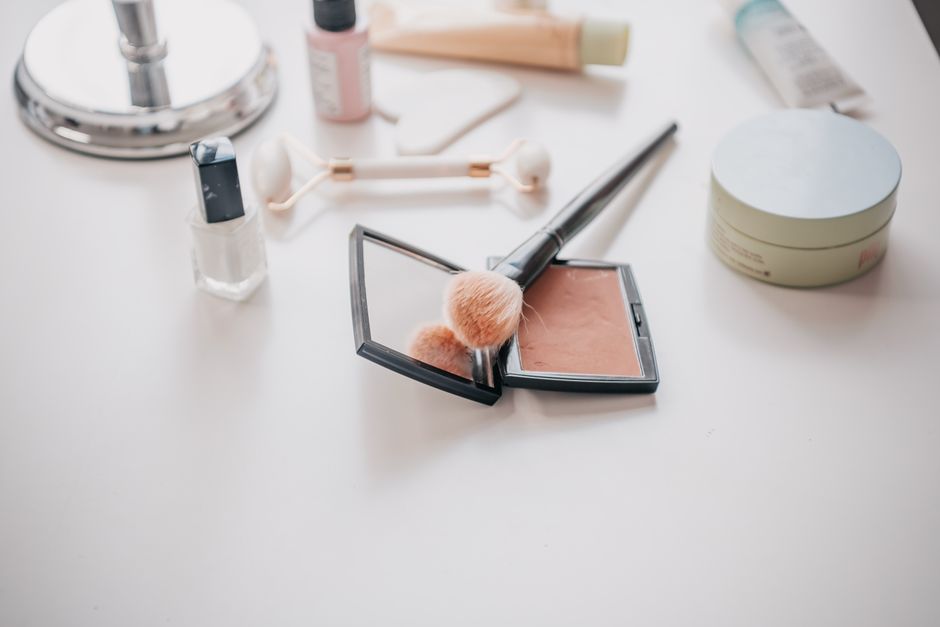
Understanding Your Skin’s Undertone: The Foundation of Flawless Makeup
Before you even think about specific products, the first step in this practical beauty and skincare guide on how to choose makeup for your skin undertone is to accurately identify your own. Your skin undertone is distinct from your skin’s surface shade, which can change with sun exposure. Undertones are either cool, warm, or neutral and remain constant.
How to Identify Your Undertone
- The Vein Test: Look at the veins on your wrist in natural light. If they appear blue or purple, you likely have a cool undertone. If they look green, your undertone is warm. If you can’t quite tell, or they seem to be a mix of both, you might have a neutral undertone. This is a common and effective method used globally, from Milan to Madrid.
- The Jewelry Test: Think about whether silver or gold jewelry flatters you more. Those with cool undertones often find silver looks best, while warm undertones tend to glow in gold. If both look equally good, you’re likely neutral.
- The Sun Test: How does your skin react to the sun? If you tend to burn easily and then tan minimally, you might have a cool undertone. If you tan easily and rarely burn, you likely have a warm undertone.
What Each Undertone Means for Makeup Choices
- Cool Undertones: Your skin has hints of pink, red, or bluish hues. Best makeup shades lean towards cool tones: foundations with pink or red bases, blush in rosy pinks or berries, and eyeshadows in blues, purples, or cool browns.
- Warm Undertones: Your skin has hints of golden, peach, or yellow hues. Look for foundations with yellow or golden bases, blush in peaches, corals, or warm browns, and eyeshadows in earthy tones like gold, bronze, or olive green.
- Neutral Undertones: You have a balance of both warm and cool tones, or neither is dominant. This offers flexibility; you can often wear a wider range of shades, but neutral-toned foundations (often labeled ‘N’ or ‘neutral’) will be your best bet.
The Simplest Skincare Routine for Healthy-Looking Skin
Before any makeup, a healthy canvas is essential. This uncomplicated routine is perfect for sensitive skin and busy schedules, supporting your skin barrier and preparing your face for makeup application. It’s the core of any practical beauty and skincare guide on how to choose makeup for your skin undertone, regardless of your specific undertone.
Morning Routine (5 minutes)
- Gentle Cleanser: A mild, hydrating cleanser removes overnight impurities without stripping your skin. Look for formulations with ceramides for skin barrier support, especially if you have sensitive skin. Brands widely available in Europe and the US often offer excellent options.
- Hydrating Serum (Optional but Recommended): A hyaluronic acid serum draws moisture into the skin, leaving it plump and ready. This is particularly beneficial in dry climates or if you’re traveling.
- Moisturizer: A good moisturizer seals in hydration. For sensitive skin, opt for fragrance-free formulas.
- Sunscreen (SPF 30+): Non-negotiable! Daily SPF protects against UV damage, preventing premature aging and maintaining skin health. In countries like Germany and France, pharmacists often recommend broad-spectrum options with high SPF. This also makes your makeup sit better and last longer.
Evening Routine (5-10 minutes)
- Double Cleanse (if wearing makeup/SPF): Start with an oil-based cleanser or micellar water to dissolve makeup and SPF, followed by your gentle water-based cleanser.
- Targeted Treatment (2-3 times a week): For anti-aging or blemish control, a retinol product can be introduced slowly. If you have sensitive skin, start with a lower concentration and apply it after moisturizer to buffer its effects.
- Moisturizer: Reapply a nourishing moisturizer. For extra hydration, consider one with ceramides or peptides.
Choosing Makeup by Undertone: Your Simple Step-by-Step Guide
With your undertone identified and your skin prepped, it’s time for the fun part. This segment of the practical beauty and skincare guide on how to choose makeup for your skin undertone focuses on minimalist choices that deliver maximum impact.
1. Foundation and Concealer: The Perfect Match
This is where your undertone knowledge shines. Look for foundations and concealers explicitly labeled with ‘Cool,’ ‘Warm,’ or ‘Neutral,’ or indicated by letters (C, W, N) in their shade names. For instance, a ‘Light Beige C’ would be for cool undertones. Test shades on your jawline, not your hand, and check it in natural light. The right shade will blend smoothly, disappearing into your skin. In the US, many department stores offer color-matching services; in Europe, many pharmacies carry a curated selection of brands.
Hydrating Skincare for Dry Winter Weather: A Simple Routine for Beginners
2. Blush: A Touch of Color
- Cool Undertones: Opt for true pinks, berry shades, or cool plum tones. Think of a natural flush after a brisk walk in the crisp air of the Alps.
- Warm Undertones: Peaches, corals, and terracotta shades will brighten your complexion. Imagine the sun-kissed glow after a holiday in the Mediterranean.
- Neutral Undertones: You have the flexibility to wear both, but soft rose or muted peach are universally flattering.
3. Eyeshadow: Enhancing Your Gaze
For a beginner’s routine, a simple palette with a few complementary shades is more practical than a massive one. Focus on one or two neutral shades and an accent color that works with your undertone.
- Cool Undertones: Greys, cool browns, taupes, blues, and silvers.
- Warm Undertones: Golds, bronzes, coppers, warm browns, olive greens, and peaches.
- Neutral Undertones: Most neutral browns, taupes, and champagne shades work beautifully.
4. Lipstick: The Finishing Touch
Lipstick can improve any look. Again, undertone is your guide.
- Cool Undertones: True reds with blue bases, fuchsia, berry, and cool-toned nude pinks.
- Warm Undertones: Orange-reds, coral, peachy nudes, and warm brown shades.
- Neutral Undertones: Rose, mauve, and true nude shades are often safe bets.
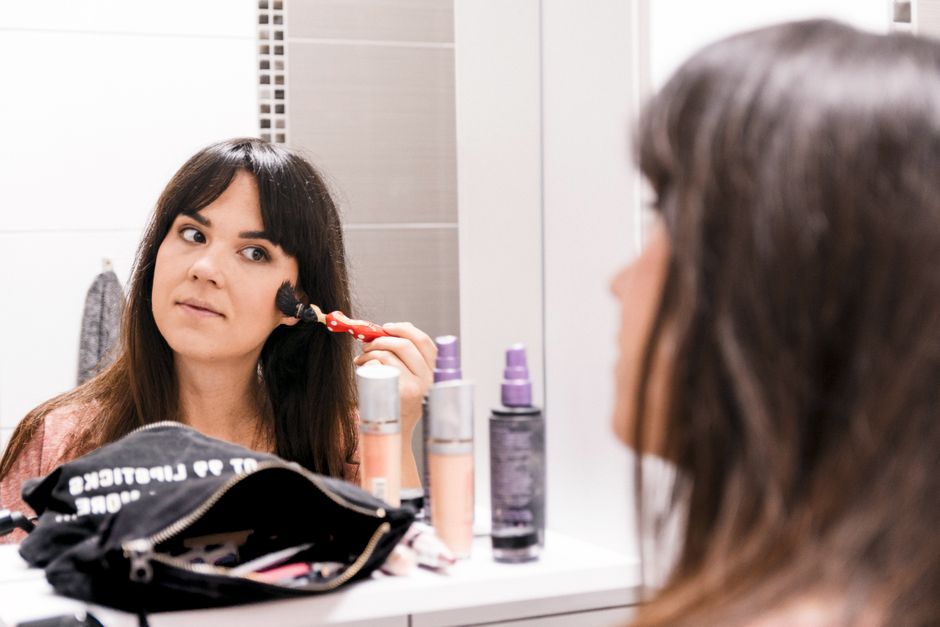
Makeup Routine for the Beginner and Busy Adult
This streamlined approach focuses on essential steps that make a noticeable difference without consuming much time. This is the practical beauty and skincare guide on how to choose makeup for your skin undertone brought to life.
- Skin Prep (Morning Skincare Routine): Cleanse, hydrate, and apply SPF. This is non-negotiable for skin health and makeup longevity.
- Even Out Tone (Foundation/Concealer): Apply a thin layer of foundation or simply spot-conceal any redness or blemishes using your undertone-matched products. A beauty blender or fingers work quickly.
- Add Life (Blush): A sweep of undertone-appropriate blush on the apples of your cheeks instantly makes you look more awake and vibrant.
- Define Eyes (Mascara/Brows): A coat of mascara opens up the eyes. Filling in sparse brows with a pencil or gel (matched to your hair color) frames your face.
- Finish with Lips: A swipe of undertone-flattering lipstick or a tinted lip balm completes the look.
This routine takes minimal effort but provides maximum impact, ensuring you look put-together whether you’re heading to a business meeting in Berlin or exploring the historical streets of Rome.
Maintaining Skin Health for Better Makeup Application
Beyond the daily routine, long-term skin health contributes significantly to how well makeup sits and looks. Regularly exfoliating (1-2 times a week with a gentle chemical exfoliant like lactic acid for sensitive skin) can improve skin texture. Ensuring adequate sleep and hydration also impacts your complexion dramatically. Ingredients like ceramides are crucial for maintaining the skin barrier, especially when dealing with environmental stressors common in travel or busy urban environments.
FAQ: Practical Beauty and Skincare
Q: What is the simplest beauty routine for healthy-looking skin?
A: The simplest routine involves a gentle cleanser, a hydrating moisturizer, and daily broad-spectrum SPF in the morning. In the evening, cleanse again and apply moisturizer. For specific concerns, add a targeted treatment like retinol or hyaluronic acid a few times a week, always ensuring it’s suitable for sensitive skin if applicable.
Beauty Essentials for Long-Haul Flights: Your Practical Guide for US and European Travelers
Q: Can my skin undertone change over time?
A: No, your skin undertone remains constant throughout your life. While your surface skin tone can darken from sun exposure or lighten in winter, the underlying cool, warm, or neutral hue does not change. This is why learning your undertone is a valuable, one-time investment for makeup choices.
Q: What’s the biggest mistake beginners make when choosing foundation?
A: A common mistake is testing foundation shades on the back of the hand or in poor lighting. Always test a small stripe on your jawline and check it in natural daylight. Also, ignoring your undertone can lead to foundations looking too orange, pink, or ashy on your face.
Q: Is it necessary to use a retinol product?
A: While not strictly necessary for everyone, retinol is highly effective for addressing signs of aging, fine lines, and acne. If you have sensitive skin, start with a low concentration (e.g., 0.1-0.3%) and introduce it gradually, perhaps 1-2 times a week, to build tolerance and minimize irritation.
Q: How can I make my makeup last longer throughout the day?
A: Proper skin prep is crucial: a clean, hydrated, and SPF-protected base. Using a lightweight primer can also help. After makeup application, a setting spray can significantly extend wear, especially in humid climates or during long days, preventing makeup from sliding or fading.
Q: What if I have sensitive skin?
A: For sensitive skin, always prioritize fragrance-free, hypoallergenic products. Patch-test new products on a small area of skin before full application. Look for calming ingredients like ceramides, hyaluronic acid, and centella asiatica, and avoid harsh exfoliants or highly concentrated active ingredients initially.
Conclusion
Mastering how to choose makeup for your skin undertone is a fundamental skill that simplifies your entire beauty routine. This practical beauty and skincare guide shows that you don’t need a myriad of products or hours in front of the mirror to look your best. By understanding your undertone and committing to a simple yet effective skincare routine, you create a harmonious base that makes every makeup application effortless and flattering. For more insights and tips, explore more beauty guides on AtTheFashion.

Leave feedback about this