


Shoppers can tell if an online deal is genuinely good by meticulously reviewing the offer’s terms and conditions. Look for clarity on expiry dates, eligibility criteria, exclusion lists, return policies, and shipping costs. A truly smart online deal will transparently outline all limitations and benefits upfront, ensuring you understand the total cost, commitment, and potential savings without hidden surprises or quality compromises. Pay particular attention to the ‘fine print’ to confirm the discount applies to your desired product or service and doesn’t lock you into unwanted subscriptions or complex redemption processes.
We’ve all been there: scrolling through social media, an enticing offer pops up – 50% off, buy-one-get-one-free, or a flash sale on a travel booking. The allure of a great deal is powerful, especially when planning family budgets, travel, or just looking for everyday essentials. It’s easy to get swept up in the excitement, click ‘add to cart,’ and imagine the savings. But in the rush, a critical step often gets overlooked: reading the small print, the terms and conditions.
Understanding these details isn’t just about avoiding a bad deal; it’s about making smart online deals and offers work for you without sacrificing quality or peace of mind. A seemingly incredible discount can quickly turn into a headache if you miss a crucial expiry date, a minimum spend requirement, or a hidden subscription clause. For budget-conscious shoppers across the US, UK, Germany, France, Italy, Spain, and Poland, mastering this skill is key to truly saving money and getting what you expect.
This guide will equip you with the knowledge to dissect those terms and conditions, turning potential pitfalls into genuine savings opportunities. We’ll show you how to identify the red flags and green lights, ensuring your next online purchase is both economical and satisfying.
The Psychology of the Deal: Why We Overlook the Fine Print
Online retailers, particularly during high-stakes shopping events like Black Friday and Cyber Monday, are masters at creating urgency and excitement. Limited-time offers, countdown timers, and scarcity messages are designed to trigger impulse buys. This marketing strategy often leads us to focus solely on the headline discount, bypassing the crucial details that govern the offer’s true value. Our brains are wired to seek rewards quickly, and a big percentage off feels like an immediate win. However, the true value of any discount, coupon, or sale shopping hinges on understanding its limitations. Without this critical step, what appears to be a bargain can easily lead to frustration, unexpected costs, or a product that doesn’t meet expectations.
Mastering Smart Online Deals: Key Terms to Scrutinize
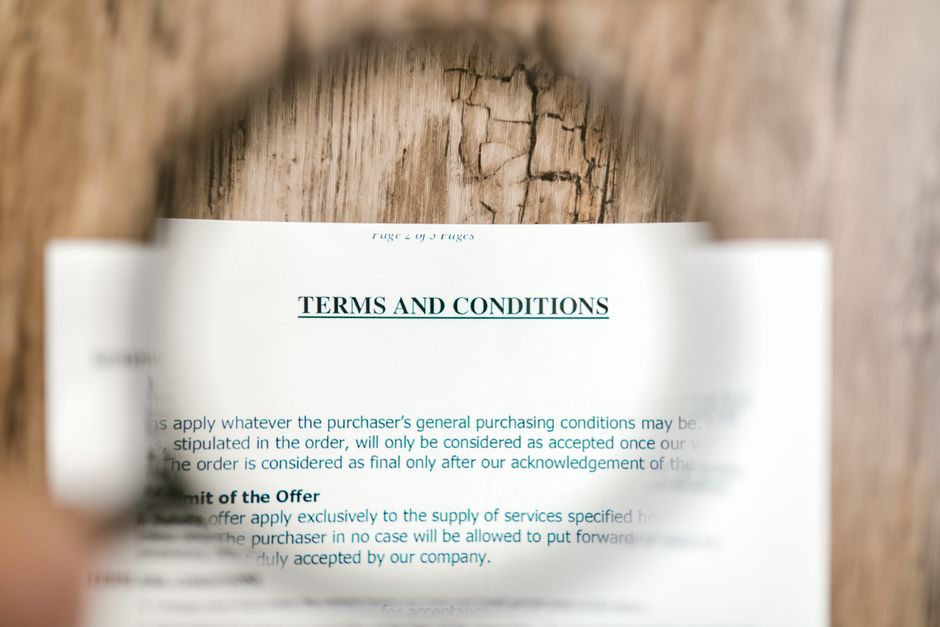
To truly make smart online deals and offers work for you, a systematic approach to reading the terms and conditions is essential. Don’t skim; dissect. Here’s how:
1. Expiry Dates and Timeframes
This is often the most straightforward, yet frequently missed, detail. Is the offer valid for a week, a day, or just a few hours? Pay attention to time zones if shopping internationally. A deal advertised as ending ‘midnight PST’ might already be over if you’re shopping from Berlin or Warsaw. Always note both the start and end dates/times.
2. Eligibility and Exclusions
Who can use this offer, and what can it be used on? Common exclusions include new customers only, specific product categories (e.g., ‘excludes electronics’), certain brands, or sale items. A ‘20% off everything’ banner might hide ‘except new arrivals’ or ‘minimum spend €100.’ For families, check if age restrictions apply to services like travel or entertainment passes. This is where many ‘amazing’ deals fall apart.
3. Minimum Spend Requirements
Many attractive percentage-off discounts (e.g., ‘15% off’) are tied to a minimum purchase value (e.g., ‘when you spend $75/£75/€75’). Factor this into your budget. If you only intended to spend less, are you now buying extra items you don’t need just to hit the threshold? That’s not saving money.
Livepelikirjasto kasino: Kaikki mitä sinun tarvitsee tietää
4. Redemption Process and Codes
How do you actually get the discount? Is it automatically applied, or do you need a specific coupon code? Is the code case-sensitive? Can it be combined with other offers? Some deals require creating an account, signing up for a newsletter, or even downloading an app. Understand the steps before you commit.
5. Shipping Costs and Return Policies
A great discount can be negated by high shipping fees. Always check the total cost, including delivery. Furthermore, understand the return policy for sale items. Many retailers offer stricter return conditions for discounted products, sometimes only store credit instead of a full refund. For shoppers in the EU, remember your solid EU consumer rights often grant a 14-day cooling-off period for online purchases, but this can have specific exclusions for certain goods or services.
6. Payment Methods and Currency
Are there any restrictions on how you pay? Some offers are tied to specific credit cards or payment platforms. If you’re shopping from a different country, ensure you understand the currency conversion rates and any potential foreign transaction fees your bank might charge. US shoppers should also consider US sales tax implications, which are often added at checkout and can vary significantly by state.
7. Subscriptions, Memberships, and Recurring Charges
Be extremely wary of ‘free trials’ or deeply discounted initial periods. These often auto-renew at a much higher price if not cancelled. Always check the cancellation process and any associated fees. This is particularly common with streaming services, software, and beauty box subscriptions.
8. Quality and Warranty
While terms and conditions primarily cover the deal, consider how a deep discount might relate to the product itself. Is it a clearance item for a reason (e.g., end of line, minor defect)? Understand the warranty, especially for refurbished electronics or open-box deals. A lower price shouldn’t mean lower quality or compromised consumer rights.
Comparing Deals: What’s Genuinely Good?
Identifying a truly smart online deal requires more than just reading the fine print; it demands comparison. Don’t assume the first offer you see is the best. Price comparison websites and deal alerts are invaluable tools. Here’s a quick comparison framework:
| Deal Aspect | Good Deal Indicators | Red Flags / Caveats |
|---|---|---|
| Discount Depth | High % off with few exclusions; percentage + free shipping. | Only applies to full-price items; minimum spend too high. |
| Validity Period | Reasonable window (e.g., 1-2 weeks); clearly stated. | Extremely short window (flash sale < 24 hrs) creating panic. |
| Exclusions | Minor product exclusions; applies to popular items. | Major exclusions (e.g., ‘excludes all top brands’). |
| Shipping | Free shipping (especially with low/no minimum); trackable. | High shipping fees that negate the discount; slow delivery. |
| Returns | Standard return policy for sale items; easy process. | Final sale/no returns; store credit only; return shipping fees. |
| Redemption | Automatic at checkout; simple code entry. | Complex multi-step process; mandatory signup for spam. |
| Hidden Costs | Clear total price; no auto-renewals. | Subscription auto-renews; hidden fees for ‘premium’ features. |

Common Mistakes When Hunting for Bargains
Even with good intentions, shoppers often fall into common traps. Avoiding these can significantly improve your experience with smart online deals and offers.
A common mistake is focusing only on the percentage off without considering the base price. A 70% discount on an item originally priced at €200 might still be more expensive than a 20% discount on a similar item priced at €50. Always compare the final price after all discounts and additions, not just the initial savings.
Streaming Games Casino: A Comprehensive Guide
Another pitfall is failing to check reviews for the product or service itself, especially when encountering unfamiliar brands offering deep discounts. A cheap item isn’t a good deal if it’s poor quality, breaks quickly, or delivers a subpar experience. Always cross-reference the product with independent reviews before purchasing, regardless of the discount. This is particularly important for electronics, appliances, and travel services.
Many shoppers also fail to verify the retailer’s legitimacy, particularly for deals found on less reputable social media ads. Look for secure payment gateways, clear contact information, and a transparent privacy policy. If an offer seems too good to be true from an unknown site, it very likely is. Stick to established retailers or platforms with buyer protection policies.
Lastly, falling for pressure tactics without thinking through the purchase is a frequent error. Retailers use countdown timers and ‘X items left in stock’ messages to create artificial urgency. Take a moment to pause, review the terms, and consider if you truly need or want the item before making an impulse buy. Smart shopping isn’t just about saving money, it’s about making deliberate, informed decisions.
Frequently Asked Questions About Online Deals
How can I avoid getting stuck with unwanted subscriptions from a deal?
Always read the fine print regarding trials and introductory offers. Look for explicit mentions of auto-renewal, the full price after the trial, and the cancellation procedure. Set a calendar reminder to cancel before the trial period ends if you don’t intend to continue the service. Be extra cautious with deals requiring credit card details for a ‘free’ trial.
What should I do if a discount code isn’t working at checkout?
First, double-check that you’ve entered the code correctly, paying attention to case sensitivity. Then, review the offer’s terms and conditions again. The code might have expired, require a minimum spend you haven’t met, or apply only to specific products or customer types. If all else fails, contact the retailer’s customer support before completing your purchase without the discount.
Are ‘flash sales’ genuinely good deals, or just marketing ploys?
Flash sales can offer genuine savings, but they often come with very strict limitations: extremely short validity, limited stock, and sometimes specific product exclusions. The urgency is a marketing tactic. Approach them by quickly checking the key terms (expiry, eligibility, returns) and comparing the final price to ensure it’s a true bargain and not just an impulse buy.
How do EU consumer rights protect me when buying from online sales?
In the EU, consumer rights provide a 14-day ‘cooling-off’ period during which you can return most online purchases for any reason, even if they were bought during a sale. This right generally applies from the day you receive the goods. However, certain items, like custom-made goods, perishable items, or sealed goods unsealed after delivery, may be exempt. Always check specific country regulations for details.
What’s the difference between a coupon code and an automatic discount?
A coupon code is a specific alphanumeric string you manually enter at checkout to apply a discount. An automatic discount is typically applied without user input, often appearing directly in your cart once eligibility criteria (like adding specific items or reaching a minimum spend) are met. Automatic discounts are generally simpler to use as there’s no risk of incorrect code entry.
Should I be wary of ‘all sales final’ policies during Black Friday or Cyber Monday?
Yes, be particularly cautious. ‘All sales final’ means you typically cannot return the item for a refund or exchange, even if it’s unworn or unused, unless it’s faulty. While common during major sales events, this policy removes your flexibility. Always confirm the quality, sizing, and your need for the item before purchasing under ‘all sales final’ conditions, as your return rights may be severely limited.
By adopting a meticulous approach to terms and conditions, you transform from a reactive shopper into a savvy consumer. Making smart online deals and offers isn’t about finding the biggest number; it’s about understanding the true value and ensuring quality for your money. For further verified shopping guidance and insights into navigating the world of deals, explore our dedicated resources on AtTheFashion.

Leave feedback about this