

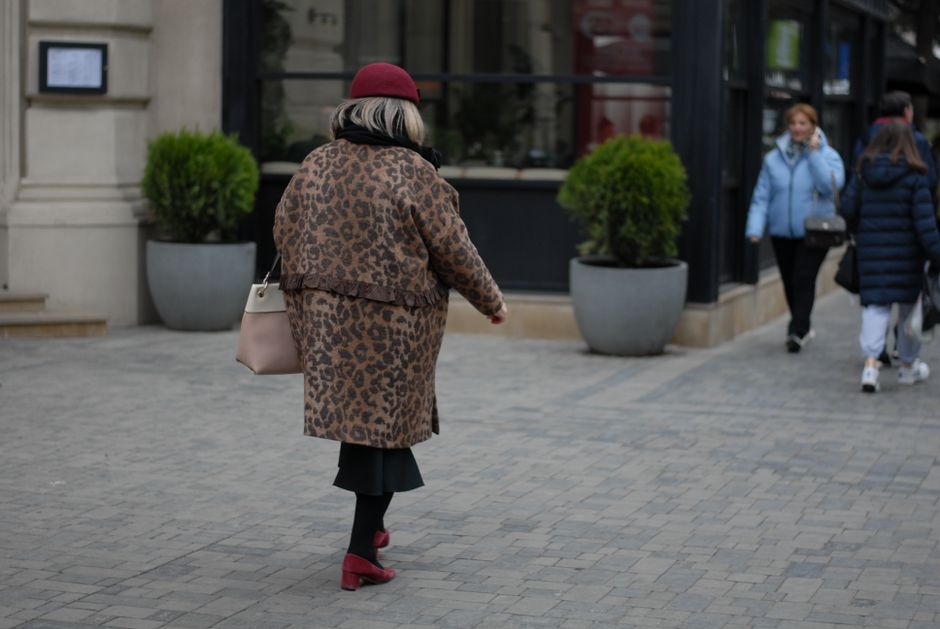
To build women’s winter outfits for cold cities that balance comfort, quality, and style, focus on strategic layering with high-quality, weather-appropriate fabrics like wool, cashmere, and technical synthetics. Invest in versatile core pieces such as a good insulated coat, thermal base layers, and waterproof boots. Prioritize natural fibers for warmth and breathability, and integrate fashionable accessories to express personal style without compromising on protection from the elements. A well-curated capsule wardrobe approach can ensure versatility and longevity, allowing you to stay warm and chic whether you’re navigating the streets of London or commuting in New York.
When winter descends upon global hubs like New York, London, Berlin, or even the fashion-forward streets of Milan, the challenge for many women isn’t just staying warm, but doing so without resorting to bulky, shapeless ensembles. The biting wind, snow, and ice demand practical protection, yet the desire to maintain personal style and professionalism remains strong. This is particularly true for professionals, travelers, and students who need their wardrobe to perform across various settings, from a business meeting to a weekend stroll through a historic city.
Finding that sweet spot where comfort meets quality and style for women’s winter outfits for cold cities often feels like a constant negotiation. Do you choose the warmest coat that sacrifices aesthetic appeal, or the stylish one that leaves you shivering? How do you build a versatile wardrobe on a realistic budget that withstands harsh conditions year after year? It’s a common dilemma, but with strategic planning and smart choices, you can conquer the cold while looking effortlessly chic.

Essentials for Cold City Winters: A Quick Overview
Building an effective winter wardrobe for cold cities requires a foundational understanding of what truly works. Here’s a brief look at the key elements:
- Layering is Non-Negotiable: Think in terms of base, mid, and outer layers for maximum warmth and adaptability.
- Fabric Matters Most: Prioritize natural fibers like wool, cashmere, and down, alongside advanced technical materials.
- Invest in Outerwear: Your coat is your shield and often the most visible part of your outfit. Choose wisely.
- Footwear is Key: Waterproof, insulated, and comfortable boots are essential for navigating icy pavements.
- Strategic Accessories: Hats, scarves, and gloves aren’t just functional; they’re style enhancers.
- Versatile Pieces: Opt for items that can be mixed and matched to create multiple looks, crucial for a capsule wardrobe.
- Quality Over Quantity: A few well-made items will outperform a closet full of cheap, less durable pieces.
- Personal Style: Don’t forget to infuse your personality, even when bundled up.
Mastering the Art of Layering for Urban Winters
The secret to staying warm without feeling like a Michelin Man lies in strategic layering. This principle is fundamental for creating effective women’s winter outfits for cold cities. It allows you to adapt to varying temperatures, from a chilly commute to a heated office, and provides superior insulation by trapping air between layers.
Base Layers: Your First Line of Defense
Start with a high-quality base layer. These are thin, close-fitting garments designed to wick moisture away from your skin, keeping you dry and warm. Merino wool is an excellent choice due to its natural breathability, warmth-to-weight ratio, and odor resistance. Synthetic options are also available, often used in activewear, but for everyday urban wear, merino offers superior comfort and feel. Think long-sleeve tops and leggings or tights underneath your regular clothing.
Mid-Layers: The Insulating Core
The mid-layer provides the primary insulation. This could be a cashmere sweater, a fine-gauge wool cardigan, a fleece jacket, or even a lightweight down vest. The goal here is warmth without excessive bulk. For workwear, a merino or cashmere turtleneck under a blazer can be incredibly effective and stylish. For casual outings in cities like Berlin or Paris, a chunky knit sweater layered over a thin top works beautifully. The beauty of a good mid-layer is its ability to be shed indoors or when temperatures rise.
Outer Layers: The Protective Shell
Your outer layer, typically your coat, is your main barrier against wind, snow, and rain. This is where investing in quality truly pays off. Look for coats with good insulation (down or high-tech synthetic fill), a waterproof or water-resistant exterior, and features like a hood, sealed seams, and adjustable cuffs. For extreme cold, a parka is a must, while a classic wool blend coat with cashmere can be elegant for slightly milder, but still cold, conditions. Consider the specific climate; a light down coat might suffice for Milan, while New York or London often demand something more substantial.
Building a Versatile Capsule Wardrobe on a Realistic Budget
The idea of a capsule wardrobe aligns perfectly with the need for practical, stylish women’s winter outfits for cold cities. It’s about curating a limited number of high-quality, interchangeable pieces that can be mixed and matched to create numerous outfits. This approach saves money in the long run, reduces decision fatigue, and ensures every item earns its place.
Affordable Outfits for Dinners and Events: Your Guide to Everyday Style Questions
Prioritizing Key Investments
When budgeting, focus your resources on the pieces that get the most wear and offer the most protection: your primary winter coat, insulated boots, and a few high-quality base and mid-layers. For instance, rather than buying five cheap sweaters, invest in two excellent merino or cashmere blends that will last for years and provide superior warmth. Look for sales at the end of winter or during off-peak seasons to snag higher-quality items at a discount.
Smart Shopping and Sustainable Choices
Consider shopping second-hand for designer coats or cashmere sweaters. Many are barely worn and offer incredible value. Brands that prioritize sustainable fabrics and ethical production often offer better quality and longevity, which aligns with the capsule wardrobe philosophy. Look for certifications that indicate responsible sourcing and manufacturing. This approach not only helps your budget but also supports more ethical consumption patterns. Think about items that transcend fleeting trends and will remain stylish for several seasons.
Footwear and Accessories: The Unsung Heroes of Winter Style
No matter how well-layered your clothing, inadequate footwear or accessories can quickly ruin your comfort and style in a cold city. These items are functional necessities that also offer prime opportunities for personal expression.
Boots That Brave the Elements
For navigating icy pavements and slushy streets, waterproof, insulated boots are non-negotiable. Look for styles with good traction and comfortable support. Brands like Sorel, Blundstone, or insulated leather boots from European brands can offer both durability and style. Ankle boots are versatile for everyday wear, while knee-high options provide extra warmth and protection. Ensure they can accommodate thick wool socks without feeling too tight. Many stylish options are available that don’t scream ‘hiking boot,’ making them perfect for work or a night out in Paris or London.
Hats, Scarves, and Gloves: Function Meets Fashion
A significant amount of body heat is lost through the head and extremities. A warm hat, preferably wool or cashmere-lined, is essential. Scarves not only add a crucial layer of warmth around your neck but are also fantastic style statements. Choose an oversized wool or cashmere scarf that can be wrapped multiple times. Leather gloves or mittens lined with wool or fleece provide warmth and often a touch of elegance. For touch-screen compatibility, look for gloves with special conductive fingertips.
Workwear and Travel: Practicality Without Sacrificing Professionalism
For professionals and travelers, women’s winter outfits for cold cities need to be particularly adaptable. The challenge is maintaining a polished look while enduring commutes, meetings, and sometimes long hours outdoors.
Professional Winter Workwear
Integrate your layering strategy into your professional attire. A thin merino wool base layer can disappear under a silk blouse or tailored top. Opt for wool trousers, skirts with thick tights, and blazers made of wool or heavier tweed. A stylish, warm winter coat is paramount for making a good first impression. Consider a sleek wool blend or even a tailored insulated coat. For shoes, polished leather ankle boots or knee-high boots that are waterproof and comfortable are ideal, especially for walking in cities like Berlin or Milan.
Travel-Friendly Winter Outfits
When traveling, versatility and packability are key. Choose wrinkle-resistant fabrics and a limited color palette to maximize outfit combinations. A lightweight, packable down jacket can serve as a warm mid-layer or stand-alone outer layer in milder conditions. Thermal leggings and tops are invaluable. Focus on a single pair of versatile, waterproof boots that work for both city exploration and slightly more formal settings. This approach makes navigating airports and public transport in New York or London much smoother.
Sustainable Fabrics: Warmth with a Conscience

Building a Sustainable Women’s Wardrobe: Your Essential Shopping Checklist
As awareness of environmental impact grows, so does the availability of sustainable fabrics that are perfect for women’s winter outfits for cold cities. Choosing these materials not only offers superior performance but also aligns with conscious consumer values.
- Recycled Down/Synthetic Insulation: Many brands now use recycled down or synthetic fills made from recycled plastics, offering excellent warmth without virgin materials.
- Merino Wool: Naturally renewable, biodegradable, and offering exceptional warmth, breathability, and odor resistance. Look for ZQ-certified merino, ensuring ethical sourcing.
- Cashmere: While luxurious, ensure it’s sourced ethically. Brands are increasingly offering recycled cashmere or cashmere from certified sustainable farms.
- Organic Cotton: For base layers, organic cotton is a comfortable and breathable alternative to conventional cotton, though it doesn’t offer the same thermal properties as wool.
- TENCEL™ Lyocell/Modal: These wood-based fibers are known for their softness, breathability, and moisture-wicking properties, making them excellent choices for comfortable layering pieces, often blended with wool.
- Recycled Polyester/Nylon: Commonly used in outerwear shells and fleeces, recycled versions reduce plastic waste. Look for bluesign® approved fabrics, which ensure responsible chemical use.
By opting for these materials, you invest in garments that are not only durable and effective against the cold but also kinder to the planet. Many brands based in Europe, like those found in Germany or France, are leading the way in sustainable fashion innovation, offering stylish yet responsible choices for your winter wardrobe.
FAQ: Your Cold City Winter Wardrobe Questions Answered
What are the most essential items for a cold city winter wardrobe?
The most essential items include a high-quality insulated and waterproof winter coat, thermal base layers (merino wool is ideal), versatile mid-layers like cashmere or wool sweaters, waterproof and insulated boots with good traction, and warm accessories such as a wool hat, thick scarf, and insulated gloves. These pieces form the foundation for effective layering.
How can I stay stylish in a bulky winter coat?
To stay stylish in a bulky winter coat, choose a coat with a flattering silhouette (e.g., belted, tailored fit), opt for classic colors like black, navy, or charcoal, and use accessories to add personality. A statement scarf, a chic hat, or elegant gloves can improve the overall look. Ensure your layers underneath are not overly bulky.
What types of shoes are best for icy and snowy conditions?
For icy and snowy conditions, choose waterproof and insulated boots with deep treads for excellent traction. Look for materials like rubberized soles and waterproof leather or synthetic uppers. Brands such as Sorel, Columbia, or specific winter lines from European shoemakers often offer both protection and reasonable style for urban environments.
How do I care for my winter clothing to make it last longer?
To extend the life of your winter clothing, follow care instructions diligently. Wool and cashmere often require hand washing or dry cleaning. Air out garments after each wear to reduce washing frequency. Store items properly during off-season, ideally in breathable bags to protect against moths and dust, ensuring they are clean before storage.
Can I wear dresses and skirts in cold weather?
Yes, you can absolutely wear dresses and skirts in cold weather. The key is thick, opaque tights or thermal leggings underneath. Opt for dresses and skirts made of warmer fabrics like wool, corduroy, or heavy knits. Pair them with knee-high boots for extra leg coverage and warmth, and ensure your upper layers provide ample insulation.
Key Takeaways for Your Cold City Winter Style
Navigating the demands of winter in cold cities like New York, London, or Berlin doesn’t mean sacrificing your sense of style. By embracing a few core principles, you can build a wardrobe that is both functional and fashion-forward. The power of strategic layering, combined with an emphasis on high-quality, appropriate fabrics, is your ultimate defense against the cold. Remember that your outer shell – your coat – is a crucial investment, as are your boots, which provide essential protection and traction.
Building a versatile capsule wardrobe not only simplifies your daily routine but also ensures that your purchases are wise, lasting investments rather than fleeting trends. Prioritizing sustainable materials whenever possible further enhances the value and longevity of your clothing, allowing you to dress with a conscience. Ultimately, women’s winter outfits for cold cities should empower you to confidently face any weather, embodying comfort, quality, and your unique personal style.
To explore more women’s guides and fashion tips, explore more women’s guides on AtTheFashion.





Leave feedback about this