


Choosing comfortable winter boots with grip for icy streets involves prioritizing outsoles made from specialized rubber compounds that remain flexible in cold temperatures, often featuring aggressive multi-directional lug patterns. Look for features like Vibram Arctic Grip or similar proprietary technologies. Beyond grip, comfort for walking all day means adequate arch support, cushioned midsoles, a secure but non-restrictive fit, and waterproof construction to keep feet dry. Proper insulation is also key for warmth without excessive bulk, making sure your comfortable footwear guide winter boots with grip for icy streets supports long hours outdoors.
When winter descends, bringing with it the treacherous combination of snow, sleet, and ice, the challenge of simply walking from point A to point B becomes a serious concern. Whether you’re commuting across a slick London bridge, exploring the festive markets of Berlin, or navigating the bustling sidewalks of Chicago, the risk of a slip or fall is real. A common mistake is underestimating how quickly a seemingly harmless patch of frost can turn a leisurely stroll into a dangerous balancing act.
The right footwear isn’t just about keeping your feet warm and dry; it’s fundamentally about safety and confidence. A good pair of winter boots with grip for icy streets makes all the difference, transforming a precarious journey into a stable walk. For many, especially those who spend significant time outdoors for work, travel, or family errands, selecting the best comfortable footwear guide winter boots with grip for icy streets is a practical necessity, not a luxury.
This comprehensive guide will help you cut through the marketing noise and identify the key features that truly matter for reliable traction and lasting comfort, regardless of whether you’re facing New York’s slush or European cobblestones.
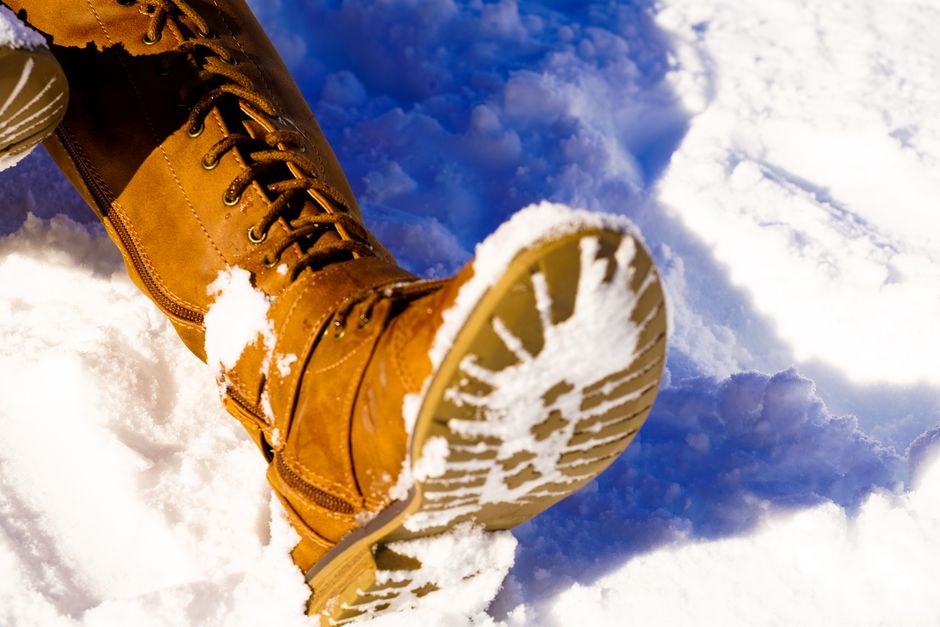
Essential Features for Icy Street Boots: A Quick Overview
Before diving into specific boot types and technologies, let’s lay out the fundamental characteristics you should look for when selecting comfortable footwear guide winter boots with grip for icy streets:
- Outsole Material: Look for specialized rubber compounds designed to stay flexible in freezing temperatures, providing better adhesion.
- Tread Pattern: Aggressive, multi-directional lugs (deep grooves) are crucial for digging into snow and gripping ice.
- Waterproofing: A waterproof or water-resistant membrane (e.g., Gore-Tex, proprietary coatings) is essential to keep feet dry from slush and puddles.
- Insulation: Adequate insulation (e.g., Thinsulate, wool, fleece) ensures warmth without excessive bulk.
- Comfort and Fit: Prioritize sufficient arch support, ankle stability, and room for thicker socks without pinching.
- Weight: Lighter boots reduce fatigue for prolonged walking, which is vital for any travel footwear.
- Shaft Height: Mid-calf or higher offers better protection from deep snow and splashing.
- Ease of Wear: Consider lace-up for a secure fit or zippers for quick on/off, depending on your daily routine.
Understanding Outsole Technology: The Foundation of Grip
The single most critical component for grip on ice is the boot’s outsole. Not all rubber is created equal, especially when temperatures drop. Many standard rubber compounds stiffen in the cold, reducing their ability to conform to irregular surfaces and provide traction. For this reason, specialized winter outsoles are paramount.
Vibram Arctic Grip and Similar Innovations
Vibram is a leading name in outsole technology, and their Arctic Grip compound is specifically engineered for extremely cold and icy conditions. It features a unique blend of rubber and polymer components that remain pliable at sub-zero temperatures, combined with thermochromatic lugs that change color to indicate when the temperature is cold enough for the grip to be activated. Several brands incorporate Vibram Arctic Grip into their winter lines, providing a reliable benchmark for traction.
However, other brands have developed their own proprietary technologies. Merrell’s Quantum Grip and Columbia’s Omni-Grip Ice are examples of in-house innovations that aim to provide similar levels of grip. When comparing, always check for manufacturer claims about ice performance and read user reviews.
The Importance of Lug Patterns and Siping
Beyond the material, the design of the tread pattern, known as lugs, plays a huge role. Deep, multi-directional lugs act like mini-claws, digging into loose snow and slush. For ice, however, the concept of "siping" becomes important. Siping involves tiny, razor-thin slits cut into the lugs, which create hundreds of microscopic edges that act like suction cups, providing increased surface contact and friction on slick surfaces. Think of how performance winter tires on a car use sipes.
Ensuring All-Day Comfort: More Than Just Grip
What makes a shoe comfortable for walking all day? For winter boots, this question is even more critical. Cold weather often means longer walks to stay warm, or navigating city centers like Paris or Rome where comfortable walking shoes are always essential. A comfortable footwear guide winter boots with grip for icy streets must address support, cushioning, and fit.
Waterproof Shoes for Rainy Commutes: Budget-Friendly Options for US and European Shoppers
Support and Cushioning for Long Hauls
Proper arch support prevents foot fatigue and can alleviate common issues like plantar fasciitis, especially when carrying bags or navigating varied terrain. Look for boots with anatomically contoured footbeds or removable insoles that allow you to insert custom orthotics. The midsole, usually made of EVA (ethylene-vinyl acetate) or PU (polyurethane), provides cushioning and shock absorption. A thicker, more responsive midsole will offer more comfort for extensive walking, reducing the impact on your joints.
The Right Fit: Room to Breathe, Secure to Move
A common mistake is buying boots that are too snug, especially if you plan to wear thick winter socks. Your toes need room to wiggle, which promotes circulation and helps keep them warm. However, the boot shouldn’t be so loose that your heel slips excessively, as this can cause blisters. When trying on boots, wear the type of socks you’d typically use, and walk around for a few minutes. Pay attention to any pressure points or rubbing. For many, a comfortable fit often means going up half a size from their usual shoe size, particularly for travel footwear.
Waterproofing and Insulation: Staying Warm and Dry
Even the best grip is useless if your feet are wet and cold. Waterproofing and adequate insulation are non-negotiable for comfortable winter boots with grip for icy streets.
The Imperative of Waterproofing
Waterproof boots typically feature a breathable membrane (like Gore-Tex or similar proprietary technologies) laminated between the outer material and the inner lining. This membrane allows moisture vapor from sweat to escape while preventing external water from entering. Look for "fully waterproof" construction, meaning all seams are sealed. Water-resistant boots offer some protection but will eventually succumb to prolonged exposure to slush or deep snow. This is crucial whether you’re exploring the snowy streets of Krakow or crossing a wet plaza in Milan.
Insulation: Rating and Materials
Insulation is measured in grams per square meter (g/m²), with higher numbers indicating more warmth. For most urban winter use in places like New York or Berlin, 200g to 400g of insulation is usually sufficient. For colder climates or extended outdoor periods, you might consider 600g or more. Common insulation materials include:
- Thinsulate: A synthetic insulation known for its warmth-to-weight ratio.
- Wool: Natural, breathable, and retains warmth even when damp.
- Fleece: Offers good warmth and is often used as a lining.
- Down: Excellent warmth for its weight but loses insulating properties when wet.
The right insulation strikes a balance between warmth and bulk. You want warmth without making the boots feel cumbersome for walking all day.
Style Meets Substance: Brands and Practicality
While function is paramount, nobody wants to compromise entirely on style. Fortunately, many brands now offer practical, comfortable footwear guide winter boots with grip for icy streets that also look good. Consider where you’ll be wearing them: a sleek, less bulky design for city commuting in Paris versus a more rugged, utilitarian look for rural adventures.
Popular Brands and Their Offerings
Many reputable footwear brands have strong winter boot lines. Brands like Sorel, Columbia, Merrell, Keen, and Timberland are widely recognized for their durable and effective winter boots. For example, Sorel often features solid, insulated designs perfect for heavier snow, while Merrell and Keen frequently integrate advanced grip technologies like Vibram Arctic Grip for treacherous ice. Timberland offers a classic rugged aesthetic that works well in urban and semi-urban settings, often with good waterproofing.
When selecting, check specific models within these brands. Some might be geared more towards extreme cold, while others focus on lighter, more flexible designs suitable for mixed urban conditions, including those slippery European cobblestones. Always compare specifications against your primary needs for a comfortable footwear guide winter boots with grip for icy streets.

Longevity and Care: Making Your Boots Last
Investing in a good pair of winter boots is an investment in your safety and comfort. Proper care can significantly extend their lifespan. After each use, especially if they’ve been exposed to salt or mud, wipe them down. Allow them to air dry naturally, away from direct heat sources, which can damage materials. For leather boots, regular conditioning can prevent cracking. For waterproof membranes, consider using a reproofing spray periodically to maintain their water repellency.
Regularly inspect the outsole for wear. If the lugs are significantly worn down, especially in critical areas, the grip will be compromised. While some boots can be resoled, many winter boots with integrated grip technologies are designed as a single unit, making outsole replacement difficult or impractical. Prioritizing durable construction upfront will pay dividends over several winter seasons, whether you’re strolling through Rome’s winter charm or battling a Chicago blizzard.
FAQ: Your Top Questions Answered
What makes a shoe comfortable for walking all day?
For a shoe to be comfortable for all-day walking, it needs excellent arch support, ample cushioning in the midsole to absorb impact, a flexible sole that moves with your foot, and a secure fit that prevents rubbing or excessive movement. Breathable materials also prevent moisture buildup, which contributes significantly to comfort over long periods, especially in travel footwear or walking shoes.
Do I need different boots for snow vs. ice?
Ideally, yes. Boots optimized for deep snow focus on taller shafts, deeper, wider lugs for flotation and grip in soft snow. Boots for ice, however, prioritize specialized rubber compounds that stay flexible in cold temperatures and often feature micro-siping or specific grip technologies like Vibram Arctic Grip for maximum friction on slick, hard surfaces. Many good winter boots offer a blend of features to handle both, making them versatile for varied winter conditions.
How do I know if the boots have enough grip for black ice?
Black ice is notoriously hard to spot and grip. Boots with superior grip for black ice will explicitly state features like Vibram Arctic Grip, Arctic Grip A.T., or similar proprietary ice-specific outsole technologies. These outsoles are engineered with advanced rubber compounds and tread designs that remain soft and grippy on slick, wet ice. Always look for specific claims from the manufacturer regarding performance on wet ice, rather than just snow.
What’s the best way to choose the right size for winter boots?
Always try on winter boots with the type of socks you plan to wear. Measure your feet at the end of the day when they are slightly swollen. You should have about a thumb’s width of space between your longest toe and the end of the boot, and your heel should feel secure without excessive slipping. Don’t rely solely on your regular shoe size; winter boots can sometimes fit differently, especially with insulation and waterproofing layers.
Are heavy boots necessarily warmer or grippier?
Not necessarily. While some heavier, more solid boots might offer increased insulation and larger lugs, advancements in material science mean lighter boots can now provide excellent warmth and grip. Technologies like Thinsulate offer high warmth-to-weight ratios, and specialized lightweight rubber compounds can deliver superior traction without adding significant bulk. Prioritize the specific features and technologies (like Arctic Grip) over general weight for warmth and grip.
Key Takeaways for Choosing Your Winter Boots
Navigating winter safely and comfortably boils down to making informed footwear choices. Remember, the core of any good comfortable footwear guide winter boots with grip for icy streets is the outsole technology. Look for specialized rubber compounds and aggressive, multi-directional tread patterns, ideally with siping for ice. Vibram Arctic Grip is a reliable indicator of superior traction.
Beyond grip, don’t overlook all-day comfort. Adequate arch support, generous cushioning, and a fit that allows for thicker socks without restricting circulation are crucial, especially if you’re on your feet for extended periods. Finally, waterproofing and insulation are non-negotiable for warmth and dryness. A good waterproof membrane and appropriate insulation levels ensure your feet stay cozy, no matter the weather. Investing in quality now will save you discomfort and potential injury later, whether you’re commuting in New York or exploring the charming, sometimes slippery, streets of Vienna.
For more insights and detailed reviews on finding the perfect pair for your needs, explore more footwear guides on AtTheFashion.


Leave feedback about this