

To make a shoe comfortable for walking all day, especially in the rain, prioritize a proper fit, cushioning, and breathable waterproof materials. Look for shoes with adequate arch support, a roomy toe box that prevents pinching, and a secure heel fit to prevent rubbing. The sole should offer good shock absorption and flexibility. Waterproofing should come from integrated membranes like Gore-Tex, not just a surface coating, allowing moisture vapor to escape while keeping rain out. Weight is also critical; lighter shoes reduce fatigue over long distances, making them ideal for sustained wear during a rainy commute.
We’ve all been there: a sudden downpour catches you mid-commute, and the waterproof shoes you thought would save the day turn into damp, uncomfortable vessels. Maybe they pinch after an hour, rub at the heel, or simply aren’t as waterproof as advertised, leading to that dreaded squelch. It’s more than just an annoyance; improperly chosen footwear for a rainy commute can lead to blisters, foot pain, and even long-term issues.
The challenge isn’t just finding a pair that keeps water out; it’s finding truly comfortable footwear, waterproof shoes for rainy commutes that can withstand hours of walking, standing, and the varied terrain from a slick subway platform in New York to the uneven cobblestones of Rome.
The True Cost of Uncomfortable Footwear on Your Commute
Beyond the immediate discomfort, poorly chosen shoes can significantly impact your daily routine and overall well-being. Imagine navigating the busy streets of London or dealing with delays on the Chicago ‘L’ with wet, aching feet. This isn’t just about aesthetics; it’s about practicality, health, and maintaining your stride. Your feet are your foundation, and a comfortable, dry foundation is non-negotiable for anyone who relies on walking as part of their daily life.
Choosing the right pair means understanding the nuances of materials, fit, and design. Many people prioritize waterproofing above all else, only to find the shoes lack the ergonomic features needed for sustained comfort. The result? Painful commutes, reduced productivity, and potentially missed opportunities because you’re more focused on your feet than your destination.
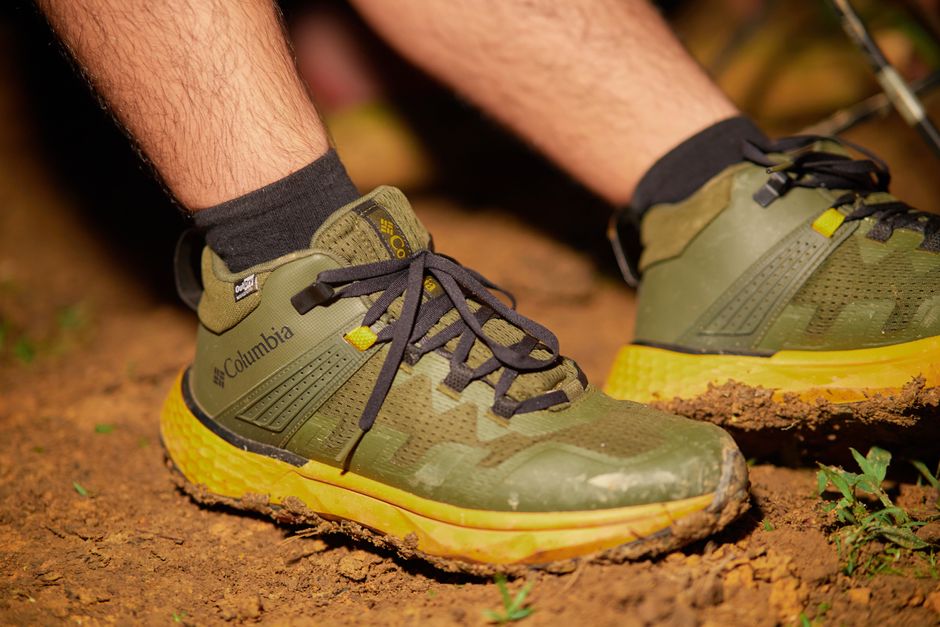
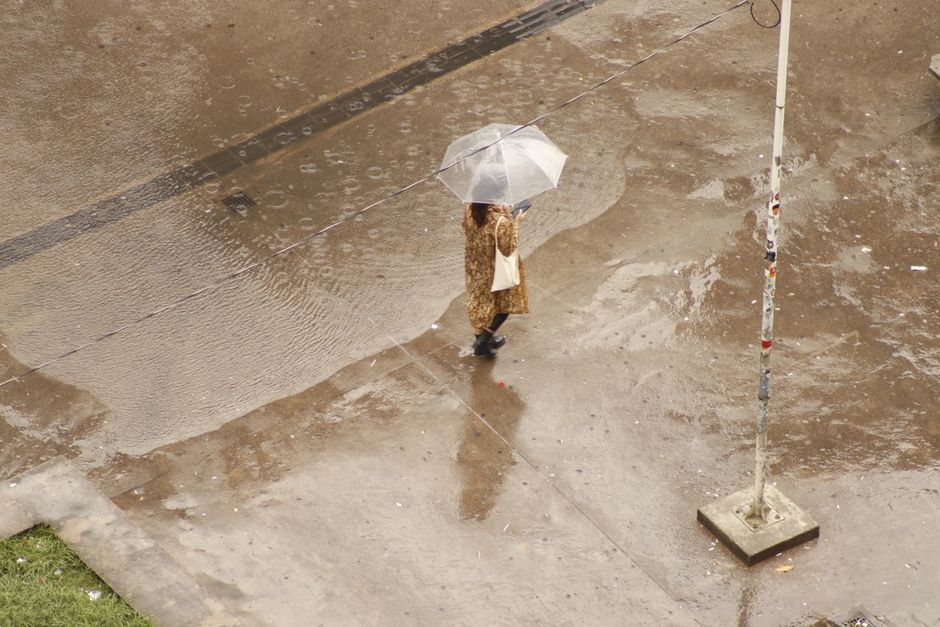
Image Caption: A commuter navigating a wet city street, showcasing the importance of comfortable and waterproof footwear.
Mastering the Art of Choosing Comfortable Waterproof Shoes
Finding the perfect balance between waterproofing and comfort isn’t just luck; it’s about making informed choices. Here’s how to avoid common pitfalls and select footwear that supports you, rain or shine:
1. Prioritize a Proper Fit, Always
This is arguably the most critical factor. A shoe that doesn’t fit correctly, even if it’s perfectly waterproof, will cause discomfort. Look for a snug heel that doesn’t slip, a comfortable instep, and ample room in the toe box for your toes to wiggle freely. Your longest toe should have about half an inch (or a thumb’s width) of space between it and the shoe’s end. Always try shoes on at the end of the day when your feet are slightly swollen, and wear the type of socks you’ll typically use for commuting.
2. Understand Waterproofing Technologies
Not all ‘waterproof’ claims are equal. Look for shoes with integrated waterproof membranes like Gore-Tex, eVent, or proprietary brand technologies. These membranes allow perspiration to escape while blocking external water, offering breathability. Avoid shoes that are merely water-resistant or treated with a spray, as these often fail in persistent rain or puddles.
Summer Sandals That Support Long Walks: A Simple Comparison and Buyer FAQ
3. Evaluate Sole and Arch Support
For walking long distances, a supportive sole is crucial. Look for good arch support that matches your foot’s natural curve. The sole should also provide adequate cushioning to absorb impact, especially on hard surfaces like concrete in New York or the varied pavements of Berlin. A flexible forefoot is important for a natural gait, while a stiffer midfoot can provide stability.
4. Consider Breathability and Materials
Even waterproof shoes can feel clammy if they don’t breathe. Materials like full-grain leather, treated synthetics, and mesh with waterproof membranes offer the best combination of water resistance and breathability. Avoid non-breathable rubber boots for long commutes unless absolutely necessary, as they can lead to sweaty feet and fungal issues.
5. Test for Traction
Rainy conditions often mean slippery surfaces. Examine the outsole for good tread patterns designed for wet grip. Deep lugs and specialized rubber compounds can provide better traction on slick sidewalks, wet leaves, and even icy patches, a common concern during European winters.
6. Mind the Weight
Lighter shoes generally mean less fatigue over long distances. While durability is important, excessively heavy boots can make a commute feel like a marathon. Seek out durable yet lightweight constructions that won’t drag you down.
7. Style and Practicality
While comfort and waterproofing are paramount, you also want a shoe that fits your personal style and professional needs. Many brands now offer sleek, stylish waterproof options that don’t scream ‘hiking boot,’ making them suitable for office environments in cities like Paris or Milan.
Comparing Popular Waterproof Footwear Options
When it comes to comfortable footwear for rainy commutes, there are several categories, each with pros and cons.
| Footwear Type | Pros | Cons | Best For |
|---|---|---|---|
| Waterproof Boots (e.g., Chelsea, Ankle) | Excellent waterproofing, good support, often stylish, durable. | Can be heavier, less breathable than shoes, some styles bulky. | Heavy rain, colder climates, formal/business casual commutes in cities like London. |
| Waterproof Sneakers/Walking Shoes | Lightweight, very comfortable, excellent for walking, breathable. | Waterproofing can be less solid than boots, may not handle deep puddles. | Light to moderate rain, long walking commutes, active jobs in cities like Berlin or Chicago. |
| Waterproof Dress Shoes | Professional appearance, good for office settings. | Limited options, can be less comfortable for extended walking, higher price point. | Business travel, formal work environments in cities like New York. |
| Duck Boots / Hybrid Boots | Excellent water protection, durable, often warm. | Heavier, less flexible, often casual aesthetic. | Very heavy rain, snow, slush; mixed urban/rural commutes. |
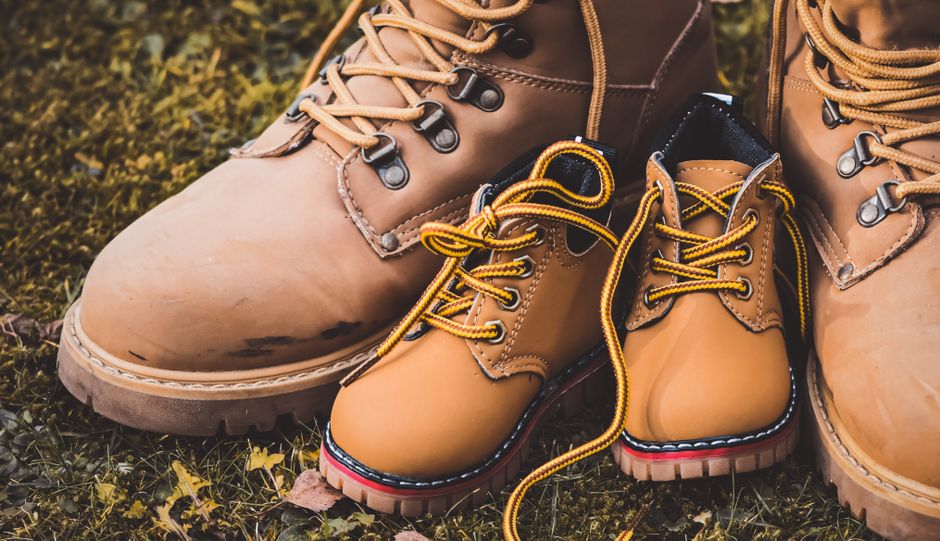
Image Caption: A close-up of different waterproof shoe materials, illustrating the variety of textures and finishes available.
Common Mistakes That Cause Pain (And How to Avoid Them)
Choosing comfortable footwear, waterproof shoes for rainy commutes often comes down to avoiding some fundamental errors:
Mistake 1: Prioritizing Style Over Substance
It’s tempting to grab the trendiest pair, but if they lack proper waterproofing or support, you’ll regret it. Many brands now offer stylish options with high-tech membranes. Do your research and read reviews to ensure a shoe delivers both form and function.
Mistake 2: Assuming ‘Water-Resistant’ Means ‘Waterproof’
These terms are not interchangeable. Water-resistant shoes can handle a light drizzle but will quickly soak through in heavy rain or puddles. Always look for explicit ‘waterproof’ claims and investigate the specific technology used.
Mistake 3: Neglecting Break-In Time
Even the most comfortable shoes need a little time to mold to your feet. Don’t wear a brand new pair for a marathon commute on a rainy Monday. Wear them around the house or for short errands first to prevent blisters and discomfort.
Mistake 4: Ignoring the Socks
Your socks play a crucial role in comfort and moisture management. Opt for moisture-wicking materials like merino wool or synthetic blends. Cotton socks absorb and hold moisture, which can lead to chafing, blisters, and cold feet, even inside waterproof shoes.
Mistake 5: Poor Maintenance
Even the best waterproof shoes need care. Clean them regularly and re-treat them with appropriate waterproofing sprays or creams if recommended by the manufacturer. Dirt and grime can compromise waterproofing membranes and reduce breathability.
FAQ: Your Questions About Comfortable Waterproof Footwear Answered
What makes a shoe truly waterproof versus merely water-resistant?
Truly waterproof shoes feature an integrated membrane (like Gore-Tex) that creates a complete barrier against water while still allowing vapor from your feet to escape. Water-resistant shoes typically have a surface treatment or material that repels light moisture but will eventually soak through in continuous rain or puddles, offering less protection.
How important is breathability in waterproof shoes for daily wear?
Breathability is highly important for daily wear, especially on long commutes. Without it, your feet can sweat excessively, leading to dampness, discomfort, and a breeding ground for bacteria, even if rain isn’t getting in. A breathable waterproof membrane ensures your feet stay dry from both external and internal moisture.
Can I use waterproof spray to make my regular shoes suitable for rain?
While waterproof sprays can add a degree of water resistance to regular shoes, they won’t make them truly waterproof, especially for sustained exposure to rain or puddles. Sprays primarily protect the outer material and don’t provide the internal membrane barrier necessary for complete protection against significant moisture.
What’s the best way to clean and maintain my waterproof shoes?
Clean waterproof shoes by wiping them down with a damp cloth to remove dirt and mud. For deeper cleaning, use a mild soap and water solution, then rinse thoroughly. Allow them to air dry naturally, away from direct heat. Reapply a suitable waterproofing treatment periodically to maintain the outer material’s water repellency, following the manufacturer’s instructions.
Are there specific brands known for comfortable waterproof walking shoes?
Yes, many brands specialize in comfortable waterproof walking shoes. Brands like Ecco, Clarks, Merrell, Columbia, and The North Face are well-regarded for their integration of waterproof technologies (often Gore-Tex) with ergonomic designs and supportive soles suitable for urban commuting and extended walking.
Choosing the right comfortable footwear, waterproof shoes for rainy commutes doesn’t have to be a painful ordeal. By focusing on fit, understanding waterproofing technologies, and avoiding common mistakes, you can ensure your feet stay dry, comfortable, and happy, no matter the weather. For more detailed guides and recommendations, explore more footwear guides on AtTheFashion.




Leave feedback about this