

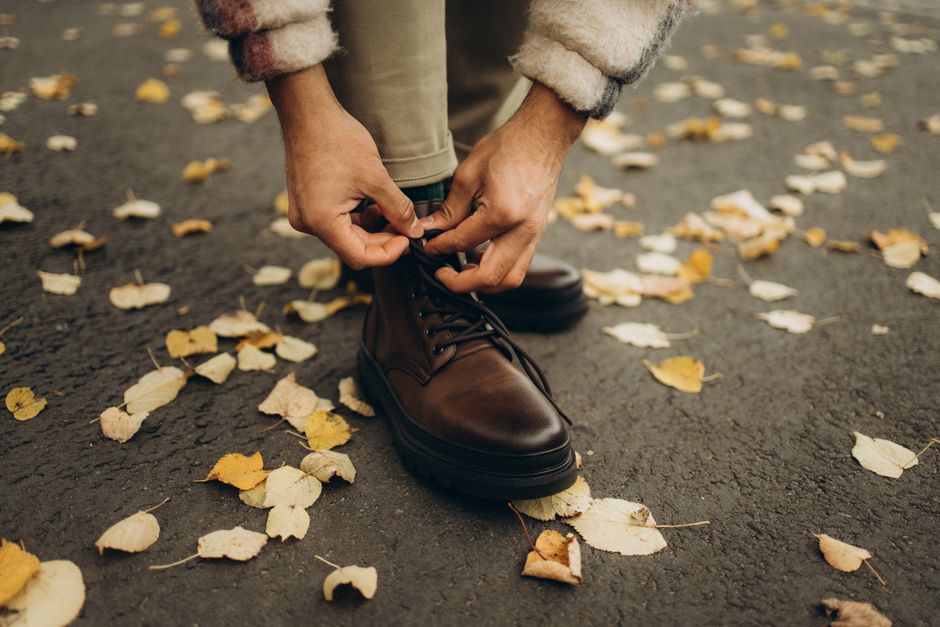
For men seeking comfortable office shoes, the key lies in selecting footwear that prioritizes quality construction, supportive insoles, and appropriate materials like full-grain leather or high-grade suede, coupled with ergonomic design. Brands renowned for comfort often incorporate features like cushioned footbeds, arch support, and lightweight outsoles. Styles such as derbies, loafers, and even certain dress sneakers can be excellent choices, provided they align with your workplace’s dress code. When making a selection, consider the fit critically, ensuring ample toe room and no pressure points, to guarantee all-day comfort without sacrificing a polished professional appearance.
There’s a common misconception, particularly in the professional world, that looking sharp necessitates a certain level of discomfort. For years, the unspoken rule of the office dictated stiff dress shoes, often pinching and rubbing, as the badge of seriousness. But for anyone who has navigated the cobbled streets of Paris, stood through a long presentation in London, or walked blocks in New York City between meetings, the idea of sacrificing comfort for style quickly loses its appeal.
The reality is, modern menswear has evolved significantly. Today, men’s fashion advice increasingly emphasizes functionality alongside aesthetics. This shift is particularly evident when it comes to footwear. The pursuit of comfortable office shoes for men is no longer a niche concern for a few; it’s a mainstream priority for professionals across industries and continents, from Berlin’s tech hubs to Milan’s design studios.
Building a useful wardrobe without overspending is about making smart, foundational choices. And few choices are as impactful as your everyday shoes. They dictate your comfort, your confidence, and subtly, your overall presentation. This guide aims to cut through the noise, offering practical, experience-backed advice on selecting footwear that serves both your professional image and your feet, all day long.
The Evolving Professional Footwear Landscape
The traditional lines of office attire have blurred considerably. While a full bespoke suit and polished oxfords remain the standard in some very formal environments, many offices, even in historically buttoned-up sectors, have embraced a more relaxed, ‘smart casual’ approach. This evolution has opened the door for a wider array of comfortable office shoes for men, allowing for more personal expression without compromising professionalism.
This shift isn’t just about fashion; it’s also about productivity and well-being. Uncomfortable shoes can lead to distraction, fatigue, and even long-term foot health issues. Employers and employees alike recognize the value of comfort, leading to a greater acceptance of styles that were once considered too informal. This means you can now find stylish options that genuinely support your feet through a demanding workday, whether you’re commuting across London or attending conferences in Frankfurt.
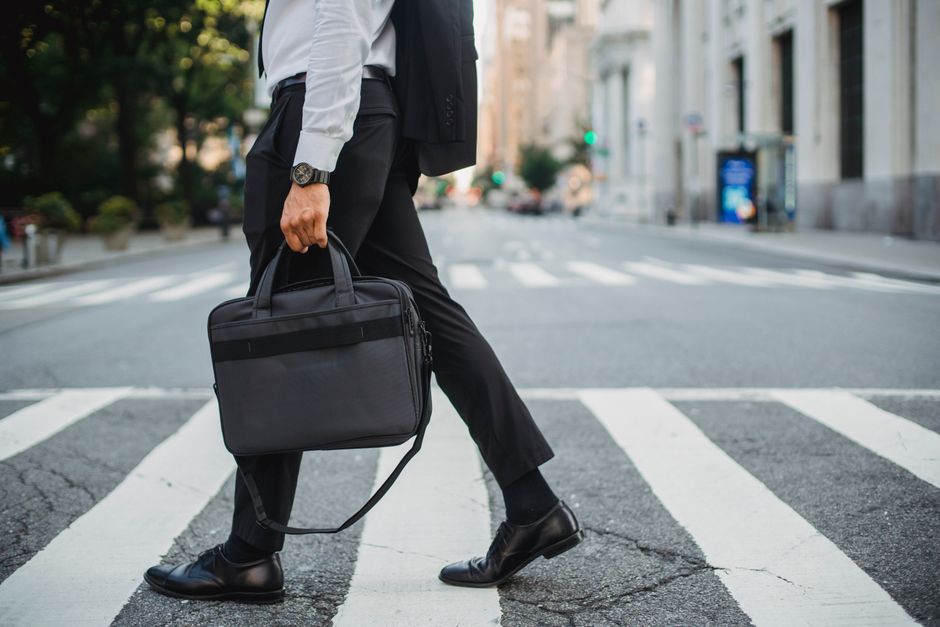
Mastering Men’s Fashion Advice: Choosing Comfortable Office Shoes
When it comes to selecting comfortable office shoes for men, the devil is in the details. It’s not just about a label; it’s about construction, materials, and fit. Here’s a breakdown of what to look for:
1. Prioritize Quality Materials
Forget synthetic leathers. Invest in full-grain leather or high-quality suede. These materials breathe better, mold to your feet over time, and offer superior durability. For those interested in sustainable fashion, look for brands committed to ethical sourcing and tanning processes. Some brands are even experimenting with innovative sustainable fabrics derived from plant-based sources, offering both comfort and eco-consciousness.
Men’s Travel Clothes for Europe and the US: Realistic Outfits on a Budget
2. Focus on Construction Methods
Goodyear welting, Blake stitching, or cemented construction each offer different benefits. Goodyear welting, though more expensive, allows for resoling and offers excellent water resistance, making it a great long-term investment. Blake stitching provides a more flexible, lighter shoe. For maximum comfort, look for shoes with a soft, padded lining and a supportive shank.
3. The Importance of the Insole and Outsole
A cushioned insole, often made from cork, memory foam, or proprietary gel, can make a world of difference for all-day wear. The outsole should offer good grip and shock absorption. Rubber or composite outsoles are generally more comfortable and less slippery than traditional leather soles, especially on city pavements.
4. Fit is Non-Negotiable
Always try on shoes at the end of the day when your feet are slightly swollen. Ensure there’s enough room in the toe box for your toes to wiggle, and that the heel doesn’t slip excessively. A common mistake is buying shoes that are too tight, hoping they’ll ‘break in.’ While leather will stretch, pain points are rarely resolved by simply wearing them more.
5. Understanding Style Versatility: Capsule Wardrobe Essentials
For a capsule wardrobe approach, choose styles that can transition easily. A classic brown or black leather derby or loafer can work with everything from a full suit to smart casual chinos. Consider shades like oxblood or dark tan for added versatility, especially useful in regions like Italy or Spain where color often plays a more prominent role in menswear.
6. Embrace Dress Sneakers (Where Appropriate)
The rise of the ‘dress sneaker’ offers unparalleled comfort. These are not your gym shoes; they are minimalist, high-quality leather sneakers, often in monochromatic tones. They pair exceptionally well with chinos, tailored trousers, and even some relaxed suits, making them a fantastic option for modern offices in places like Berlin or the creative agencies of New York.
Comparing Comfortable Office Shoe Styles for Men
Here’s a quick overview of popular styles and their suitability for comfort and office wear:
| Style | Comfort Level | Formality | Best For |
|---|---|---|---|
| Derby Shoes | High (flexible lacing) | Business Casual to Formal | Most office environments, versatile |
| Loafers (Penny, Tassel) | Very High (slip-on) | Smart Casual to Business Casual | Relaxed professional settings, travel |
| Monk Straps (Single, Double) | Medium (buckle adjust) | Business Casual to Formal | Stylish, less common than Derbies/Oxfords |
| Chukka Boots (Suede) | High (ankle support) | Smart Casual | Creative offices, colder climates |
| Dress Sneakers | Excellent (athletic cushioning) | Smart Casual | Modern offices, tech companies |
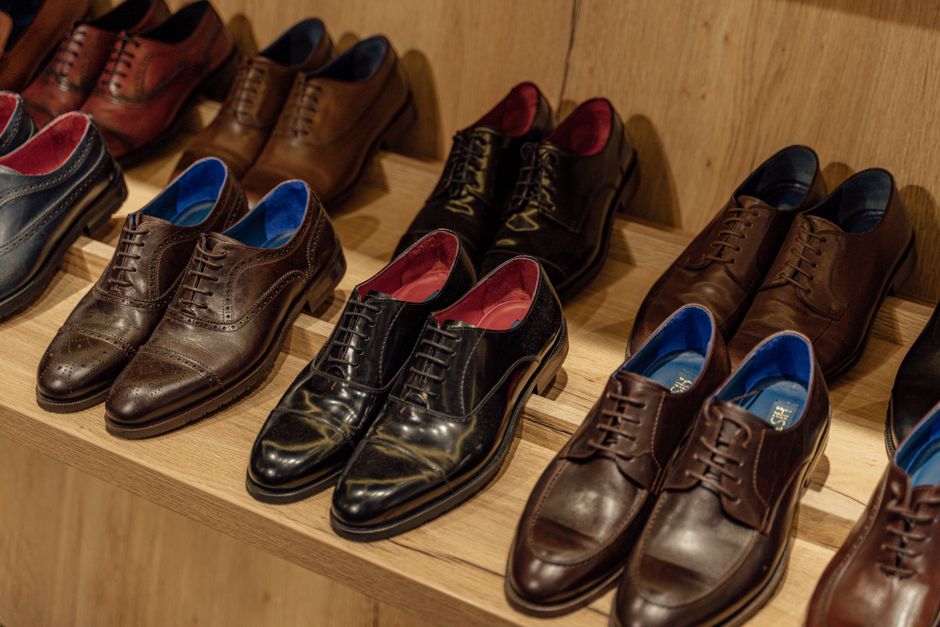
Common Mistakes to Avoid When Buying Office Shoes
Even with the best intentions, it’s easy to stumble when investing in comfortable office shoes for men. Being aware of these pitfalls can save you money and discomfort.
One of the biggest mistakes is assuming that ‘dress shoes’ automatically equate to discomfort. Many high-quality brands specialize in creating genuinely comfortable dress shoes using advanced lasts, cushioning, and flexible soles. It’s about discerning quality and construction, not just rejecting an entire category.
How to Choose Men’s Jeans Online: A Practical Buying Checklist
Another common misstep is buying solely based on price. While everyone appreciates a bargain, extremely cheap footwear often means inferior materials and construction, leading to rapid wear and tear and, crucially, poor comfort. Over time, you’ll spend more replacing them or suffer the consequences of bad shoes.
Ignoring your specific foot needs is also detrimental. If you have flat arches, wide feet, or require orthotics, generic shoes won’t cut it. Seek out brands that offer various widths or shoes with removable insoles that can accommodate custom orthotics. Consulting with a podiatrist can provide invaluable insights into your foot type and recommend specific features to look for.
Finally, neglecting maintenance shortens the life and comfort of even the best shoes. Regular cleaning, conditioning, and proper storage (using shoe trees!) will preserve the leather, maintain the shoe’s shape, and prevent premature cracking or breakdown of internal components. This is especially true for premium leather and suede, which, with proper care, can last for many years.
FAQ: Answering Your Top Questions About Comfortable Office Shoes for Men
How can men build a useful wardrobe without overspending?
Building a useful wardrobe without overspending involves prioritizing versatility, quality over quantity, and timeless pieces. Focus on menswear essentials like classic shirts, well-fitting trousers, and a versatile blazer. Invest in comfortable, multi-purpose shoes that work across different dress codes. This strategic approach ensures every item serves multiple functions, reducing the need for excessive purchases and making your money go further.
What are the most comfortable dress shoes for standing all day?
For standing all day, look for dress shoes with cushioned insoles, arch support, and shock-absorbing outsoles, typically made from rubber or EVA. Styles like derbies or bluchers often offer more flexibility than oxfords. Brands specializing in comfort, often found in countries with long walking traditions like Germany or the UK, frequently incorporate ergonomic designs specifically for extended wear.
Can I wear sneakers to a business casual office?
Yes, ‘dress sneakers’ are increasingly acceptable in business casual offices. These are typically minimalist, high-quality leather or suede sneakers in neutral colors, without excessive branding or athletic styling. Pair them with chinos, tailored trousers, or a casual suit for a contemporary, comfortable look. Always check your specific office’s dress code to ensure they fit within acceptable parameters.
Are loafers considered comfortable office shoes?
Loafers are generally considered very comfortable office shoes due to their slip-on design and often more relaxed fit. Penny loafers and tassel loafers, made from quality leather or suede, offer a smart casual to business casual aesthetic. They provide ease of wear and often feature flexible soles, making them a popular choice for professionals seeking all-day comfort, particularly in warmer climates or less formal settings.
How do I choose the right size for maximum comfort?
To choose the right size for maximum comfort, measure your feet regularly, as size can change over time. Try shoes on at the end of the day when your feet are at their largest. Ensure there’s about a thumb’s width of space between your longest toe and the end of the shoe. The ball of your foot should sit comfortably at the widest part of the shoe, and your heel should feel snug without slipping excessively.
What materials offer the best comfort and durability for office shoes?
Full-grain leather and high-quality suede are typically the best materials for comfort and durability in office shoes. They are breathable, conform to the foot over time, and can last for years with proper care. Look for soft, natural linings (like calfskin) for added interior comfort. For outsoles, rubber or composite materials provide superior shock absorption and grip compared to traditional leather.
Ultimately, investing in comfortable office shoes for men is an investment in your well-being and professional image. By making informed choices about materials, construction, and fit, you can build a versatile and comfortable menswear essentials collection that serves you well, day in and day out, whether you’re working from your home office or navigating a bustling city like Paris. For more men’s fashion advice and comprehensive guides, explore more men’s guides on AtTheFashion.





Leave feedback about this