


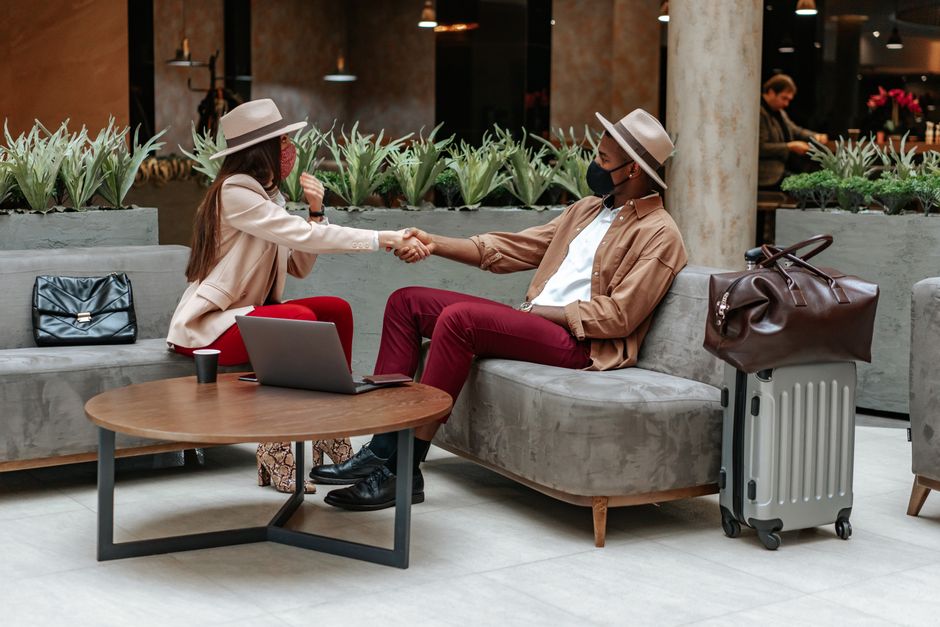
Men can build a useful travel wardrobe without overspending by prioritizing versatile, well-fitting pieces that can be mixed and matched for various occasions and climates. Focus on durable, comfortable fabrics that resist wrinkles and offer breathability. A smart capsule wardrobe should include items like dark wash jeans, tailored chinos, versatile button-down shirts, a comfortable blazer, and adaptable outerwear. Investing in quality basics ensures longevity and reduces the need for frequent replacements, saving money in the long run while maintaining a polished appearance, whether you’re navigating New York or enjoying the cafes of Paris.
When planning a trip, the last thing you want is a suitcase full of clothes that don’t quite work, leaving you feeling underdressed, uncomfortable, or simply out of place. This is especially true when traveling between continents, where the vibe can shift dramatically from a bustling New York skyscraper to a historic Roman piazza. The key to successful packing lies in understanding the synergy between fit, comfort, and style.
For men seeking effective men’s fashion advice, selecting men’s travel clothes for Europe and the US means creating a cohesive collection that serves multiple purposes. You need garments that transition effortlessly from a formal dinner in Milan to a relaxed afternoon in Berlin, all while keeping you comfortable and looking sharp. It’s about smart choices, not an endless wardrobe.
A common mistake is packing too many single-purpose items. Instead, think about versatility. Can those chinos work with a polo for sightseeing and with a button-down shirt and blazer for an evening out? Can that lightweight merino wool sweater keep you warm on a chilly London morning and also layer neatly under a jacket in Paris? With the right strategy, you can pack less, look better, and feel more confident on any journey.
The Foundation: Understanding Fit and Fabric for the Modern Traveler
Before discussing specific items, let’s address the two non-negotiables: fit and fabric. These elements dictate both your comfort and how polished your outfit appears, regardless of price point.
The Importance of a Proper Fit
Ill-fitting clothes betray even the most expensive brands. In Europe, especially in cities like Milan or Paris, a more tailored silhouette is often appreciated. For most men, this means avoiding overly baggy or excessively tight garments. Look for:
- Shoulders: Jacket and shirt seams should align precisely with your natural shoulder line.
- Sleeves: Shirt cuffs should meet the base of your thumb, and jacket sleeves should expose about half an inch of shirt cuff.
- Pants: Trousers should sit comfortably at your waist, and the hem should have a slight break (a single fold) over your shoe, or no break at all for a contemporary look, especially with narrower leg openings.
- Torso: Shirts and jackets should skim your body without pulling or restricting movement.
A well-fitting wardrobe, even if smaller, will always look more sophisticated than a large collection of poorly fitted items. When buying new clothes specifically for travel, consider visiting a tailor if off-the-rack items don’t quite hit the mark. This small investment pays dividends in appearance and confidence.
Fabric Choices: Comfort Meets Practicality
The right fabric can make or break your travel experience. Look for materials that offer:
Mastering Men’s Winter Layering for Cold Cities: Fit, Comfort, and Style Explained
- Wrinkle Resistance: Critical for packing. Blends with synthetics (like polyester or nylon) can offer this, as can natural fibers like merino wool or Tencel.
- Breathability: Essential for comfort in varying climates. Cotton, linen, and merino wool excel here.
- Durability: Travel puts clothes through their paces. High-quality natural fibers and blends will withstand repeated wear and washing.
- Quick-Drying: Useful for hand-washing on the go, or just dealing with unexpected rain. Many performance fabrics offer this.
Sustainable fabrics are also an increasingly popular and responsible choice. Brands are now offering excellent options in organic cotton, recycled polyester, Tencel (lyocell), and hemp, which often come with natural performance benefits like moisture-wicking and odor resistance. This aligns with a growing interest in sustainable fashion, ensuring your choices are both stylish and environmentally conscious.
Building a Versatile Capsule Wardrobe: Men’s Fashion Advice for Any Destination
The core of smart travel packing, especially for men’s travel clothes for Europe and the US, is the capsule wardrobe. This approach focuses on a limited number of interchangeable items that create numerous outfits.
The Essential Bottoms
Aim for 2-3 pairs of versatile trousers:
- Dark Wash Jeans: Indispensable. They can be dressed up with a blazer and dress shirt for an evening out in London or Berlin, or down with a t-shirt for sightseeing in New York. Choose a slim or straight fit.
- Tailored Chinos: A go-to for smart casual. Khaki, olive green, or navy are excellent choices. They bridge the gap between jeans and dressier trousers, perfect for restaurant meals or museum visits.
- Lightweight Trousers (Optional): If traveling in warmer climates like Southern Italy or parts of the US in summer, a pair of lightweight linen or cotton blend trousers can be a lifesaver.
Upper Body Staples: Shirts and Layers
Variety here is key to adapting to different temperatures and occasions:
- Button-Down Shirts (3-4): Pack a mix of solid colors (white, light blue) and subtle patterns (gingham, fine stripe). Oxford cloth for a slightly more casual look, or a fine poplin for something dressier. These work under a blazer or worn casually with sleeves rolled up.
- T-Shirts (3-4): Opt for high-quality, solid colored crew or V-neck tees in neutral tones (white, grey, black, navy). These are foundational for layering or casual wear. Avoid graphic tees for a more sophisticated look.
- Polo Shirts (1-2): A step up from a t-shirt, ideal for a smart casual look.
- Sweater or Cardigan (1-2): Merino wool is fantastic – lightweight, warm, breathable, and odor-resistant. A crew neck or V-neck sweater, or a versatile cardigan, can add warmth and polish.
Outerwear: Adaptability is Key
Your choice of outerwear is crucial for battling unpredictable weather across different regions.
- Unstructured Blazer: The ultimate travel companion. A navy or charcoal grey wool or cotton blend blazer instantly elevates jeans or chinos. It’s lighter and more comfortable than a traditional suit jacket but still provides a smart profile. Perfect for dinner in Paris or a casual business meeting.
- Lightweight Jacket: A stylish option for transitional weather. A bomber jacket, a field jacket, or a simple Harrington jacket in a neutral color (navy, olive) offers practicality and a fashionable edge without being overly bulky.
- Packable Rain Jacket: Essential, especially for places like London, Dublin, or even coastal areas of the US. Choose one that folds down small and is genuinely waterproof.
Footwear: The Often Overlooked Detail
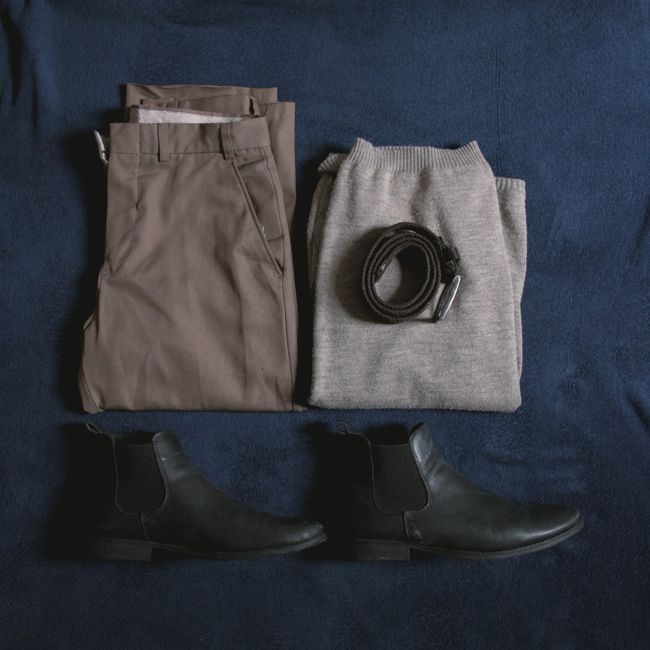
Comfortable, stylish shoes are non-negotiable for travel. You’ll be doing a lot of walking, whether exploring the historic centers of Rome and Berlin or navigating the vast urban sprawl of New York. Aim for 2-3 pairs:
- Comfortable Sneakers: A clean, minimalist pair of leather or high-quality canvas sneakers works with almost anything from jeans to chinos. Think simple white, grey, or dark-colored options.
- Versatile Dress Shoes/Loafers: A pair of leather loafers or chukka boots can improve an outfit for dinner or a more formal event. Ensure they are broken in before your trip. Avoid stiff, brand-new dress shoes.
- Casual Sandals/Slip-ons (Optional): For warmer climates or just relaxing, but these should be reserved for very casual settings.
Accessories and Details: The Finishing Touches
Don’t underestimate the power of accessories to refine your look and add functionality.
- Belt: A single, high-quality leather belt in brown or black that matches your shoes will suffice.
- Socks: Pack a mix of breathable cotton or merino wool socks. Consider some no-show socks for sneakers in warmer weather.
- Scarf: A lightweight scarf can add style and warmth in Europe, especially in cities like Paris or Milan, and can also be useful in air-conditioned environments.
- Watch: A simple, classic watch can be a stylish alternative to constantly checking your phone.
- Bag: A durable and stylish backpack or messenger bag for day trips and carrying essentials. Look for one that blends function with a clean aesthetic.
How to Build a Useful Wardrobe Without Overspending
This is where smart shopping and strategic planning come into play when considering men’s fashion advice for travel. You don’t need to break the bank to look good and be comfortable.
First Impressions Count: Men’s Outfits for First Dates and Dinners
- Invest in Key Pieces: Prioritize quality for items that get the most wear, like your blazer, dark wash jeans, and versatile shoes. These will last longer and look better.
- Shop Sales: Timing your purchases around seasonal sales can yield significant savings on higher-quality items.
- Mix and Match: Ensure every item you pack can be worn with at least three other items. This maximizes outfit combinations with fewer pieces.
- Consider Secondhand: High-end blazers, sweaters, and even good quality shirts can often be found in excellent condition at consignment shops or online marketplaces, offering luxury at a fraction of the cost.
- Focus on Neutrals: Stick to a core palette of navy, grey, black, white, and tan. This makes mixing and matching effortless and allows you to introduce pops of color with accessories if desired.
By adopting this mindset, you create a functional and stylish travel wardrobe that feels curated, not chaotic. Whether you’re navigating the sleek streets of Milan or the vibrant energy of New York, your clothes will be an asset, not an afterthought.
FAQ: Men’s Travel Clothing
What is a good strategy for packing for different climates on one trip?
When packing men’s travel clothes for Europe and the US, layering is crucial for diverse climates. Start with moisture-wicking base layers, add versatile mid-layers like merino wool sweaters or button-down shirts, and finish with adaptable outerwear such as a packable rain jacket or an unstructured blazer. This allows you to adjust your outfit as temperatures and weather conditions change throughout your journey.
Are jeans appropriate for all European cities?
Dark wash, well-fitting jeans are widely accepted in most European cities for casual daytime activities and even some evening outings. However, for finer dining, upscale events, or more traditional settings in cities like Paris or Milan, tailored trousers or chinos would be a more appropriate and respectful choice. Avoid distressed or overly casual denim.
How many pairs of shoes should I pack for a two-week trip?
For a two-week trip, two to three pairs of shoes are ideal for men’s travel. This typically includes a comfortable, versatile pair of sneakers for extensive walking, a smart casual option like loafers or chukka boots for evenings and dressier occasions, and possibly a lighter pair of sandals if traveling to a warm destination. This selection provides versatility without overpacking.
What fabrics are best for resisting wrinkles when traveling?
Merino wool is excellent for wrinkle resistance and also offers breathability and odor resistance, making it ideal for sweaters and t-shirts. Blends with synthetic fibers like polyester or nylon are also highly effective for shirts and trousers. Cotton twill, while comfortable, can wrinkle more, so opt for blends or carefully pack cotton items. Tencel and hemp are also good options.
How do I maintain style while prioritizing comfort on long travel days?
Prioritize comfort on long travel days by wearing soft, breathable fabrics like merino wool or high-quality cotton blends. Opt for relaxed yet tailored fits to avoid constriction. Layering allows you to adapt to temperature changes without sacrificing style. A dark, well-fitting jogger or performance chino paired with a clean t-shirt and a light bomber jacket offers both comfort and a polished look.
Can I wear shorts in European cities?
While acceptable in warmer, more casual settings or coastal areas of Southern Europe, shorts are generally less common for men in major European city centers, especially in Northern Europe or during evenings. For a more stylish and respectful approach in cities like Rome or Berlin, opt for lightweight linen or cotton blend trousers or tailored chinos instead, particularly for sightseeing at religious sites or dining.
Your Journey, Your Style
Navigating the world of men’s travel clothes for Europe and the US doesn’t have to be a chore. By focusing on fit, comfort, and timeless style, you can assemble a versatile wardrobe that prepares you for any destination, from the historic streets of London to the dynamic energy of New York. Remember, confidence comes from feeling good in what you wear, and smart packing ensures you look your best without the stress of overthinking. Explore more men’s guides on AtTheFashion to refine your style further.





Leave feedback about this