

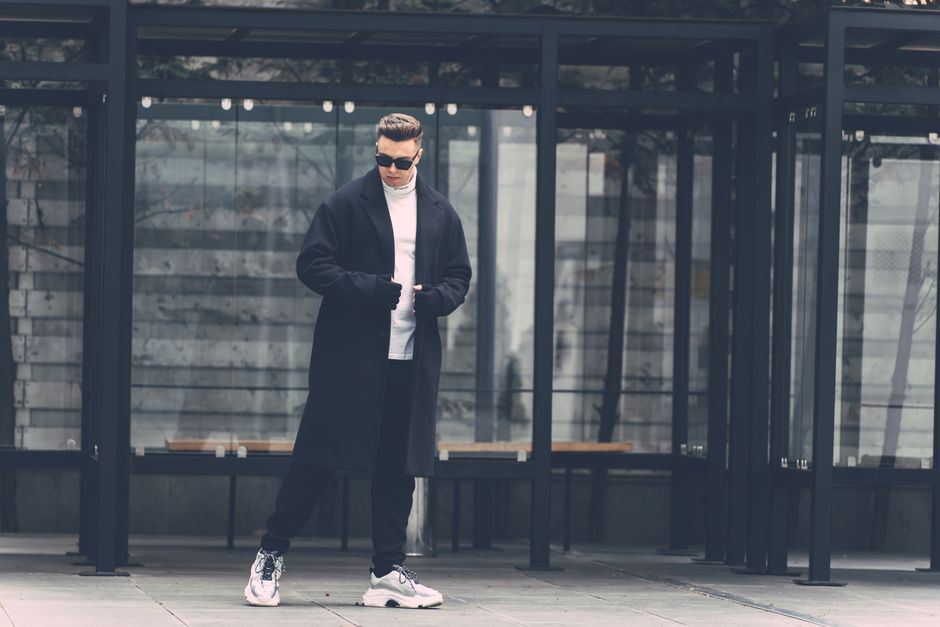
Men can build a useful winter wardrobe without overspending by focusing on versatile, quality foundational pieces that can be layered effectively. This involves investing in smart base layers for moisture-wicking, insulating mid-layers for warmth, and protective outer layers against wind and rain. Prioritizing durable materials and classic styles ensures longevity and adaptability across various outfits and temperatures encountered in cold cities like New York, London, or Berlin. A strategic approach to men’s winter layering for cold cities means fewer, better items that serve multiple purposes, reducing the need for constant wardrobe updates.
When the chill bites in places like New York, London, or Berlin, knowing how to dress isn’t just about style; it’s about comfort and practicality. For men navigating the often-brutal winters of major urban centers, a smart approach to layering is non-negotiable. It’s the difference between shivering through your commute and confidently tackling the day, regardless of the forecast.
This isn’t about buying a new wardrobe every season. Instead, it’s about making intelligent, informed choices that build a solid, versatile capsule wardrobe capable of handling anything from a crisp Milan morning to a blustery Parisian evening. We’ll explore the essentials, offering practical men’s fashion advice that prioritizes function without sacrificing form.

The Philosophy Behind Effective Winter Layering
Successful men’s winter layering for cold cities revolves around three core principles: insulation, moisture management, and protection. Each layer serves a distinct purpose, working in concert to keep you warm, dry, and comfortable as you move between indoor heating and outdoor elements. Thinking of your wardrobe as a system, rather than a collection of individual items, is key.
Base Layers: The Foundation of Warmth
Your base layer is the first line of defense against the cold and your body’s own moisture. It sits directly against your skin, so comfort and performance are paramount. For most men, a good base layer will be made from either merino wool or synthetic fabrics.
- Merino Wool: Naturally wicking, breathable, and odor-resistant. It’s excellent for regulating body temperature, keeping you warm when it’s cold and cool when you heat up. Ideal for a full day out in places like London or Berlin where temperatures can fluctuate. Look for varying weights (150-250 gsm); lighter weights are great for active days, heavier for extreme cold.
- Synthetics (Polyester Blends): Often more budget-friendly and quick-drying. While they might not offer the same natural odor resistance as merino, modern synthetics are highly effective at wicking moisture away, crucial for staying dry if you’re commuting on the subway in New York or walking through Milan.
Buying Checklist Tip: Focus on fit – it should be snug but not restrictive. Avoid cotton base layers; once wet, cotton loses its insulating properties and stays wet, making you colder.
Mid-Layers: Building the Insulation
The mid-layer is where you stack up the warmth. This layer traps air, providing insulation, and is often the most visible part of your indoor outfit. Versatility is key here, as you’ll often shed your outer layer when indoors.
Sweaters and Cardigans: Smart Casual Staples
For a smart casual aesthetic suitable for offices in Paris or professional meetings in London, sweaters and cardigans are indispensable. They offer varying degrees of warmth and can easily be dressed up or down.
Stylish and Sustainable: Discover the Latest Male Collection on Official-Benetton
- Wool (Lambswool, Cashmere, Merino): Excellent insulators. Lambswool is durable and affordable, while cashmere offers supreme softness and warmth without bulk. Fine merino wool sweaters are a fantastic all-rounder, pairing well with shirts or worn over a T-shirt.
- Fleece: While more casual, a well-fitting microfleece can be an incredibly effective mid-layer, especially for weekend activities or very cold days.
- Cardigans: Offer flexibility; you can unbutton them indoors to regulate temperature without removing the entire layer. A chunky knit cardigan can be almost a light outer layer on milder days.
Buying Checklist Tip: Invest in classic colors like charcoal, navy, and grey for maximum versatility. These will integrate smoothly into almost any men’s fashion ensemble.
Blazers and Jackets: The Transition Piece
A sport coat or blazer can double as an excellent mid-layer, especially in a professional setting. They add a layer of warmth and structure, making your outfit look more polished.
- Wool or Tweed Blazers: Provide considerable warmth and are inherently stylish. Perfect for transitioning from a chilly outdoor walk to an indoor meeting.
- Quilted Vests/Jackets: Offer core warmth without bulky sleeves, ideal for layering under a heavier coat.
Outer Layers: The Shield Against the Elements
This is your primary defense against wind, rain, and snow. For men’s winter layering for cold cities, your outer layer needs to be solid and weather-resistant, while still looking sharp enough for urban life.
The Essential Winter Coat
Choose a coat that matches your typical environment and style. For city dwellers, functionality often meets refined aesthetics.
- Parka: For truly frigid climates like a New York winter, a well-insulated, waterproof parka with a hood is invaluable. Look for responsible down or synthetic insulation.
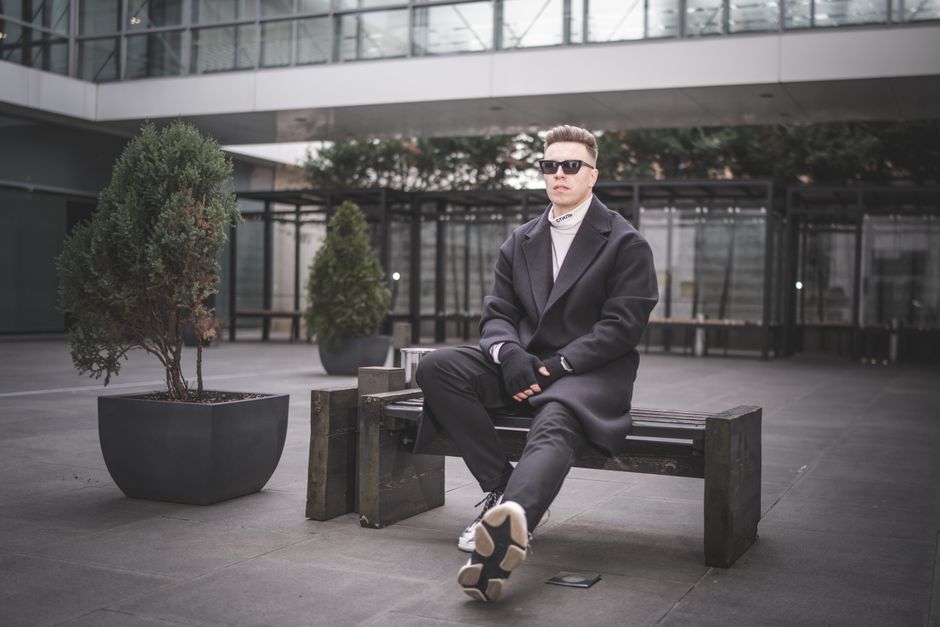
- Wool Overcoat: A classic, timeless choice for a sophisticated look in cities like Paris or Milan. It offers excellent warmth and can be layered over suits or casual wear. Ensure it’s made from a high percentage of wool (at least 70-80%).
- Puffer Jacket: Modern puffer jackets are lightweight, incredibly warm, and surprisingly stylish. Many are water-resistant and packable, making them great for travel.
- Trench Coat (with removable lining): While not the warmest, a classic trench with a removable insulated lining offers versatility for milder European winters and protection from rain in cities like London.
Buying Checklist Tip: Pay attention to features like adjustable hoods, storm cuffs, and zippered pockets. Consider a coat that’s slightly longer to offer better coverage against the wind.
Accessories: The Finishing Touches and Hidden Warmth
Don’t underestimate the power of good accessories. They seal in warmth where you lose it most: your head, hands, and neck.
Hats, Gloves, and Scarves
- Wool or Cashmere Beanie/Hat: Essential for retaining body heat. A classic knit beanie works for almost any casual outfit.
- Leather Gloves (lined): Stylish and practical for urban environments. Look for thinsulate or cashmere lining for superior warmth.
- Wool or Cashmere Scarf: A long scarf provides significant warmth and can add a pop of color or texture to an otherwise simple outfit. Double it up for extra protection on bitter days.
Footwear: Your Ground Defense
Wet, cold feet are a recipe for misery. Invest in quality winter boots.
- Waterproof Leather Boots: Chelsea boots, lace-up boots, or chukka boots in waterproof leather are ideal. Ensure they have good grip for icy pavements, particularly relevant in places like Berlin or New York.
- Wool Socks: Merino wool socks are a practical advantage. They wick moisture, prevent odors, and provide incredible warmth without making your feet sweaty.
Buying Checklist Tip: Ensure your boots are adequately insulated and have good tread. Your feet will thank you after a long day exploring Paris or commuting in Frankfurt.
The Ultimate Guide to Choosing the Perfect Woman Bag: Top Tips and Tricks
How to Build a Useful Wardrobe Without Overspending
Building a useful winter wardrobe, especially when focusing on men’s winter layering for cold cities, doesn’t require breaking the bank. The key is strategic investment and understanding what truly constitutes an essential. Start with the foundational pieces that you’ll use daily, then gradually add more specialized items.
Prioritizing Quality and Sustainable Fabrics
When considering sustainable fashion, think long-term. High-quality items made from sustainable fabrics like organic cotton, recycled polyester, or responsibly sourced wool (RWS-certified) might have a higher upfront cost but will last significantly longer, reducing overall expenditure and environmental impact. Brands committed to ethical production often highlight these materials. For instance, a well-made wool overcoat from a reputable brand will serve you for decades, compared to a fast-fashion alternative that might last a season or two. This approach allows you to curate a concise yet effective capsule wardrobe.
Versatility is Your Best Friend
Choose items that can be worn in multiple ways and with various outfits. A navy crew-neck merino sweater, for example, can be dressed up with tailored trousers and a blazer or down with jeans. This maximises your existing wardrobe and reduces the need for excessive purchases. Focus on neutral colors for core pieces, allowing accessories to introduce color or pattern.
FAQ: Common Questions About Men’s Winter Layering
What is the most important layer for staying warm in cold cities?
While all layers are crucial, the outer layer is arguably the most important for overall protection. It shields you from wind, rain, and snow, preventing heat loss from your insulating layers beneath. A high-quality, weather-resistant outer coat is indispensable for navigating urban winters effectively.
How can I avoid looking bulky when layering?
To avoid bulk, focus on slim-fit, thin but warm fabrics. Start with a thin merino wool base layer, followed by a fine-gauge knit sweater or a slim-fit flannel shirt. Choose an outer coat that has a tailored fit, allowing room for layers without appearing oversized. Strategic fabric choices and proper fit are key.
Are cotton shirts acceptable as a base layer for winter?
No, cotton shirts are generally not recommended as a base layer for winter, especially in cold, damp cities. Cotton absorbs moisture (sweat) and retains it, losing its insulating properties and making you feel colder. Opt for merino wool or synthetic moisture-wicking fabrics instead for optimal warmth and comfort.
What’s the best way to choose winter boots for city walking?
For city walking, choose winter boots that are waterproof, insulated, and have excellent traction to prevent slips on wet or icy pavements. Look for durable materials like leather or Gore-Tex. Prioritize comfort and ensure they accommodate thick wool socks without being too tight, which can restrict circulation.
How many winter coats do I really need for a cold climate?
For most men in a cold urban climate, two to three quality winter coats are sufficient. One heavy, highly insulated coat (like a parka) for the coldest days, one versatile wool overcoat for smart casual and formal wear, and perhaps a lighter, water-resistant puffer for transitional weather or active use. This covers all bases efficiently.
Can I use my autumn blazer as a winter mid-layer?
Yes, many autumn blazers, especially those made from wool, tweed, or thicker cotton, can serve as an effective winter mid-layer. They add an extra insulating layer and structure to your outfit. Just ensure it fits comfortably over your base layer and under your heaviest winter coat without feeling restrictive.
Conclusion: Confident Winter Dressing
Mastering men’s winter layering for cold cities isn’t just about accumulating clothes; it’s about building a versatile, practical, and stylish wardrobe that keeps you comfortable no matter how low the temperature drops. By investing wisely in quality pieces, prioritizing functionality, and understanding how each layer works, you can navigate the urban chill with confidence and style, from the bustling streets of New York to the historic avenues of Berlin. For more men’s fashion advice and detailed guides, explore more men’s guides on AtTheFashion.






Leave feedback about this