


For sandals to be truly comfortable for walking all day, they must offer robust arch support, adequate cushioning to absorb impact, and secure, adjustable straps that prevent your foot from sliding around without creating pressure points. A contoured footbed that matches your natural foot shape is crucial, along with a durable, grippy outsole for stability. Breathable materials also prevent friction and heat buildup, which are common discomforts during long periods of wear in warmer weather.
There’s a distinct kind of fatigue that sets in when your summer footwear isn’t up to the task of a day spent on your feet. It’s the kind that goes beyond tired legs and settles deep into your arches, your heels, and even your lower back. Imagine trying to enjoy a stroll through London’s Hyde Park, navigating the bustling streets of New York, or enduring the charming but challenging cobblestones of Rome or Paris with inadequate sandals. Suddenly, the joy of discovery is overshadowed by every painful step.
As an editor who’s reviewed countless footwear options, I’ve seen firsthand how a seemingly small design detail can make or break a sandal’s comfort for long walks. It’s not just about looking good; it’s about genuine support and resilience that allows you to fully experience your surroundings without constant discomfort. This guide is designed to cut through the marketing jargon and focus on the practical features that truly define a comfortable footwear guide for summer sandals that support long walks.
Understanding the Demands of Extended Walking
Walking for extended periods, whether you’re a tourist exploring new cities like Chicago, a commuter in Berlin, or a busy parent in Madrid, places specific demands on your feet and footwear. Unlike short sprints or static standing, long walks require continuous support, impact absorption, and stability. Your feet endure repetitive stress, and poor footwear choices can lead to a host of issues, from blisters and chafing to more serious problems like plantar fasciitis or knee pain.
The ideal summer sandal for these scenarios isn’t merely a lightweight option; it’s a meticulously designed piece of engineering that works with your body’s natural mechanics. It needs to provide a stable foundation, adapt to varying terrains – from smooth pavement to uneven historical paths – and maintain breathability in warm conditions. Prioritizing these elements ensures that your focus remains on your journey, not on your aching feet.
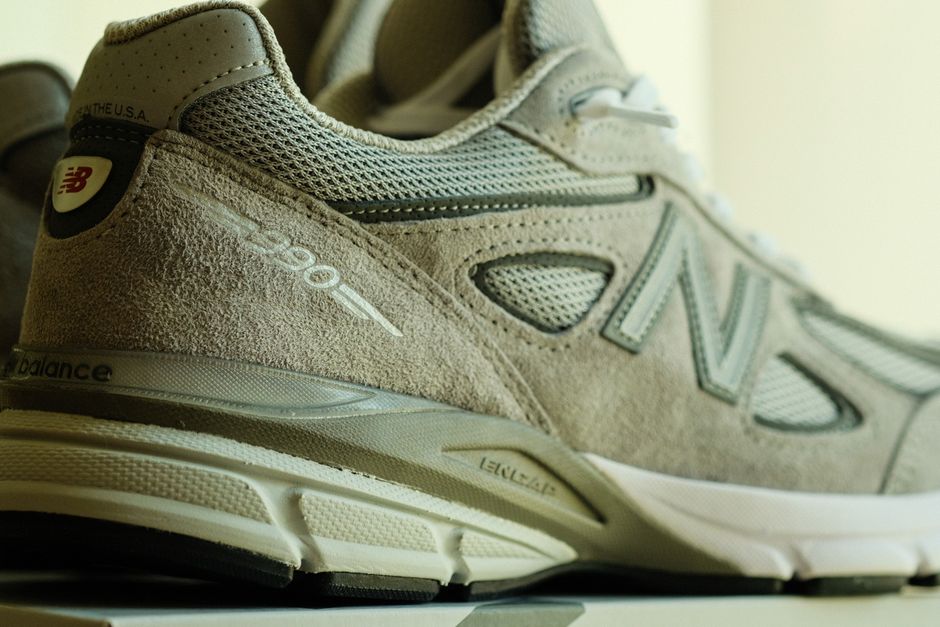
Essential Comfort Features for Your Next Pair of Walking Sandals
When selecting summer sandals that support long walks, look beyond superficial aesthetics. The true value lies in the details engineered for comfort and durability. Here are the critical features to prioritize:
1. Anatomical Arch Support
Perhaps the single most important factor for any comfortable footwear guide for summer sandals that support long walks is solid arch support. Your arch acts as a natural shock absorber, distributing pressure evenly across your foot. Without proper support, especially in a sandal, your arch can collapse, leading to strain and pain in the heel, arch, and even up the leg. Look for sandals with a contoured footbed that mirrors the natural curve of your foot, not just a flat surface. This prevents overpronation and provides stability.
2. Ample Cushioning and Shock Absorption
Every step you take creates an impact force on your feet. Effective cushioning, often provided by materials like EVA foam, cork, or a combination, absorbs this shock, protecting your joints and muscles. The cushioning shouldn’t be too soft, causing your foot to sink excessively, nor too hard, offering no relief. Aim for a balanced feel that provides responsive support without feeling squishy. This is especially vital when traversing hard surfaces like city pavements in New York or the notorious cobblestones of Rome.
3. Secure, Adjustable Straps
Loose sandals are a recipe for discomfort and instability. You’ll instinctively grip with your toes, leading to fatigue and potential blisters. Adjustable straps—Velcro, buckles, or elastic—allow you to customize the fit, securing your foot without constricting it. Look for straps that cross over the instep and around the ankle, providing stability. Leather or soft fabric straps with minimal seams are best to prevent rubbing and chafing during extended wear.
4. Contoured Footbed Design
A footbed that cradles your foot, with a slight heel cup and toe bar, can significantly enhance comfort. This design prevents your foot from sliding forward or backward within the sandal, reducing friction and the need for your toes to clench. It also helps distribute weight more evenly, minimizing pressure points. Materials like natural cork or suede-lined synthetic options often conform to your foot over time, creating a personalized fit.
5. Durable, Non-Slip Outsole
The outsole is your connection to the ground. For long walks, especially across varied terrain or damp surfaces, a durable, grippy outsole is non-negotiable. Look for rubber outsoles with multi-directional tread patterns that provide traction. This is particularly important when navigating wet streets in London or uneven paths in a mountain village, offering peace of mind and preventing slips and falls.
Summer Sandals That Support Long Walks: Avoiding Painful Footwear Mistakes
6. Breathable, Quick-Drying Materials
Summer heat means sweaty feet, which can lead to blisters and unpleasant odors. Choose sandals made from breathable materials like genuine leather, mesh, or quick-drying synthetics. If you anticipate encountering water, such as crossing streams or dealing with unexpected rain in Berlin, waterproof shoes or quick-drying options are essential to prevent prolonged dampness and discomfort.
7. Lightweight Construction
While durability is key, excessive weight can contribute to fatigue over long distances. Modern materials allow for sandals that are both supportive and surprisingly lightweight. A lighter sandal reduces the effort required to lift your foot with each step, making long walks feel less strenuous.
Comparing Popular Summer Sandal Types for Walking
Different sandal types offer varying degrees of support and style. Here’s a quick comparison to help you narrow down your choices when seeking comfortable footwear for summer sandals that support long walks:
| Sandal Type | Key Features | Best For | Considerations |
|---|---|---|---|
| Sport/Hiking Sandals | solid arch support, aggressive tread, waterproof/quick-dry materials, multiple adjustable straps. | Vigorous walking, trails, varied terrain, wet conditions, adventure travel (e.g., hiking near the Swiss Alps or along French rivers). | Often bulkier, more casual aesthetic. |
| Orthopedic/Comfort Sandals | Anatomically shaped footbeds (often cork or EVA), deep heel cups, metatarsal support, often leather or synthetic uppers. | Everyday long walks, urban exploration (e.g., navigating Paris boulevards or Berlin parks), addressing specific foot issues. | Style can be more utilitarian; price point often higher. |
| Supportive Flip-Flops/Slides | Thicker, cushioned soles, some arch support (not flat), often made of EVA or rubber. | Casual short walks, beach, pool, light daily wear, post-activity recovery. | Limited stability for very long distances, less secure fit than strapped sandals. |
| Stylish Walking Sandals | Blend of fashion and function, often with hidden comfort features like cushioned insoles, moderate arch support, dressier materials (e.g., leather straps). | Smart casual events, city sightseeing (e.g., Rome, Florence), where a dressier look is desired without sacrificing comfort. | May not offer the same ruggedness or extreme support as sport sandals. |
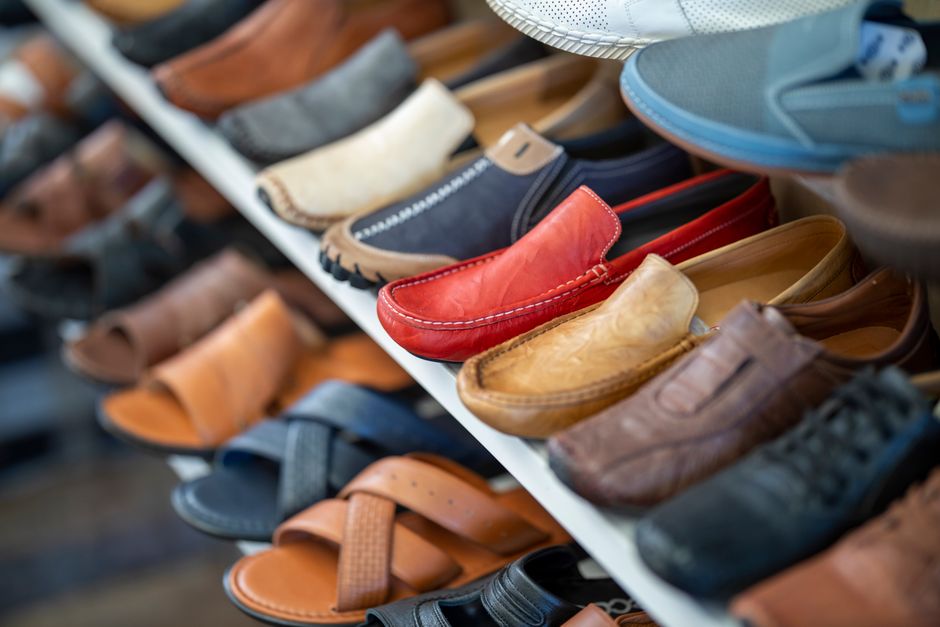
Common Mistakes to Avoid When Choosing Walking Sandals
Even with the best intentions, it’s easy to make choices that lead to discomfort. Here are some pitfalls to steer clear of:
Choosing solely based on aesthetics: While style matters, prioritizing looks over functional comfort features for a comfortable footwear guide for summer sandals that support long walks is a frequent error. A sleek sandal might look great, but if it lacks arch support or cushioning, it won’t serve you well after a few hours on your feet. Remember, true style for long walks is about enduring comfort.
Ignoring the break-in period: Some materials, especially leather or cork, require a short break-in period to conform to your foot. Don’t buy a new pair of sandals the day before a trip to Paris or a long trek around Berlin and expect immediate comfort. Wear them around the house for a few days to ensure they adapt properly and reveal any potential rub spots.
Assuming all flat sandals are bad: While many flat sandals lack support, some brands offer ‘anatomical’ flat designs that incorporate subtle arch support and heel cushioning within a minimalist profile. However, if a sandal is truly flat with no contouring, it’s best reserved for very short distances.
Not considering the climate and activity: A sandal perfect for a beach holiday in Spain might be completely inadequate for urban exploration in New York or London. Always match the sandal’s features to the likely conditions and duration of wear. If waterproof shoes are a consideration for sudden downpours, factor that in.
Poor sizing: A sandal that’s too small will pinch and rub; one that’s too large will cause your foot to slide, leading to blisters and instability. Always try sandals on at the end of the day when your feet are slightly swollen to ensure the best fit. Check for adequate room at the front and back, and ensure straps hold your foot snugly but not tightly.
FAQ: Your Questions About Walking Sandal Comfort Answered
Q: What makes a shoe comfortable for walking all day?
Running Shoes Versus Walking Shoes for Beginners: Avoiding Painful Mistakes
A: A shoe is comfortable for walking all day when it provides excellent arch support to maintain foot alignment, sufficient cushioning to absorb impact, and a secure fit that prevents movement without creating pressure points. Breathable materials, a lightweight design, and a stable, grippy outsole are also crucial for sustained comfort and preventing fatigue.
Q: Are flip-flops ever good for long walks?
A: Most traditional flat flip-flops are not suitable for long walks due to their lack of arch support, cushioning, and secure fit. However, some newer supportive flip-flop designs incorporate contoured footbeds and thicker, cushioned soles that can offer more comfort for moderate distances than standard versions, but they still typically fall short for all-day wear compared to strapped sandals.
Q: How do I know if a sandal has good arch support?
A: You can test for good arch support by checking if the footbed visibly rises to meet the curve of your arch when you try the sandal on. You should feel a gentle, supportive contact with your arch, not just a flat surface. Pressing into the arch area of the footbed should reveal some firmness and contour, indicating structural support.
Q: Should walking sandals be waterproof?
A: It depends on your intended use. If you anticipate walking in rain, near water, or on damp terrain, waterproof shoes or quick-drying sandals are highly beneficial to prevent discomfort and foot issues. For purely dry, urban environments, breathability might be a higher priority than full waterproofing, but water-resistant materials are always a plus.
Q: Can wearing the wrong sandals cause foot problems?
A: Yes, consistently wearing sandals with inadequate support, cushioning, or an improper fit can lead to various foot problems. These include plantar fasciitis, arch pain, heel spurs, bunions, corns, blisters, and even knee or back pain due to altered gait and poor shock absorption. Investing in quality footwear is a preventative measure for your foot health.
Q: What is the best material for walking sandal straps?
A: The best material for walking sandal straps offers a balance of durability, softness, and adjustability. Full-grain leather is excellent for comfort and longevity but can be slower to dry. Neoprene or other quick-drying synthetics are ideal for water activities. Soft, padded textiles also work well to prevent chafing, especially if adjustable straps are incorporated.
Choosing the right summer sandals that support long walks is about more than just a purchase; it’s an investment in your comfort, health, and ability to fully enjoy your adventures, whether you’re navigating European cobblestones or exploring national parks. By focusing on critical features like arch support, cushioning, and secure straps, you’ll ensure your footwear enhances every step. Explore more footwear guides on AtTheFashion.






Leave feedback about this