

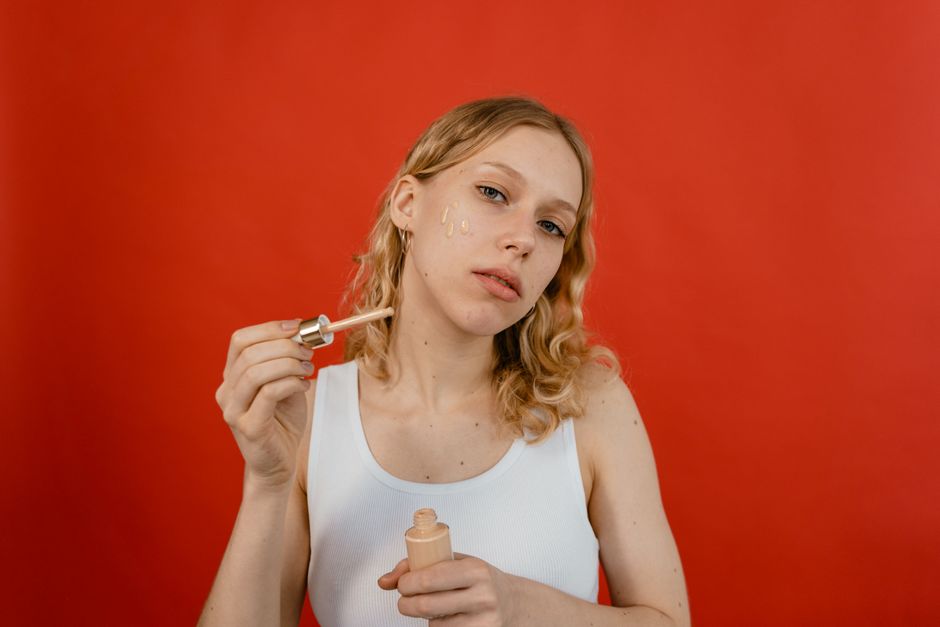
For healthy-looking skin in hot and humid conditions, the simplest beauty routine focuses on gentle cleansing, robust sun protection, and lightweight hydration. Look for non-comedogenic formulas that won’t clog pores, prioritize broad-spectrum SPF 30 or higher, and incorporate ingredients like hyaluronic acid or ceramides for barrier support. The goal is to avoid heavy layers that can feel suffocating and contribute to breakouts, while still protecting against sun damage and maintaining skin hydration without excess oil. This practical beauty and skincare guide for summer skincare in hot and humid cities will help you identify the right products.
Summer in cities like Miami, New Orleans, Singapore, or even humid European capitals like Rome or Paris can be glorious, but it often presents a unique challenge for your skin. The combination of high temperatures and intense humidity can lead to a host of issues: increased oiliness, clogged pores, breakouts, and general discomfort. Suddenly, your favorite rich moisturizer feels like a heavy blanket, and every product promises a ‘miracle’ that leaves you more confused than ever.
It’s easy to get caught in a marketing swirl of ‘cooling effects,’ ‘pore minimizers,’ and ‘oil control’ claims. For most readers, the core problem isn’t a lack of products, but a lack of clarity on what actually works and why. This practical beauty and skincare guide for summer skincare in hot and humid cities aims to demystify product selection, helping you make informed choices based on ingredients and skin needs, not just catchy slogans.
The simplest beauty routine for healthy-looking skin, especially in hot and humid environments, involves three core steps: gentle cleansing, effective sun protection, and lightweight hydration. Beyond that, targeted treatments can address specific concerns. The key is to select products that support your skin barrier and don’t overwhelm your pores, ensuring comfort and efficacy throughout the sweltering months.
Understanding Your Skin in High Humidity
Before diving into product specifics, let’s establish some foundational knowledge about how humidity impacts your skin. This quick overview will guide your choices for summer skincare in hot and humid cities:
- Increased Sebum Production: Higher temperatures can stimulate sebaceous glands, leading to more oil on the skin’s surface.
- Clogged Pores: Excess oil, sweat, and environmental pollutants combine to create a perfect storm for clogged pores and breakouts.
- Dehydration Paradox: Despite the ambient moisture, your skin can still be dehydrated, especially if you’re sweating a lot and not replenishing fluids.
- Sun Damage Risk: UV radiation is intense, requiring vigilant sunscreen application to prevent premature aging and hyperpigmentation.
- Sensitivity: Heat and sweat can exacerbate conditions like rosacea or general skin sensitivity, making ingredient choices crucial.
- Ingredient Penetration: Some active ingredients might penetrate differently in humid conditions; lighter formulations are often preferred.
The Cornerstone: Cleansing Without Stripping
A good cleanser is the first line of defense. In humid climates, you need something effective enough to remove sweat, oil, and sunscreen residue, but gentle enough not to strip your skin barrier. Stripping your skin can actually trigger more oil production, creating a vicious cycle.
Gentle Foaming or Gel Cleansers
For most skin types, especially those prone to oiliness or breakouts, a gentle foaming or gel cleanser is ideal. Look for:
- Sulfates-Free Formulas: Sulfates can be too harsh. Many brands across the US, UK, and Europe offer excellent sulfate-free options.
- pH-Balanced: A pH of around 5.5 helps maintain your skin’s natural acidic mantle.
- Non-Comedogenic: This label indicates the product is formulated not to clog pores.
In practice, opt for cleansers that rinse clean without leaving a residue or making your skin feel tight. For example, a micellar water (popular in France and Germany) can be a great first step for removing makeup and SPF, followed by a light gel wash. In Italy, where the summer heat can be intense, many prefer water-based cleansers to refresh the skin.
Non-Negotiable: Sunscreen for Every Day
This cannot be stressed enough: sunscreen is the single most important product in any skincare routine, especially for summer skincare in hot and humid cities. UV radiation is relentless, even on cloudy days. UVA rays cause aging, and UVB rays cause burning, both contributing to skin cancer risk. You need broad-spectrum protection, meaning it guards against both.
Choosing Your SPF: Textures and Types
For hot and humid climates, texture is paramount. Heavy, greasy sunscreens are a recipe for discomfort and clogged pores. Look for:
Beauty Essentials for Long-Haul Flights: Your Practical Skincare and Makeup Guide
- High SPF: A minimum of SPF 30 is essential; SPF 50 is even better, especially if you’re outdoors often. Brands available across the EU adhere to strict SPF testing standards.
- Broad-Spectrum: This term is crucial. In Europe, the ‘PA’ rating (PA+++, PA++++), common in Asian sunscreens, indicates UVA protection. Look for the UVA circle logo or ‘broad-spectrum’ on US products.
- Lightweight Formulas: Gel, fluid, or serum sunscreens are often preferred over thick creams. Many French pharmacy brands excel in creating elegant, high-SPF fluids.
- Water-Resistant: If you’re sweating or swimming, a water-resistant formula (e.g., up to 40 or 80 minutes) is a must. Remember to reapply!
Mineral sunscreens (zinc oxide, titanium dioxide) can be a good choice for sensitive skin, but often feel heavier. Chemical sunscreens tend to be more cosmetically elegant. The best sunscreen is the one you will use consistently. If you’re traveling through Spain or Portugal’s sunny coasts, always carry a small bottle for reapplication.
Hydration: Lightweight But Effective
The misconception that oily skin doesn’t need moisturizer is a common mistake. In fact, dehydrating your skin can lead to it producing more oil to compensate. The key is to provide hydration in a way that doesn’t feel suffocating.
Hyaluronic Acid and Ceramides are Your Friends
Look for ingredients that hydrate without heaviness:
- Hyaluronic Acid: This humectant attracts and holds up to 1000 times its weight in water, drawing moisture from the air into your skin. It’s excellent for plumping and hydration without feeling greasy. Many serums and gels feature this.
- Glycerin: Another excellent humectant, often found in conjunction with hyaluronic acid.
- Ceramides: These are lipids naturally found in your skin barrier. Replenishing them helps strengthen the barrier, reducing moisture loss and protecting against irritants. Look for lotions or gel-creams with ceramides to support sensitive skin.
Consider a hydrating toner or serum instead of a thick cream. Many European brands, from Poland to Germany, offer lightweight hydrating emulsions. For very oily skin, a simple hyaluronic acid serum followed by sunscreen might be sufficient. If you’re in a city like Milan during summer, you’ll appreciate a gel-based moisturizer that sinks in quickly.
Targeted Treatments: Retinols and Exfoliants
While sun protection and hydration are universal, targeted treatments address specific concerns like acne, uneven texture, or signs of aging. However, in hot and humid conditions, these need careful consideration.
Navigating Retinol and Exfoliants in Summer
Retinol (a form of Vitamin A) is a powerful ingredient for anti-aging and acne, but it can increase sun sensitivity. If you use retinol:
- Use at Night: Always apply retinol in your evening routine.
- Start Slow: Begin with a lower concentration and gradually increase frequency.
- SPF is Non-Negotiable: Be extra diligent with your high-SPF sunscreen during the day.
- Consider Alternatives: If you’re new to retinol or find your skin extra sensitive in summer, consider bakuchiol, a gentler plant-based alternative.
Chemical exfoliants (AHAs like glycolic or lactic acid, or BHAs like salicylic acid) can help with clogged pores and texture. Salicylic acid is particularly good for oily and acne-prone skin because it’s oil-soluble and can penetrate into pores.

However, like retinol, AHAs can increase sun sensitivity. Use them a few times a week, preferably at night, and always follow with diligent SPF in the morning. For those in regions with intense summer sun, like parts of the US or Southern Europe, some dermatologists might suggest scaling back on strong actives during peak summer months or being extra cautious.
Simplifying Your Makeup Routine
When it’s hot and humid, heavy foundations and powders can feel suffocating and lead to makeup meltdown. A practical beauty and skincare guide for summer skincare in hot and humid cities often recommends streamlining your makeup as well.
Lightweight Formulas and Strategic Application
- Tinted SPF or BB/CC Creams: Instead of foundation, opt for a tinted moisturizer with SPF. Many brands now offer excellent options that combine sun protection, light coverage, and skincare benefits.
- Sheer Formulas: Look for sheer blushes, bronzers, and highlighters. Cream or liquid formulas often blend more smoothly and look more natural than powders in humidity.
- Minimal Powder: Use powder sparingly, only in areas where you genuinely get oily (e.g., T-zone). Translucent setting powders can help without adding coverage.
- Waterproof Mascara: A must-have to prevent smudging and flaking from sweat.
The goal is to let your skin breathe and enhance your natural glow rather than masking it. This approach is not only more comfortable but also often looks better in the harsh summer light.
FAQ: Common Skincare Questions for Summer
In this practical beauty and skincare guide for summer skincare in hot and humid cities, we answer some common questions:
What is the simplest beauty routine for healthy-looking skin in summer?
The simplest routine for healthy-looking skin in summer involves three core steps: cleanse with a gentle, non-stripping wash; hydrate with a lightweight serum or gel containing ingredients like hyaluronic acid; and apply a broad-spectrum SPF 30+ sunscreen daily. This ensures your skin is clean, protected, and balanced without feeling heavy or overwhelmed.
Can I still use retinol during summer in a hot climate?
Yes, you can use retinol in summer, but with caution. Always apply it at night, start with a lower concentration, and be extremely diligent about applying a high-SPF, broad-spectrum sunscreen every morning. If you experience increased sensitivity or sun exposure, consider reducing frequency or temporarily pausing. Diligent sun protection is key.
How can I prevent breakouts when it’s humid?
To prevent breakouts in humidity, focus on gentle cleansing to remove excess oil and sweat without stripping your skin. Use non-comedogenic products across your routine. Incorporate a BHA (salicylic acid) product a few times a week to help exfoliate inside pores. Keep hydration lightweight and avoid heavy, occlusive creams that can trap heat and oil.
Are facial mists helpful in humid weather?
Facial mists can offer a temporary cooling sensation and refresh your skin. If they contain humectants like glycerin or hyaluronic acid, they can also provide a light boost of hydration. However, if a mist contains only water, it can sometimes evaporate and pull moisture from your skin, so choose mists with beneficial ingredients and follow with a moisturizer or SPF.
Do I need a separate moisturizer if my sunscreen is hydrating?
It depends on your skin type and the specific products. Many modern sunscreens are formulated to be quite hydrating. If you have oily skin, a hydrating SPF might be sufficient as your sole moisturizer for the day. For drier skin types or if your SPF isn’t enough, apply a lightweight, non-comedogenic serum or gel moisturizer underneath your sunscreen.
Key Takeaways for Summer Skincare in Hot and Humid Cities
Navigating summer skincare in hot and humid cities doesn’t have to be a guessing game. By focusing on smart ingredient choices and a streamlined approach, you can maintain healthy, comfortable skin. Remember to prioritize gentle cleansing to avoid stripping your skin’s natural barrier, which is essential for warding off irritation and excess oil production.
The absolute non-negotiable is consistent, generous application of broad-spectrum SPF 30 or higher. Look for lightweight, non-comedogenic formulas that you’ll actually enjoy wearing. When it comes to hydration, think light: hyaluronic acid and ceramides in gel or serum forms will keep your skin supple without feeling heavy.
Finally, remember that powerful actives like retinol and exfoliants require extra sun vigilance, and sometimes less is more in the peak summer heat. Simplify your makeup and focus on supporting your skin’s natural functions. By applying these practical tips, you’ll cut through the marketing jargon and empower yourself to make better choices for your skin all summer long.
Explore more beauty guides on AtTheFashion to deepen your skincare knowledge.






Leave feedback about this