

Standing for hours on end, whether you’re navigating the cobbled streets of Rome, bustling through a shift in New York, or commuting daily in London, takes a toll on your feet. Finding truly comfortable footwear that offers ample support without breaking the bank is a common challenge for many workers. It’s not just about cushioning; it’s about the right foundation for your entire body. From retail associates to healthcare professionals, the demands on our feet are constant, and poor shoe choices can lead to a cascade of issues, from plantar fasciitis to back pain.
The good news is that you don’t need to spend a fortune to get the support your feet deserve. With a bit of informed shopping, both US and European consumers can discover excellent budget-friendly options that provide the necessary comfort and durability for long days on your feet. Our guide is designed to help you cut through the noise and find genuinely comfortable footwear that works hard for you, without emptying your wallet.
What makes a shoe comfortable for walking all day? A comfortable shoe for all-day standing or walking prioritizes several key features: excellent arch support, ample cushioning to absorb impact, a stable sole that prevents pronation or supination, and a breathable upper material to manage moisture. It should also have a generous toe box to prevent pinching and a secure fit around the heel to avoid slippage. For sustained comfort, the shoe’s design must distribute pressure evenly across the foot, reducing strain on specific points and supporting natural foot mechanics.

Quick Overview: Key Features for Comfortable Footwear
Before diving into specific recommendations, let’s establish what to look for when shopping for supportive shoes for people who stand at work. Keeping these points in mind will streamline your search and help you make an informed decision:
- Arch Support: Crucial for distributing weight evenly and preventing foot fatigue. Look for shoes with built-in support or space for orthotic inserts.
- Cushioning: Essential for shock absorption, especially on hard surfaces. EVA foam and gel inserts are common, effective materials.
- Stability: A wide base and firm heel counter prevent excessive foot movement, reducing strain. This is particularly important for uneven surfaces like European cobblestones.
- Breathability: Materials like mesh or perforated leather help prevent sweat and odor, keeping feet comfortable and healthy.
- Fit: A proper fit means enough room in the toe box for your toes to splay naturally and a snug fit at the heel to prevent rubbing.
- Outsole Traction: Non-slip soles are important for safety, especially in workplaces with spills or polished floors.
- Weight: Lighter shoes generally reduce fatigue over long periods.
- Durability: Look for quality construction and materials that will hold up to daily wear and tear.
Understanding Foot Support: More Than Just Softness
Many people equate comfort with softness. While cushioning is important, true comfort for all-day standing comes from a balanced approach to support and shock absorption. Imagine walking through the busy streets of Paris or enduring a long shift in Chicago; your feet need more than just a plush insole. They need structural integrity.
Arch Support and Its Impact
Your foot’s arch acts as a natural shock absorber and spring. When you stand or walk for extended periods, this arch can collapse if not properly supported, leading to conditions like plantar fasciitis (heel pain) or metatarsalgia (forefoot pain). Shoes with adequate arch support help maintain the foot’s natural alignment, distributing pressure more evenly and reducing strain on ligaments and tendons. If a shoe lacks sufficient arch support, consider adding aftermarket orthotic inserts. Many budget-friendly shoes have removable insoles, making this a straightforward upgrade.
Cushioning vs. Stability: Finding the Balance
While soft cushioning feels good initially, too much can lead to instability, causing your foot to roll excessively inward or outward (pronation or supination). This is where stability features come in. Look for shoes with a firm midsole that provides a stable platform while still offering cushioning. Some shoes combine different densities of foam in the midsole to achieve both support and comfort. A good rule of thumb: you should be able to twist the shoe slightly, but not fold it in half easily.
The Importance of Proper Shoe Fit: Your Foundation for Comfort
Even the most advanced supportive shoes for people who stand at work won’t deliver comfort if they don’t fit correctly. A common mistake is buying shoes based solely on size, overlooking crucial aspects of fit like width, toe box volume, and heel security. Think of how much walking you do daily – whether it’s traversing a warehouse floor or exploring London’s extensive Tube network. Every step counts, and a poor fit can lead to blisters, bunions, and general discomfort.
Comfortable Office Shoes for Long Workdays: Budget-Friendly Options for US and European Shoppers
Measuring Your Feet Accurately
Your foot size can change over time, and it’s not uncommon for one foot to be slightly larger than the other. Always measure both feet, preferably at the end of the day when they are most swollen. Many shoe stores, particularly larger sports retailers in the US and Europe, offer professional fitting services, which can be invaluable. Remember to try on shoes with the type of socks you’d typically wear for work.
The Wiggle Room Test
When trying on shoes, ensure there’s about a thumb’s width of space between your longest toe and the end of the shoe. Your toes should be able to wiggle freely, without feeling cramped. The widest part of your foot should align with the widest part of the shoe. Your heel should feel snug but not tight, preventing it from slipping up and down excessively with each step, which can cause painful rubbing and blisters.
Budget-Friendly Brands and Models: US & European Picks
Finding comfortable footwear that won’t break the bank requires knowing which brands consistently deliver quality without the premium price tag. Both in the US and across Europe, several brands offer excellent value.
For US Shoppers: Reliable Choices
- Skechers: Often lauded for their memory foam insoles and lightweight designs, Skechers offers numerous models suitable for standing professions. Look for their Work Relaxed Fit lines, which provide more roomy toe boxes and slip-resistant outsoles. Prices are generally accessible, ranging from $50-80 USD.
- Ryka (Women’s Specific): Designed specifically for women’s feet, Ryka shoes often feature narrower heels and a wider forefoot. Their walking shoes, like the Devotion Plus series, offer good arch support and cushioning, typically in the $70-100 USD range.
- New Balance: While some models can be pricey, New Balance consistently offers budget-friendly walking and cross-training shoes with excellent support. Their 600 series or certain 400 series models often provide a stable platform and good cushioning for around $60-90 USD.
- Fila: Particularly their walking and casual sneakers, Fila can be a surprisingly good budget option. Models like the Memory Workshift provide comfort and basic support for as low as $40-60 USD, making them a strong contender for those on a tight budget.
For European Shoppers: Localized Value
Shoppers in Germany, France, Italy, Spain, and Poland have access to similar global brands, but also local favorites that offer excellent value.
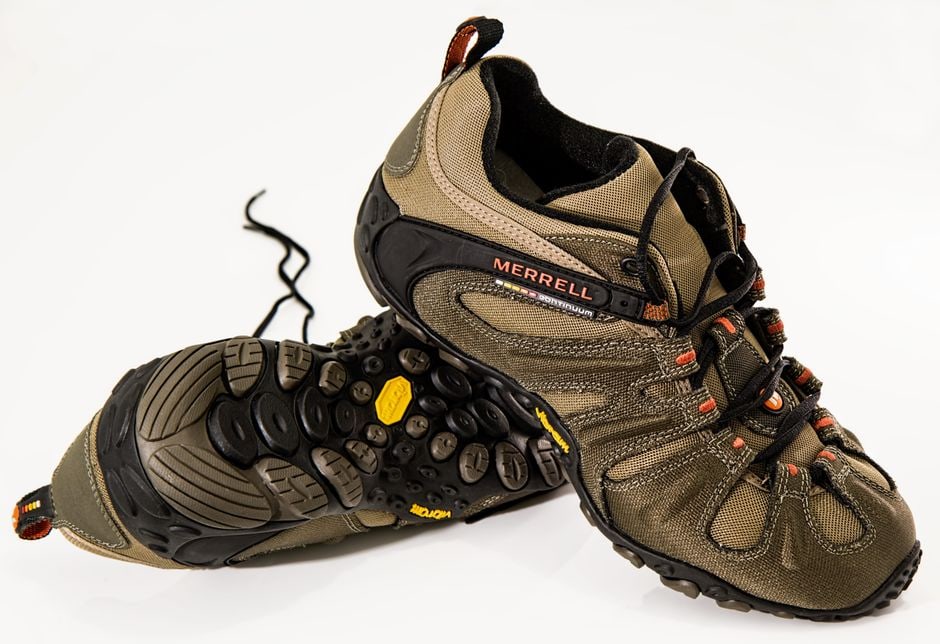
- Decathlon’s Own Brands (Kalenji, Newfeel): French-based Decathlon is a powerhouse for affordable sports gear across Europe. Their Kalenji and Newfeel walking shoes are incredibly budget-friendly (often €20-€50) and provide surprisingly good support and cushioning for the price. They are widely available in countries like France, Spain, Italy, Germany, and Poland. Their focus on practical, functional design makes them a top pick for comfortable footwear.
- Clogs and Work Shoes (e.g., Sanita, Birkenstock Work Lines): While not always budget-basement, certain professional clogs, particularly in countries like Germany and Poland, are renowned for their anatomical support and durability. Brands like Sanita or specific work-oriented Birkenstock models (which have excellent arch support for standing) can be found on sale or through outlet stores, offering long-term value despite a slightly higher initial cost (€60-€100+). These are particularly popular in healthcare settings across Europe.
- Generic Sports Brands (non-premium lines): Brands like Kappa or Lotto, widely available in Italian and Spanish markets, sometimes offer basic, comfortable sneakers for daily wear at very competitive prices (€30-€60). While they might lack the advanced tech of premium brands, they can provide sufficient cushioning for less demanding standing jobs.
- Local Supermarket/Hypermarket Brands: Don’t overlook the footwear sections in large hypermarkets like Carrefour (France, Spain, Poland), Tesco (Poland), or Lidl/Aldi (across Europe). They occasionally carry own-brand comfortable footwear, including walking shoes or casual trainers, at incredibly low prices (€15-€40). Quality varies, so inspect them carefully for sole flexibility and internal padding.
Addressing Specific Needs: Beyond the Basic
While general support is key, some standing environments or individual foot conditions require specific considerations. Thinking about these details can help you narrow down your search for supportive shoes for people who stand at work even further.
Waterproof and Slip-Resistant Shoes
If your job involves wet floors or outdoor work—think restaurant kitchens, healthcare facilities, or outdoor market vendors in places like London or New York—waterproof shoes and slip-resistant outsoles are non-negotiable safety features. Many work-specific footwear lines, like those from Skechers Work or certain models from Caterpillar or Dickies, offer these features at reasonable prices. Always check for ASTM F1677 (US) or EN ISO 20347 (Europe) ratings for slip resistance if your workplace requires it.
Removable Insoles and Orthotics
For those with specific foot conditions (e.g., flat feet, high arches, bunions) or who require custom orthotics, look for shoes with removable insoles. This allows you to swap out the generic insole for a medical-grade one, tailoring the shoe’s support precisely to your needs. Many of the budget-friendly brands mentioned above, including New Balance and Skechers, offer models with removable footbeds.
Best Walking Shoes for European City Travel: The Comfort Features That Matter Most
FAQ: Your Questions About All-Day Comfort Answered
How often should I replace my comfortable footwear?
For people who stand at work daily, aim to replace your shoes every 6-12 months, or sooner if you notice significant wear to the outsole or a reduction in cushioning and support. The lifespan depends heavily on your weight, activity level, and the shoe’s construction. Worn-out shoes offer diminished protection and can contribute to foot pain.
Can I use orthotic inserts in any shoe?
While many orthotic inserts are designed to fit into various shoes, they work best in footwear with a removable insole and a relatively neutral footbed. Shoes with too much pre-existing arch support might not accommodate an orthotic well, leading to an uncomfortable fit. Always try on shoes with your orthotics to ensure compatibility.
What’s the difference between walking shoes and running shoes for standing?
Walking shoes are typically designed with more forefoot flexibility and often have a slightly stiffer heel for stability during prolonged standing and walking. Running shoes, especially those for long distances, prioritize cushioning and energy return for forward motion. While some running shoes can work, dedicated walking shoes often provide more appropriate support for standing and everyday movement.
Are clogs a good option for standing all day?
Yes, traditional clogs, particularly those from brands like Dansko or Sanita, are engineered for people who stand for long periods, especially in clinical or hospitality settings. They offer excellent arch support, a roomy toe box, and a stable, often slip-resistant, sole. However, their rigid design takes some getting used to, and they might not be suitable for jobs requiring quick, multi-directional movement.
How do I break in new supportive shoes?
Break in new supportive shoes gradually. Wear them for short periods initially (1-2 hours) and progressively increase the duration over a week or two. This allows your feet to adjust to the new support and helps prevent blisters or discomfort. Avoid wearing new shoes for an entire shift straight out of the box, especially if you have sensitive feet.
Key Takeaways for Finding Your Next Pair
Finding the right supportive shoes for people who stand at work doesn’t have to be an expensive ordeal. The key lies in understanding what features truly matter for long-term comfort and durability. Prioritize arch support, balanced cushioning, and a proper fit above all else. Remember that even budget-friendly brands in both the US and Europe offer reliable options that can make a significant difference in your daily comfort and overall well-being.
Whether you’re navigating the historic charm of European cobblestones or the concrete jungles of American cities, your feet are your foundation. Investing time in finding the right pair of comfortable footwear will pay dividends in reduced pain and increased productivity. Don’t let tired, aching feet dictate your day.
Explore more footwear guides and make your next shoe purchase an informed one. Explore more footwear guides on AtTheFashion.





Leave feedback about this