

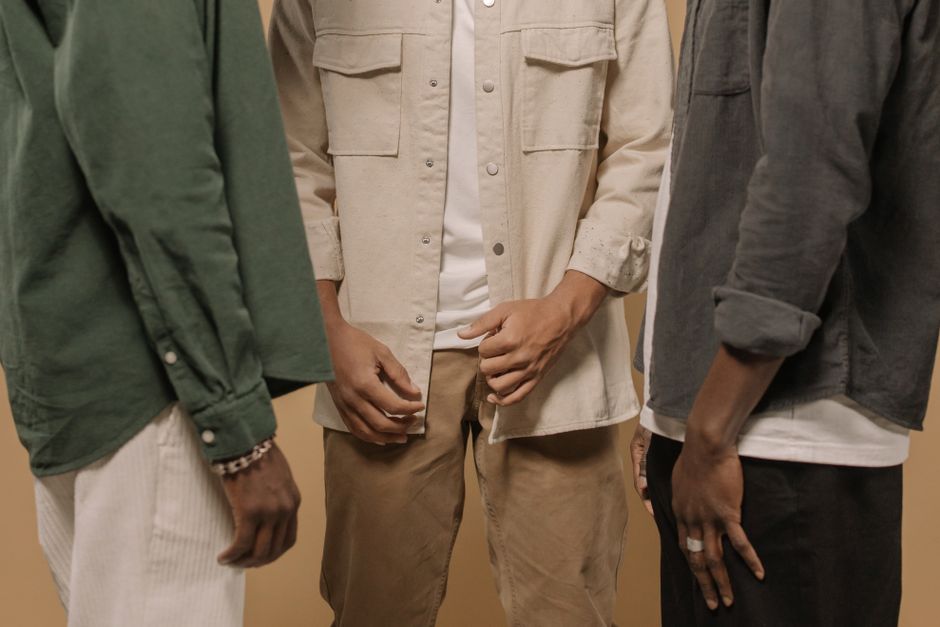
Men can build a useful wardrobe without overspending by prioritizing timeless, high-quality basics over fleeting trends. Investing in versatile pieces made from durable, sustainable fabrics that can be mixed and matched creates a cohesive capsule wardrobe. Focus on understanding your existing wardrobe, identifying gaps, and making intentional purchases rather than impulse buys. This strategy not only saves money in the long run by reducing the need for frequent replacements but also significantly lessens your environmental impact, aligning with sustainable men’s fashion basics.
Navigating the world of men’s fashion can sometimes feel like a minefield of fleeting trends and endless choices. For many, the desire to look sharp collides with a growing awareness of environmental impact and a practical need to manage budgets. This is where focusing on sustainable men’s fashion basics truly shines, offering a path to a stylish, functional wardrobe that doesn’t cost the Earth or your savings.
It’s not about sacrificing style for sustainability, or vice-versa. It’s about smart choices, thoughtful curation, and understanding the longevity of what you buy. Whether you’re a professional in London, a student in Berlin, a traveler exploring New York, or simply someone looking to refine their everyday look, embracing sustainable men’s fashion basics can transform how you approach your personal style.
In this guide, we’ll dive into the common pitfalls men encounter when trying to build a functional and sustainable wardrobe, and more importantly, provide actionable, easy fixes to help you cultivate a collection of clothes that truly works for you – year after year.
Overlooking the Power of a Core Capsule Wardrobe
One of the most frequent mistakes in men’s fashion is buying individual items without considering how they integrate into a larger collection. This leads to a closet full of clothes but nothing to wear, or worse, a reliance on fast fashion to fill the gaps. The solution lies in embracing the concept of a capsule wardrobe – a curated collection of versatile items that can be mixed and matched effortlessly.
Fix: Define Your Style and Build Around Core Essentials
Start by identifying your lifestyle needs. Do you primarily need smart casual wear for an office in Paris, or rugged, comfortable pieces for weekends in the countryside? Once you have a clear picture, invest in high-quality menswear essentials that form the backbone of your wardrobe. Think well-fitting dark wash jeans, a crisp white Oxford shirt, a versatile navy blazer, comfortable sneakers, and polished leather shoes. These are your foundational sustainable men’s fashion basics. Brands focusing on transparent supply chains and ethical production are increasingly available, from smaller artisanal labels in Milan to larger brands with dedicated sustainable lines. Look for certifications like GOTS for organic cotton or Bluesign for responsible textile manufacturing.
Falling for Fast Fashion Fads
The allure of cheap, trendy items is strong, especially with new styles constantly emerging from cities like New York and Berlin. However, these pieces often lack durability, are made under questionable labor conditions, and quickly become obsolete, contributing to textile waste. This contradicts the very essence of sustainable men’s fashion basics.
Fix: Prioritize Quality, Durability, and Timelessness
Instead of chasing trends, invest in pieces that are built to last and have enduring style. A classic trench coat, a sturdy wool sweater, or a pair of well-made chinos will serve you for years, making them far more economical and sustainable in the long run. Seek out sustainable fabrics such as organic cotton, linen, hemp, Tencel (lyocell), recycled wool, or innovatively recycled synthetic materials. These materials not only have a lower environmental footprint but often offer superior comfort and durability. This commitment to quality is a cornerstone of smart men’s fashion advice.
How to Choose Men’s Jeans Online: Outfits That Work on a Realistic Budget
Ignoring Proper Fit and Tailoring
Even the most expensive, sustainable garment can look bad if it doesn’t fit properly. Many men overlook the importance of tailoring, assuming off-the-rack sizing is sufficient. A poor fit can make clothes appear cheap, regardless of their actual cost or sustainable credentials.
Fix: Know Your Measurements and Befriend a Tailor
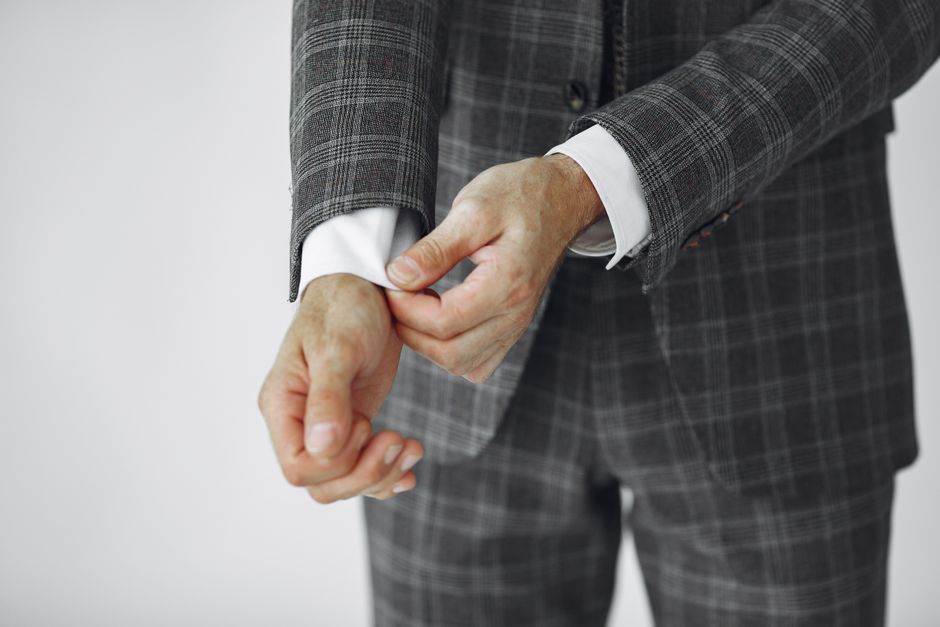
Understanding your measurements is key. When shopping, prioritize fit in the shoulders and chest for tops, and the waist and length for trousers. Don’t hesitate to take items to a local tailor. A simple adjustment to a sleeve length or a trouser hem can improve an entire outfit, making a modest investment in tailoring pay huge dividends in style and confidence. In cities like London or Milan, custom tailoring is a revered tradition, but even smaller towns in Germany or Spain will have skilled tailors who can perfect your sustainable men’s fashion basics.
Neglecting Wardrobe Maintenance
Many men treat their clothes as disposable, not realizing that proper care significantly extends a garment’s life. Improper washing, drying, or storage can quickly degrade even high-quality sustainable fabrics.
Fix: Learn Basic Garment Care and Storage
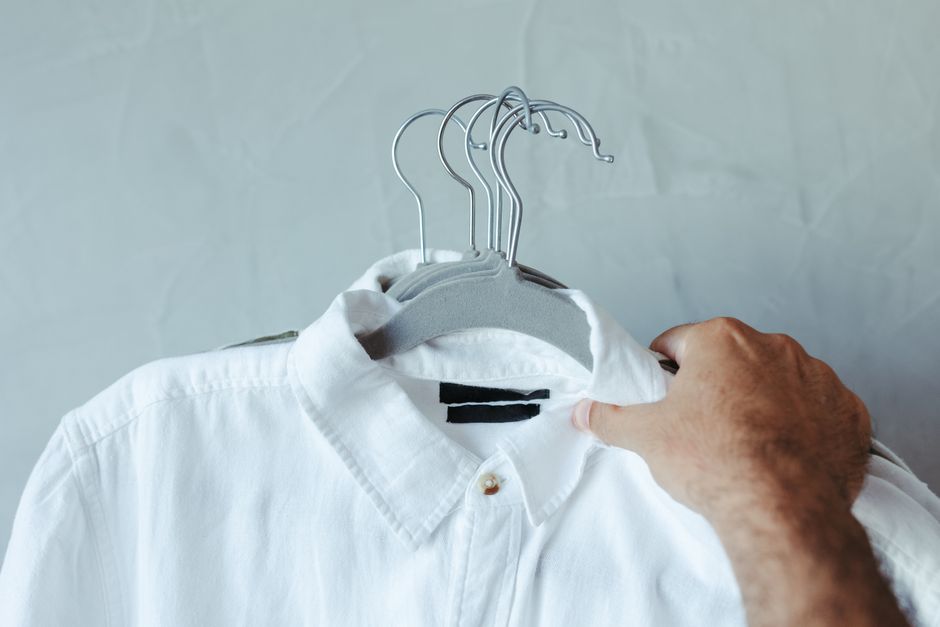
Read care labels! Understanding whether an item needs cold water, air drying, or professional cleaning is crucial. Invest in good hangers that maintain the shape of jackets and shirts. Learn simple mending techniques like sewing on a button or repairing a small seam – these skills are incredibly empowering and reduce waste. For special items, consider eco-friendly dry cleaners that avoid harsh chemicals. This practical approach is essential for truly sustainable men’s fashion basics.
Buying Duplicates and Unnecessary Items
Impulse purchases and not knowing what you already own often lead to buying redundant items. This wastes money, clutters your closet, and undermines the goal of a streamlined, sustainable wardrobe.
Fix: Audit Your Closet and Shop with Intent
Before buying anything new, take stock of what you have. Identify items that are truly worn out, ill-fitting, or no longer align with your style. Create a wishlist of items that genuinely fill gaps in your wardrobe. When you do shop, whether in the bustling markets of New York or the boutique streets of Paris, consider the ‘3-wear’ rule: can you style this new item with at least three existing pieces in your wardrobe? This thoughtful approach is central to effective men’s fashion advice sustainable men’s fashion basics.
Ignoring Versatility and Seasonality
Building a wardrobe with pieces that only work for very specific occasions or seasons limits their utility. This often leads to buying more clothes than necessary, a common mistake that goes against sustainable principles.
Fix: Focus on Layering and Multi-Season Items
Opt for pieces that can be layered and adapted to different climates and occasions. A lightweight merino wool sweater, for instance, can be worn on its own in autumn, under a blazer in winter, or as a sophisticated layer on cooler summer evenings. Versatile outer layers like a classic denim jacket or a technical rain jacket are essential, whether you’re braving the unpredictable weather of London or exploring the varied landscapes of Italy. This strategy helps you build a useful wardrobe without overspending, as fewer items serve more purposes.
How to Choose Men’s Jeans Online: A Practical Buying Checklist
FAQ: Sustainable Men’s Fashion Basics
How can men build a useful wardrobe without overspending?
Building a useful wardrobe without overspending starts with a clear understanding of your needs and existing items. Focus on creating a capsule collection of versatile, high-quality pieces that can be mixed and matched. Prioritize timeless styles over transient trends, and invest in durable, sustainable fabrics that will last. Smart shopping, including secondhand finds and end-of-season sales, can also significantly reduce costs while still securing quality.
What are the essential items for a sustainable men’s capsule wardrobe?
Essential items for a sustainable men’s capsule wardrobe include well-fitting dark wash jeans, chinos, a versatile blazer (navy or charcoal), classic Oxford shirts (white and light blue), high-quality t-shirts (neutral colors), a durable wool or cashmere sweater, comfortable yet stylish sneakers, and polished leather dress shoes. These pieces form a strong foundation for various smart casual and more formal looks.
What sustainable fabrics should men look for?
When seeking sustainable men’s fashion basics, look for fabrics like organic cotton, linen, hemp, Tencel (lyocell), modal, recycled wool, and recycled polyester. These materials generally have a lower environmental impact due to their production processes, resource efficiency, or ability to be re-purposed. They often offer excellent durability and comfort, making them ideal for long-lasting garments.
How does proper garment care contribute to sustainable men’s fashion?
Proper garment care is crucial for sustainable men’s fashion because it extends the lifespan of clothing. By following care labels, using appropriate washing temperatures, air drying when possible, and making minor repairs, you reduce the need for frequent replacements. This decreases textile waste, conserves resources used in manufacturing new clothes, and saves money, embodying a truly circular approach to fashion.
Where can I find sustainable men’s fashion brands in Europe and the US?
Sustainable men’s fashion brands are increasingly available globally. In Europe, look for local designers in Berlin, Paris, and Milan focusing on ethical production, or explore online retailers specializing in sustainable menswear. In the US, brands often highlight their use of sustainable fabrics and transparent supply chains. Many larger retailers now also offer dedicated sustainable collections. Check brand websites for certifications like GOTS, Fair Trade, or B Corp status.
Is secondhand shopping a good way to build a sustainable men’s wardrobe?
Absolutely, secondhand shopping is an excellent way to build a sustainable men’s wardrobe. It gives clothes a second life, reduces waste, and often allows you to acquire high-quality, sometimes designer, items at a fraction of their original cost. Exploring vintage shops in cities like London or online platforms can uncover unique pieces and timeless sustainable men’s fashion basics, contributing significantly to a greener closet.
Conclusion
Building a sustainable men’s fashion basics wardrobe isn’t about rigid rules or sacrificing your personal style. It’s about making conscious, informed choices that benefit both your wallet and the planet. By avoiding common mistakes like impulse buying, neglecting fit, and overlooking proper care, you can cultivate a collection of clothes that is both stylish and enduring. Embrace quality over quantity, prioritize versatility, and view your wardrobe as an investment rather than a disposable commodity. This thoughtful approach ensures you’re always well-dressed, confident, and contributing to a more sustainable future in fashion.
Explore more men’s guides on AtTheFashion for further insights into refining your style.





Leave feedback about this