


Men can build a useful wardrobe without overspending by focusing on quality over quantity, investing in versatile sustainable men’s fashion basics, and understanding their personal style. This approach prioritizes durable, ethically produced garments that can be mixed and matched, minimizing the need for frequent replacements. By selecting classic pieces made from sustainable fabrics like organic cotton, linen, and recycled materials, shoppers can create a cohesive collection suitable for various occasions, from a business meeting in London to a casual weekend in Berlin, all while supporting environmentally responsible practices and avoiding impulsive purchases.
Navigating the world of men’s fashion can often feel like a constant chase for the next trend, leading to impulse purchases and a wardrobe full of items that don’t quite fit together. For many, the idea of a ‘sustainable’ wardrobe conjures images of expensive, niche brands or a complete overhaul of personal style. In practice, it’s far simpler: it’s about making smarter choices, prioritizing longevity, and understanding how to build a collection of reliable pieces that truly serve your needs.
Think about the classic, well-dressed men you admire, whether they’re navigating the bustling streets of New York or enjoying an evening in Paris. Their style rarely screams ‘trendy.’ Instead, it’s built on a foundation of timeless, versatile garments that fit well and are made to last. This isn’t just about looking good; it’s about making conscious decisions that benefit your wallet, your lifestyle, and the planet.
This guide offers practical men’s fashion advice, distilling the core principles of sustainable men’s fashion basics into actionable steps. We’ll explore how to craft a wardrobe that not only looks sharp but also minimizes its environmental footprint, proving that style and responsibility can go hand-in-hand.
The Core Idea: Quality, Versatility, and Conscious Choices
At its heart, sustainable men’s fashion isn’t just about specific eco-friendly labels; it’s a philosophy. It’s a shift from fast fashion’s disposable model to a more considered approach. For most readers, this means investing in fewer, better items that offer genuine utility and can withstand the rigors of daily wear and changing trends. This approach answers the fundamental question: How can men build a useful wardrobe without overspending?
It starts with understanding that ‘sustainable’ doesn’t automatically mean ‘more expensive.’ Often, the initial investment might be slightly higher, but the cost per wear over years, not months, makes these items far more economical. A common mistake is to chase bargains on low-quality items that quickly fray, fade, or lose their shape, necessitating constant replacement. Instead, focus on durable construction, classic designs, and materials with a lower environmental impact. This is the cornerstone of building a truly resilient and stylish collection of sustainable men’s fashion basics.

Building Your Capsule Wardrobe: Menswear Essentials for Every Man
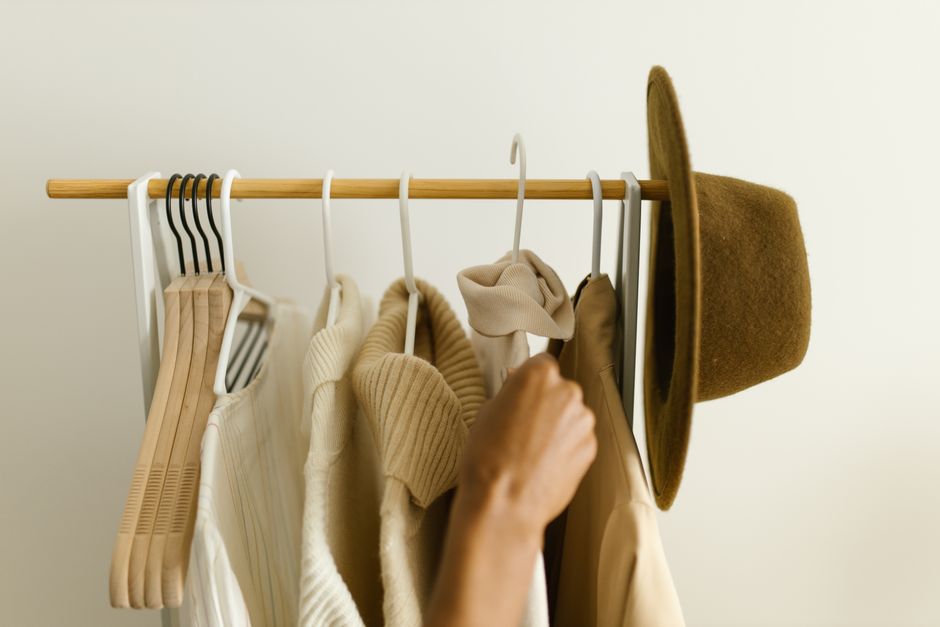
Creating a foundational capsule wardrobe is perhaps the most effective way to embrace sustainable men’s fashion basics. This isn’t about limiting your style, but rather empowering it with a curated selection of versatile pieces that can be mixed and matched to create numerous outfits. Here’s how to approach it:
1. Master the White & Light Blue Button-Down Shirt
These are non-negotiable. A well-fitting white shirt is as essential in a boardroom in Milan as it is for a smart-casual dinner in London. Light blue offers similar versatility, perhaps a touch softer. Look for durable cotton (organic preferred) or linen blends. They can be dressed up with a tie or worn casually untucked with jeans.
2. Invest in Quality Denim
A pair of dark wash, straight-leg or slim-fit jeans is a cornerstone. Avoid overly distressed or trendy cuts. Look for brands committed to sustainable production practices, using less water and fewer chemicals. A good pair of jeans can last years, taking you from a casual day in Berlin to a relaxed evening in New York.
First Impressions: Men’s Outfits for Dates & Dinners – Fit, Comfort, and Style Defined
3. The Versatile Chino
Beyond denim, chinos in neutral tones like navy, olive, or beige are indispensable. They bridge the gap between jeans and tailored trousers, perfect for a smart-casual look. Again, prioritize durable fabrics that hold their shape.
4. Classic Knitwear
A fine-gauge merino wool crew-neck or V-neck sweater in charcoal, navy, or grey is incredibly useful. It can be layered over a shirt or worn on its own. For colder climates in countries like Germany or Poland, a heavier-gauge option is also smart. Look for natural fibers that regulate temperature effectively.
5. The Essential T-Shirt
Good quality plain t-shirts in white, black, grey, and navy are vital. Focus on fit and fabric – organic cotton is a superb choice for comfort and sustainability. These form the base layer for countless outfits.
6. The Blazer or Sport Coat
A versatile, unlined blazer in navy or grey can transform any outfit. It’s perfect for business travel, elevating jeans and a t-shirt, or completing a more formal ensemble. Choose a wool or wool-blend fabric for durability and drape.
7. Outerwear That Lasts
Depending on your climate, a classic trench coat, a simple peacoat, or a well-made field jacket will serve you for years. These aren’t just functional; they add a layer of sophistication. Consider waterproof, breathable materials for utility.
8. Thoughtful Footwear
A pair of classic leather sneakers (white or neutral), versatile leather boots (Chukka or Chelsea style), and formal leather shoes (Derbies or Oxfords) will cover most occasions. Look for brands that offer repair services or use sustainable leather alternatives.
Sustainable Fabric Choices: What to Look For
When building your collection of sustainable men’s fashion basics, the choice of fabric is paramount. It affects durability, comfort, and environmental impact. Here’s a brief overview:
| Fabric Type | Benefits | Considerations |
|---|---|---|
| Organic Cotton | Grown without harmful pesticides; soft, breathable, durable. | Still water-intensive, but better than conventional cotton. |
| Linen | Extremely durable, breathable, natural, requires less water. | Prone to wrinkling; requires specific care. |
| Recycled Polyester | Reduces plastic waste; durable, often water-resistant. | Derived from fossil fuels; microplastic shedding. |
| Tencel/Lyocell | Made from wood pulp using closed-loop systems; soft, strong, breathable. | More expensive; production process still uses chemicals. |
| Hemp | Requires minimal water, grows quickly, durable, strong fibers. | Can be coarser initially; limited availability. |
Common Mistakes to Avoid in Sustainable Menswear
Even with the best intentions, building a sustainable wardrobe can hit snags. Knowing what to avoid can save you time, money, and frustration.
One common pitfall is the ‘all or nothing’ approach. You don’t need to replace your entire wardrobe overnight with new sustainable pieces. The most sustainable garment is often the one you already own. Focus on repairing, re-wearing, and consciously replacing items only when necessary. Gradually integrating sustainable men’s fashion basics is more realistic and effective than a complete overhaul.
How to Choose Men’s Jeans Online: Outfits That Work on a Realistic Budget
Another mistake is falling for ‘greenwashing.’ Many brands use buzzwords like ‘eco-friendly’ or ‘conscious’ without genuine sustainable practices. Do your research. Look for certifications (like GOTS for organic cotton), transparency reports, and clear commitments to ethical labor and environmental stewardship. Don’t be swayed by vague claims; dig into the details to understand what ‘sustainable’ truly means for a particular brand.
Overlooking fit is also a major error. Even the most sustainably produced garment will look poor if it doesn’t fit properly. Ill-fitting clothes are often less worn and discarded sooner. Invest in tailoring if necessary; it’s a small cost that significantly extends the life and appeal of your clothes. A well-tailored shirt or pair of trousers is a hallmark of good men’s fashion advice, regardless of its sustainable credentials.
Finally, ignoring care instructions leads to premature wear. Sustainable fabrics, especially natural ones, often require specific washing or drying methods. Learning to properly care for your garments — washing less frequently, using cold water, air drying — not only extends their life but also reduces energy consumption, making your sustainable choices even more impactful.
FAQ: Answering Your Sustainable Style Questions
Here are some frequently asked questions about building a sustainable and practical wardrobe:
What are the most essential sustainable men’s fashion basics to start with?
Begin with versatile items like organic cotton t-shirts, a well-fitting pair of dark wash jeans from a responsible brand, and a classic navy or grey blazer made from recycled wool or a durable blend. These items form a strong foundation, allowing for numerous outfit combinations and are easy to integrate into an existing wardrobe without immediate large purchases.
How can I tell if a brand is genuinely sustainable?
Look for transparency. Genuine sustainable brands provide clear information about their supply chain, manufacturing processes, and certifications (e.g., GOTS for textiles, B Corp for overall ethics). They should also have explicit commitments to fair labor practices and environmental impact reduction. Be wary of vague terms or a lack of verifiable details.
Is buying second-hand clothing considered sustainable fashion?
Absolutely. Buying second-hand is one of the most sustainable fashion choices you can make. It extends the life of existing garments, reduces demand for new production, and minimizes waste. Platforms and stores for pre-owned clothing are excellent resources for finding unique pieces and high-quality sustainable men’s fashion basics at a fraction of their original cost.
How do I care for sustainable fabrics to make them last longer?
Proper care is crucial. Generally, wash clothes less frequently, use cold water, and air dry whenever possible to reduce energy consumption and fabric wear. Follow specific care labels for delicate materials like linen or merino wool. Spot cleaning instead of full washes can also significantly prolong garment life.
What is a ‘capsule wardrobe’ and why is it good for sustainability?
A capsule wardrobe is a collection of essential, versatile items that can be mixed and matched to create a variety of outfits. It’s excellent for sustainability because it reduces the need for excessive purchases, encourages thoughtful selection of durable pieces, and minimizes fashion waste. By focusing on quality and versatility, you maximize the utility and lifespan of each garment.
Building a wardrobe based on sustainable men’s fashion basics is a journey, not a sprint. By focusing on quality, versatility, and conscious choices, you’ll not only curate a collection that stands the test of time but also contributes positively to a more responsible fashion industry. For more men’s fashion advice and detailed guides, explore more men’s guides on AtTheFashion.




Leave feedback about this