

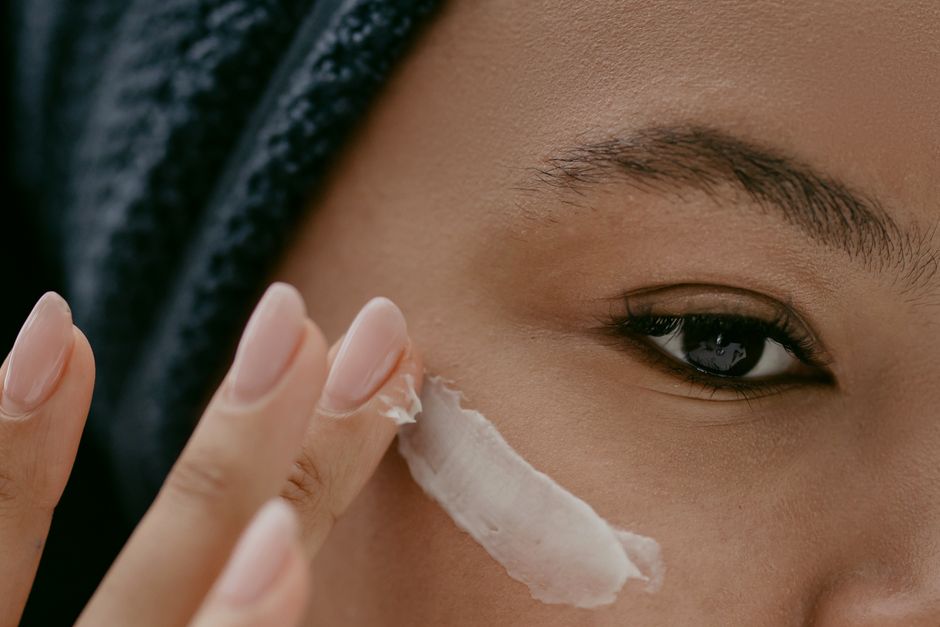
As the days grow shorter and the temperatures plummet, many of us, from the bustling cities of New York and London to the charming streets of Berlin and Paris, notice an unwelcome change in our skin. That plump, dewy look we might enjoy in milder weather often gives way to a dull, tight, and sometimes flaky complexion. It’s a common struggle, especially when moving between the biting cold outdoors and the dry, heated air indoors.
This isn’t just a minor annoyance; persistently dry skin can feel uncomfortable, lead to increased sensitivity, and even exacerbate fine lines. Navigating the sheer volume of products promising miraculous results can be daunting, particularly when you just want a practical beauty and skincare guide for hydrating your skin in dry winter weather without overhauling your entire routine. Thankfully, a few thoughtful adjustments can make a significant difference, no matter where you are in the US or across Europe.
This guide is designed for beauty beginners, busy adults, and even frequent travelers who need clear, evidence-aware advice on protecting and nurturing their skin through the coldest months. We’ll cut through the noise and focus on what truly works, offering a practical beauty and skincare roadmap to keep your skin happy and healthy until spring.

Your Winter Skincare Essentials: A Quick Overview
- Gentle Cleansing is Key: Ditch harsh, stripping cleansers. Opt for cream, oil, or balm formulations.
- Layering Hydration: Think serums, then moisturizers. Hyaluronic acid and ceramides are your friends.
- Don’t Forget Sunscreen: Even in winter, UV rays are present. SPF is non-negotiable.
- Support Your Skin Barrier: Ceramides and fatty acids help repair and protect.
- Adjust Your Routine: Swap lighter lotions for richer creams and balms.
- Consider a Humidifier: Combat dry indoor air to help your skin retain moisture.
- Be Mindful of Hot Showers: While tempting, excessive heat strips natural oils.
- Listen to Your Skin: If something stings or irritates, stop using it.
Mastering the Cleanse: Setting the Foundation for Hydrated Skin
When your skin feels dry and tight, the first instinct might be to reach for a heavy moisturizer. However, a crucial, often overlooked step in building a practical beauty and skincare routine for hydrating in dry winter weather begins with how you cleanse. Many foaming cleansers, while effective at removing oil and makeup, can strip away essential natural oils and disrupt your skin barrier, leaving it feeling even drier and more vulnerable.
Instead, look for creamy, oil-based, or balm cleansers. These formulations are designed to dissolve impurities and makeup without stripping your skin. For example, a good quality cleansing balm is excellent for a first cleanse, especially in the evening, as it effectively melts away SPF and makeup. Follow up with a gentle, hydrating cream cleanser to ensure your skin is clean but still comfortable.
Why Gentle Cleansing Matters
Your skin barrier is a protective shield made of skin cells and lipids (fats). In winter, low humidity and harsh winds can compromise this barrier, leading to moisture loss. A harsh cleanser further weakens it, creating a vicious cycle of dryness. By using a gentle cleanser, you respect this barrier, allowing it to function optimally and retain hydration. This is particularly vital for those with sensitive skin, where aggressive cleansing can easily lead to redness and irritation.
The Hydration Powerhouses: Serums, Moisturizers, and Beyond
Once your skin is clean, it’s time to flood it with moisture. This is where the core of a practical beauty and skincare strategy for dry winter weather truly shines. Think in layers, starting with lightweight hydrators and sealing them in with richer creams.
Hyaluronic Acid: The Moisture Magnet
Hyaluronic acid is a humectant, meaning it draws moisture from the air into your skin. A hyaluronic acid serum applied to damp skin (after cleansing, before moisturizer) can significantly boost hydration. In the US, brands like The Ordinary or Paula’s Choice offer accessible options. Across Europe, you’ll find similar formulations from La Roche-Posay or Vichy readily available in pharmacies in France, Germany, and Italy. Remember, if the air is extremely dry, ensure you follow up with an occlusive moisturizer to prevent the hyaluronic acid from pulling moisture out of your skin instead of from the air.
Ceramides: Your Skin’s Building Blocks
Ceramides are lipids naturally found in your skin barrier. They act like the mortar between the bricks of your skin cells, holding everything together and preventing moisture loss. Winter often depletes ceramides, making supplementation incredibly beneficial. Look for moisturizers or serums that specifically list ceramides in their ingredients. Brands like CeraVe (widely available in the US, UK, and much of Europe) are excellent choices for practical, ceramide-rich formulations that support a healthy skin barrier. This is a non-negotiable for sensitive skin.
Choosing the Right Moisturizer
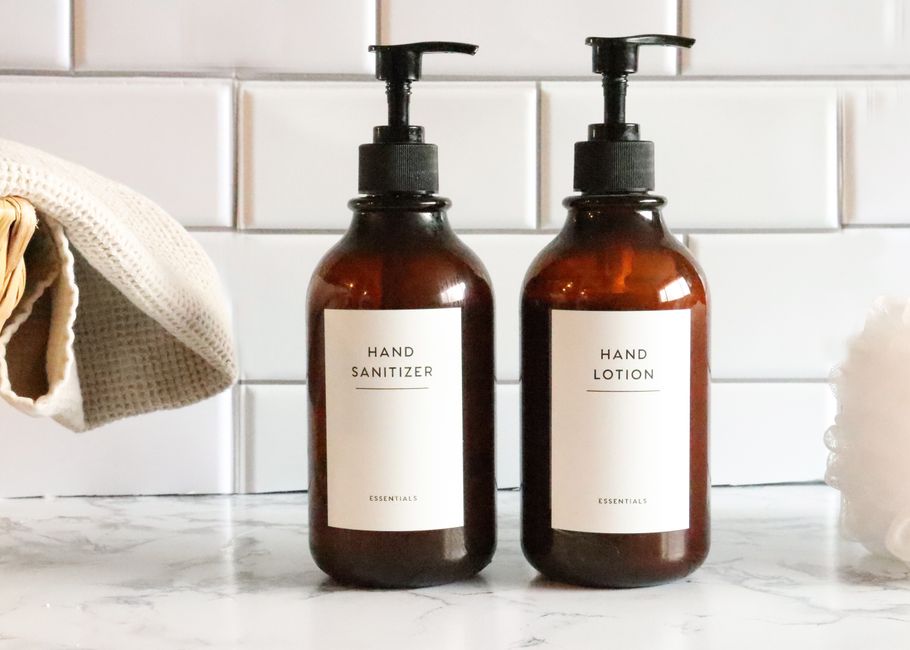
Swap your lightweight summer lotions for thicker, richer creams or balms. A good winter moisturizer should contain a mix of humectants (like glycerin or hyaluronic acid), emollients (like fatty acids, ceramides, or squalane), and occlusives (like petrolatum or shea butter) to prevent water loss. For instance, in Poland or Spain, you might find excellent local pharmacy brands offering rich, protective creams that are more affordable than international luxury options but equally effective.
The Unsung Hero: Sun Protection in Winter
It’s a common misconception that sunscreen is only necessary in summer. However, UV rays are present year-round, even on cloudy, snowy days. UVA rays, which contribute to premature aging and skin damage, penetrate clouds and windows. This makes consistent SPF application a critical component of any practical beauty and skincare routine for hydrating in dry winter weather.
Why SPF Still Matters
A compromised skin barrier, common in winter, is even more vulnerable to UV damage. Sun exposure can further weaken the barrier and increase inflammation, making dryness and sensitivity worse. Aim for a broad-spectrum sunscreen with an SPF of 30 or higher, applied as the last step in your morning routine. Many European sunscreens offer excellent texture and high protection, often with designations like PPD (Persistent Pigment Darkening) which indicates strong UVA protection, beyond just the SPF number.
Targeted Treatments: Retinols and Other Actives
Incorporating active ingredients like retinol can be beneficial, but winter requires a more cautious approach. Retinoids (a class of ingredients including retinol) are powerful for cell turnover and collagen production, but they can also cause dryness and irritation, especially when your skin barrier is already stressed.
Using Retinol Wisely in Winter
If you’re already using retinol, consider reducing the frequency of use (e.g., from every night to every other night) or switching to a lower concentration during the coldest months. Always apply it after your hydrating serum but before your rich winter moisturizer. The ‘sandwich method’ – applying moisturizer first, then retinol, then another layer of moisturizer – can also help buffer its intensity and reduce irritation. If you’re new to retinol, winter might not be the ideal time to start unless you proceed very slowly and carefully, always prioritizing skin barrier support.
Other Beneficial Actives
For additional hydration and barrier support, ingredients like niacinamide can be excellent. Niacinamide helps improve skin elasticity, reduce redness, and strengthen the barrier, making it a valuable addition to your practical beauty and skincare arsenal, especially for those with sensitive skin.
Lifestyle Adjustments for Optimal Winter Skin
Beyond the products you apply, certain lifestyle habits can significantly impact your skin’s hydration levels during winter. A practical beauty and skincare approach considers the whole picture.
Humidifiers: An Indoor Ally
The dry, heated air in our homes and offices is a major culprit for winter dryness. Investing in a humidifier for your bedroom or workspace can make a noticeable difference. By adding moisture back into the air, you help prevent your skin from losing its own moisture to the environment. This simple step complements your topical routine effectively.
Watch Your Shower Habits
While a hot shower feels amazing on a freezing day, prolonged exposure to very hot water can strip your skin of its natural oils, leading to more dryness. Try to keep your showers lukewarm and relatively short. Immediately after, while your skin is still damp, apply your body moisturizer to lock in that crucial moisture. This applies equally whether you’re in the US or enjoying a long bath in a European spa.
Hydration from Within
Don’t underestimate the power of drinking enough water. While topical hydration is essential, ensuring you’re adequately hydrated internally supports overall skin health. Combine this with a diet rich in healthy fats (like those found in avocados, nuts, and olive oil) to provide your skin with the building blocks it needs to thrive.
FAQ: Answering Your Winter Skincare Questions
What is the simplest beauty routine for healthy-looking skin in winter?
The simplest routine involves three steps: a gentle, hydrating cleanser, a rich moisturizer focused on ceramides and hyaluronic acid, and daily broad-spectrum SPF 30+. This core routine protects your skin barrier, prevents moisture loss, and shields against UV damage, crucial for maintaining skin health in dry, cold conditions.
Can I use the same skincare products in winter as I do in summer?
Generally, no. Winter weather demands richer, more occlusive products. Lighter lotions or gel moisturizers that might be perfect for summer humidity often aren’t sufficient for dry winter air. Swap to creamier cleansers and heavier moisturizers, and consider adding a hydrating serum to bolster your skin’s moisture barrier.
How often should I exfoliate dry winter skin?
For dry winter skin, reduce exfoliation frequency. Over-exfoliating can further compromise an already fragile skin barrier, leading to increased dryness and irritation. Stick to once or twice a week with a very mild chemical exfoliant (like a low-concentration PHA or lactic acid) or a gentle physical exfoliant, if tolerated.
Is retinol safe to use on sensitive skin during winter?
Retinol can be challenging for sensitive skin, especially in winter. If you have sensitive skin, start with the lowest concentration, use it infrequently (once or twice a week), and always apply it after or mixed with a rich moisturizer. Prioritize barrier-repairing ingredients like ceramides in your routine to counteract potential irritation.
What’s the best way to keep my hands from getting chapped in winter?
To combat chapped hands, apply a rich hand cream with ingredients like shea butter, glycerin, or petrolatum after every hand wash. Carry a travel-sized cream with you. For severe dryness, apply a thick layer before bed and wear cotton gloves to enhance absorption. Protecting them from cold with gloves when outdoors is also crucial.
Key Takeaways for Hydrated Winter Skin
Navigating dry winter weather doesn’t have to mean suffering through uncomfortable, flaky skin. By adopting a more thoughtful and practical beauty and skincare routine for hydrating in dry winter weather, you can maintain a healthy, comfortable complexion. Remember, the core principles revolve around gentle cleansing that respects your skin’s natural barrier and a layered approach to hydration, leveraging powerhouses like hyaluronic acid and ceramides.
Crucially, never underestimate the year-round importance of sun protection with SPF, even when the sun feels distant. And for those incorporating active ingredients, proceed with caution, always prioritizing your skin’s health and comfort. Simple lifestyle adjustments, like using a humidifier and minding your shower habits, further support your efforts.
Whether you’re battling the elements in the northern US, the often-damp winters of the UK, or the crisp air across Germany, France, Italy, Spain, or Poland, these insights provide a solid framework. Listening to your skin and making minor, consistent adjustments will ensure it remains happy and hydrated throughout the season. Explore more beauty guides on AtTheFashion for year-round skincare wisdom.


Leave feedback about this