

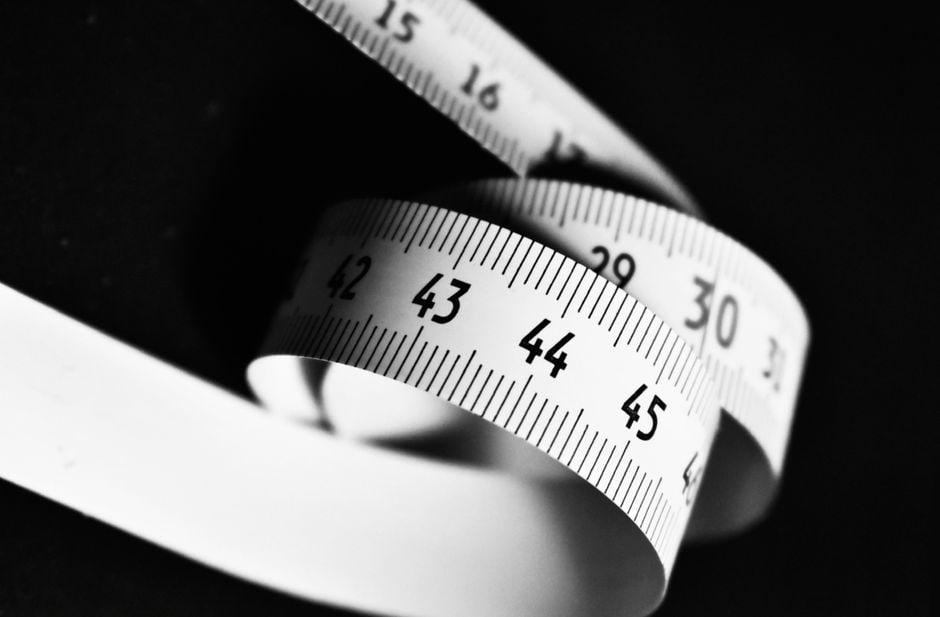
To find the right shoe size online for comfortable footwear, begin by accurately measuring both feet at the end of the day. Compare your measurements to the brand’s specific sizing chart, paying close attention to both length and width. Many brands, particularly those catering to European or US markets, have unique sizing; always refer to their size guide. Consider the shoe’s purpose – walking shoes for city breaks like London or Paris often require a bit more toe room. Read customer reviews for fit insights and check if the retailer offers free returns for a hassle-free exchange if needed.
Shopping for shoes online offers unparalleled convenience and selection, but it also introduces a unique challenge: ensuring the perfect fit without the benefit of trying them on. This is especially true when searching for comfortable footwear that can handle everything from a commute in New York to exploring European cobblestones in Rome or Paris. Getting the size right is paramount, impacting not just comfort but also foot health and the longevity of the shoe itself. A simple comparison of sizing strategies and a clear buyer FAQ can demystify the process.
Whether you’re after sturdy walking shoes for a trip, waterproof shoes for unpredictable weather, or just everyday comfortable footwear, knowing how to find the right shoe size online is a skill that saves time, money, and discomfort. Forget the frustration of ill-fitting shoes; with a few smart steps, you can confidently click ‘add to cart’.
Understanding the Global Shoe Size Maze: US, UK, and EU Systems
One of the biggest hurdles in online shoe shopping is the disparity between various sizing systems. The US, UK, and European (EU) sizing conventions are distinctly different, and even within these regions, variations can exist between brands. This is why a direct conversion often isn’t enough; you need to understand the underlying principles and, more importantly, how a specific brand translates these into their product.
US vs. UK Sizing: A Tale of Two Halves
Historically, US and UK shoe sizes are closely related but not identical. A common rule of thumb is that a UK men’s size is roughly half a size to a full size smaller than its US equivalent (e.g., a UK 9 might be a US 9.5 or 10). For women’s sizes, the difference can be even more pronounced, often a full size or more. This discrepancy stems from different measurement starting points and increments. When buying from a US brand for delivery to the UK, or vice versa, this can be a frequent source of error.
The European Standard: A Different Scale
European sizing, used widely across Germany, France, Italy, Spain, and Poland, operates on a completely different scale. It tends to use smaller increments, leading to a wider range of whole and half sizes. There isn’t a simple mathematical conversion that works perfectly across all brands. An EU 40, for instance, could correspond to a US women’s 9, a US men’s 7, or a UK women’s 6.5, but these are rough estimates. This system, while more granular, requires careful cross-referencing with a brand’s specific chart, especially if you’re accustomed to US or UK sizes.
The Golden Rule: Measure Your Feet Accurately
No matter where you’re buying from, the most reliable way to find the right shoe size online is to start with your actual foot measurements. This might sound obvious, but many people don’t do it regularly, or they rely on an old measurement. Our feet can change size over time due to age, weight fluctuations, pregnancy, or even just the time of day.
How to Measure Your Feet at Home
- Time it Right: Measure your feet at the end of the day when they are typically at their largest.
- Gear Up: You’ll need a piece of paper (larger than your foot), a pen or pencil, and a ruler or tape measure.
- Barefoot Best: Remove your socks (unless you plan to wear thick socks with the shoes, in which case, wear them).
- Trace Your Foot: Place the paper on a hard, flat surface. Step onto the paper with your heel lightly touching a wall. Trace the outline of your foot. Hold the pen perpendicular to the paper to get an accurate outline.
- Measure Length: Use the ruler to measure the distance from the longest toe to the heel.
- Measure Width: Measure the widest part of your foot across the ball.
- Repeat for Both: Always measure both feet. It’s common for one foot to be slightly larger than the other. Use the measurements from your larger foot.
Keep these measurements handy. They are your baseline for navigating any brand’s size chart.
How to Break In New Shoes Without Blisters: Your Comprehensive Guide to Comfortable Footwear
Leveraging Brand-Specific Sizing Charts and Fit Guides
This is where your foot measurements become invaluable. Every reputable online retailer and brand will have a sizing chart, often linked directly from the product page. Do not skip this step! A brand’s ‘size 9’ might not be the same as another brand’s ‘size 9’.
Decoding Size Charts
Look for charts that list measurements in centimeters (cm) or inches alongside the US, UK, and EU sizes. This allows you to match your measured foot length and width directly. Some charts also provide specific recommendations, such as ‘if you are between sizes, go up a size’. This is particularly important for comfortable footwear where a snug but not tight fit is key.
Reading Customer Reviews for Fit Insights
Online reviews are a treasure trove of real-world fit information. Look for comments like: ‘runs true to size,’ ‘runs small, size up,’ or ‘runs wide.’ Pay attention to reviews from people who mention similar foot types or specific activities, especially if you’re looking for walking shoes or travel footwear. If multiple reviews for a particular waterproof shoe say it feels tight in the toe box, that’s crucial intelligence.
Material Matters: How Materials Affect Fit
The material of the shoe can significantly impact how it feels and fits. Leather, especially natural leather, tends to stretch and mold to your foot over time. Synthetic materials or rigid designs, like some hiking boots, will offer less give. For a comfortable footwear guide, consider whether the material will soften or remain firm. A waterproof shoe made with a stiff membrane, for example, might feel less forgiving initially than a soft leather loafer.
Special Considerations for Different Footwear Types
The ‘right’ size isn’t just about length and width; it’s also about the shoe’s intended use.
Walking Shoes and Travel Footwear
When you’re planning to spend hours on your feet, perhaps exploring the historic streets of London or Chicago, fit becomes even more critical. For walking shoes, you generally want a bit more room in the toe box to prevent rubbing and accommodate natural foot swelling throughout the day. A thumb’s width between your longest toe and the end of the shoe is often recommended. If you’ll be wearing thick socks, factor that into your measurement.
Waterproof Shoes and Boots
Waterproof shoes, like hiking boots or wellies, often have internal membranes that can make them feel slightly tighter than a non-waterproof equivalent. Some brands design these with a little extra space, others don’t. Always check the specific brand’s recommendation. You don’t want your toes crammed when navigating rainy European cobblestones.
Comfortable Office Shoes for Long Workdays: Budget-Friendly Options for US and European Shoppers
Orthotics and Arch Support
If you use custom orthotics or require extra arch support, you’ll need to account for this. Some shoes have removable insoles to accommodate orthotics, while others are designed with integrated support. You might need to size up half a size or choose a wider fit to ensure your orthotics fit comfortably without making the shoe too tight.
What Makes a Shoe Comfortable for Walking All Day?
A shoe is comfortable for walking all day when it offers a combination of proper fit, adequate cushioning, flexible construction, and breathable materials. Firstly, the fit must be spot-on: no pinching, rubbing, or excessive slipping, with sufficient room in the toe box. Secondly, good cushioning absorbs impact, reducing stress on joints, while a flexible sole allows for natural foot movement. Lastly, breathable materials prevent moisture buildup, keeping feet dry and minimizing blisters, which is essential whether you’re commuting in Paris or sightseeing in New York.
Buyer FAQ: Your Questions Answered
What if my feet are different sizes?
It’s very common for one foot to be slightly larger than the other. Always buy shoes based on the size of your larger foot. A shoe that is too small for one foot will cause discomfort and potential injury, while a slightly larger shoe on the smaller foot can often be remedied with an insole or thicker sock if needed.
How much toe room should I have in my shoes?
For most closed-toe shoes, especially walking shoes and travel footwear, aim for about a thumb’s width (approximately 1/2 inch or 1.25 cm) between your longest toe and the end of the shoe. This allows for natural foot splay and swelling throughout the day, preventing your toes from hitting the front of the shoe with each step.
Should I size up for width or length if a shoe feels tight?
If a shoe feels tight, first re-evaluate your measurements against the brand’s specific size chart. If it’s tight in width, look for ‘wide’ or ‘W’ options; do not size up in length, as this will make the shoe too long and cause tripping. If it’s too short, then yes, size up in length. Prioritizing correct length and then addressing width is key for comfortable footwear.
How do different shoe brands compare in sizing?
Shoe brands can vary significantly. For example, some running shoe brands might run consistently half a size small, while a designer brand might be known for a generous fit. There’s no universal conversion; always consult the specific brand’s sizing chart. Check reviews for specific models, as even within a brand, different styles can fit differently.
What is a good return policy to look for when buying shoes online?
Look for retailers offering free returns and exchanges, ideally within a 30-60 day window. This allows you to try shoes on at home with the socks you intend to wear and walk around to assess the fit properly. A clear, customer-friendly return policy minimizes risk when purchasing comfortable footwear online.
Are there any online tools that help with shoe sizing?
Yes, some advanced online retailers offer virtual try-on tools, augmented reality apps, or AI-powered size recommendation engines. These often integrate data from customer returns and foot scans to suggest the best size based on your past purchases or other brands you wear. While helpful, always cross-reference these recommendations with your own foot measurements.
Conclusion: Confidence in Every Step
Finding the right shoe size online, especially when seeking comfortable footwear for travel or daily wear, doesn’t have to be a gamble. By consistently measuring your feet, diligently checking brand-specific size charts, and leveraging the collective wisdom of customer reviews, you can make informed decisions. Remember that a great pair of walking shoes can make all the difference, whether you’re exploring the historic landmarks of London, navigating the bustling streets of Paris, or enjoying a quiet evening stroll. Equip yourself with the right knowledge, and step out in comfort and confidence. Explore more footwear guides on AtTheFashion.


Leave feedback about this