

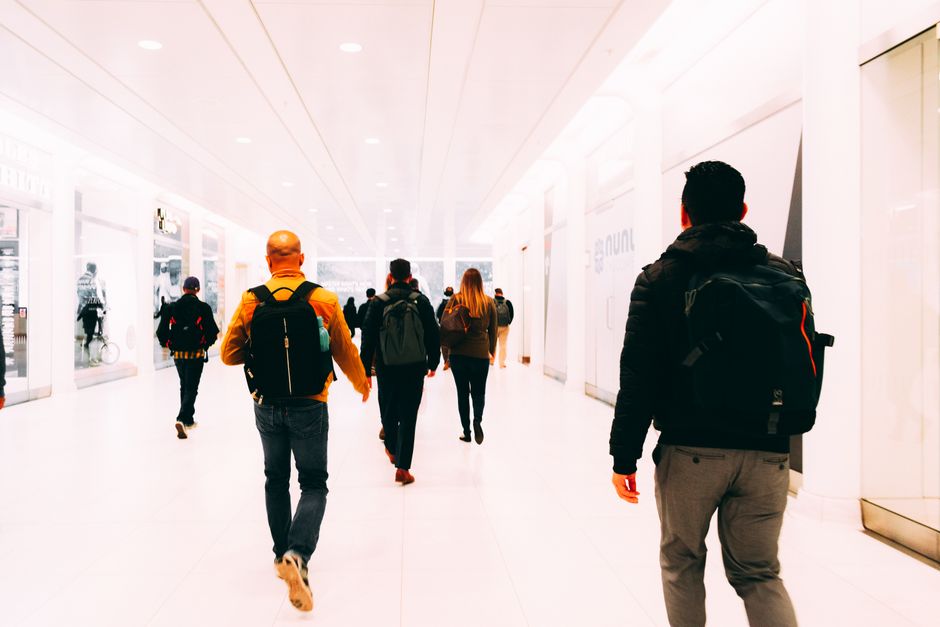
Choosing the right bag for work and travel involves balancing material durability, organizational features, and comfort, alongside aesthetic preferences. Leather offers timeless elegance and robust protection, but requires specific conditioning. Fabric bags, especially those made from nylon or canvas, are often lighter and more weather-resistant, making them ideal for varied climates and rougher use. For frequent travelers, an anti-theft design, laptop compartment, and compliance with airline carry-on dimensions (think Ryanair or easyJet) are crucial. Prioritizing bags that are easy to clean and maintain ensures they remain functional and presentable, whether you’re navigating London’s Underground or a bustling New York terminal.
When you invest in a quality bag for work and travel, whether it’s a sleek leather briefcase for your daily commute to London or a sturdy fabric backpack for adventures across Europe, you’re not just buying an accessory; you’re acquiring a reliable companion. Yet, many frequent travelers overlook the vital step of proper bag care. The reality is, a well-maintained bag not only looks better but also performs better, protecting your essentials through countless journeys, from navigating airport security like the TSA in the US to enduring crowded trains in Paris.
Understanding the nuances of caring for both leather and fabric bags ensures longevity and preserves their aesthetic appeal, making them truly the best bags for travel and work. This isn’t about overly complicated routines, but rather smart habits that keep your investment looking pristine, journey after journey.
Understanding Your Bag’s Material: Leather vs. Fabric
The first step in effective bag care is knowing your material. Leather and fabric bags each have distinct characteristics and require different approaches to cleaning and maintenance. A common mistake is treating all bags the same, which can lead to damage or premature wear.
The Timeless Appeal of Leather Bags
Leather bags, from structured totes to elegant crossbodies, offer unparalleled durability and a sophisticated aesthetic. They age beautifully, developing a unique patina over time, but this natural process requires some intervention to prevent drying, cracking, and staining. Types of leather range from full-grain (most durable, natural finish) to corrected-grain (treated surface, more uniform look) and suede/nubuck (napped finish, delicate). Each has slightly different care needs.
Routine Care for Leather
- Regular Wiping: Use a soft, dry, lint-free cloth to gently wipe down your leather bag after each use. This removes dust and light surface dirt, preventing buildup that can dull the leather.
- Conditioning: Leather is skin, and it needs moisture. Every 3-6 months, or more frequently if you live in a dry climate or use the bag often for travel, apply a good quality leather conditioner. This keeps the leather supple and prevents cracking. Test on an inconspicuous area first.
- Protection from Elements: Avoid prolonged exposure to direct sunlight, extreme heat, or excessive moisture. If your bag gets wet, gently blot it dry with a clean cloth and let it air dry away from direct heat. Never use a hairdryer.
Dealing with Stains on Leather
For everyday spills like water or light oil, a quick blot with a clean cloth is often sufficient. For tougher stains:
Carry-On Bags for a Seven-Day Holiday: Budget-Friendly Choices for US and European Buyers
- Water Stains: Gently dampen the entire affected area with a clean, damp cloth, then blot dry and let it air dry evenly. This can help prevent a permanent water ring.
- Oil/Grease Stains: Sprinkle a small amount of cornstarch or talcum powder on the stain, let it sit for several hours or overnight to absorb the oil, then brush off gently. Repeat if necessary.
- Ink Stains: These are tricky. For small, fresh ink marks, a tiny dab of rubbing alcohol on a cotton swab can sometimes work, but proceed with extreme caution and test first. Professional cleaning is often the safest bet for ink.
The Practicality of Fabric Bags
Fabric bags, encompassing everything from durable canvas laptop bags to lightweight nylon carry-on bags, are often chosen for their versatility, lighter weight, and resistance to water. They’re excellent choices for students, commuters, and anyone needing a practical option for their best bags for travel and work.
Routine Care for Fabric
- Regular Brushing/Vacuuming: Use a soft brush or a small vacuum cleaner attachment to remove dust and crumbs from the interior and exterior of your fabric bag regularly.
- Spot Cleaning: For most fabric bags, a mild soap (like diluted dish soap) mixed with water, applied with a clean cloth, works well for spot cleaning. Gently rub the affected area, then wipe with a damp cloth to rinse, and air dry.
- Machine Washing (with caution): Some sturdy fabric bags, particularly those made of nylon or canvas without rigid structures or leather accents, can be machine washed on a gentle cycle with cold water. Always check the care label first! Remove all contents, turn the bag inside out if possible, and place it in a laundry bag to protect zippers and hardware. Air dry thoroughly.
Dealing with Stains on Fabric
- General Stains: For most fabric types, a paste of baking soda and water can be applied to tough stains, left for 30 minutes, then gently scrubbed with a soft brush and rinsed.
- Mud Stains: Let the mud dry completely, then brush off as much as possible. Follow with spot cleaning using mild soap and water.
- Grease Stains: Similar to leather, sprinkling cornstarch or talcum powder can help absorb the grease before spot cleaning.
Choosing the Best Bags for Travel and Work: Beyond Aesthetics
Selecting the right bag isn’t just about how it looks; it’s about how it performs for your lifestyle. For travelers, commuters, and professionals, functionality dictates longevity and satisfaction. When considering best bags for travel and work, think about your typical journey.
Factors for Frequent Travelers and Commuters
For those frequently on the go, whether you’re hopping on a Ryanair flight for a weekend in Germany or navigating the morning rush in New York, specific features are paramount:
- Durability: Look for solid materials. Ballistic nylon is excellent for carry-on bags, offering superior abrasion resistance. Full-grain leather, though heavier, stands the test of time.
- Organization: Multiple compartments, padded laptop bags, and easy-access pockets for passports (crucial for quick checks by TSA or airport staff in Europe) make a huge difference.
- Security: Anti-theft bags with lockable zippers, RFID-blocking pockets, and slash-resistant materials offer peace of mind, especially in crowded tourist spots like the Eiffel Tower in Paris or bustling markets in Italy.
- Size & Weight: Airlines like easyJet have strict cabin bag dimensions. A lightweight bag maximizes your packing allowance.
Protecting Your Investment While Traveling
Travel subjects bags to extra stress. Here’s how to mitigate it:
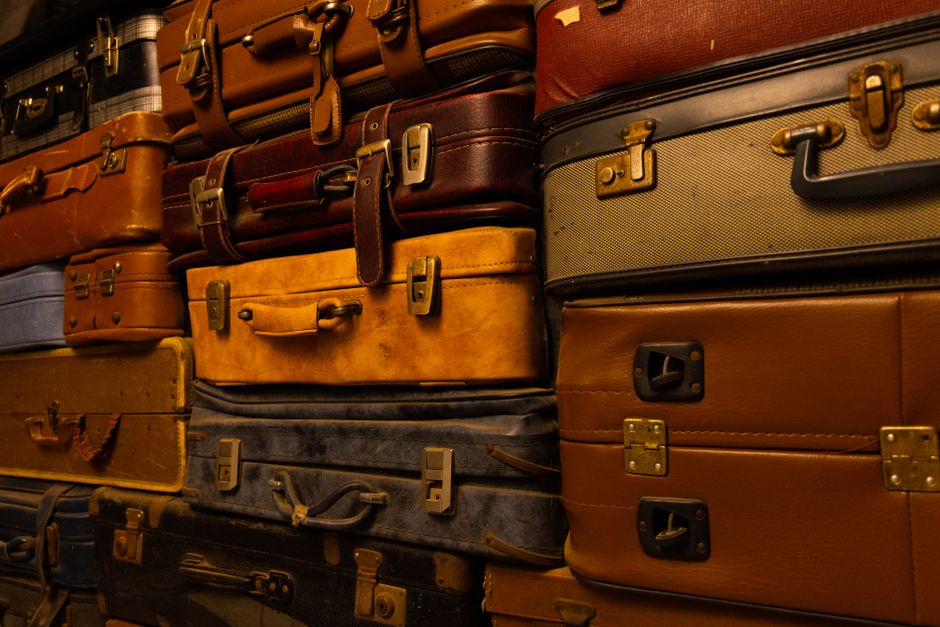
- Use Dust Bags: When storing, especially between trips, place your leather bags in a breathable dust bag to protect them from dust and scratches. For fabric bags, this also helps prevent mildew if stored in a humid environment.
- Avoid Overpacking: Overfilling a bag strains zippers, seams, and handles, leading to premature wear. Distribute weight evenly.
- Mind the Environment: Be aware of where you place your bag. Don’t leave a valuable leather bag on a damp train floor or a fabric bag where it can easily snag on sharp edges.
- Regular Inspection: Before and after trips, check zippers, seams, and hardware for any signs of wear. Early detection of a loose stitch can prevent a larger problem.
Advanced Care and Professional Help
When to Seek Professional Cleaning
Some stains or types of damage are beyond DIY solutions. For delicate leathers, intricate designs, or severe stains on either leather or fabric, a professional cleaner specializing in bags is your best bet. They have the expertise and tools to restore your bag without causing further damage. This is particularly true for high-value designer bags or vintage pieces.
Storage Solutions for Longevity
How you store your bags when not in use significantly impacts their lifespan. Store them in a cool, dry place away from direct sunlight and extreme temperatures. For structured leather bags, stuffing them lightly with acid-free tissue paper or bubble wrap helps maintain their shape. Avoid hanging heavy bags by their handles for extended periods, as this can stretch the leather or fabric.
Crossbody Bags for Safe City Travel: A Practical Size and Features Checklist
FAQ: Your Bag Care Questions Answered
How do I choose the right bag for work and travel?
To choose the right bag, prioritize function. For work, consider a structured laptop bag or briefcase with multiple compartments for documents. For travel, focus on durability, airline-compliant dimensions (for carriers like Ryanair), and security features like anti-theft designs. Look for materials that suit your lifestyle – elegant leather for formal settings or solid fabric for rugged adventures.
Can I use universal cleaners on both leather and fabric bags?
No, universal cleaners are generally not recommended. Leather requires specific pH-balanced cleaners and conditioners to prevent drying or discoloration. Fabric bags often tolerate mild soaps, but harsh chemicals can damage fibers or cause fading. Always use products specifically formulated for your bag’s material and test them on an inconspicuous area first.
How often should I clean my travel bag?
The frequency depends on usage. For daily commuters or frequent travelers, a quick wipe-down of leather bags and a brush-off of fabric bags after each use is ideal. Deeper cleaning for leather (conditioning) should be done every 3-6 months, and fabric bags can be spot-cleaned as needed, or machine washed (if allowed) every few months, especially after a long trip.
What should I do if my bag gets wet in the rain?
If your leather bag gets wet, immediately blot it dry with a clean, soft cloth and let it air dry naturally, away from direct heat sources. For fabric bags, you can typically wipe them down and air dry. Never put leather near a radiator or use a hairdryer, as this can cause cracking. Ensure the bag is completely dry before storing.
Are anti-theft features worth it for international travel?
Absolutely. Anti-theft features like lockable zippers, RFID-blocking pockets, and slash-resistant fabric provide significant peace of mind, especially in crowded tourist destinations like major European cities or bustling transport hubs. They deter opportunistic thieves and help protect your valuables, including passports and credit cards, from both physical theft and digital skimming.
How do I remove odors from my bag?
To remove odors, sprinkle baking soda inside your bag, let it sit overnight (or longer for stubborn odors), then vacuum it out. For leather, airing it out in a well-ventilated area can help. You can also place a sachet of activated charcoal or dryer sheets inside the bag. Ensure the bag is completely dry before attempting odor removal to prevent mildew.
Preserve Your Companion, Enhance Your Journey
Caring for your leather and fabric bags isn’t a chore; it’s an essential part of owning them, especially when they serve as your reliable partners for work and travel. By implementing these practical tips, you ensure your best bags for travel and work not only look impeccable but also perform flawlessly, journey after journey, whether you’re navigating the bustling streets of New York or exploring the historic sites of Rome. Invest a little time in care, and your bags will repay you with years of faithful service. For more insights on finding the perfect travel and work companions, explore more bags guides on AtTheFashion.






Leave feedback about this