

When you hear ‘retinol,’ images of glowing, youthful skin often come to mind, but for many busy adults, the journey to achieving those results can seem complicated. It’s easy to get lost in the sheer volume of products and advice available, whether you’re browsing the aisles of a Boots in the UK, a Douglas in Germany, or Sephora across the US and France. The truth is, integrating retinol into your skincare doesn’t have to be complex or time-consuming. It’s about understanding the basics and building a sustainable routine.
Many people delay trying retinol because they worry about irritation, sensitivity, or simply not knowing where to start. This practical beauty and skincare guide for adults aims to demystify the process, providing a straightforward approach that minimizes common pitfalls and sets you up for success. We’ll cover the essential ingredients, the correct steps, and crucial mistakes to avoid, ensuring your skin barrier stays intact while you reap the benefits.
Understanding Retinol: Why the Buzz?
Retinol, a derivative of Vitamin A, is a powerhouse ingredient celebrated for its ability to accelerate skin cell turnover. This means it helps shed old skin cells faster, revealing fresher, more youthful skin beneath. For adults, this translates to noticeable improvements in fine lines, wrinkles, uneven skin tone, and texture. It can also help with acne and pore appearance. Its efficacy is why dermatologists and beauty editors worldwide consistently recommend it.
However, retinol’s potency requires a careful introduction. It’s not a ‘more is more’ ingredient, especially for those with sensitive skin. The key is to start slow and low, giving your skin ample time to adjust. Think of it as a marathon, not a sprint, allowing your skin to build tolerance and avoid adverse reactions like redness, peeling, or dryness – often referred to as ‘retinization’.
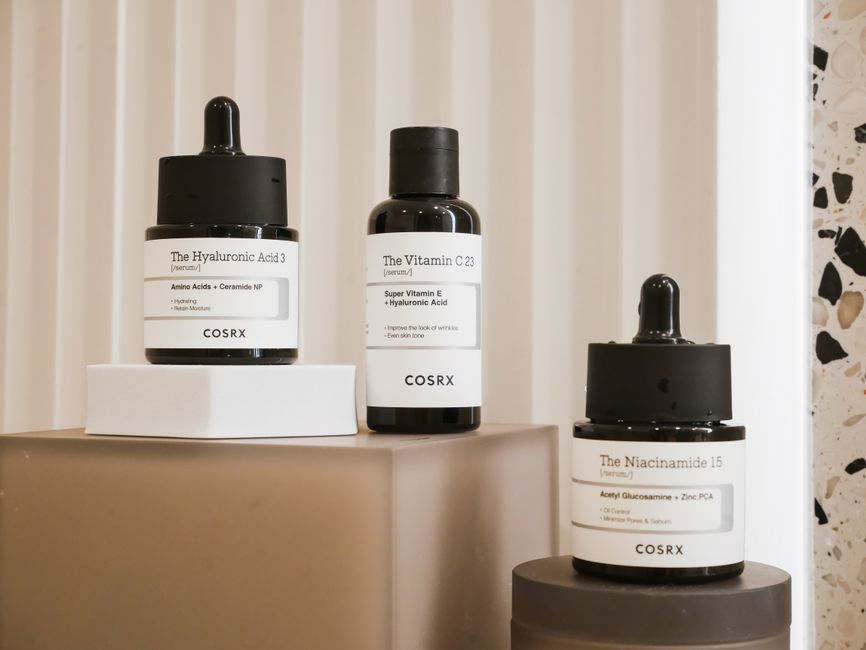
When selecting a retinol product, you’ll often see percentages listed, typically ranging from 0.1% to 1%. For beginners, a concentration of 0.1% to 0.25% is an excellent starting point. Brands like La Roche-Posay, Olay, and CeraVe offer accessible, lower-strength retinol formulas specifically designed for gradual introduction, available widely from pharmacies in Spain to supermarkets in Poland.
Your Practical Beauty and Skincare Guide: A Beginner Retinol Routine for Adults
Adopting a new skincare routine, especially one involving a potent active like retinol, requires patience and consistency. Here’s a step-by-step practical beauty and skincare guide tailored for busy adults and beginners, focusing on protecting your skin barrier and achieving optimal results.
Step 1: Gentle Cleansing
Start your evening routine with a mild, hydrating cleanser. Avoid harsh foaming cleansers that can strip your skin’s natural oils, especially when using retinol. Look for cleansers that contain hydrating ingredients like glycerin or hyaluronic acid. A clean canvas allows subsequent products to penetrate effectively.
Step 2: Apply a Barrier-Supporting Layer (Optional but Recommended)
This is a crucial step for preventing irritation, particularly for sensitive skin. After cleansing, apply a thin layer of a hydrating serum or a light moisturizer. Products rich in ceramides, hyaluronic acid, or niacinamide can create a buffer, helping to strengthen your skin barrier before retinol application. This is often called the ‘sandwich method’ and is a practical advantage for new retinol users.
Step 3: Pea-Sized Retinol Application
Once your skin is dry (this is important to prevent excessive penetration and irritation), take a pea-sized amount of your retinol product. This small amount is sufficient for your entire face and neck. Gently dot it across your face and massage it in evenly. Remember, less is often more with retinol.
How to Choose Makeup for Your Skin Undertone: Practical Advice for US and European Shoppers
Step 4: Lock in Moisture
Wait a few minutes for the retinol to absorb, then follow up with a rich, nourishing moisturizer. This step helps to seal in hydration and further support your skin barrier, mitigating potential dryness or flakiness that can arise from retinol use. Look for moisturizers with occlusive ingredients like shea butter or squalane.
Step 5: Sun Protection is Non-Negotiable (Morning Routine)
This is arguably the most critical step when using retinol. Retinol increases your skin’s sensitivity to the sun, making broad-spectrum SPF an absolute must every single morning, regardless of the weather. Choose an SPF 30 or higher. Even on cloudy days or when indoors near windows, UV rays can still cause damage. Brands like Eucerin, Heliocare, and Riemann P20 are widely available in Europe and offer solid protection.
Step 6: Start Slow, Go Slow
For the first 2-4 weeks, apply retinol just 2-3 nights a week. Observe how your skin reacts. If there’s no significant irritation, you can gradually increase frequency to every other night, and eventually, if your skin tolerates it well, every night. Listen to your skin – if you experience excessive dryness, redness, or peeling, scale back your usage.
Retinoid Options: A Comparison for Beginners
While ‘retinol’ is often used generically, it’s part of a broader family of vitamin A derivatives called retinoids. Here’s a quick comparison of what you might encounter and what’s suitable for a beginner.
| Type of Retinoid | Strength/Potency | Availability | Best For Beginners? |
|---|---|---|---|
| Retinyl Palmitate | Mildest | Over-the-counter (OTC) | Yes, very gentle start |
| Retinol | Moderate | Over-the-counter (OTC) | Yes, start with low concentrations (0.1-0.25%) |
| Retinaldehyde (Retinal) | Stronger than Retinol | Over-the-counter (OTC) | Maybe, for slightly more experienced users; can be irritating for true beginners |
| Tretinoin (Retinoic Acid) | Strongest | Prescription-only | No, not for beginners; requires medical supervision |

Common Mistakes to Avoid When Starting Retinol
Even with the best intentions, it’s easy to make missteps that can derail your retinol journey. Being aware of these common mistakes can save you discomfort and help you achieve better results.
Over-Exfoliating
Retinol is a powerful exfoliant in itself. Combining it with other strong exfoliants like AHAs (glycolic, lactic acids), BHAs (salicylic acid), or physical scrubs can overwhelm your skin, leading to irritation, redness, and a compromised skin barrier. During the initial weeks of retinol use, it’s best to pause these other exfoliating treatments. Once your skin adjusts, you might reintroduce them sparingly on alternate nights, but always proceed with caution.
Using Too Much Too Soon
The temptation to slather on more product for faster results is common, but with retinol, this backfires dramatically. A pea-sized amount is truly all you need for your entire face and neck. Starting with a high concentration or applying it every night from day one is a recipe for irritation. Gradual introduction is key to building tolerance and minimizing unwanted side effects like flaking or dryness.
Neglecting Hydration and Sun Protection
Retinol can be drying and increases your skin’s sensitivity to UV radiation. Skipping a rich moisturizer, especially after retinol application, or neglecting daily SPF, are significant errors. These omissions not only undermine retinol’s benefits but can also lead to long-term skin damage, including hyperpigmentation and premature aging, counteracting the very reasons you started using retinol.
Your Ultimate Guide to the Best Sunscreen Routine for Everyday City Life
Not Being Patient
Skincare is a marathon, not a sprint. Visible results from retinol typically take 8-12 weeks, sometimes longer. Many beginners give up too soon, or worse, increase usage aggressively when they don’t see immediate changes. Be consistent, follow your routine, and trust the process. Your skin needs time to adapt and regenerate.
Mixing with Incompatible Ingredients
While not an exhaustive list, certain ingredient combinations should be approached with caution. As mentioned, combining retinol with other strong exfoliants can be problematic. Also, some forms of Vitamin C can destabilize retinol, although modern formulations often account for this. When in doubt, apply Vitamin C in the morning and retinol at night, or consult a dermatologist, particularly if you have specific skin concerns or sensitivities.
FAQ: Your Retinol Questions Answered
What is the simplest beauty routine for healthy-looking skin?
For healthy skin, a simple routine involves three core steps: cleanse, moisturize, and protect with SPF. In the morning, gently cleanse, apply a hydrating moisturizer, and finish with a broad-spectrum SPF 30+. In the evening, cleanse again, and apply your moisturizer. This foundational approach supports skin health and allows you to introduce actives like retinol strategically.
Can I use retinol if I have sensitive skin?
Yes, but with extra caution. Start with the lowest concentration available (e.g., 0.05% or 0.1%), apply it only once or twice a week, and always use the ‘sandwich method’ by applying moisturizer before and after retinol. Incorporate products rich in ceramides and hyaluronic acid to bolster your skin barrier. If irritation persists, consult a dermatologist.
How long does it take to see results from retinol?
Patience is key with retinol. While some minor textural improvements might be noticed within a few weeks, significant changes in fine lines, wrinkles, and hyperpigmentation typically take 8 to 12 weeks of consistent use. For optimal results, many dermatologists recommend continuous use for at least six months.
Do I really need to wear SPF every day with retinol?
Absolutely. Retinol makes your skin more sensitive to the sun, increasing its susceptibility to UV damage. Skipping SPF can lead to sunburn, hyperpigmentation, and negate the anti-aging benefits of retinol. A broad-spectrum SPF 30+ applied daily, even on cloudy days, is non-negotiable for anyone using retinoids.
What is the difference between retinol and retinoids?
Retinoid is an umbrella term for all vitamin A derivatives. Retinol is a specific type of retinoid, often found in over-the-counter products. Other retinoids include prescription-strength tretinoin (retinoic acid) and over-the-counter retinaldehyde (retinal) or retinyl palmitate, all varying in potency and conversion steps required in the skin.
What ingredients should I avoid mixing with retinol?
When starting retinol, it’s best to avoid using strong exfoliating acids like AHAs (glycolic, lactic acid) and BHAs (salicylic acid) simultaneously, as this can lead to excessive irritation. If you wish to use them, alternate nights. Also be cautious with certain forms of Vitamin C; if unsure, apply Vitamin C in the morning and retinol at night.
Embarking on a retinol journey doesn’t have to be daunting. With this practical beauty and skincare guide for adults, you’re equipped to introduce this transformative ingredient into your routine safely and effectively, paving the way for healthier, more radiant skin. For more insightful beauty and skincare advice, explore more beauty guides on AtTheFashion.






Leave feedback about this