


When winter descends, bringing with it a picturesque but often treacherous blanket of snow and ice, the challenge of staying upright on the streets becomes very real. Whether you’re commuting in Chicago, exploring the historic lanes of London, or simply running errands in Rome, the right footwear is not just about warmth—it’s about safety. Choosing winter boots with grip for icy streets is a critical decision, impacting everything from your daily comfort to preventing potentially serious falls. This isn’t a purchase to take lightly; it’s an investment in your well-being.
Finding truly comfortable footwear, especially winter boots that offer reliable grip on icy streets, requires a discerning eye. It means looking beyond aesthetics to understand the science of sole design, the benefits of advanced insulation, and the nuances of a proper fit. Our goal is to equip you with the knowledge to make an informed choice, ensuring your next pair of winter boots keeps you secure and comfortable no matter how slick the conditions get.
The Foundation of Grip: Outsole Technology and Materials
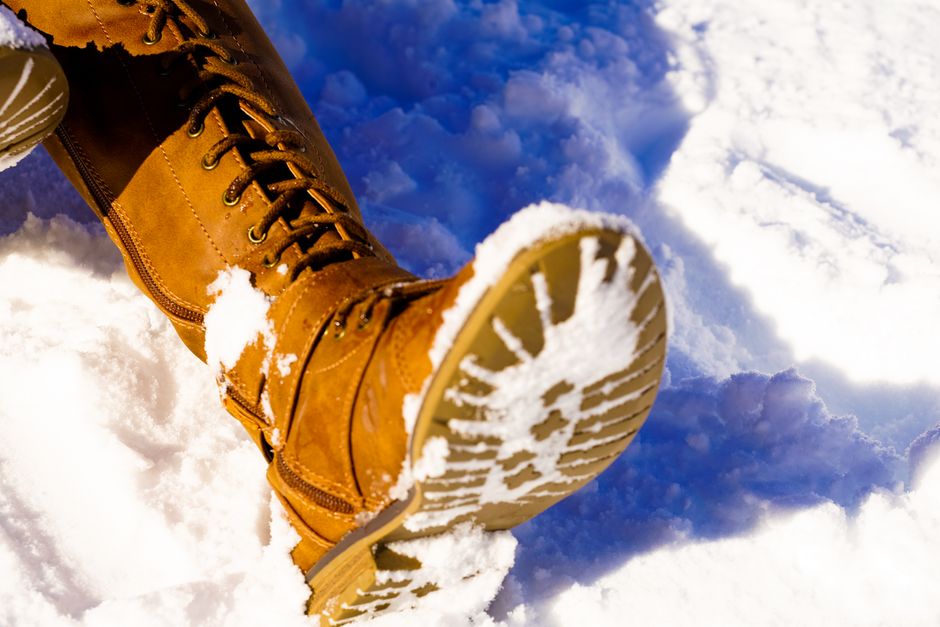
The most crucial element of any winter boot designed for icy conditions is its outsole. This is where the rubber literally meets the road, or in this case, the ice. Not all rubber is created equal, and understanding the differences can save you a painful slip. Look for outsoles specifically engineered for low temperatures and wet, slick surfaces. These often feature specialized rubber compounds that remain flexible in freezing conditions, providing better traction than standard rubber which can stiffen and become less effective.
Lug Patterns: Your Anti-Slip Strategy
- Multi-Directional Lugs: A good winter boot will have a lug pattern that works in multiple directions. This is vital for grip on varied surfaces—think forward motion on ice, braking on slush, and lateral stability on uneven terrain. Deep, aggressive lugs are excellent for snow, while smaller, more numerous sipes (razor-thin cuts) are designed to flex and create suction on smooth ice.
- Spaced vs. Close Lugs: Widely spaced lugs tend to shed snow and mud better, preventing buildup that can reduce traction. Tightly packed, shallow lugs, often combined with siping, excel on pure ice. For general winter use, a balance between these two approaches usually performs best.
- Rubber Compounds: Certain brands, like Vibram Arctic Grip, have developed proprietary rubber compounds specifically for enhanced traction on wet ice. These are often distinguishable by flecks of color or specific branding on the sole. While not the only solution, they represent a high standard in grip technology.
Beyond Grip: Comfort and Support for All-Day Wear
What makes a shoe comfortable for walking all day? When it comes to comfortable footwear, especially winter boots with grip for icy streets, the internal construction is just as important as the external grip. You might be navigating the bustling avenues of New York or the historic European cobblestones; in either scenario, foot fatigue is a significant concern. A truly comfortable boot supports your foot through every step, hour after hour.
Key Comfort Features to Prioritize:
- Cushioning and Midsole: A responsive and well-cushioned midsole, often made from EVA or polyurethane, absorbs impact and provides energy return. This is critical for reducing fatigue during long walks, whether you’re power-walking to work in London or exploring the Christmas markets in Berlin.
- Arch Support: Proper arch support prevents overpronation or supination, maintaining the natural alignment of your foot and ankle. Individuals with specific arch needs might benefit from boots with removable insoles, allowing for custom orthotics.
- Ankle Support and Collar Padding: A well-padded collar and adequate ankle support provide stability on uneven surfaces and prevent chafing. This is particularly important when traversing slushy pathways or navigating icy steps in cities like Paris or Chicago.
- Lining and Breathability: While warmth is essential, breathability prevents sweat buildup, which can lead to cold feet. Many quality winter boots use moisture-wicking linings (e.g., fleece, synthetic blends) that draw moisture away from the skin, keeping feet dry and comfortable.
Waterproof and Insulated: The Essential Duo for Winter Protection
Imagine trudging through slush in a major city like New York or exploring a snowy trail in the German Alps. Cold, wet feet are a recipe for discomfort and potential frostbite. This is why waterproofing and insulation are non-negotiable for winter boots.
Staying Dry: Waterproof Technologies
Look for boots that explicitly state they are waterproof, not just water-resistant. Waterproofing typically comes in two forms:
- Membrane Technology: Brands like GORE-TEX, eVent, or their proprietary equivalents use a breathable waterproof membrane layered between the outer material and the lining. This allows moisture vapor (sweat) to escape while preventing external water from entering. This is the gold standard for keeping feet dry in all but complete submersion.
- Treated Uppers: Leather or synthetic uppers treated with durable water repellent (DWR) coatings offer an initial line of defense, causing water to bead up and roll off. However, these treatments can wear off over time and don’t provide the same level of protection as a full membrane.
Staying Warm: Insulation Ratings
Insulation is measured in grams, indicating the density of the insulating material. The amount you need depends on your activity level and the typical temperatures you’ll encounter:
Comfortable Office Shoes for Long Workdays: Budget-Friendly Options for US and European Shoppers
- 100-200 grams: Suitable for mild winter days or active use where your body generates a lot of heat. Good for brisk walks through London’s parks.
- 400-600 grams: Ideal for colder conditions and moderate activity. A great choice for most European and US cities that see proper winter.
- 800+ grams: Reserved for extreme cold, prolonged outdoor exposure, or minimal activity. Think serious winter sports or stationary work in very cold climates.
Fit and Sizing: The Unsung Hero of Comfortable Footwear
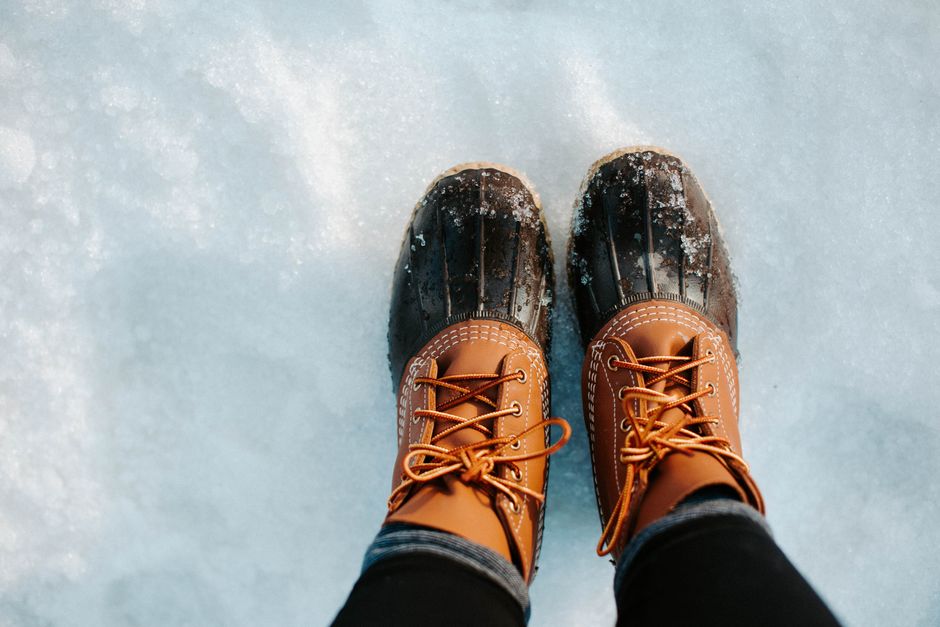
Even the most advanced boot with superior grip and insulation will fail if the fit is wrong. A common mistake is buying boots too small, which compresses insulation and restricts blood flow, making feet colder. Conversely, boots that are too large lead to rubbing, blisters, and instability.
Tips for Achieving the Perfect Fit:
- Try Them On: Always try on boots with the type of socks you intend to wear (e.g., thick wool socks).
- Time of Day: Feet swell slightly throughout the day, so trying on boots in the afternoon or evening can give a more accurate fit.
- Toe Room: Ensure you have about a thumb’s width of space between your longest toe and the end of the boot. Your toes should be able to wiggle freely.
- Heel Lock: Your heel should feel secure with minimal slippage when you walk. Excessive heel lift can cause blisters.
- Snug, Not Tight: The boot should feel snug across the top of your foot and around the ankle, but never uncomfortably tight or pinching.
- Consider Width: If you have wide feet, seek out brands that offer wide sizing. Some European brands might have a narrower fit by default, so pay attention to regional sizing guides.
Weight and Flexibility: Balancing Robustness with Agility
While solid construction is essential for durability and protection, the weight and flexibility of a winter boot significantly impact its suitability as comfortable footwear for walking all day. A heavy, stiff boot might offer excellent protection but can quickly become a burden on long urban treks or when traversing varied terrain, from New York’s Central Park to the hills of Rome.
Finding Your Balance:
- Weight: Lighter boots generally mean less fatigue, especially important for travelers and commuters. Modern materials, like advanced synthetics and lighter insulation, allow for protective boots that don’t feel like lead weights.
- Flexibility: The sole should offer some degree of flexibility for natural foot mechanics, particularly in the forefoot. However, too much flexibility can compromise stability on icy patches. A good balance allows for comfortable movement without feeling unstable. Test this by trying to bend the boot’s sole; it should resist significantly but not be completely rigid.
For city dwellers often encountering a mix of conditions—from slick sidewalks to public transport stairs—a slightly lighter, more flexible boot often provides the best blend of comfort and protection. However, if your primary use involves deep snow or extreme cold, a heavier, more insulated option might be a justifiable trade-off.
Caring for Your Winter Boots: Extending Their Life and Performance
Even the best winter boots with grip for icy streets require proper care to maintain their performance and extend their lifespan. Salt, slush, and constant exposure to moisture can degrade materials over time.
Essential Maintenance Tips:
- Clean Regularly: After each use, especially if exposed to road salt, wipe down your boots with a damp cloth to remove corrosive residues. For stubborn dirt, use a soft brush.
- Dry Properly: Always allow boots to air dry naturally at room temperature. Avoid direct heat sources like radiators or fireplaces, which can damage materials, especially leather and waterproof membranes. Stuffing them with newspaper can help absorb internal moisture and maintain shape.
- Condition Leather: If your boots have leather uppers, apply a leather conditioner periodically to prevent drying and cracking. For nubuck or suede, use specialized cleaners and protectors.
- Reapply Water Repellent: Over time, the DWR coating on fabric and treated leather uppers will wear off. Reapply a spray-on or wash-in DWR treatment as needed to maintain water repellency.
- Check Soles: Periodically inspect the outsole for wear and tear, especially the lugs. Significant wear can compromise grip.
By investing a little time in boot care, you ensure that your comfortable footwear remains effective against the elements for many winters to come, whether you’re navigating the frosty pavements of Warsaw or the wet streets of Dublin.
FAQ: Your Winter Boot Questions Answered
What’s the best material for winter boot outsoles on ice?
The best material for winter boot outsoles on ice is typically a specialized rubber compound designed to remain flexible in freezing temperatures. Look for brands like Vibram Arctic Grip or similar proprietary technologies, which incorporate unique formulations and siping patterns to maximize traction on wet and slippery ice, providing a more secure footing.
Waterproof Shoes for Rainy Commutes: Budget-Friendly Options for US and European Shoppers
Do I need specific socks for winter boots?
Yes, wearing appropriate socks with winter boots is highly recommended. Opt for socks made from wool (merino is excellent) or synthetic blends that wick away moisture. Cotton socks absorb sweat and stay wet, making your feet colder. Good socks enhance warmth, comfort, and prevent blisters, complementing the performance of your comfortable footwear.
How do I know if my winter boots are truly waterproof?
True waterproof winter boots will explicitly state they use a waterproof membrane, such as GORE-TEX, eVent, or a brand’s own equivalent. These membranes are sandwiched between the outer material and the lining, preventing water penetration while allowing sweat vapor to escape. Simply being “water-resistant” means they repel some water, but won’t hold up in deep snow or prolonged wet conditions.
Can I use ice cleats or spikes with my regular winter boots?
Yes, ice cleats or traction devices can be a valuable addition to your regular winter boots, especially for extreme icy conditions or when you need extra grip for short periods. They are typically removable and designed to fit over your existing footwear. However, they are not a substitute for boots with inherently good grip and should be used cautiously on indoor surfaces.
How much insulation (grams) do I need for cold city winters?
For most cold city winters, where you’ll be walking actively and encountering temperatures from just above freezing down to around -10°C (14°F), 200-400 grams of insulation is generally sufficient. If you anticipate much colder temperatures or less activity, 600 grams or more might be warranted. Always consider your personal cold tolerance.
Is it worth paying more for branded waterproof technology like GORE-TEX?
In many cases, yes. Branded waterproof technologies like GORE-TEX have a proven track record for durability and breathability. While proprietary membranes from other reputable brands can also perform well, established names often offer a consistent standard of performance and a solid warranty. This can be a worthwhile investment for reliable protection in wet, cold conditions.
Final Thoughts on Choosing Your Winter Boots
Selecting the right winter boots with grip for icy streets is about more than just staying warm; it’s about staying safe and comfortable through the challenging winter months. By focusing on the outsole’s grip technology, proper insulation, and a fit that prioritizes comfort and support, you can confidently navigate anything from the slushy sidewalks of Chicago to the frost-covered cobbles of Prague. Remember that investing in quality comfortable footwear is an investment in your daily ease and safety. For more insights into practical fashion choices and essential gear, explore more footwear guides on AtTheFashion.





Leave feedback about this