

Choosing the right bag for work and travel involves prioritizing functionality, material durability, and design that meets specific needs, such as laptop protection or anti-theft features. For frequent travelers and commuters in the US and Europe, a versatile bag that can withstand daily use and varying climates is essential. Leather offers classic style and durability, while high-denier fabrics provide lightweight, water-resistant options. Budget-friendly choices often focus on synthetic leather or durable polyester blends, which offer good performance without the premium price tag. Evaluating your daily routine and travel habits will guide you to the optimal choice for your lifestyle.
Navigating the bustling terminals of JFK, catching a Ryanair flight across Europe, or simply commuting daily on the Paris Métro requires a bag that can keep up. It’s not just about getting your essentials from point A to point B; it’s about doing so reliably, comfortably, and stylishly. For many, a bag is more than an accessory – it’s a mobile office, a travel companion, or a daily carry-all that holds everything from important documents to a spare charger.
The constant wear and tear, coupled with diverse environments, means that the longevity of your bag often comes down to two things: its initial quality and how well you care for it. This is particularly true for travelers and commuters seeking the best bags for travel and work, who need their investments to last.
Understanding the nuances of different materials, and employing simple, budget-friendly care practices, can significantly extend the life of your chosen carry-on, laptop bag, or crossbody, ensuring it remains a dependable part of your journey for years to come.
Understanding Your Bag Material: Leather vs. Fabric for Travel and Work
When selecting a bag for travel or daily work, the material is often the first consideration. Leather and various fabrics each present distinct advantages and disadvantages, impacting durability, appearance, and maintenance requirements. Your choice will largely depend on your priorities: do you prefer classic elegance, rugged resilience, or lightweight practicality?
Genuine leather, known for its timeless appeal and robustness, develops a unique patina over time. It’s often the choice for professional settings and can withstand significant wear. However, it requires specific care to prevent drying, cracking, and water damage. In contrast, fabric bags, ranging from nylon and polyester to canvas, offer versatility. They are typically lighter, more resistant to water and stains (especially treated synthetics), and come in a wider array of colors and designs. Fabric bags are often a more budget-friendly option and easier to clean, making them popular for casual travel, student life, and situations where weight is a primary concern, such as adhering to easyJet or Ryanair carry-on limits.
A sleek leather backpack and a durable fabric messenger bag sit side-by-side, showcasing their material differences and suitability for diverse travel and work needs.
Smart Care Tips for Leather and Fabric Bags
No matter if you’re carrying a leather laptop bag through New York City or a fabric anti-theft bag on holiday in Rome, proper care is crucial. Here’s how to maintain the best bags for travel and work without breaking the bank.
1. Regular Cleaning is Key
For leather bags: Gently wipe down with a soft, damp cloth weekly to remove dust and surface dirt. For deeper cleaning, use a dedicated leather cleaner sparingly, following product instructions. A common mistake is using harsh chemicals or excessive water, which can damage the leather. For fabric bags: Use a soft brush or a lint roller for daily maintenance. For stains, spot clean with a mild soap (like diluted dish soap) and water solution. Always test on an inconspicuous area first. Avoid harsh scrubbing, which can damage fibers.
2. Protect from the Elements
Leather is susceptible to water damage and extreme temperatures. Invest in a good quality leather protector spray, reapplying every few months. If your leather bag gets wet, blot it immediately with a dry cloth and let it air dry away from direct heat. Fabric bags, particularly those made of nylon or polyester, often come with some water resistance. For added protection, consider a fabric protector spray. If a fabric bag gets soaked, empty it and allow it to air dry thoroughly to prevent mildew.
Crossbody Bags for Safe City Travel: Direct Answers to Common Bag-Shopping Questions
3. Condition Leather Regularly
Think of leather conditioner as moisturizer for your bag. It keeps the leather supple, prevents cracking, and maintains its luster. Apply a small amount of leather conditioner every 3-6 months, or more frequently if your bag is exposed to dry conditions. Use a clean, soft cloth and buff gently. This is especially important for bags used in varying climates, such as those traveling between the dry heat of Spain and the dampness of London.
4. Store Bags Properly
When not in use, store your bags in a dust bag (often provided with higher-end bags, or you can use a clean pillowcase) in a cool, dry place. Stuff leather bags with acid-free tissue paper or bubble wrap to help them retain their shape and prevent creasing. Avoid hanging bags by their straps for extended periods, especially heavy ones, as this can stretch or damage the handles. For fabric bags, ensure they are completely dry before storing to prevent mildew and odors.
5. Address Stains Promptly
The quicker you act on a stain, the higher the chance of successful removal. For leather, oil-based stains can sometimes be absorbed by sprinkling cornstarch or baking soda on the area and letting it sit overnight. For fabric, specific stain removers designed for the fabric type can be effective. Always read labels carefully and test in a hidden spot.
6. Mind the Hardware
Zippers, buckles, and clasps are essential components. Keep them clean and free of debris. If a zipper becomes stiff, a tiny bit of graphite from a pencil or a silicone-based lubricant can often smooth its operation. For metal hardware, wipe with a soft cloth to prevent tarnishing, particularly after exposure to salty air or excessive humidity.
Comparing Bag Options: Tailoring Your Choice for US and European Travel
Choosing the right bag is a balance of features, cost, and care requirements. Here’s a quick comparison of popular budget-friendly options for the best bags for travel and work.
| Bag Type | Material Options | Pros | Cons | Ideal For |
|---|---|---|---|---|
| Laptop Bag | Canvas, Polyester, Faux Leather | Padded compartments, organized storage, often TSA-friendly. | Can be bulky, less versatile for non-work travel. | Commuters (London, Berlin), professionals, students. |
| Crossbody Bag | Nylon, PU Leather, Canvas | Lightweight, hands-free, anti-theft features common, budget-friendly. | Limited capacity, less formal. | Tourists (Paris, Rome), daily errands, light travel. |
| Carry-On Bag | Polycarbonate, Ballistic Nylon, Polyester | Meets airline regulations (Ryanair, easyJet), spacious, wheeled options. | Can be heavy when full, storage can be an issue in small apartments. | Frequent flyers, short business trips, weekend getaways. |
| Backpack | Nylon, Polyester, Ripstop Fabric | Even weight distribution, high capacity, versatile. | Can look informal, may not protect delicate items as well as hard cases. | Students, hikers, adventurous travelers (Europe’s cities, US national parks). |
When considering regulations, remember that European budget airlines like Ryanair and easyJet often have stricter carry-on size and weight limits compared to many US domestic flights. Always check the specific airline’s policy before you fly.

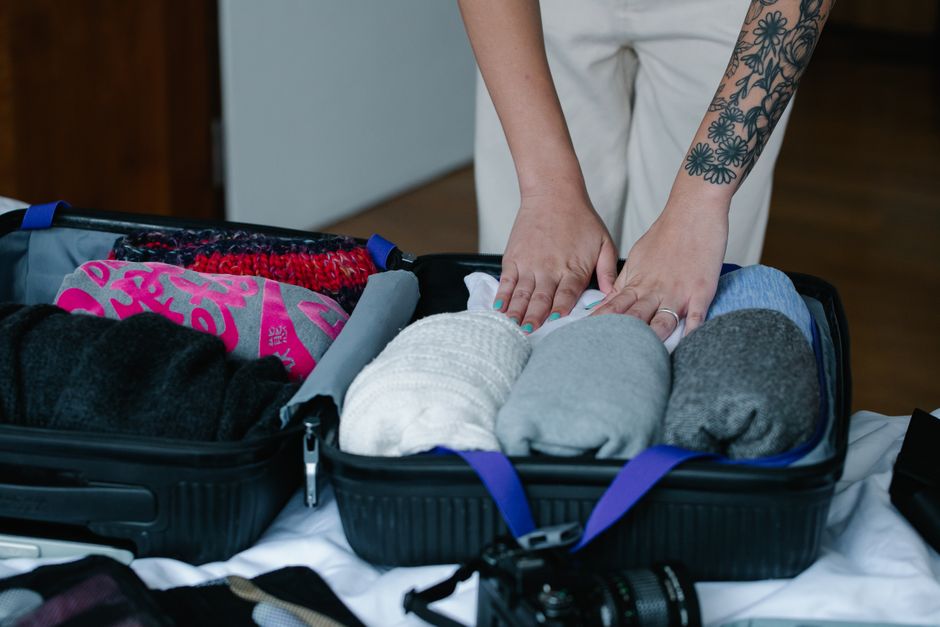
A traveler efficiently packs a carry-on bag for a quick trip, demonstrating effective space utilization and preparation for airline size restrictions.
Common Mistakes to Avoid with Your Bags
Even with the best intentions, it’s easy to make mistakes that shorten your bag’s lifespan. Being aware of these can save you money and headaches.
One frequent error is overloading your bag. While many bags are designed to be spacious, exceeding their capacity puts undue stress on seams, zippers, and straps. This is particularly true for laptop bags, where a heavy laptop combined with too many other items can cause the straps to tear or the bottom to sag. Regularly audit what you carry and only bring essentials.
Carry-On Bags for a Seven-Day Holiday: Your Practical Size and Features Checklist
Another common oversight is neglecting spills and stains. Allowing liquids to sit on leather can cause permanent watermarks, while food stains on fabric can become deeply embedded and attract pests. Always have a small clean cloth or some wipes handy to tackle mishaps immediately, especially when traveling through busy areas like a New York subway or a crowded European market.
Many users also forget about the internal condition of their bags. Crumbs, loose pens, and forgotten snacks can create a messy environment that attracts dirt and can damage linings. Periodically empty your bag completely, shake it out, and wipe down the interior. This also helps you rediscover lost items!
Finally, using inappropriate cleaning products is a significant pitfall. Harsh chemical cleaners, baby wipes containing alcohol, or abrasive sponges can strip leather of its natural oils, discolor fabric, or damage protective coatings. Stick to products specifically designed for your bag’s material, or simple soap and water as recommended.
FAQ: Answering Your Bag Care and Choice Questions
How do I choose the right bag for work and travel?
To choose the right bag, assess your primary needs: do you carry a laptop, need anti-theft features, or prefer hands-free options? For work, consider professional aesthetics and organization. For travel, prioritize durability, comfort, and airline compliance (like TSA requirements or European budget carrier limits). Balance these with material, capacity, and your budget.
Are leather bags worth the investment for daily use?
Yes, leather bags can be a worthwhile investment for daily use due to their durability and ability to age gracefully. While they require more initial outlay and specific care, they often outlast fabric bags and maintain a professional appearance. For frequent travelers and commuters, a well-maintained leather bag offers excellent long-term value.
What are good budget-friendly alternatives to genuine leather?
Good budget-friendly alternatives include PU leather (polyurethane leather) for a similar look and feel, or high-denier nylon and polyester fabrics. These materials offer good water resistance, are lighter, and require less intensive care than genuine leather. They are excellent choices for students, casual travel, and those with tighter budgets in markets like Poland or the US.
How can I make my fabric bag last longer?
To make your fabric bag last longer, avoid overstuffing, clean it regularly with mild soap and water, and use a fabric protector spray for added water and stain resistance. Always ensure it’s completely dry before storing to prevent mold and mildew. Repair minor tears or loose threads promptly to prevent further damage.
What features should I look for in an anti-theft travel bag?
For an anti-theft travel bag, look for features like slash-resistant materials, lockable zippers, RFID-blocking pockets (especially useful in tourist hotspots like Paris or Barcelona), and secure strap attachments. Brands often incorporate these into crossbody bags or backpacks designed for urban exploration.
Can I machine wash my fabric bag?
It depends on the specific fabric and bag construction. Always check the care label. Many fabric bags are not suitable for machine washing due to internal padding, coatings, or delicate hardware. Spot cleaning or hand washing with mild detergent is often safer. If machine washing is an option, use a gentle cycle with cold water and air dry.
Whether you’re traversing continents or just commuting across town, a well-chosen and cared-for bag is an indispensable asset. By applying these practical, budget-friendly care tips, you’ll ensure your best bags for travel and work remain reliable companions. Explore more bags guides on AtTheFashion.





Leave feedback about this