

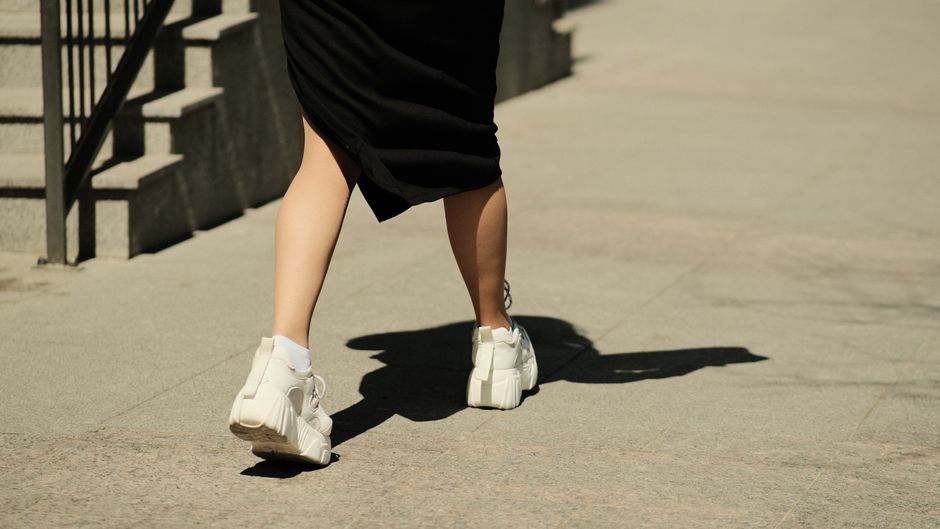
A shoe is comfortable for walking all day when it provides a balanced combination of adequate arch support, responsive cushioning, and a secure yet non-restrictive fit. Key elements include a stable midsole to absorb impact, a breathable upper to manage temperature, and a durable outsole offering reliable traction. The fit should allow for natural foot movement without rubbing or pinching, accommodating slight swelling that occurs during extended periods of activity. Ultimately, true all-day comfort comes from a shoe that complements your foot mechanics, reducing strain and preventing discomfort over many hours.
When it comes to comfortable footwear for travel and everyday walking, the right pair of sneakers can make all the difference between a memorable trip or a miserable commute. Whether you’re planning to navigate the historic cobblestones of Rome, power through a day of meetings in Chicago, or simply run errands around your local neighborhood, your feet bear the brunt of every step. Choosing wisely means understanding the subtle but significant differences in sneaker design and what truly contributes to lasting comfort.
This guide aims to demystify the selection process, providing practical insights into finding the ideal pair that caters to both your adventurous spirit and your daily routine. We’ll explore what makes a sneaker truly comfortable for extended wear, focusing on features that matter most for long days on your feet, wherever your journey takes you.
Understanding What Makes Comfortable Footwear for Travel and Everyday Walking
The quest for comfortable footwear for travel and everyday walking often starts with understanding the core components of a good sneaker. It’s not just about aesthetics; it’s about engineering that supports your feet hour after hour. Ignoring these aspects can lead to discomfort, blisters, and even long-term foot issues.
Cushioning and Support: The Foundation of Comfort
At the heart of any truly comfortable walking shoe are its cushioning and support systems. Cushioning, typically found in the midsole, absorbs the impact of each step, protecting your joints. Different materials offer varying levels of responsiveness and softness. EVA foam is common for lightweight cushioning, while proprietary foams from brands like Nike (React, ZoomX) or Adidas (Boost) offer more advanced energy return and durability. For most people, a balance is key – not too soft that you feel unstable, and not too firm that it lacks shock absorption.
Support, particularly arch support, is vital for maintaining proper foot alignment and preventing fatigue. If you have specific arch needs (e.g., flat feet, high arches), look for shoes with targeted support or consider adding aftermarket insoles. The shoe’s structure should cradle your foot without restricting natural movement.
Fit and Breathability: Essential for Long Days
An improper fit is the quickest way to turn a promising pair of sneakers into a nightmare. Always try shoes on at the end of the day when your feet are slightly swollen to get the most accurate fit. Ensure there’s a thumb’s width between your longest toe and the end of the shoe. The width should be snug but not tight, allowing your toes to splay naturally. Don’t assume sizes are universal; they vary between brands and even models.
Breathability is another crucial factor, especially when you’re logging miles in warmer climates or spending extended periods on your feet. Materials like knit uppers, mesh, or perforated leather allow air to circulate, preventing sweat buildup and keeping your feet cooler and drier. This is particularly important when walking through bustling cities like New York or navigating the summer heat of Paris.
How to Break In New Shoes Without Blisters: Your Comprehensive Guide to Comfortable Footwear
Comparing Sneaker Types for Different Walking Needs
Not all sneakers are created equal. The ‘best’ option depends heavily on your specific needs, the terrain you’ll encounter, and the duration of your activities. Let’s break down common categories.
Running Shoes: Optimized for Impact Absorption
Many running shoes make excellent walking shoes due to their advanced cushioning and often lightweight design. They are engineered to absorb repetitive impact, which translates well to long walks. Brands like Hoka, Brooks, and Saucony are renowned for their highly cushioned options. However, some running shoes, particularly those designed for speed, might lack the lateral stability needed for everyday wear or the durability for rougher travel conditions like exploring ancient ruins.
Trail Running Shoes: For Varied Terrain and Durability
If your travel includes more adventurous walks, perhaps through parks, light hikes, or over uneven surfaces like the countryside paths in Germany, trail running shoes are a solid option. They feature more aggressive outsoles for better grip on loose or slippery ground and often have reinforced uppers for increased durability and protection against debris. While they might be slightly heavier than road running shoes, their enhanced stability and traction are invaluable for varied terrain.
Lifestyle/Fashion Sneakers: Balancing Style and Comfort
For city breaks where style is as important as comfort – think strolling through London’s fashionable districts or enjoying a leisurely afternoon in Milan – lifestyle sneakers offer a blend of aesthetics and basic comfort. Brands like ECCO, Clarks, and even more fashion-forward brands like Veja often incorporate comfortable footbeds and supportive designs into their stylish offerings. However, they may not offer the same level of advanced cushioning or support as dedicated running or walking shoes, especially for all-day wear over many days. Always check reviews for comfort specific to walking.
Specialized Walking Shoes: Engineered for the Everyday
Some brands offer shoes specifically labeled as ‘walking shoes’. These are designed from the ground up for the biomechanics of walking, focusing on a smooth heel-to-toe transition, ample forefoot flexibility, and sustained comfort. They often feature slip-resistant outsoles and durable uppers. While not always as ‘sporty’ in appearance as running shoes, they excel in their intended purpose. Think brands like New Balance (some models), Skechers Go Walk, or certain models from ASICS.
Considerations for Travel: Beyond Just Comfort
When selecting travel footwear, comfort is paramount, but other factors come into play, especially when you’re packing light or anticipating diverse conditions.
Packability and Weight
Travelers often prioritize lightweight and packable items. Some sneakers, particularly those with minimalist designs or flexible knit uppers, can be easily compressed into luggage without taking up too much space or adding significant weight. This is a real boon for backpackers or those adhering to strict airline baggage limits.
Water Resistance and Weather Protection
An unexpected downpour in Dublin or London can quickly ruin your day if your shoes aren’t up to the task. Consider options with water-resistant or waterproof membranes, such as Gore-Tex. While they might be less breathable than standard mesh, the protection from rain and puddles is invaluable. Always balance water resistance with your typical travel climate.
Running Shoes Versus Walking Shoes for Beginners: Avoiding Painful Mistakes
Durability and European Cobblestones
The charm of European cities often comes with a challenge for your footwear: cobblestones. These beautiful, uneven surfaces can quickly wear down flimsy soles and put extra stress on your feet. Look for sneakers with solid outsoles and stable midsoles. A thicker rubber outsole will offer better protection and grip against slick, uneven stones you might encounter in cities like Paris, Rome, or Krakow, Poland.
Style Versatility for Different Settings
A smart traveler often seeks one pair of shoes that can transition from a casual day of sightseeing to an evening dinner. Neutral colors (black, grey, navy, white) and clean designs tend to be more versatile. Leather or synthetic leather uppers can look more polished than technical mesh, allowing your sneakers to blend smoothly with various outfits without needing to pack multiple pairs.
Practical Tips for Buying Comfortable Footwear
- Shop in the Afternoon: Your feet swell throughout the day, so trying on shoes later ensures a comfortable fit even when your feet are at their largest.
- Wear Your Usual Socks: Bring the type of socks you typically wear with sneakers to get an accurate feel for the fit.
- Walk Around the Store: Don’t just stand there. Walk on hard surfaces, soft carpets, and even up and down a small ramp if available to test the shoe’s flex and support.
- Consult a Specialist: If you have specific foot concerns or are unsure about your arch type, a specialty running or walking shoe store can provide gait analysis and expert recommendations.
- Read Reviews for Walking Comfort: Look for reviews that specifically mention comfort for extended walking, travel, or standing, rather than just athletic performance.
Buyer FAQ: Comfortable Footwear for Travel and Everyday Walking
What’s the difference between a running shoe and a walking shoe for comfort?
Running shoes prioritize cushioning and energy return for high-impact, forward motion, often with a more pronounced heel-to-toe drop. Walking shoes emphasize stability, arch support, and forefoot flexibility for a smooth, natural stride during lower-impact, longer duration activities. For all-day general walking, a good walking-specific shoe or a well-cushioned running shoe can both be excellent, but their design focus differs slightly.
How do I know if my sneakers have enough arch support for long walks?
You can assess arch support by checking if the shoe’s insole naturally conforms to the curve of your foot without feeling like it’s pushing too hard or leaving a gap. If you experience foot fatigue, pain in your arch, or shin splints after long walks, your current shoes likely lack adequate support. Consider shoes with removable insoles to swap in orthotics if needed, especially for high arches or flat feet.
Are minimalist sneakers good for long-distance walking or travel?
Minimalist sneakers, designed to mimic barefoot walking, can be comfortable for some, but they generally lack the cushioning and support needed for long-distance walking or extended travel, especially on hard surfaces or uneven terrain like European cobblestones. They require a period of adaptation and are best suited for individuals with strong, well-adapted feet who prefer less structured support. For most travelers and everyday walkers, a more cushioned and supportive option is advisable.
Should I size up my sneakers for travel to allow for swelling?
It’s generally not recommended to size up significantly. Instead, ensure your initial fit allows for a thumb’s width between your longest toe and the shoe’s end, and that the shoe feels comfortably snug but not tight. Feet do swell slightly, but a shoe that is too large can cause rubbing, blisters, and instability. Trying shoes on later in the day when your feet are naturally larger helps account for this.
How often should I replace my comfortable walking sneakers?
The lifespan of comfortable walking sneakers typically ranges from 300 to 500 miles, or about 6-12 months of regular use, depending on your weight, walking style, and the terrain. Signs it’s time for replacement include diminished cushioning, visible wear on the outsole (especially around the heel and forefoot), persistent foot pain, or a general feeling that the shoes no longer offer the support they once did.
What’s the best way to clean my travel sneakers after a trip?
For most sneakers, a gentle hand wash is best. Remove laces and insoles. Use a soft brush (like an old toothbrush) with a mild soap and water solution to clean the upper and outsole. Rinse thoroughly with clean water, wipe with a towel, and air dry away from direct heat or sunlight. Avoid machine washing if possible, as it can degrade glues and materials over time. For more specific cleaning instructions, always check the manufacturer’s recommendations.
Conclusion
Choosing the right comfortable footwear for travel and everyday walking doesn’t have to be a daunting task. By focusing on essential elements like cushioning, support, fit, and considering your specific walking needs and travel conditions, you can find a pair of sneakers that will keep your feet happy and comfortable, whether you’re exploring the historic streets of Florence, hiking in the Dolomites, or simply enjoying your daily stroll. Invest wisely, and your feet will thank you for every comfortable step.
Ready to explore more options and detailed reviews? Explore more footwear guides on AtTheFashion.




Leave feedback about this