

When you’re starting a new activity, whether it’s daily walks around your neighborhood or a gentle introduction to running, the right footwear can make all the difference. A common mistake is assuming any athletic shoe will suffice for all activities. In practice, the subtle engineering differences between running shoes and walking shoes are designed to support distinct biomechanics, impacting not just your comfort but also your long-term foot health.
Think about a traveler exploring the winding streets of Rome or Paris; they’re on their feet for hours, needing sustained comfort and support. Now consider someone beginning a couch-to-5K program in Chicago. Their needs, while both involving foot movement, diverge significantly. Choosing the optimal pair for your intended use is the first step towards a comfortable and enjoyable experience.
This guide will simplify the choices for beginners, focusing on what makes a shoe truly comfortable for walking all day versus providing the necessary support for running, helping you make an informed decision for your next pair of travel footwear or everyday companions.
Understanding the Core Differences: Running Shoes vs. Walking Shoes
At first glance, running shoes and walking shoes can look quite similar. Both are athletic, laced, and designed for activity. However, their fundamental design principles cater to different movements. Running involves higher impact and greater forces, requiring specific cushioning and stability. Walking, on the other hand, is a lower-impact, rolling motion from heel to toe, demanding flexibility and sustained support.
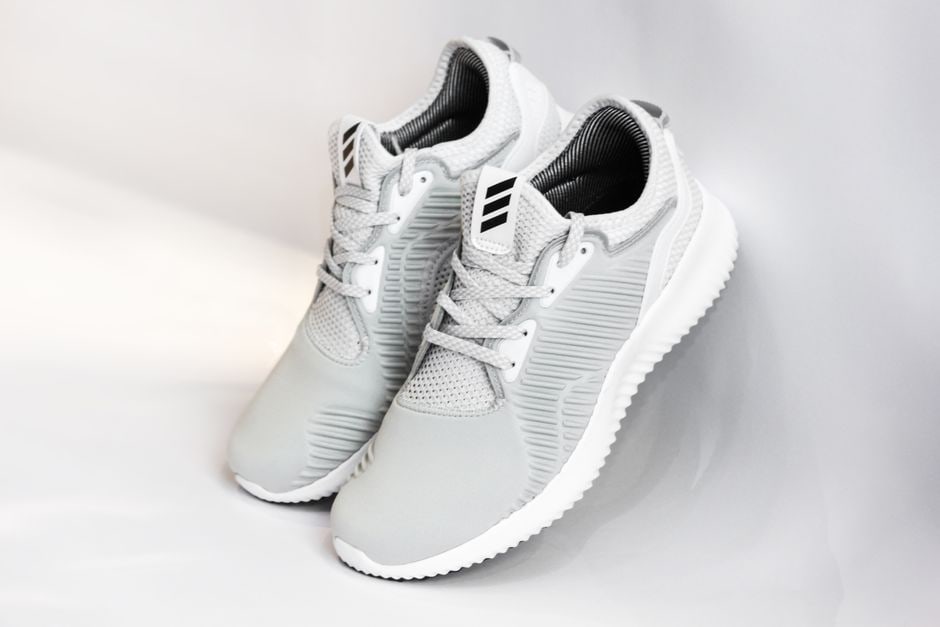
Running shoes prioritize cushioning and shock absorption, particularly in the heel and forefoot, to mitigate the impact of each stride. They often feature a higher heel-to-toe drop and stiffer construction to guide the foot through the running gait cycle. Walking shoes, conversely, are typically more flexible across the sole, allowing for a natural foot roll. They emphasize arch support and a balanced cushioning that provides sustained comfort over extended periods.
Choosing Your Comfortable Footwear Guide: Practical Tips
Selecting the right shoe for your activity can prevent discomfort and potential injuries. Here’s a breakdown of what to consider:
1. Define Your Primary Activity
Are you primarily walking for fitness, commuting, or exploring new cities? Or are you aiming to run for exercise? Your main use case dictates the shoe type. If you plan to do both, prioritize the activity you’ll do most often, or consider a versatile cross-trainer.
2. Focus on Fit, Not Just Size
A comfortable fit is paramount. Your toes should have wiggle room, but your heel shouldn’t slip. Try shoes on at the end of the day when your feet are slightly swollen. Wear the type of socks you’d typically use with the shoes. Don’t be afraid to try multiple sizes or widths. Many brands, including those widely available in the US, UK, Germany, and France, offer different widths.
3. Understand Cushioning Needs
For running, look for ample cushioning, especially if you’re a beginner or running on hard surfaces. For walking, balanced cushioning that offers support without excessive bulk is ideal for all-day comfort. Consider your weight and foot strike; heavier individuals or heel strikers may benefit from more cushioning.
Comfortable Office Shoes for Long Workdays: Budget-Friendly Options for US and European Shoppers
4. Assess Flexibility
Bend the shoe. Walking shoes should bend easily at the ball of the foot, mirroring your foot’s natural flexion. Running shoes will be stiffer but should still offer some forefoot flexibility. A shoe that is too stiff for walking can lead to foot fatigue.
5. Consider Arch Support
Your arch type (flat, neutral, high) influences the type of support you need. Many specialty shoe stores can assess your arch and recommend appropriate arch support. This is particularly important for preventing common issues like plantar fasciitis during long walks or runs.
6. Think About Outsole Grip and Durability
For walking, especially if you encounter varying terrains or European cobblestones, a good grip is important. Running shoe outsoles are often designed for forward motion and may have more aggressive patterns for traction. If you need waterproof shoes for rainy commutes in London or New York, check for features like Gore-Tex linings.
7. Prioritize Breathability
Especially for travelers or those active in warmer climates, a breathable upper material prevents your feet from overheating and reduces the risk of blisters. Mesh uppers are common and effective for this.
8. Don’t Forget Aesthetics (But Don’t Prioritize It)
While shoes come in many styles, prioritize function and fit over fashion. A shoe that looks good but causes discomfort isn’t a good investment for your foot health.
Comfortable Footwear Comparison Table
To help you distinguish between the two, here’s a quick comparison:
| Feature | Running Shoes | Walking Shoes |
|---|---|---|
| Primary Purpose | High-impact forward motion, running | Low-impact, sustained walking, standing |
| Cushioning | More pronounced, especially in heel and forefoot for shock absorption | Balanced, designed for all-day comfort and sustained impact |
| Flexibility | Less flexible overall, more rigid for propulsion | Highly flexible across the forefoot for natural foot roll |
| Heel Drop | Often higher (more cushioning under the heel) | Lower or flatter heel drop for stable, natural gait |
| Weight | Generally lighter for speed and efficiency | Can be slightly heavier for durability and support |
| Stability | Designed to control pronation during running gait | Focused on lateral stability for varied terrains |
| Outsole | Directional grip for forward movement | Multi-directional grip for varied surfaces, longer wear |

Common Mistakes to Avoid When Buying Footwear
Even with good intentions, it’s easy to make choices that lead to discomfort down the line. Avoiding these common pitfalls will serve you well:
One frequent error is buying shoes based solely on aesthetics or brand loyalty without trying them on or considering the specific activity. A sleek design won’t compensate for poor fit or inadequate support for your intended use. Always prioritize function and comfort over looks, especially for shoes you’ll wear for extended periods.
Summer Sandals That Support Long Walks: Avoiding Painful Footwear Mistakes
Another mistake is neglecting to replace worn-out shoes. Even if they still look decent, the cushioning and support structures in athletic shoes break down over time, typically after 300-500 miles for running shoes or 6-12 months for walking shoes with regular use. Continuing to wear them can lead to shin splints, knee pain, and other issues.
Many beginners also overlook the importance of socks. A good pair of moisture-wicking athletic socks can drastically improve comfort and prevent blisters. Cotton socks retain moisture, increasing friction and the likelihood of hot spots and blisters, especially during long walks or runs.
Finally, don’t assume that a shoe that feels good for five minutes in the store will feel good after five hours. Walk around the store extensively, if possible. Better yet, buy from retailers with a good return policy that allows you to test them properly at home on a clean surface.
FAQ: Your Comfortable Footwear Questions Answered
What makes a shoe comfortable for walking all day?
A comfortable shoe for all-day walking offers balanced cushioning in the heel and forefoot, adequate arch support specific to your foot type, and a flexible sole that allows for a natural roll from heel to toe. A breathable upper keeps feet cool, while a snug but not tight fit prevents rubbing, crucial whether you’re navigating the bustling streets of New York or the historic pathways of Berlin.
Are running shoes good for walking?
While running shoes can be used for walking, they aren’t always ideal for extended periods. Their design prioritizes shock absorption and forward propulsion for higher-impact running, which can make them stiffer and potentially less flexible for the natural foot roll required in walking. For dedicated walkers, a specific walking shoe often provides better long-term comfort and support.
How important is arch support in a walking shoe?
Arch support is highly important in walking shoes as it helps maintain proper foot alignment, distributing pressure evenly and reducing strain on the arches, ankles, and knees. This is particularly beneficial for those with flat feet or high arches, preventing common issues like plantar fasciitis during long walks through cities like London or Milan.
Can I use walking shoes for light running?
For very occasional and short bursts of light running, walking shoes might suffice, but they are not designed for the repetitive impact of running. They lack the specialized cushioning and stability features of running shoes, which can lead to increased impact stress and potential injuries if used regularly for running. Always opt for running shoes if running is a significant part of your activity.
What are good features for travel footwear?
Good travel footwear should be lightweight, comfortable for extended walking, durable, and ideally versatile enough for various terrains. Look for models with good arch support, responsive cushioning, and a slip-resistant outsole. For unpredictable weather in places like Paris or Rome, waterproof shoes or water-resistant options can be a significant advantage.
How often should I replace my walking or running shoes?
For running shoes, replace them typically every 300-500 miles or every 6 months, whichever comes first, as cushioning degrades. For walking shoes, the lifespan can be slightly longer, generally 600-800 miles or 9-12 months with regular use. Pay attention to signs of wear like reduced cushioning, uneven outsole wear, or new aches and pains.
Choosing the right comfortable footwear guide for running shoes versus walking shoes for beginners doesn’t have to be complicated. By understanding your primary activity and focusing on fit, support, and cushioning, you’re well on your way to a more comfortable and enjoyable experience, whether you’re navigating European cobblestones or exploring the parks of New York. Explore more footwear guides on AtTheFashion.






Leave feedback about this