

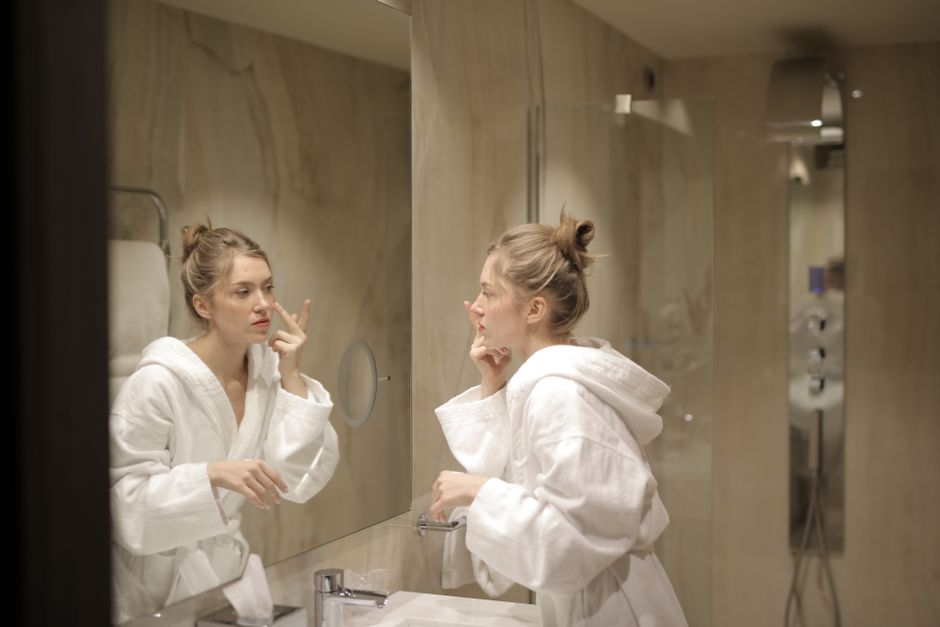
You’ve heard the buzz around retinol. Maybe your friends are raving about smoother skin, fewer fine lines, or a more even tone. Perhaps you’re curious about its anti-aging benefits but feel overwhelmed by the sheer number of products, concentrations, and conflicting advice. This is a common starting point for many adults looking to improve their skin’s appearance and health.
The good news is that incorporating retinol into your routine doesn’t have to be complicated or expensive. The key is a gradual, informed approach, prioritizing your skin’s health and barrier function above all else. This practical beauty and skincare guide for adults will walk you through the essentials, offering actionable advice whether you’re shopping in London, Paris, Berlin, Rome, Madrid, Warsaw, or right here in the United States.
Many adults, especially those new to potent ingredients, worry about irritation, redness, or peeling. These concerns are valid, and it’s why understanding how to build a sensible, beginner retinol routine is crucial. We’ll focus on making the process safe, effective, and sustainable for your lifestyle.
Getting Started: Your Quick Retinol Checklist
Before diving deep, here’s a rapid overview of the critical considerations for a successful practical beauty and skincare guide beginner retinol routine for adults:
- Start Low, Go Slow: Always begin with the lowest concentration of retinol (e.g., 0.1% or 0.25%) and use it only 2-3 times a week.
- Listen to Your Skin: Pay close attention to any redness, dryness, or irritation. If it occurs, reduce frequency or take a break.
- Prioritize Sunscreen: Retinol increases sun sensitivity. Daily, broad-spectrum SPF 30 or higher is non-negotiable.
- Support Your Skin Barrier: Use gentle cleansers and rich moisturizers containing ceramides and hyaluronic acid.
- Nighttime Application: Apply retinol in the evening, after cleansing and before moisturizing.
- Be Patient: Visible results take time, often 3-6 months of consistent use.
- Avoid Overlapping Actives: Steer clear of other strong exfoliants (like AHAs/BHAs) on the same nights as retinol initially.
- Consult a Professional: If you have persistent skin concerns or conditions, speak with a dermatologist. This is particularly easy in countries like France, where access to dermatologists is often integrated into healthcare.
Understanding Retinol: What It Is and Why It Works
Retinol is a derivative of Vitamin A, belonging to a class of compounds called retinoids. It works by encouraging skin cell turnover, boosting collagen production, and diminishing the appearance of fine lines, wrinkles, and hyperpigmentation. Unlike some acids that work on the surface, retinol communicates with skin cells to help them function more optimally, leading to healthier-looking skin over time.
The Difference Between Retinol and Retinoids
The term ‘retinoid’ is an umbrella term for all Vitamin A derivatives. Retinol is a specific type of retinoid that is available over-the-counter. Stronger forms, like Tretinoin (Retin-A), are prescription-only and typically contain a higher concentration of the active ingredient, requiring a doctor’s supervision. For a practical beauty and skincare guide beginner retinol routine for adults, starting with an OTC retinol is almost always recommended.
Building Your Beginner Retinol Routine: Step-by-Step
A successful practical beauty and skincare guide beginner retinol routine for adults is about creating a stable, supportive environment for your skin. Here’s how to do it:
Step 1: The Gentle Cleanse
Before applying any active ingredient, a clean canvas is essential. Choose a mild, hydrating cleanser that doesn’t strip your skin. Look for formulas free from harsh sulfates or strong fragrances, which can further irritate sensitive skin. Many European brands like La Roche-Posay, Avène, and CeraVe offer excellent options widely available in pharmacies across the EU and US.
Beauty Essentials for Long-Haul Flights: Your Practical Skincare and Makeup Guide
Step 2: The Retinol Application
This is where the ‘go slow’ rule is paramount. For your practical beauty and skincare guide beginner retinol routine for adults, start with a pea-sized amount of a low-concentration retinol product (0.1% to 0.25%). Apply it to clean, dry skin 2-3 nights a week initially. Some people prefer the ‘sandwich method’: apply a thin layer of moisturizer first, then retinol, then another layer of moisturizer. This can further buffer the retinol and reduce potential irritation.
When you’re comfortable after several weeks (no redness, dryness, or flaking), you can gradually increase frequency to every other night, and eventually, if your skin tolerates it, nightly. Only increase concentration after you’ve been using a lower concentration nightly for several months without issues.
Step 3: The Hydration & Barrier Support
A solid skin barrier is your best friend when using retinol. Immediately after your retinol (or using the sandwich method), apply a rich, emollient moisturizer. Look for ingredients like ceramides, hyaluronic acid, glycerin, and fatty acids. These help to replenish moisture, strengthen your skin’s natural protective barrier, and soothe sensitive skin. Brands like CeraVe, Eucerin, and Paula’s Choice offer excellent, accessible options.

Step 4: Non-Negotiable Daily Sunscreen
As mentioned, retinol increases your skin’s sensitivity to the sun. This means daily, consistent use of a broad-spectrum SPF 30 or higher sunscreen is absolutely crucial, even on cloudy days or when indoors near windows. UV exposure can not only reverse the benefits of retinol but also increase your risk of sun damage. Many excellent sunscreens are available across Europe and the US, with brands like La Roche-Posay Anthelios being a particular favourite for its wide range of textures and high protection factors, adhering to strict EU regulations for UVA/UVB protection.
Common Mistakes to Avoid
To ensure your practical beauty and skincare guide beginner retinol routine for adults is a success, steer clear of these pitfalls:
- Starting Too Strong, Too Fast: This is the number one cause of irritation. Patience is key.
- Skipping Sunscreen: You negate all the benefits and invite damage.
- Layering Too Many Actives: Avoid using other strong exfoliants (like AHAs, BHAs, Vitamin C serums) on the same nights as retinol, especially when starting out. Introduce them on alternate nights once your skin has fully adapted to retinol.
- Ignoring Your Skin’s Signals: Redness, excessive flaking, or stinging are signs to scale back.
- Expecting Instant Results: Retinol is a marathon, not a sprint.
GEO-Specific Shopping Tips for Retinol
While the principles of a practical beauty and skincare guide beginner retinol routine for adults remain consistent, product availability and regulations can vary:
- United States: You’ll find a wide array of over-the-counter retinol products at drugstores like CVS and Walgreens, beauty retailers like Sephora and Ulta, and online. Brands like Olay, RoC, The Ordinary, and Paula’s Choice are popular choices.
- Europe (UK, Germany, France, Italy, Spain, Poland): Pharmacies (pharmacies in France, Apotheken in Germany, farmacia in Italy/Spain/Poland, chemist in the UK) are excellent resources. European brands often excel in formulating products for sensitive skin. Look for brands like La Roche-Posay, Avène, Bioderma, Eucerin, and Vichy. The Ordinary and CeraVe are also widely available. Regulations in the EU ensure high standards for cosmetic safety, so you can shop with confidence.
FAQ: Your Retinol Questions Answered
What is the simplest beauty routine for healthy-looking skin?
The simplest routine for healthy skin involves daily cleansing, moisturizing, and sun protection. Adding retinol as a ‘treatment’ step 2-3 times a week, after cleansing and before moisturizing, elevates this routine. For morning, a quick cleanse, antioxidant serum (optional), moisturizer, and SPF 30+ is ideal. Evening focuses on gentle cleansing, your retinol product, and a rich moisturizer.
Practical Beauty Guide: How to Keep Makeup Fresh During Travel (and Compare Products Confidently)
Can I use retinol if I have sensitive skin?
Yes, but with extra caution. Choose a very low-concentration retinol (e.g., 0.1%), start with once a week, and use the ‘sandwich method’ with a gentle, ceramides-rich moisturizer. Pay close attention to your skin’s reaction and don’t hesitate to reduce frequency or take a break if irritation occurs. Products specifically marketed for sensitive skin from brands like La Roche-Posay or Avène are good starting points.
How long does it take to see results from retinol?
Patience is key with retinol. While some minor improvements in texture might be noticeable within a few weeks, significant results, such as reduced fine lines, improved skin tone, and firmness, typically take 3 to 6 months of consistent use. Remember, everyone’s skin responds differently, so don’t get discouraged if you don’t see instant changes.
Do I need a prescription for retinol?
No, not for over-the-counter retinol. However, stronger retinoids like Tretinoin (Retin-A), Adapalene (Differin – often OTC in the US but prescription in some EU countries for acne), or Tazarotene require a doctor’s prescription due to their higher potency and potential for side effects. For a practical beauty and skincare guide beginner retinol routine for adults, OTC retinol is the recommended starting point.
What ingredients should I avoid when using retinol?
When you’re first starting retinol, it’s wise to temporarily avoid or significantly reduce the use of other strong exfoliating ingredients. This includes alpha hydroxy acids (AHAs like glycolic or lactic acid), beta hydroxy acids (BHAs like salicylic acid), and physical scrubs. Using them on the same night as retinol can lead to excessive irritation, redness, and compromise your skin barrier. Introduce them cautiously on alternate nights once your skin has fully adapted to retinol.
Key Takeaways for Your Retinol Journey
Embarking on a practical beauty and skincare guide beginner retinol routine for adults is a journey towards healthier, more resilient skin. Remember the golden rules: start low and go slow. Prioritize your skin’s comfort and its crucial barrier function by pairing your retinol with a gentle routine focused on hydration and protection.
Sunscreen is not optional; it’s a daily necessity when using retinol, safeguarding your results and preventing potential damage. Be patient with the process, understanding that transformative results take time and consistent effort, typically several months.
Whether you’re exploring options in a bustling US drugstore or a quiet European pharmacy, the advice remains the same: choose wisely, apply cautiously, and always listen to what your skin is telling you. A well-executed beginner retinol routine can significantly enhance your skin’s health and appearance.
Explore more beauty guides for practical advice and product recommendations on AtTheFashion.


Leave feedback about this