

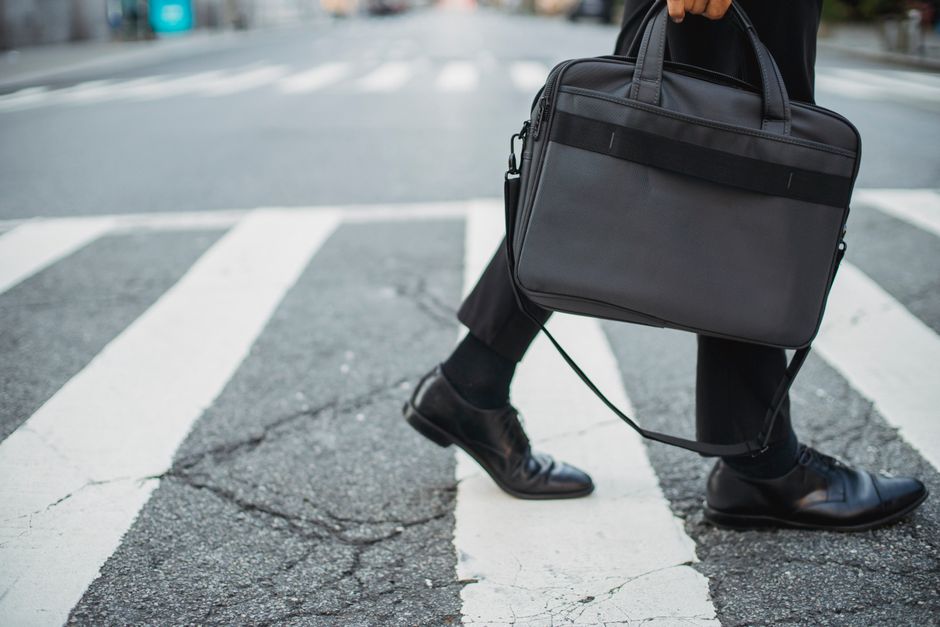
What makes a shoe comfortable for walking all day? A shoe is comfortable for walking all day when it provides adequate arch support, responsive cushioning, and a flexible yet stable sole. Key features include a wide toe box to prevent pinching, breathable materials to manage moisture, and a secure fit that prevents slippage without constriction. Opting for designs that distribute pressure evenly across the foot and absorb impact effectively, especially on hard surfaces, is paramount for sustained comfort during long workdays or extensive travel.
For many of us, our workdays extend far beyond sitting at a desk. We’re on our feet, commuting through bustling cities like London or New York, navigating large office campuses, or simply running errands that turn into a full-day marathon. The wrong footwear can quickly turn a productive day into a painful ordeal, impacting not just our feet, but our back, posture, and overall mood. That’s why investing in truly comfortable office shoes for long workdays isn’t a luxury; it’s a necessity.
This comprehensive comfortable footwear guide aims to cut through the marketing noise and give you practical advice on what to prioritize when shopping. We’ll explore the essential elements that define truly comfortable footwear, ensuring you make an informed decision whether you’re tackling European cobblestones or the concrete jungle of Chicago.
Understanding Your Foot’s Needs: More Than Just Softness
Many people mistakenly equate comfort with softness. While cushioning is certainly important, it’s only one piece of the puzzle. True comfort, especially for long hours on your feet, comes from a blend of support, stability, and thoughtful design that works with your foot’s natural mechanics, not against them.
Arch Support: The Foundation of Comfort
Your foot’s arch is a natural shock absorber. If it’s not properly supported, your feet, ankles, knees, and even your back can suffer. Look for shoes that offer integrated arch support tailored to your foot type (low, neutral, or high arch). Some brands offer removable insoles, which can be a great feature if you prefer to use custom orthotics or aftermarket arch support inserts.
Cushioning and Shock Absorption
This is where softness plays a role, but with a caveat. You want responsive cushioning that absorbs impact without being overly squishy, which can lead to instability. Materials like EVA foam, gel inserts, or air pockets are common in quality comfortable footwear. For those who frequently walk on hard surfaces like concrete, solid shock absorption is non-negotiable.
Material Matters: Breathability and Flexibility
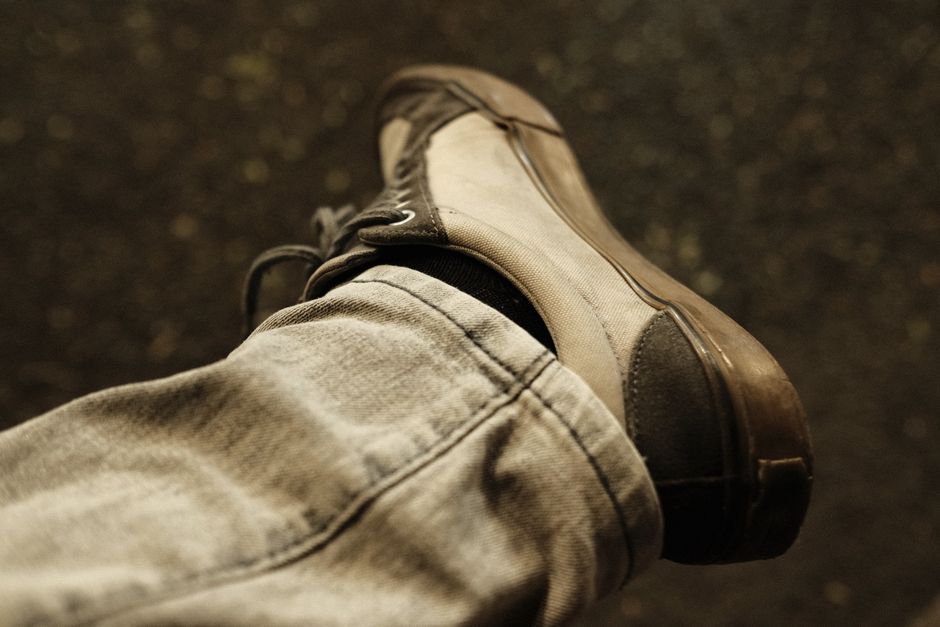
The upper material of your shoe significantly impacts comfort. Breathable materials like leather, mesh, or advanced synthetic knits help regulate temperature and prevent moisture buildup, which can lead to discomfort and blisters. Flexibility is also key; the shoe should bend naturally with your foot, especially at the ball, without resistance.
Key Features to Look For in Comfortable Office Shoes
When you’re comparing options for comfortable office shoes for long workdays, keep these specific features in mind. They’re the hallmarks of footwear designed for endurance, not just aesthetics.
Running Shoes vs. Walking Shoes for Beginners: A Comfortable Footwear Guide
Toe Box Design: Room to Breathe
A common mistake is choosing shoes with a narrow toe box that pinches your toes together. This can lead to bunions, hammertoes, and general discomfort. Opt for shoes with a wide, roomy toe box that allows your toes to splay naturally. Your longest toe shouldn’t touch the front of the shoe, and there should be ample space for your toes to move without rubbing.
Outsole and Traction: Stability Underfoot
The sole of your shoe needs to provide stable ground contact. Look for non-slip outsoles, especially if you traverse various surfaces, from office carpeting to slick pavements in cities like Paris or Rome. A good outsole offers both flexibility for movement and sufficient rigidity for support.
Heel Height and Stability
While high heels can be fashionable, they are rarely conducive to long-term comfort. For comfortable office shoes, aim for a low, broad heel (1-2 inches/2.5-5 cm) or a completely flat sole. This distributes your weight more evenly and reduces strain on your forefoot and Achilles tendon. If you must wear a heel, ensure it’s wide and stable.
Fit is Everything: Beyond Your Shoe Size
Knowing your shoe size is just the starting point. Achieving the perfect shoe fit requires attention to detail that goes beyond the number on the box. For example, a European size 38 might fit differently from brand to brand, or even style to style.
Measure Your Feet Regularly
Your foot size can change over time due to age, weight fluctuations, or even pregnancy. Get your feet measured professionally, ideally towards the end of the day when they are slightly swollen. Remember to measure both feet and always fit to the larger foot.
Walk, Wiggle, and Check
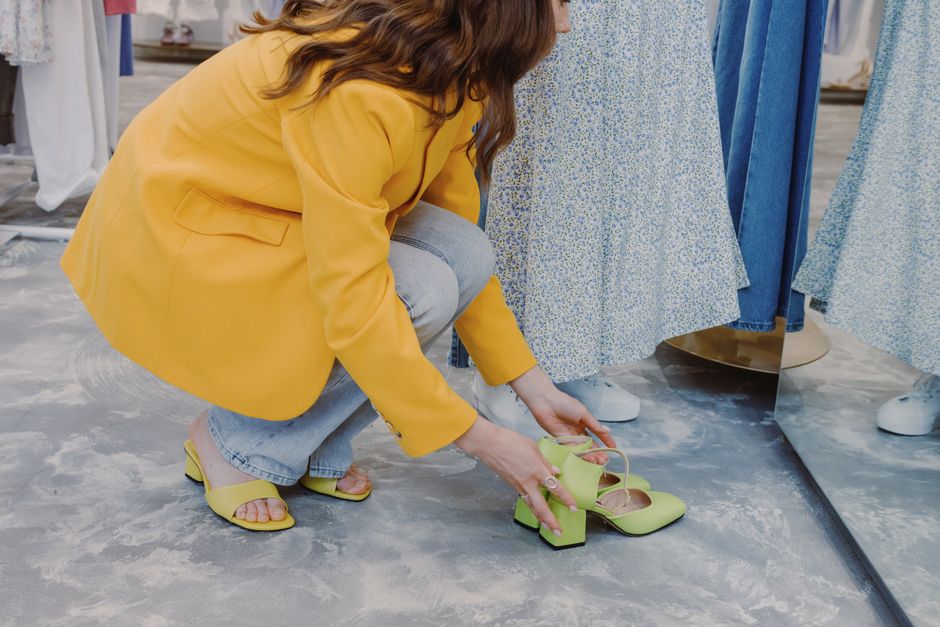
When trying on shoes, don’t just stand there. Walk around the store. Wiggle your toes. Ensure there’s about a thumb’s width of space between your longest toe and the end of the shoe. The heel should feel secure without slipping, and the shoe shouldn’t pinch anywhere. Pay particular attention to the midfoot; it should feel snug but not tight.
Consider Socks and Time of Day
Always try on shoes with the type of socks you typically wear. If you’re buying walking shoes or travel footwear for a trip to Rome, where you’ll be doing extensive walking, try them on with your thickest walking socks. As mentioned, trying shoes on in the afternoon or evening can account for natural foot swelling.
Specific Scenarios: From Commute to Desk
Your lifestyle dictates different needs for comfortable office shoes. Are you a dedicated commuter, a hybrid worker, or someone who travels frequently for business?
For the Daily Commuter
If your journey to work involves significant walking, public transport, or navigating busy streets in cities like Berlin or Madrid, your needs lean heavily towards walking shoes. Look for durable, weather-resistant (waterproof shoes are a boon in many European cities) options with excellent traction and solid support. Stylish sneakers, well-designed loafers, or supportive ankle boots can be ideal.
For the Office-Based Professional
Even if you spend most of your day at a desk, you still need comfortable footwear. You might walk to meetings, stand at a presentation, or commute a shorter distance. Here, the emphasis might shift slightly towards professional appearance, but never at the expense of comfort. Elegant flats, block-heeled pumps, or refined oxfords with hidden comfort features are excellent choices.
For Business Travel and International Adventures
Travel footwear for long journeys and diverse environments calls for versatility. You need shoes that can handle airport security, long walks through terminals, city exploration, and professional meetings. Brands that excel in combining style with advanced ergonomic features are worth exploring. Think lightweight, packable, and adaptable designs that transition smoothly from a client dinner in Paris to a historical tour in Rome.
Maintenance and Longevity of Your Comfortable Footwear
Even the best comfortable office shoes for long workdays need proper care to maintain their supportive properties and extend their life. Regular cleaning, conditioning leather, and allowing shoes to air out between wears can make a significant difference. Consider rotating between two or three pairs of comfortable office shoes to give each pair time to recover and air out, helping them retain their shape and cushioning.
FAQ: Your Questions About Comfortable Footwear Answered
What’s the best material for comfortable office shoes?
The best materials are typically breathable and flexible, such as full-grain leather, high-quality mesh, or advanced synthetic knits. Leather molds to your foot over time and offers durability, while mesh provides excellent ventilation, crucial for preventing sweat and odor during long wear. Look for materials that allow your feet to breathe.
How do I know if I need arch support?
Most people benefit from some level of arch support. If you experience foot pain, fatigue, or discomfort in your arches, heels, or even knees and lower back after standing or walking for extended periods, you likely need better arch support. A simple home test like the wet test can give you an idea of your arch type.
Can stylish shoes also be comfortable for long workdays?
Absolutely. The footwear industry has made significant strides in combining aesthetics with ergonomics. Many brands now offer elegant designs that incorporate hidden comfort features like cushioned insoles, flexible outsoles, and wider toe boxes. It requires careful selection and prioritizing brands known for their comfort technology.
How often should I replace my comfortable office shoes?
The lifespan of comfortable footwear depends on usage, material quality, and how well you care for them. As a general rule, replace shoes when the cushioning feels flattened, the arch support degrades, the outsole shows significant wear, or you start experiencing discomfort. For daily wear, this might be every 6-12 months.
Are waterproof shoes truly comfortable for office wear?
Modern waterproof shoes, especially those with breathable membranes like Gore-Tex, can be very comfortable for office wear, particularly for commuters in rainy climates like the UK or Poland. They protect your feet from the elements without sacrificing breathability as much as older waterproof designs, making them practical for various conditions.
Choosing the right comfortable office shoes for long workdays is a commitment to your overall well-being. By focusing on proper fit, essential features like arch support and cushioning, and selecting appropriate materials, you can ensure your feet remain happy and healthy, no matter how demanding your day. Take the time to research and try on different styles, remembering that true comfort is an investment that pays dividends in productivity and pain-free days. Explore more footwear guides on AtTheFashion.






Leave feedback about this