

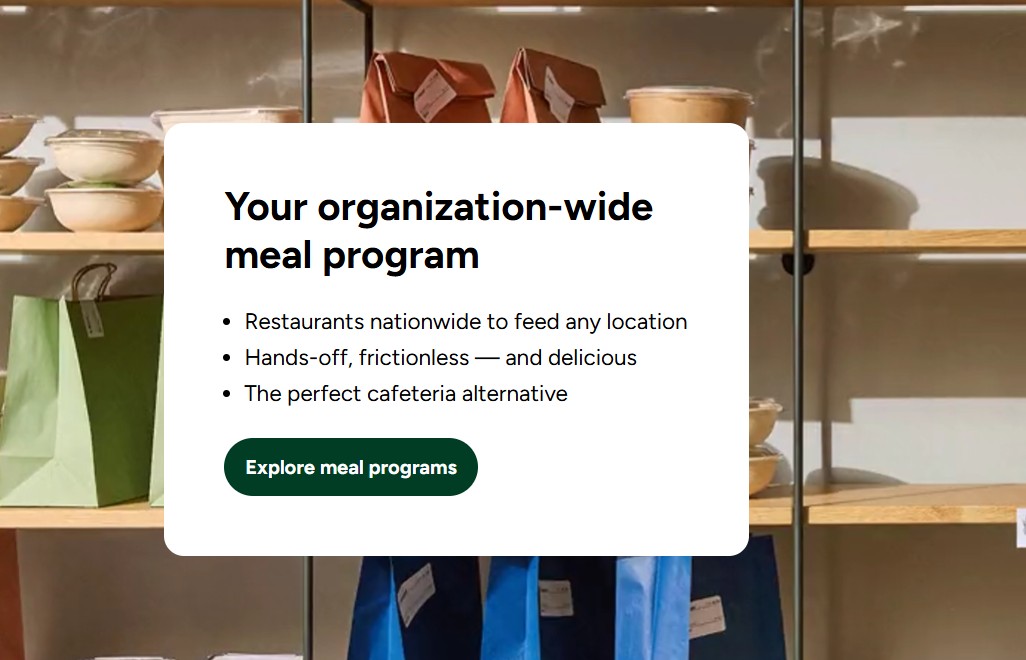
Transforming Workplace Dining With Modern Catering Solutions
The modern workplace has evolved far beyond traditional office routines. Companies today understand that employee satisfaction, workplace culture, and productivity are closely connected to the daily experiences employees have while at work. One important aspect of this experience is food. From team lunches to executive meetings, office celebrations, client presentations, and employee appreciation events, catering has become a major part of corporate operations. Businesses now seek reliable and flexible catering solutions that simplify meal planning while maintaining quality and convenience.
ezCater has emerged as one of the leading platforms helping businesses manage office meals and catering services with ease. Instead of spending hours contacting multiple restaurants, comparing menus, organizing deliveries, and handling payment coordination, companies can use a centralized platform designed specifically for workplace dining needs. This approach saves time, improves efficiency, and ensures that employees and guests receive high-quality meals without unnecessary complications.
Corporate catering today is no longer limited to sandwiches and coffee trays. Businesses now expect customizable menus, dietary accommodations, scheduled deliveries, and professional service tailored to the needs of modern teams. Organizations are embracing hybrid work models, remote collaboration, and flexible office arrangements, which means meal planning also requires greater adaptability. Companies need catering services capable of serving small internal meetings, large conferences, recurring employee lunches, and even virtual events where meals are delivered to multiple locations.
Meal planning services are also becoming essential for maintaining employee morale. A well-organized lunch meeting or catered team event creates opportunities for collaboration, networking, and relationship building within the workplace. Employees often feel more valued when companies invest in thoughtful dining experiences. Food has a unique ability to bring people together, improve workplace engagement, and create memorable moments that strengthen organizational culture.
The demand for seamless digital solutions has pushed the catering industry toward innovation. Businesses now expect online ordering systems, transparent pricing, real-time tracking, easy scheduling, and dedicated customer support. Catering platforms that can provide these features are gaining popularity because they reduce administrative burdens and improve overall operational efficiency. Managers can focus on strategic work while catering logistics are handled smoothly through technology-driven systems.
As workplaces continue evolving, corporate catering is becoming an essential business service rather than an occasional luxury. Companies of all sizes are recognizing the importance of reliable meal solutions that align with employee expectations, support workplace productivity, and simplify event management. Modern office catering platforms are helping organizations achieve these goals while providing flexibility, convenience, and professional service that traditional ordering methods often struggle to deliver.
Creating Better Employee Experiences Through Office Meal Planning
Employee experience has become one of the most important priorities for businesses across industries. Organizations compete not only through salaries and benefits but also through workplace culture and everyday experiences that make employees feel supported and appreciated. Office meals and catering programs play a surprisingly important role in this environment because food directly influences comfort, energy, collaboration, and morale during the workday.
Meal planning services allow businesses to organize consistent dining experiences without creating extra stress for managers or administrative staff. Instead of scrambling to coordinate food for meetings or events at the last minute, companies can establish reliable systems for scheduling meals in advance. This creates smoother operations and ensures employees always have access to organized, high-quality food options during important workplace activities.
Providing meals in the workplace also encourages team interaction. Employees are more likely to connect with coworkers when sharing meals together, especially in collaborative office environments. Team lunches often create informal conversations that strengthen relationships and improve communication between departments. This social interaction contributes to stronger workplace culture and can even support creativity and innovation within teams.
Modern meal planning services recognize that every workplace has unique preferences and dietary needs. Employees today may follow vegetarian, vegan, gluten-free, halal, or low-calorie diets. Businesses need catering solutions that can accommodate these diverse requirements while still offering enjoyable menu selections for everyone. Flexible catering platforms make it easier to customize orders and ensure every employee feels included during workplace dining events.
Office meal programs can also help reduce stress during busy workdays. Employees appreciate the convenience of having meals organized during training sessions, conferences, or extended meetings. Instead of leaving the office to search for food, workers can remain focused and productive while enjoying professionally arranged meals. This not only improves efficiency but also demonstrates that the company values employee time and comfort.
Another important factor is consistency. Reliable catering services help businesses maintain professional standards during meetings with clients, investors, and business partners. Well-presented meals contribute to positive impressions and reflect organizational professionalism. Companies hosting important visitors often rely on catering platforms that can guarantee punctual delivery and high-quality presentation.
The rise of hybrid work environments has also changed the way businesses approach office meals. Some organizations now coordinate meals for distributed teams during virtual events or remote collaboration sessions. Flexible catering systems make it possible to organize deliveries across multiple locations while maintaining centralized management and budgeting. This allows companies to continue building team connections even when employees are not physically together in one office.
Workplace dining is no longer just about convenience. It has become part of broader employee engagement and retention strategies. Companies investing in thoughtful meal planning often create more positive work environments where employees feel respected and appreciated. Food experiences can influence workplace satisfaction in subtle but meaningful ways, helping organizations foster stronger loyalty and better long-term employee relationships.
Simplifying Corporate Events And Business Meetings
Corporate events require careful planning, coordination, and attention to detail. Whether organizing a small strategy session or a large company conference, businesses need dependable services that help events run smoothly. Catering is often one of the most important components because food quality and timing directly affect the attendee experience. Poor meal coordination can disrupt schedules, create frustration, and negatively impact professional impressions.
Modern catering platforms help simplify these challenges by centralizing the entire ordering process. Businesses can browse menus, compare restaurants, schedule deliveries, manage budgets, and track orders through one convenient system. This streamlined approach eliminates the need for multiple phone calls, manual coordination, and complicated payment arrangements.
Corporate meetings often involve strict schedules, making punctual delivery essential. Reliable office catering services prioritize timing and operational efficiency to ensure meals arrive exactly when needed. This is especially important during conferences, training programs, and client presentations where delays can interrupt productivity and create logistical problems.
Flexibility is another major advantage of modern catering platforms. Businesses frequently need last-minute adjustments due to attendance changes, meeting extensions, or updated dietary requests. Traditional catering methods can make these changes difficult, but digital platforms often provide faster communication and easier order modifications. This adaptability helps organizations respond quickly to changing circumstances without unnecessary stress.
Large-scale events also benefit from professional meal coordination. Conferences and seminars may involve hundreds of attendees with varying food preferences and dietary restrictions. Coordinating such events manually can become overwhelming, especially for smaller administrative teams. Dedicated catering services simplify menu selection and delivery management, helping organizations maintain professionalism while reducing workload.
Corporate celebrations are another area where office catering adds value. Employee recognition events, company anniversaries, holiday parties, and milestone celebrations become more enjoyable when supported by quality dining experiences. Shared meals help create memorable workplace moments that strengthen team morale and company culture. Businesses increasingly recognize that thoughtful event planning contributes to employee engagement and workplace satisfaction.
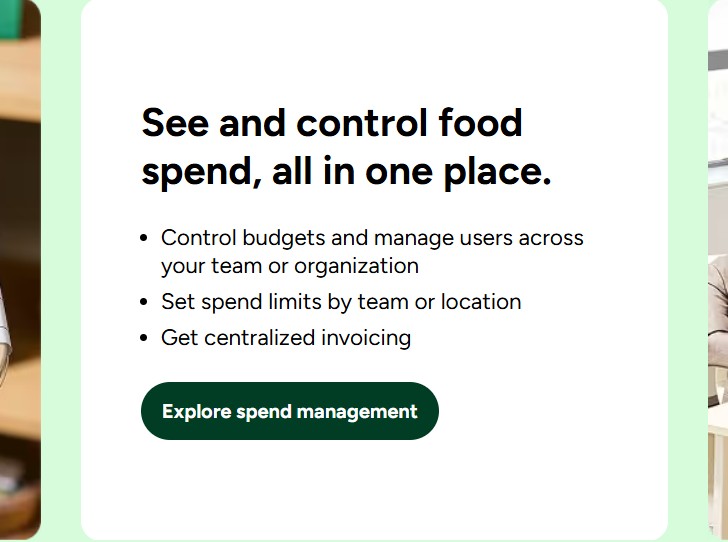
Budget management is also an important concern for organizations. Companies need transparent pricing and spending controls to maintain financial efficiency while organizing office meals. Modern catering platforms often provide budgeting tools, detailed invoices, and centralized payment systems that simplify expense tracking. This visibility helps businesses control costs while maintaining quality service standards.
Technology has significantly improved communication between businesses and catering providers. Online systems allow users to monitor order progress, confirm delivery times, and access customer support more efficiently. This transparency reduces uncertainty and gives businesses greater confidence when organizing important events or recurring meal programs.
As organizations continue prioritizing efficiency and employee experience, streamlined catering solutions are becoming essential business tools. Companies no longer view office meal coordination as a minor administrative task. Instead, they recognize it as an important operational function that influences productivity, professionalism, and workplace culture. Modern catering services help businesses meet these expectations while reducing complexity and improving overall event management.
Supporting Productivity And Workplace Efficiency
Productivity in the workplace depends on many factors, including employee well-being, time management, and operational efficiency. Businesses constantly search for ways to help employees remain focused, motivated, and energized throughout the workday. Convenient office meal solutions contribute significantly to this goal by reducing interruptions and creating smoother daily workflows.
When employees need to leave the office to search for meals during busy schedules, productivity can decline. Long lunch breaks, delivery delays, and disorganized meal arrangements can disrupt meetings and reduce efficiency. Organized catering services help eliminate these issues by ensuring food is delivered directly to the workplace at scheduled times. Employees can spend more time focusing on important tasks instead of coordinating meals individually.
Reliable meal planning also supports better time management during meetings and training sessions. Companies often organize full-day workshops, onboarding programs, and strategy discussions that require continuous participation. Providing meals on-site keeps schedules organized and prevents unnecessary delays. Employees can remain engaged while enjoying convenient dining experiences that fit seamlessly into the workday.
Nutrition also plays an important role in workplace performance. Employees who have access to balanced and satisfying meals may experience better concentration and energy levels throughout the day. Modern catering services often provide diverse menu options that include healthier choices alongside traditional comfort foods. This variety allows businesses to support employee wellness while accommodating different preferences.
Meal programs can also reduce decision fatigue. Employees often spend time deciding where to eat, coordinating group orders, or dealing with inconsistent food delivery experiences. Simplified office catering removes these daily frustrations and creates a more organized work environment. Predictable and efficient meal coordination contributes to smoother workplace routines and less stress during busy periods.
Recurring meal programs are becoming increasingly common in companies that value employee convenience. Some organizations schedule weekly team lunches, monthly appreciation events, or regular breakfast meetings as part of workplace culture initiatives. Consistent meal planning helps establish routines that employees look forward to while reinforcing team collaboration and engagement.
Hybrid workplaces have introduced additional challenges related to team coordination and employee connection. Some companies now use meal delivery programs to support virtual meetings and remote collaboration sessions. Shared dining experiences, even across different locations, help maintain a sense of community within distributed teams. Businesses can organize meal deliveries to remote employees during important virtual events, creating a more connected experience despite physical distance.
Administrative efficiency is another major advantage of centralized catering platforms. Managers and office coordinators can save significant time by using systems that simplify ordering, approvals, invoicing, and scheduling. Automated tools reduce repetitive tasks and allow teams to manage workplace meals more effectively. This operational efficiency benefits both employees and management by creating smoother internal processes.
Companies that invest in employee convenience often experience stronger workplace satisfaction and retention. Thoughtful meal planning demonstrates organizational care and attention to employee needs. While food alone does not define workplace culture, it contributes to an environment where employees feel valued and supported. Small improvements in daily experiences can have meaningful long-term effects on morale, engagement, and overall productivity.
The Future Of Corporate Catering And Workplace Dining
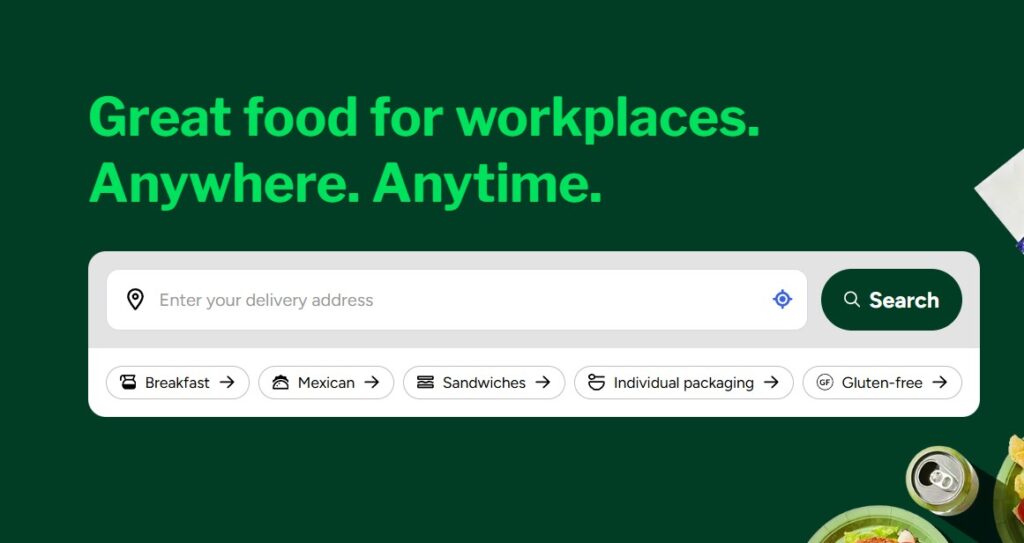
The future of workplace dining is being shaped by technology, flexibility, and changing employee expectations. Corporate catering services are evolving rapidly as businesses seek smarter ways to manage office meals, support hybrid teams, and create better employee experiences. What was once considered a simple convenience has now become an important part of workplace operations and organizational culture.
Digital platforms are driving much of this transformation by making catering more accessible, organized, and customizable. Businesses increasingly rely on centralized systems that allow them to manage everything from recurring meal programs to large corporate events. Online ordering, automated scheduling, real-time delivery tracking, and flexible payment solutions are becoming standard features that companies expect from modern catering providers.
Personalization is also becoming more important in workplace dining. Employees expect meal options that reflect diverse tastes, dietary needs, and health preferences. Catering platforms that can offer customizable menus and broad restaurant selections are likely to remain highly valuable as workforce diversity continues expanding. Businesses want solutions that make every employee feel included and accommodated during workplace events.
Sustainability is another growing priority within corporate catering. Many organizations now prefer environmentally responsible practices such as reduced packaging waste, locally sourced ingredients, and efficient delivery systems. Companies are becoming more conscious of the environmental impact of workplace operations, including food services. Catering providers that embrace sustainable practices may become increasingly attractive to socially responsible businesses.
Technology will likely continue improving efficiency in the catering industry. Artificial intelligence, automation, and advanced logistics systems may help businesses predict meal demand, optimize delivery timing, and simplify recurring orders. As these innovations develop, companies can expect even smoother experiences when organizing office meals and corporate events.
The hybrid work era is also influencing future catering strategies. Businesses are finding new ways to maintain team culture and employee engagement even when workers operate across multiple locations. Flexible meal programs that support both in-office and remote employees are becoming more relevant. Companies want solutions that help maintain connection and collaboration regardless of physical workplace arrangements.
Corporate wellness initiatives may also become more integrated with meal planning services. Employers increasingly recognize the connection between nutrition, employee health, and workplace performance. Future catering programs may place greater emphasis on balanced meals, wellness-focused menus, and healthier workplace dining habits that support long-term employee well-being.
Office catering is expected to remain a valuable tool for strengthening workplace relationships. Shared meals create opportunities for communication, collaboration, and team bonding that digital interactions alone cannot fully replace. Businesses understand that positive workplace experiences contribute to stronger company culture and improved employee satisfaction.
As organizations continue adapting to changing workforce expectations, convenient and reliable catering solutions will remain essential. Platforms like ezCater are helping businesses modernize workplace dining through flexibility, technology, and streamlined service management. Corporate catering is no longer just about delivering food. It is about supporting productivity, enhancing workplace culture, simplifying operations, and creating experiences that help employees and businesses succeed together.




Leave feedback about this