

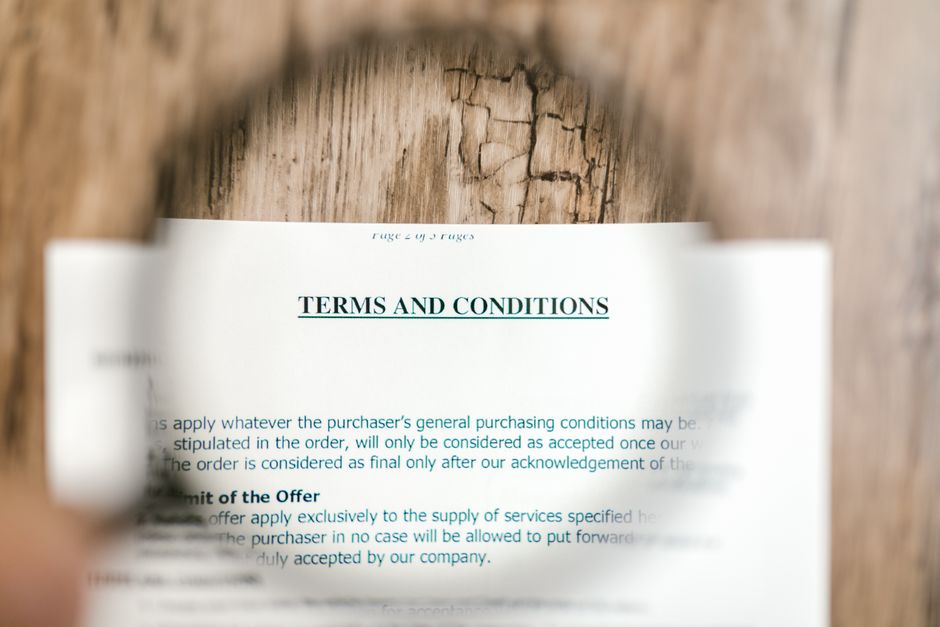
Shoppers can tell if an online deal is genuinely good by meticulously reviewing its terms and conditions. This involves checking validity dates, identifying specific product inclusions/exclusions, understanding minimum spend requirements, and scrutinizing return or refund policies. A truly smart online deal will have clear, unambiguous terms that don’t contradict the advertised offer. Comparing the final price, including shipping and any applicable taxes (like US sales tax), against other retailers or historical pricing also helps confirm its value. Being aware of regional consumer protections, such as EU consumer rights, adds another layer of security.
The internet is a treasure trove of discounts, coupons, and sales, especially during peak shopping events like Black Friday and Cyber Monday. However, the excitement of a seemingly fantastic price can often blind us to the small print. A ‘50% off’ banner might hide specific exclusions, a ‘buy one get one free’ could have a significant minimum spend, or a ‘free shipping’ offer might only apply to certain regions. For budget-conscious shoppers, families, and travelers, knowing how to sift through the jargon and find genuinely smart online deals and offers is more important than ever.
Many shoppers rush to click ‘buy’ without fully understanding what they’re committing to, leading to frustration, unexpected costs, or the disappointment of a non-redeemable offer. This common pitfall can turn an exciting bargain hunt into a costly mistake. That’s why developing a systematic approach to reading online offer terms and conditions is essential for securing real value.
In practice, a common mistake is assuming the headline offer tells the whole story. What appears to be a universal discount might only apply to specific items, or a tempting travel deal could have extremely restrictive blackout dates. Before you commit your hard-earned money, let’s equip you with the knowledge to dissect those deals.

Your Quick Checklist: Decoding Online Offers
Before diving into the specifics, here’s a quick overview of the essential steps for anyone looking to make smart online deals and offers. This checklist will help you quickly identify potential red flags and ensure you understand the real value of an offer:
- Verify the Source: Is the offer coming from a reputable retailer or a third-party site?
- Check Validity Dates: When does the offer start and, more critically, when does it end?
- Identify Inclusions & Exclusions: Does the deal apply to the exact product you want?
- Understand Minimums & Requirements: Is there a minimum spend or quantity required?
- Review Redemption Steps: Do you need a code, specific payment method, or account?
- Shipping & Tax Implications: Are there extra costs not included in the advertised price, such as US sales tax?
- Return & Refund Policy: How does the deal impact your ability to return items?
- Geographic Restrictions: Does the offer apply to your location (e.g., US, UK, Germany)?
Deep Dive: A Step-by-Step Guide to Terms and Conditions
1. Scrutinize the Offer’s Source and Validity
The first step in making smart online deals and offers is to understand who is offering the deal and for how long. A deal from a lesser-known third-party coupon site might not be as reliable as one directly from Amazon, Zalando, or Best Buy. Always prioritize offers found directly on the retailer’s official website or through trusted, verified deal alerts.
Who is the seller? And for how long?
Check the URL to ensure you’re on the legitimate retailer’s site and not a phishing attempt. Once you’ve confirmed the source, immediately look for the offer’s validity period. This means both the start and end dates. Many appealing discounts, especially around Black Friday or Cyber Monday, are time-sensitive. Missing the expiration by even an hour can mean missing out entirely or, worse, proceeding with a purchase at the full price, assuming the discount applied.
For instance, a flash sale might last only 24 hours, while a seasonal discount could run for a week. Always note these dates down or set a reminder. This step is crucial for preventing buyer’s remorse when you discover the deal has expired after you’ve already added items to your cart.
2. Unpacking Inclusions, Exclusions, and Conditions
This is where many seemingly great deals reveal their limitations. Retailers frequently use enticing headlines but then apply a long list of caveats in the fine print. To truly benefit from smart online deals and offers, you need to understand precisely what products or services are covered and what isn’t.
What’s included? What’s left out?
Read carefully for phrases like ‘select items only,’ ‘excludes clearance,’ ‘not valid on gift cards,’ or ‘certain brands apply.’ A 20% off site-wide offer might exclude the very high-demand item you’re targeting. Similarly, travel deals often exclude peak seasons or specific dates, making them less valuable for families tied to school holidays.
Streaming Games Casino: A Comprehensive Guide
Look for minimum spend requirements. A ‘£10 off your next purchase’ might require a minimum spend of £50. ‘Buy one get one free’ often means you have to buy two of the *same* item, or that the free item is the lower-priced of two different items. These conditions drastically change the perceived value of the deal.
3. Understanding the Redemption Process
A fantastic discount is useless if you can’t redeem it correctly. Different offers have different redemption methods, and understanding these upfront is key to a smooth checkout process and making smart online deals and offers.
How do I actually get this deal?
Is there a specific coupon code you need to enter at checkout? Does the discount apply automatically? Do you need to be a member of a loyalty program or subscribe to a newsletter? Some deals require you to click through a specific link or even add a certain number of items to your cart before the discount appears.
Payment method restrictions are also common. Occasionally, a special offer might only apply if you use a specific credit card or payment service. For example, some online marketplaces might offer a discount if you pay with their proprietary payment solution. Missing these details can lead to disappointment at the final payment stage.
4. Shipping, Taxes, and Hidden Costs
The advertised price is rarely the final price. Shipping costs and taxes can significantly inflate the total, turning a great deal into an average one.
Beyond the sticker price: Shipping and local taxes
Always add your desired items to your cart and proceed to the checkout page before finalizing a purchase. This is where you’ll typically see the shipping options and associated costs. ‘Free shipping’ often comes with caveats: a minimum spend threshold, specific shipping speeds (e.g., standard vs. express), or geographic restrictions (e.g., only within the continental US, or not to remote areas of Germany).
Taxes are another critical factor. In the US, sales tax is often added at checkout, varying by state and sometimes by county. For shoppers in the EU, prices are usually displayed including VAT (Value Added Tax), but it’s always worth confirming, especially when dealing with smaller international sellers. Understanding these additional costs is paramount for accurate price comparison and confirming you’re getting smart online deals and offers.

5. Return, Refund, and Customer Service Policies
Even with the best intentions, sometimes a purchase isn’t right. Understanding the return and refund policy is crucial, especially when buying discounted items, as special terms often apply.
What if I change my mind?
Many sale items, especially during events like Black Friday, are final sale or come with a restricted return window. Read the return policy carefully to see if the item can be returned, whether you’ll receive a full refund or store credit, who pays for return shipping, and what the time limit is. For shoppers in the EU, regulations like EU consumer rights provide a solid legal framework, including a 14-day cooling-off period for online purchases, but even these can have exceptions for certain product categories.
The Ultimate Guide to Money Management Slots
Also, consider the retailer’s customer service. If something goes wrong, how easy is it to contact them? Are there reviews about their support? A cheap deal isn’t worth the headache if resolving an issue becomes an insurmountable task.
FAQ: Smart Online Deals and Offers
How do I know if an online coupon code is legitimate?
Always try to find coupon codes directly on the retailer’s official website or through their verified email newsletters. Reputable coupon sites can also be a source, but be wary of codes found on forums or unfamiliar sites that seem too good to be true. Test the code at checkout before committing to a purchase.
What are common reasons an online discount code might not work?
Discount codes often fail due to expiration, product exclusions (e.g., clearance items, specific brands), minimum spend requirements not met, or being a one-time use code already applied. Geographic restrictions, incorrect entry, or the need to be logged into a specific account can also prevent a code from working.
Are international shipping fees and customs duties usually included in the advertised price?
Generally, no. Advertised prices typically do not include international shipping fees or customs duties, especially when shopping from a retailer based in a different country (e.g., a US site shipping to Germany). These costs are usually calculated and added at checkout, or may be payable upon delivery. Always check the shipping and import policy.
How do EU consumer rights protect me when buying from an online offer?
EU consumer rights provide strong protections, including a 14-day ‘cooling-off’ period where you can cancel an online purchase and return items for any reason, without justification. This applies to most goods bought from EU-based sellers. They also guarantee a minimum 2-year guarantee for faulty goods, offering significant peace of mind for smart online deals and offers.
What’s the best way to compare prices and ensure a deal is genuinely good?
Use price comparison websites or browser extensions that track historical pricing. Compare the final price (including all shipping and taxes) across several retailers, not just the advertised discount percentage. Look for reviews of the specific product and seller to ensure quality and reliability. Be skeptical of deals that seem unbelievably low without clear explanation.
Key Takeaways for Smart Online Deals and Offers
Mastering how to read an online offer’s terms and conditions is a skill that saves money and prevents frustration. By adopting a systematic, step-by-step approach, you transform from a reactive shopper into a proactive, informed consumer. Remember that a genuinely smart online deal or offer isn’t just about the biggest percentage off; it’s about clear terms, reasonable conditions, and a final price that genuinely represents value.
Prioritize deals from reputable sources, always verify validity dates, and be hyper-aware of what is (and isn’t) included in the offer. Don’t let the excitement of Black Friday or Cyber Monday sales overshadow the practical need to understand the fine print. Factor in all costs, from shipping to US sales tax, and know your rights regarding returns and refunds, especially when leveraging solid protections like EU consumer rights.
Ultimately, your goal is to ensure that the attractive headline translates into a real, tangible saving for you and your family. Armed with this checklist, you’re well-equipped to navigate the complex world of online shopping and confidently secure the best possible value.
For more verified shopping guidance and tips on how to find smart online deals and offers, explore more resources on AtTheFashion.






Leave feedback about this