

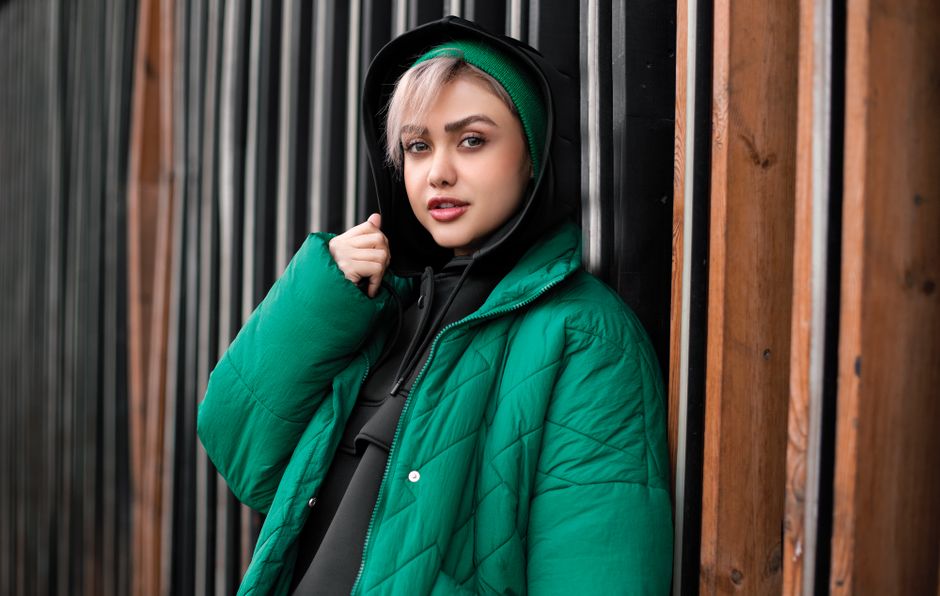
To build versatile women’s winter outfits on a realistic budget, focus on investing in high-quality, foundational pieces that can be layered and mixed-and-matched. Prioritize a well-fitting, insulated winter coat, thermal base layers, and waterproof boots. Supplement these with versatile knitwear, smart accessories like scarves and gloves, and a few key pieces that reflect your personal style. Opt for durable, sustainable fabrics where possible, as these often offer better longevity and performance. Strategic purchases allow for numerous outfit combinations without needing an extensive wardrobe, proving that warmth, style, and budget can coexist.
Navigating the winter months in bustling metropolises like New York, London, or Berlin presents a unique fashion conundrum. The chill bites deep, the winds whip around skyscrapers, and the commute often involves braving the elements. For many women, the struggle to find stylish yet genuinely warm winter outfits for cold cities is real. It’s easy to fall into the trap of sacrificing elegance for warmth, or vice versa, resulting in either a bulky, shapeless silhouette or a shiver-inducing ensemble.
Think of the last time you saw someone looking impeccably put-together on a snowy street. Chances are, they mastered the art of practical layering and strategic fabric choices, rather than relying on a single, oversized garment. This guide is dedicated to helping women solve common fit problems with their winter outfits, ensuring you stay comfortable, chic, and confident no matter how low the temperature drops.
The Core Challenge: Balancing Warmth, Style, and Fit
The quest for women’s winter outfits for cold cities often starts with a desire to combat the elements without looking like a shapeless bundle. The core challenge lies in balancing extreme warmth with a flattering fit and a polished aesthetic. Bulky sweaters, puffy coats, and thick thermal leggings, while effective, can easily overwhelm a frame if not chosen and styled correctly. This is particularly true for professionals who need to maintain a sophisticated appearance for workwear, or travelers who need versatile pieces without excessive luggage. The key is to understand how different layers interact and how to choose pieces that complement your body shape.
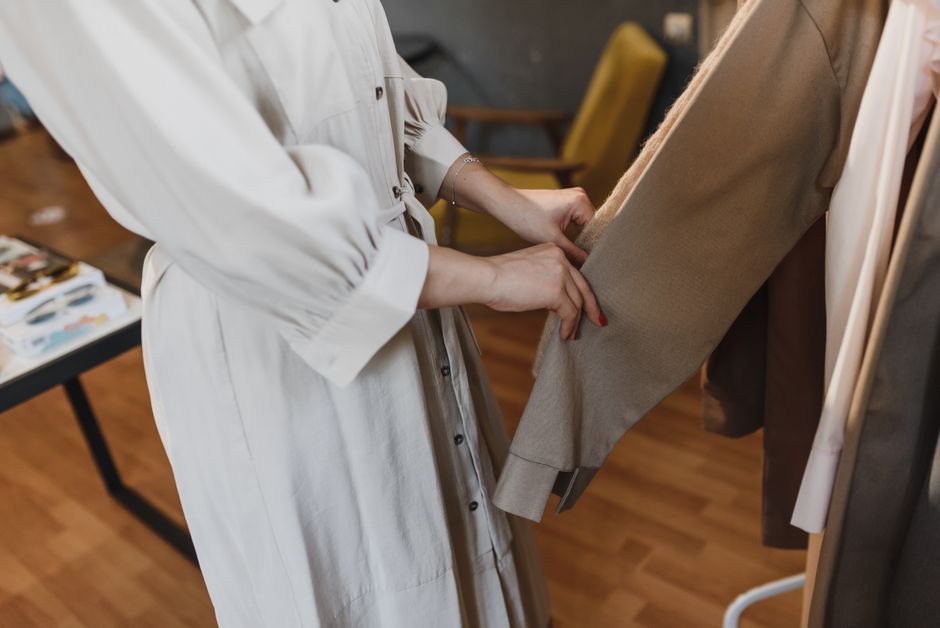
Many common fit problems arise from a misunderstanding of layering. For instance, an outer coat might fit perfectly over a light shirt, but become restrictive and uncomfortable when a chunky knit is added underneath. Similarly, trousers might feel fine in the changing room, only to become too tight when thermal leggings are worn. Addressing these issues requires a systematic approach to wardrobe planning, focusing on adaptability and smart purchases that serve multiple purposes.
Harnessing Layers for Optimal Warmth Without Bulk
- Start with a Smart Base Layer: Your first line of defense is crucial. Opt for merino wool or technical synthetic fabrics. These are thin, breathable, and excellent at wicking moisture away while retaining heat. They should fit snugly but not restrictively. Brands like Uniqlo’s Heattech or Smartwool offer effective, sleek options.
- Introduce a Mid-Layer for Insulation: This is where knitwear shines. Cashmere, fine-gauge merino wool, or fleece pullovers add significant warmth without excessive bulk. Ensure your mid-layers have enough room to fit comfortably over your base layer without bunching, but aren’t so loose that they create air pockets that allow cold in.
- The Outer Shell: Your Protective Shield: Your winter coat is the most visible and often most expensive piece. Invest in one that is insulated (down or synthetic fill) and ideally waterproof or water-resistant. Look for features like a high collar, a good hood, and snug cuffs. For cold cities like Milan or Paris, a stylish wool blend coat might suffice, but for New York or Berlin, a serious technical parka is often a necessity. Consider brands like Canada Goose (for extreme cold) or Patagonia for reliable warmth.
- Bottoms that Perform: Thermal leggings or tights are game-changers under trousers or skirts. For pants, choose styles with a bit more room in the leg for layering, like straight-leg or relaxed-fit trousers. Wool or flannel-lined options are also excellent.
- Accessorize Smartly: Don’t underestimate the power of accessories. A thick wool or cashmere scarf, insulated gloves, and a warm hat can make a significant difference in perceived warmth. They also offer an opportunity to inject personality and color into your women’s winter outfits.
- Footwear as a Foundation: Waterproof, insulated boots with good grip are non-negotiable for icy pavements. Brands like Sorel or Blundstone are popular for their functionality and durability. Ensure there’s enough room for thick wool socks without crushing your toes, which can restrict circulation and make your feet colder.
- Strategic Fabric Choices: Prioritize natural fibers like merino wool, cashmere, and down for their exceptional warmth-to-weight ratio. For outer layers, look for technical fabrics with membranes like Gore-Tex for waterproofing and breathability. Sustainable fabrics, such as recycled synthetics or ethically sourced wool, offer performance with environmental consideration.
- Consider Body-Hugging but Stretchy Silhouettes: Instead of loose, baggy clothes, sometimes a well-fitting but stretchy garment can offer better insulation by trapping air close to the body, without sacrificing shape. Think fine-gauge merino knits or stretch-infused trousers.
Comparing Winter Wardrobe Building Strategies
Building a solid winter wardrobe, especially for women’s winter outfits for cold cities, doesn’t mean buying everything. It means making strategic choices. Here’s how different approaches stack up:
| Strategy | Pros | Cons | Best For |
|---|---|---|---|
| The Capsule Wardrobe Approach | Highly versatile; fewer pieces, more outfits; sustainable; easier decision-making; budget-friendly in long run. | Initial investment can be higher; requires careful planning; less variety if you love trends. | Professionals, minimalists, travelers, those on a realistic budget wanting high-quality, long-lasting pieces. |
| Trend-Driven Approach | Always current and fashionable; allows for experimentation; fresh look each season. | Expensive; less sustainable; pieces may quickly go out of style; often sacrifices warmth for aesthetics. | Fashion enthusiasts with a larger budget; those who prioritize style over longevity. |
| Function-First Approach | Maximum warmth and protection; durable; ideal for very harsh climates. | Can be bulky and less stylish; often focuses on outdoor/sportswear aesthetics. | Outdoor adventurers, those in extremely cold climates, people prioritizing comfort above all. |
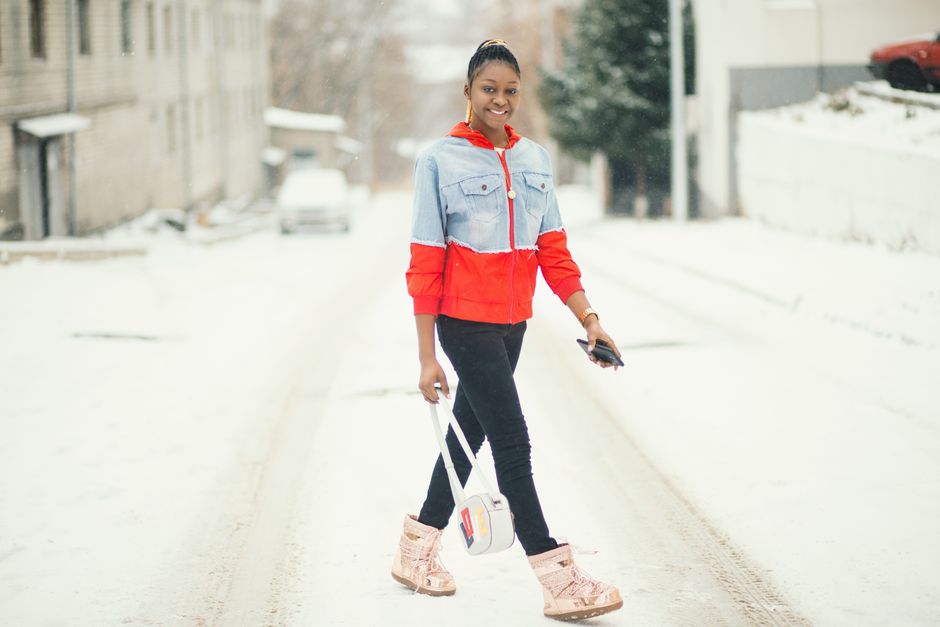
For most women navigating cold cities, a blend of the capsule and function-first approach often yields the best results. Invest in key high-performance pieces, then integrate versatile, timeless items that can be styled in multiple ways. This allows for a wardrobe that is both practical and polished.
Affordable Outfits for Dinners and Events: A Step-by-Step Shopping Checklist
Common Winter Outfit Mistakes and How to Avoid Them
Even with good intentions, several common pitfalls can derail your efforts to create effective women’s winter outfits for cold cities.
A common mistake is neglecting the base layer. Many people think a thick sweater is enough, but without a wicking base layer, sweat can cool on your skin, making you feel much colder. Always start with a technical or merino wool base layer, especially if you’re active or commuting, as it manages moisture effectively and adds a crucial layer of insulation without bulk.
Another frequent error is prioritizing fashion over function in footwear. Those chic ankle boots might look great, but if they’re not waterproof and insulated, your feet will be miserable. Cold, wet feet are a fast track to feeling cold all over. Invest in proper winter boots for daily wear and save the fashion boots for indoor events or less severe weather. Look for trusted brands that offer both style and substance.
Ignoring the impact of wind chill is another common oversight. A heavy coat alone might not be enough if it’s not windproof. Wind can cut through layers, significantly reducing their insulating power. Look for coats with wind-resistant shells, and always cover exposed skin with scarves, hats, and gloves. Even in cities like Berlin or Paris, where temperatures might not dip as low as New York, the persistent wind can make it feel much colder.
Finally, buying ill-fitting layers can lead to discomfort and reduced warmth. Layers that are too tight compress the insulation, making them less effective, while layers that are too loose create air gaps that allow heat to escape. Ensure each layer has just enough room to move freely without being baggy, creating a snug ecosystem that traps warmth effectively. When trying on coats, always do so over the thickest sweater you plan to wear underneath.
FAQ: Building Your Cold City Winter Wardrobe
How can women build a versatile winter wardrobe on a realistic budget?
To build a versatile winter wardrobe on a budget, prioritize investment in a high-quality, insulated winter coat and waterproof boots. Focus on core pieces like merino wool base layers and versatile knit sweaters that can be mixed and matched. Look for sales on durable, timeless items rather than fast fashion trends. Smart layering means you need fewer individual items to create multiple warm outfits.
Easy Workwear Outfits for Hybrid Offices: Solving Common Fit & Style Problems
What are the best sustainable fabrics for women’s winter outfits?
For sustainable women’s winter outfits, consider natural fibers like organic merino wool, recycled cashmere, and responsibly sourced down. Recycled polyester and nylon are excellent for outer shells, offering water resistance with a smaller environmental footprint. Look for certifications like Bluesign or GOTS to ensure ethical and sustainable production practices for your garments.
How do I choose a winter coat that’s both warm and stylish?
Choosing a warm and stylish winter coat involves balancing insulation with cut. Look for coats with a good fill power (for down) or equivalent synthetic insulation. A classic silhouette like a tailored wool coat for cities like Milan, or a parka with a defined waist for cities like New York, can be both functional and flattering. Pay attention to details like a removable hood or faux fur trim for versatility.
What’s the trick to staying warm without looking bulky?
The trick to staying warm without bulk lies in smart layering and fabric choice. Opt for thin, high-performance base layers (like merino wool or thermal synthetics) that fit snugly. Follow with fine-gauge knit mid-layers, and a well-insulated, but not excessively puffy, outer coat. Prioritize warmth-to-weight ratio fabrics like cashmere or down. Strategic layering creates warmth without adding significant volume.
Are thermal leggings really necessary for cold city winters?
Yes, thermal leggings are highly recommended, if not essential, for true cold city winters, especially in places like New York or Berlin. They provide an invaluable extra layer of insulation under trousers, skirts, or dresses without adding significant bulk. They prevent heat loss from your legs and significantly enhance overall warmth, making outdoor excursions much more comfortable.
Mastering women’s winter outfits for cold cities doesn’t have to be an impossible task. By understanding the principles of layering, investing wisely in quality pieces, and avoiding common pitfalls, you can build a versatile wardrobe that keeps you both warm and impeccably stylish from London to Warsaw. Focus on practical solutions and durable fabrics to create looks that stand up to the elements and improve your everyday.
Explore more women’s guides on AtTheFashion.





Leave feedback about this