

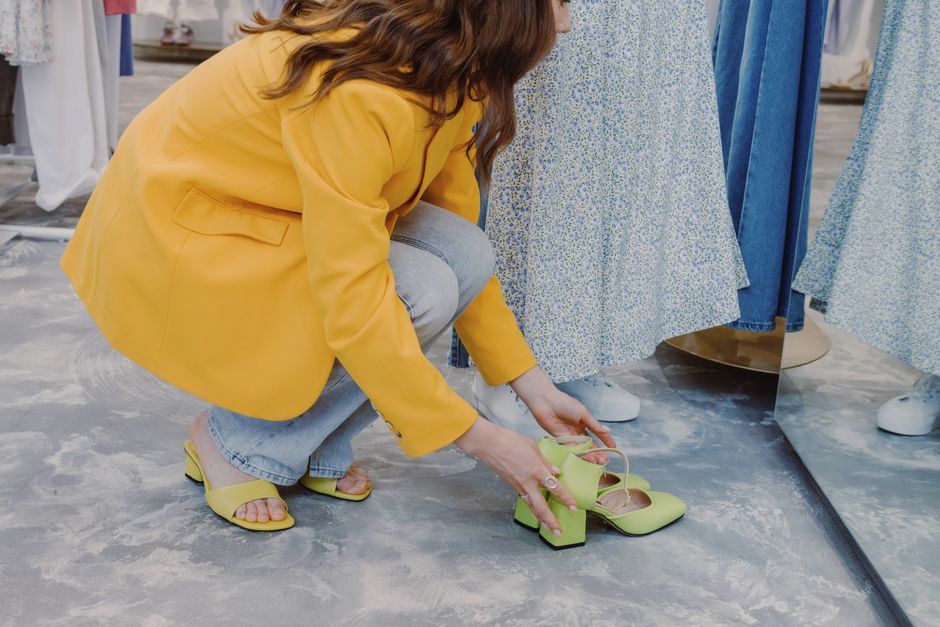
To build a versatile minimalist wardrobe on a realistic budget, women should focus on quality over quantity, investing in foundational pieces that can be mixed and matched across seasons and occasions. Prioritize neutral colors and classic silhouettes that won’t quickly go out of style. Solving common fit problems, such as ill-fitting trousers or tops, is crucial for maximizing wearability and comfort. Seek out pieces made from durable, easy-care sustainable fabrics that offer longevity. By strategically selecting items that fit well and perform multiple roles, busy women can create an efficient wardrobe without breaking the bank, reducing the need for constant shopping and costly alterations.
Navigating the demands of a busy life, whether you’re commuting to a finance meeting in New York, presenting a research paper in London, or managing a design studio in Berlin, often leaves little time for wardrobe dilemmas. The appeal of a minimalist wardrobe for busy women is undeniable: less decision fatigue, more conscious consumption, and a streamlined approach to getting dressed. Yet, the path to a truly functional and elegant minimalist collection isn’t always straightforward. It requires a thoughtful approach, especially when it comes to fit and the practicalities of daily wear.
Many women envision a capsule wardrobe that effortlessly transitions from workwear to travel outfits, but the reality can be a closet full of ‘almost right’ pieces. Perhaps a classic white shirt pulls across the bust, trousers gape at the waist, or a seemingly versatile dress feels just a little off. These small imperfections add up, making even the most carefully selected items feel less useful. The goal isn’t just fewer clothes, but better clothes that genuinely work for your unique body and busy lifestyle.
This guide offers practical women’s fashion advice for building a minimalist wardrobe, specifically addressing common fit problems and offering actionable solutions that go beyond generic styling tips. We’ll explore how to build a collection of basics that not only look good but feel good, supporting your diverse commitments from Paris to Milan.
The Core Philosophy: Why a Minimalist Wardrobe Works for Busy Women
The essence of a minimalist wardrobe for busy women lies in intentionality. It’s about curating a selection of high-quality, versatile pieces that fit impeccably and can be mixed and matched to create numerous outfits for various occasions. This approach significantly reduces decision-making time in the mornings, frees up mental energy, and often leads to a more sustainable consumption pattern. Instead of chasing fleeting trends, you invest in timeless pieces that serve you season after season.
For professionals, travelers, students, or anyone with a packed schedule, a well-constructed minimalist wardrobe means less stress and more confidence. Imagine packing for a weekend trip to Rome or a business conference in Frankfurt with ease, knowing every item in your small suitcase will work. This efficiency isn’t just about saving time; it’s about optimizing your resources, including your budget and closet space.
Building Your Foundation: Essential Categories and Considerations
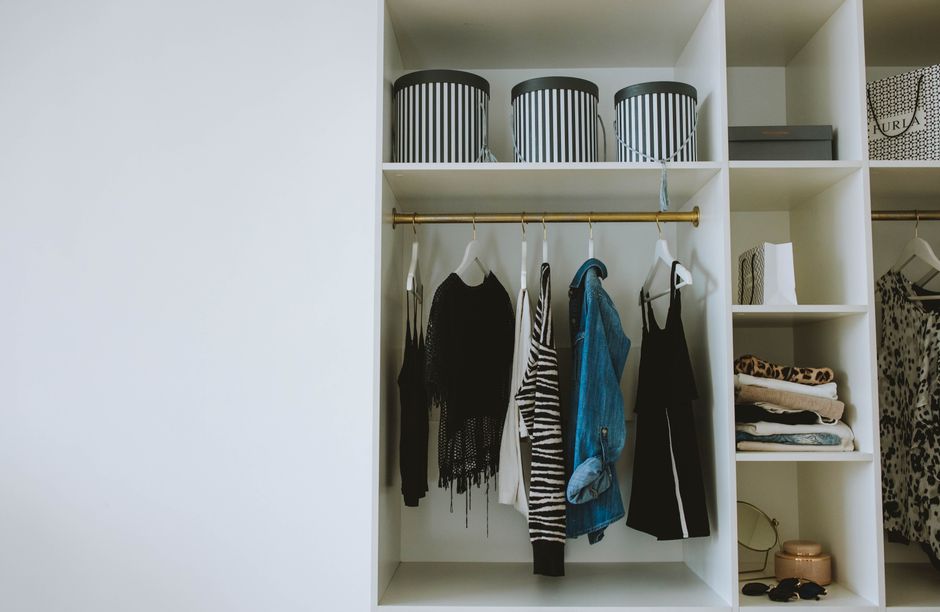
Before diving into specific fit solutions, let’s outline the essential categories that form the backbone of most minimalist wardrobes:
- Tops: T-shirts, button-downs, blouses, knitwear (sweaters, cardigans).
- Bottoms: Tailored trousers, dark wash jeans, skirts (pencil, A-line), versatile shorts.
- Dresses/Jumpsuits: A few go-to options for work, casual, or evening.
- Outerwear: Blazers, trench coats, versatile jackets (e.g., leather or denim).
- Shoes: Comfortable flats, versatile heels, practical sneakers, ankle boots.
- Accessories: Scarves, belts, classic jewelry, a functional handbag.
When selecting these items, prioritize neutral colors (black, white, navy, grey, beige) as your base, and then add a few accent colors that complement your personal palette. Sustainable fabrics like organic cotton, linen, Tencel, or responsibly sourced wool not only contribute to sustainable fashion but often offer better drape and longevity, crucial for a hardworking wardrobe.
Solving Common Fit Problems for Your Minimalist Wardrobe
Even the most beautiful garments won’t serve you if they don’t fit right. Here’s practical women’s fashion advice on tackling common fit issues:
1. Trousers that Gape or Pull
Problem: Waistbands that gape at the back, or fabric that pulls uncomfortably across the hips and thighs, especially common for different hip-to-waist ratios.
Building a Sustainable Women’s Wardrobe: Your Essential Shopping Checklist
Solution: Invest in quality tailoring. A good tailor can easily take in a waistband without affecting the overall silhouette. For pulling across the hips, consider trousers with a higher stretch content or a wider leg. Look for brands that offer different ‘fits’ (e.g., curvy, straight, petite, tall) which cater to varying body proportions. High-waisted styles often offer a more secure and flattering fit for many body types. Brands like Cos or Arket often have good quality tailoring in their basic trouser lines available across Europe and the US.
2. Button-Down Shirts that Pull at the Bust
Problem: Gaping between buttons, or a tight fit across the chest, leading to an uncomfortable and unprofessional look.
Solution: Size up and tailor down. Often, buying a shirt that fits your bust and then having the waist and arms taken in is more effective than trying to squeeze into a smaller size. Alternatively, explore ‘no-gape’ shirts designed with hidden buttons or extra fabric. Consider blouses made from fabrics with more drape, like silk or Tencel, which naturally flow over curves without pulling. A well-fitting blazer worn open can also mask this issue if altering isn’t an immediate option.
3. Dresses or Skirts that Don’t Sit Right
Problem: Skirts riding up, dresses feeling too loose or too tight in places, or hemlines that are unflattering.
Solution: Pay attention to fabric and structure. A-line skirts and dresses are often universally flattering. For bodycon or tailored dresses, ensure the fabric has enough stretch to move with you without feeling restrictive. Hem length is critical; a tailor can adjust this to hit the most flattering point for your height (e.g., just above or at the knee for many, or midi length). For formal occasions, a classic little black dress from a brand like Hobbs, popular in the UK and Germany, often offers well-constructed options.
4. Ill-Fitting Blazers and Jackets
Problem: Shoulders that are too wide or too narrow, sleeves that are too long or too short, or a jacket that doesn’t close properly.
Solution: Shoulder fit is paramount and the hardest to alter. Ensure the shoulder seam sits directly on your natural shoulder point. Sleeve length and waist suppression are relatively easy and affordable alterations. A classic single-breasted blazer in a neutral shade is incredibly versatile for workwear, travel outfits, and even casual pairings. Look for brands that offer consistent sizing and quality, such as J.Crew in the US or Massimo Dutti across Europe.
5. The Wrong Undergarments
Problem: Even perfectly fitting clothes can look wrong with visible bra lines, ill-fitting underwear, or inadequate support.
Solution: This isn’t strictly a clothing fit problem, but it profoundly impacts how your clothes look and feel. Get properly fitted for bras regularly. Invest in seamless underwear in nude shades. A good shapewear piece can smooth lines under tailored clothing without being restrictive. This foundational layer is often overlooked but is absolutely critical for the polished look of a minimalist wardrobe.
Building a Versatile Wardrobe on a Realistic Budget: Options Compared
One of the most common questions regarding a minimalist wardrobe is how to build it without spending a fortune. The key is strategic investment. Here’s a comparison of different approaches to help you build your women’s fashion advice minimalist wardrobe basics for busy women on a budget:
Sustainable Women’s Wardrobe Essentials: Balancing Comfort, Quality, and Style
| Approach | Pros | Cons | Best For | Example Brands/Strategies |
|---|---|---|---|---|
| High-Quality, Fewer Items | Longevity, better fit, ethical production (often), timeless style. | Higher upfront cost per item. | Those who prioritize durability and long-term value, comfortable with a smaller collection. | Étienne Aigner (Germany/US), Filippa K (Sweden), ARKET (Sweden), buying second-hand designer. |
| Mid-Range, Strategic Buys | Good balance of quality and price, more options available, frequent sales. | Can still accumulate too much if not disciplined, quality varies. | Most busy women looking for a practical, sustainable approach without extreme investment. | Massimo Dutti (Spain), Cos (Sweden), Everlane (US), M&S Autograph (UK), Zalando (Germany/Poland). |
| Budget-Friendly, Smart Sourcing | Lowest upfront cost, accessibility. | Variable quality, faster wear-and-tear, often less sustainable, requires more careful selection. | Students, those with rapidly changing needs, or building a ‘test’ capsule. | Thrift stores (Vinted, Depop, local shops), H&M Conscious (Sweden), Uniqlo (Japan) for specific basics. |
Common Mistakes to Avoid When Curating a Minimalist Wardrobe
While the concept of a minimalist wardrobe is appealing, there are pitfalls that can derail your efforts. Avoid these common mistakes to ensure your collection truly serves you.
First, don’t confuse minimalism with deprivation. The goal isn’t to have the fewest items possible, but the right items. Forcing yourself to live with too few pieces, especially if they don’t meet your lifestyle needs (e.g., not enough work-appropriate tops for a busy week, or no suitable rain gear for London’s weather), will lead to frustration and a quick return to old shopping habits. Be realistic about your daily demands and local climate.
Another frequent error is neglecting personal style. A minimalist wardrobe doesn’t have to be bland. While neutrals form a strong foundation, infusing your personality through carefully chosen colors, textures, or unique accessories is key. If you love a pop of red, incorporate it; if you prefer patterns, find a versatile patterned scarf or blouse. Your wardrobe should reflect you, not a generic ideal.
Ignoring the importance of fabric quality is also a common misstep. Cheap fabrics often don’t drape well, pill quickly, or require excessive care, undermining the ‘easy’ aspect of a minimalist wardrobe. Investing in durable, easy-care sustainable fabrics, even if it means fewer items, will save you money and headaches in the long run. Think about how materials like cotton, wool, linen, and Tencel perform over time and how they feel against your skin.
Finally, falling into the ‘one-size-fits-all’ trap is detrimental. What works for a student in Spain might not work for a corporate executive in New York. Consider your specific needs: do you travel frequently? Do you have a demanding dress code? Are you often outdoors? Tailor your minimalist wardrobe to your unique life, rather than blindly following someone else’s capsule template. This individualized approach is the best women’s fashion advice minimalist wardrobe basics for busy women can receive.
FAQ: Your Minimalist Wardrobe Questions Answered
What is the ideal number of items for a minimalist wardrobe?
There’s no magic number, as it largely depends on individual lifestyle and climate. A good starting point for busy women is often around 30-50 items, including clothing, shoes, and outerwear, but excluding underwear, sleepwear, and activewear. The focus should be on versatility and functionality over a strict count.
How can I ensure my minimalist wardrobe stays relevant across seasons?
Choose core pieces in seasonless fabrics like cotton, wool blends, and Tencel. Layering is key: lighter tops with cardigans or blazers for spring/autumn, and heavier coats for winter. Incorporate a few seasonal accessories like scarves or lightweight jackets to refresh outfits without needing entirely new garments.
Are sustainable fabrics truly worth the investment for a minimalist wardrobe?
Yes, sustainable fabrics like organic cotton, linen, Tencel, and responsibly sourced wool often offer superior quality, durability, and comfort. They tend to hold up better to frequent wear and washing, aligning with the longevity goals of a minimalist wardrobe. While often more expensive upfront, they reduce the need for constant replacements, making them a wise long-term investment.
How do I start decluttering my current closet to build a minimalist wardrobe?
Begin by taking everything out of your closet. Create three piles: ‘keep,’ ‘donate/sell,’ and ‘maybe.’ Only keep items that fit well, you love, and are truly versatile. For the ‘maybe’ pile, store them away for a month; if you don’t miss them, let them go. Be honest about what you actually wear.
Can I still incorporate trends into a minimalist wardrobe?
Absolutely! Integrate trends through accessories, scarves, or a single statement piece like a unique top. The core of your wardrobe should remain timeless and versatile, allowing you to update your look with small, low-commitment additions. This prevents needing to overhaul your entire collection each season.
What if my body shape changes? Will my minimalist wardrobe still work?
A well-curated minimalist wardrobe prioritizes classic cuts and fabrics that offer some flexibility. However, body shape changes are natural. Focus on items that can be easily altered by a tailor (e.g., trousers, skirts). If significant changes occur, consider it an opportunity to reassess and rebuild a few key pieces, ensuring comfort and confidence.
Embracing a minimalist wardrobe is about making conscious choices that empower you, not restrict you. By focusing on impeccable fit, versatile basics, and practical solutions, you can build a collection that supports your busy life with elegance and ease. For more women’s guides and fashion insights, explore more women’s guides on AtTheFashion.





Leave feedback about this