


The simplest beauty routine for healthy-looking skin in hot and humid cities focuses on gentle cleansing, robust sun protection, and lightweight hydration. Start with a mild cleanser to remove sweat and impurities without stripping your skin. Follow with a broad-spectrum SPF 30 or higher, even indoors. For hydration, opt for gel-based moisturizers or serums containing hyaluronic acid, which attract moisture without feeling heavy. Throughout the day, consider blotting papers to manage excess shine. This core routine protects the skin barrier and prevents common issues like breakouts and irritation that often arise in humid conditions.
Picture this: a bustling European capital like Rome or Paris in July, or perhaps a trip to the sun-drenched beaches of Miami or the vibrant streets of Bangkok. The humidity hangs thick in the air, your skin feels perpetually slick, and the thought of layering heavy creams sends shivers down your spine. It’s a common dilemma for anyone living in or traveling to hot and humid environments, from the American South to the Mediterranean coasts of Spain and Italy, or even the balmy summers of Berlin.
Your skin, much like your wardrobe, needs to adapt to these conditions. What works beautifully in a dry, cool climate can feel suffocating and lead to breakouts or irritation when the air is thick with moisture. This is precisely why a practical beauty and skincare guide for summer skincare for hot and humid cities is essential, helping you navigate these challenges with ease and maintain a healthy, radiant complexion.
We’ll cut through the noise and offer actionable advice, whether you’re a skincare novice just trying to keep things simple, a busy professional needing efficient solutions, or a frequent traveler looking for smart packing tips. Our focus is on making your routine effective, manageable, and genuinely enjoyable.
Understanding Your Skin’s Needs in Humidity
Before diving into product recommendations, it’s helpful to understand what happens to your skin when heat and humidity are at their peak. High humidity can trick your skin into producing more oil, leading to that ‘greasy’ feeling and potentially clogged pores. Sweat mixes with natural oils and environmental pollutants, creating a perfect storm for breakouts. Simultaneously, despite the moist air, dehydration can still be a concern, especially if you’re spending time in air-conditioned environments or not drinking enough water.
Your skin barrier, the outermost layer that protects against external aggressors and retains moisture, is also under stress. Constant sweating and potential over-cleansing can compromise this barrier, leading to sensitivity, redness, and a compromised ability to defend itself. Therefore, a key principle of practical beauty and skincare guide summer skincare for hot and humid cities is to support and protect this vital barrier.
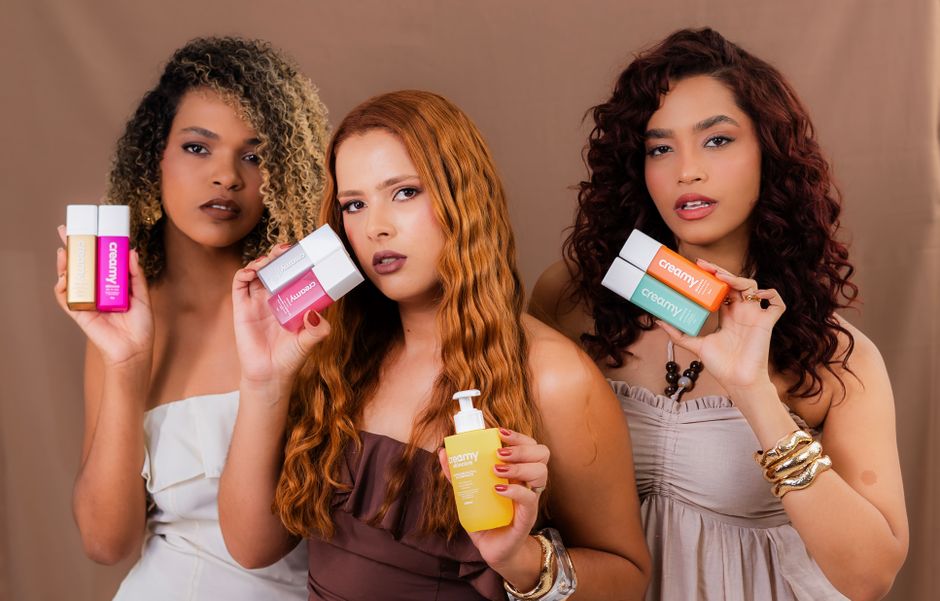
Essential Steps for Your Summer Skincare Routine
Creating an effective summer skincare routine doesn’t mean overhauling everything. It’s about smart adjustments and focusing on core principles. Here’s a breakdown of what truly matters:
1. Gentle Cleansing is Non-Negotiable
In humid conditions, it’s tempting to aggressively cleanse to combat oiliness, but this is a common mistake. Over-cleansing strips your skin of its natural oils, triggering it to produce even more sebum. Opt for a mild, sulfate-free cleanser, perhaps a gel or foam formula, twice a day. Look for ingredients like salicylic acid if you’re prone to breakouts, but use it judiciously. For instance, in humid cities like New York or Warsaw, a simple cleanse in the morning and evening is usually sufficient.
2. Embrace Lightweight Hydration
Heavy creams can feel suffocating in humidity. Instead, switch to lightweight, non-comedogenic moisturizers. Gel creams or oil-free lotions are ideal. Ingredients like hyaluronic acid are fantastic because they draw moisture from the air into your skin without adding oil. Serums with humectants can also provide ample hydration without the weight. Consider a hydrating toner as a first layer after cleansing, especially useful in regions like Milan where summer heat can be intense.
3. Sunscreen: Your Non-Negotiable Armor
This cannot be stressed enough: daily, diligent use of SPF is paramount. Choose a broad-spectrum sunscreen with an SPF of 30 or higher. For hot and humid climates, look for formulas that are lightweight, non-greasy, and water-resistant. Mineral sunscreens (zinc oxide, titanium dioxide) can be a good option for sensitive skin, but modern chemical sunscreens are often formulated to be very elegant. Reapply every two hours if you’re sweating or swimming. Whether you’re sightseeing in Lisbon or working in a sunny office in Berlin, UV rays are a constant threat. In the US and EU, look for formulas that are clearly labeled ‘broad-spectrum’ and ideally ‘non-comedogenic’.
4. Incorporate Antioxidants
Antioxidants like Vitamin C (ascorbic acid) help protect your skin from environmental damage caused by free radicals, which can be more prevalent in polluted, humid urban settings. A Vitamin C serum applied in the morning under your sunscreen can boost its protective qualities and also help brighten your complexion. This adds a powerful defensive layer to your practical beauty and skincare guide summer skincare for hot and humid cities.
5. Smart Use of Actives: Retinol and Exfoliants
Retinol can still be used in summer, but with extra caution. It makes your skin more sensitive to the sun, so it’s even more crucial to apply it only at night and use generous SPF during the day. Consider reducing the frequency of application or opting for a lower concentration. For chemical exfoliants (AHAs/BHAs), similar rules apply – use them at night and prioritize sun protection. In humid environments, a mild BHA (salicylic acid) can be particularly helpful for managing clogged pores.
6. Nurture Your Skin Barrier
With increased sweat, sun exposure, and potentially more frequent cleansing, your skin barrier can take a hit. Incorporate ingredients like ceramides and niacinamide to help strengthen and repair it. These can be found in serums or moisturizers. A healthy barrier is your best defense against irritation and dehydration, especially in climates prone to intense heat and humidity.
7. Simplify Your Makeup Routine
Heavy foundations can feel like a mask and exacerbate breakouts in humidity. Opt for lighter alternatives like tinted moisturizers, BB creams, or mineral powders. Waterproof mascara and eyeliner are your friends. And remember, blotting papers are a lifesaver for managing shine throughout the day without caking on more powder.
Comparing Sunscreen Formulations for Humid Climates
Choosing the right sunscreen is pivotal. Here’s a brief comparison to help you decide:
| Sunscreen Type | Key Characteristics | Pros for Hot & Humid Cities | Cons for Hot & Humid Cities |
|---|---|---|---|
| Chemical Sunscreens | Absorb UV rays and convert them to heat. Often lighter, thinner consistency. | Elegant feel, less likely to leave white cast, good for daily wear under makeup. Many newer formulas are very stable. | Can sometimes sting sensitive eyes. May require careful reapplication. |
| Mineral Sunscreens | Sit on the skin’s surface, deflecting UV rays. Active ingredients: Zinc Oxide, Titanium Dioxide. | Great for sensitive skin, immediate protection, less likely to irritate. | Can sometimes leave a white cast (though modern formulations are better). Might feel slightly thicker. |
| Hybrid Sunscreens | Combine chemical and mineral filters. | Often strike a balance between elegance and broad-spectrum protection. Can offer the best of both worlds. | Availability varies by region (e.g., some filters approved in EU are not in US). |

Common Mistakes to Avoid in Humid Climates
Even with good intentions, it’s easy to fall into traps that can derail your summer skincare efforts. Being aware of these can save you a lot of skin stress.
A common mistake is over-exfoliating. The feeling of grime in humid weather can make you want to scrub your skin clean. However, excessive physical or chemical exfoliation can damage your skin barrier, leading to increased sensitivity, redness, and even more breakouts as your skin tries to compensate.
Simple Skin Barrier Routine for Sensitive Skin: Comparing Products Without Marketing Confusion
Another pitfall is skipping sunscreen on cloudy days or when indoors. UV rays penetrate clouds and windows. This is particularly relevant in places like the UK or Germany, where a cloudy summer day still exposes you to significant UV radiation. Don’t let the lack of direct sun fool you into neglecting your SPF.
Ignoring product expiry dates, especially for sunscreen, is also a significant error. Sunscreens lose their efficacy over time, particularly when exposed to heat. Check the PAO (Period After Opening) symbol – a small open jar icon – on your products. For many products, a year after opening is the general rule, but for sunscreens, it might be even shorter, especially if it’s been in a hot beach bag all summer.
Finally, neglecting hydration from within is crucial. While topical hydration is important, drinking plenty of water throughout the day helps your body regulate its temperature and supports overall skin health, which is a fundamental part of any practical beauty and skincare guide summer skincare for hot and humid cities.
FAQ: Answering Your Summer Skincare Questions
Is it okay to use retinol in the summer?
Yes, you can use retinol in the summer, but with extra precautions. Retinol increases skin’s sun sensitivity, making daily, diligent application of broad-spectrum SPF 30+ non-negotiable. It’s best applied at night, and you might consider reducing frequency or opting for a lower concentration during the peak summer months to avoid irritation.
How can I prevent breakouts in humid weather?
Preventing breakouts in humid weather involves a multi-pronged approach: use a gentle, sulfate-free cleanser twice daily, incorporate a BHA (salicylic acid) toner a few times a week to keep pores clear, and opt for non-comedogenic, lightweight moisturizers. Ensure thorough, consistent sun protection, as sun damage can also exacerbate acne.
What’s the best way to keep my skin from getting oily throughout the day?
To manage oiliness, start with an oil-controlling cleanser and a mattifying, oil-free moisturizer or primer. Throughout the day, use blotting papers to absorb excess sebum without disturbing your makeup. Consider a setting spray designed for oily skin. Regular gentle exfoliation can also help regulate oil production over time.
Do I still need moisturizer if the air is humid?
Yes, you still need moisturizer even in humid air. While humidity can provide some moisture, your skin still requires a barrier to lock it in and protect itself. Opt for lightweight, non-comedogenic formulas like gel creams or serums containing hyaluronic acid or ceramides to provide essential hydration without feeling heavy or greasy.
What ingredients should I look for to strengthen my skin barrier in summer?
To strengthen your skin barrier during summer, look for ingredients like ceramides, niacinamide (Vitamin B3), and hyaluronic acid. Ceramides are lipids that make up a significant portion of your skin barrier, while niacinamide helps improve barrier function and reduce inflammation. Hyaluronic acid provides hydration, which is vital for barrier integrity.
Are facial mists helpful in humid climates?
Facial mists can offer a temporary refreshing sensation, but for true hydration in humid climates, ensure they contain humectants like glycerin or hyaluronic acid. Without these, plain water mists can evaporate and potentially draw moisture from your skin, leading to dehydration. Choose mists with beneficial ingredients to get the most out of them.
Navigating summer skincare in hot and humid cities doesn’t have to be complicated. By focusing on gentle cleansing, solid sun protection, lightweight hydration, and smart product choices, you can maintain healthy, happy skin all season long. Remember, consistency and adapting to your environment are key. Explore more beauty guides on AtTheFashion to further enhance your skincare knowledge.






Leave feedback about this