

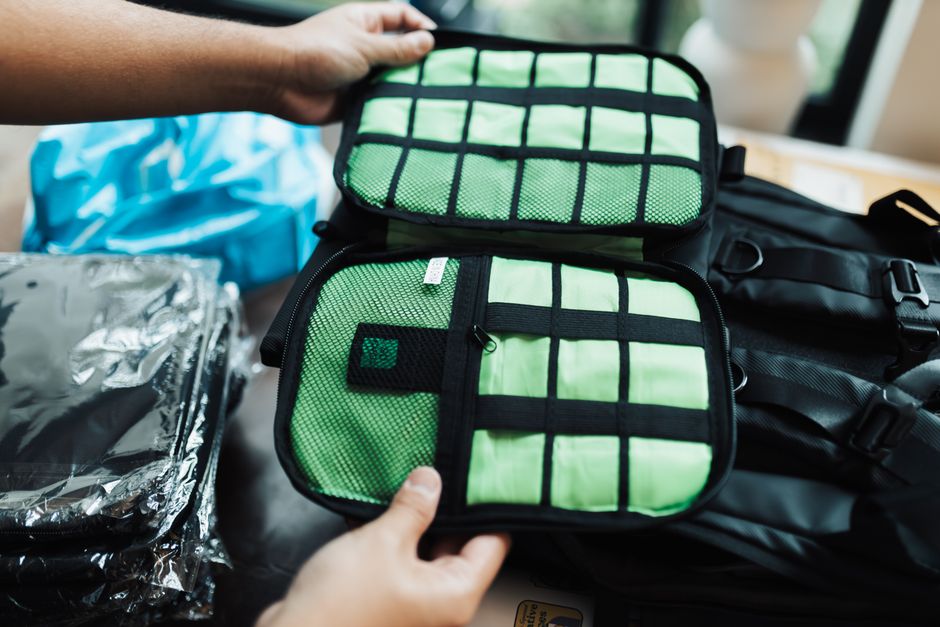
To choose the right bag for work and travel, prioritize versatility, organization, and durability within your budget. Look for features like dedicated laptop sleeves for professionals, multiple internal pockets for small essentials like chargers and passports, and comfortable straps for extended wear. For travelers, consider bags that meet airline carry-on regulations, especially for budget carriers like Ryanair and easyJet, and offer anti-theft features. US and European buyers benefit from a wide market, so compare options that balance everyday utility with travel readiness, ensuring your bag is adaptable for both office and adventure.
We’ve all been there: digging through a cavernous bag for a rogue earbud, a missing metro card, or the house keys that seem to have vanished into another dimension. For commuters navigating the London Underground, students rushing between classes in Paris, or professionals catching a flight from New York, a disorganized bag isn’t just an inconvenience—it’s a time thief and a stress trigger. The right everyday bag, however, transforms this experience from chaotic to calm, keeping your small essentials precisely where you need them.
Finding such a bag, particularly one that balances functionality with an affordable price tag, can feel like a quest. This is especially true when you need a bag versatile enough for both daily life and the occasional trip, a common requirement for today’s dynamic lifestyles across the US and Europe.
Why Organization Matters: Beyond Just Carrying
The concept of ‘organization’ in a bag goes far beyond simply having multiple compartments. It’s about strategic placement that reflects how you use your items. For instance, a dedicated, padded laptop sleeve isn’t just for protection; it keeps your device accessible without it shifting around and crushing other items. Similarly, a quick-access pocket for your passport or train ticket can save precious seconds when navigating airport security at Heathrow or train stations in Berlin.
Consider the varied demands placed on a single bag. For work, you might need space for a laptop, documents, and professional accessories. For travel, the same bag might carry a change of clothes, toiletries, and travel documents. The best bags for travel and work manage to straddle these two worlds, offering features that serve both purposes without compromise. This often means smart internal division, solid materials, and comfort for extended wear.

Choosing the Best Bags for Travel and Work: Essential Tips
When you’re sifting through countless options, keep these practical tips in mind to find a bag that truly serves your needs, whether you’re commuting across New York or exploring the historic streets of Rome.
1. Prioritize Internal Organization
Look for bags with varied internal pockets: zippered sections for valuables, mesh pockets for visibility, and sleeves for documents or tablets. A common mistake is assuming more pockets always mean better organization; it’s the type and placement of pockets that truly matter. Are they sized appropriately for your phone, keys, or travel adapter?
2. Consider Material and Durability
For everyday use and travel, durable materials like Ripstop nylon, polyester, or treated canvas are excellent choices. They offer resistance to wear and tear, and often water resistance, which is invaluable when caught in a sudden downpour in Paris or navigating crowded public transport. YKK zippers are a good indicator of quality hardware that won’t fail prematurely.
3. Think About Carry-On Compliance (Especially for Europe)
If your bag will see duty on planes, particularly with budget European carriers like Ryanair or easyJet, verify its dimensions. These airlines have notoriously strict carry-on limits, and even a few extra centimeters can mean unexpected fees. For US domestic travel, TSA regulations focus more on what’s inside the bag than its external dimensions, but size still matters for overhead bins.
Carry-On Bags for a Seven-Day Holiday: Budget-Friendly Choices for US and European Buyers
4. Evaluate Comfort and Ergonomics
Padded shoulder straps are non-negotiable for backpacks, especially if you’re carrying a laptop or heavy items. For crossbody bags, a wide, adjustable strap helps distribute weight. An ergonomic design prevents strain, whether you’re walking across a university campus or through a bustling airport terminal.
5. Look for Anti-Theft Features
For travelers and commuters, especially in crowded tourist areas or busy city centers, anti-theft features offer peace of mind. These can include lockable zippers, RFID-blocking pockets (useful for protecting credit cards and passports from digital theft), and slash-resistant materials. While these often come with a slightly higher price tag, the security benefits can be worth the investment.
6. Versatility in Style and Function
Can the bag transition from a professional setting to a casual weekend outing? A minimalist aesthetic often helps. For example, a sleek backpack might be suitable for both the office and a hike, while a well-designed tote can serve as a work bag and a carry-on personal item. This versatility maximizes your investment.
Comparing Budget-Friendly Everyday Bag Types
Let’s look at some popular bag styles that excel at organizing small essentials, keeping budget constraints in mind for US and European consumers.
Crossbody Bags: The Everyday Essential
Ideal for keeping essentials close and secure. Perfect for minimalists or as a secondary bag. Look for multiple zippered compartments and an adjustable strap. Many European brands offer stylish yet practical options.
Backpacks: The Versatile Workhorse
Unbeatable for carrying more substantial loads, like laptops, books, and a change of clothes. Prioritize comfort, a dedicated laptop sleeve, and external water bottle pockets. Many can double as carry-on bags for flights within the US or between EU countries.
Tote Bags: Stylish and Spacious
While often a single compartment, many budget-friendly totes come with organizational inserts or built-in pockets. They’re excellent as a personal item on flights or for carrying groceries after work. Consider ones with a top zipper for security.
| Bag Type | Key Features for Organization | Best For | Budget-Friendly Considerations |
|---|---|---|---|
| Crossbody Bag | Multiple small zippered pockets, key leash, often RFID protection. | Daily errands, light travel, security, keeping essentials accessible (passport, phone). | Look for synthetic materials, lesser-known but reputable brands. |
| Backpack | Padded laptop sleeve, multiple internal compartments, external water bottle pockets, some with shoe compartments. | Commuting with a laptop, students, travelers needing carry-on compliance, day trips. | Generic brand (good reviews), end-of-season sales, sturdy polyester. |
| Tote Bag | Often requires internal organizers, but some have built-in slip pockets and a secure top zipper. | Work (documents, larger items), personal item on flights, shopping. | Canvas or durable polyester, look for structured options with internal dividers. |
| Sling Bag | Main compartment with smaller front pockets, often worn across the chest for security. | Urban exploration, hands-free travel, quick access to phone/wallet, anti-theft. | Similar to crossbody, focus on practical features over designer names. |
Common Mistakes to Avoid When Buying a Bag
Even with a clear idea of what you need, it’s easy to fall into common pitfalls that lead to buyer’s remorse.
Crossbody Bags for Safe City Travel: A Practical Size and Features Checklist
One frequent mistake is buying a bag based purely on aesthetics without considering its actual utility. That stylish leather tote might look great, but if it lacks internal pockets and weighs a ton when empty, it quickly becomes impractical for everyday use. Always prioritize function and organization over fleeting trends.
Another pitfall is underestimating the importance of material and construction quality, especially for budget-friendly options. A bag might be cheap, but if the zippers break after a month or the seams fray, you haven’t saved money in the long run. Read reviews focusing on durability and pay attention to details like zipper brands and stitching quality. For example, a bag designed for students in Germany to carry heavy textbooks needs solid construction, even if it’s not a premium brand.
Lastly, many buyers forget to consider their specific travel needs. If you regularly fly with budget airlines in Europe, like easyJet from Manchester to Milan, a bag that barely fits the stricter ‘personal item’ dimensions is crucial. Don’t assume one size fits all for carry-on luggage; always check the airline’s specific requirements before you buy.
Frequently Asked Questions About Everyday and Travel Bags
What makes a bag ideal for both work and travel?
An ideal bag for both work and travel combines smart organization (like laptop sleeves and multiple pockets) with durable, lightweight materials and comfortable carrying options. It should also be versatile enough in style to suit different environments, from a business meeting to an airport lounge, and ideally meet common carry-on size restrictions.
Are anti-theft bags truly necessary for European travel?
While not strictly ‘necessary’ everywhere, anti-theft features offer significant peace of mind, especially in crowded tourist hotspots like the Eiffel Tower in Paris or bustling markets in Barcelona. Features like lockable zippers, RFID-blocking pockets, and slash-resistant fabrics deter opportunistic thieves, making your travel experience less stressful.
How do I ensure my bag meets airline carry-on requirements?
To ensure your bag meets carry-on requirements, always check the specific airline’s website before packing, as dimensions vary widely, especially for budget carriers like Ryanair. Measure your bag accurately (including wheels and handles) and compare it against the airline’s stated limits for both carry-on and personal items to avoid extra fees.
What’s the best way to organize small items in a larger bag?
The best way to organize small items in a larger bag is to use smaller pouches or packing cubes. These allow you to group similar items (e.g., chargers, toiletries, stationery) together, making them easy to find and transfer between bags. Look for transparent or mesh pouches for quick visual identification.
Can I find a good quality, budget-friendly laptop bag?
Absolutely. Many reputable brands and even lesser-known manufacturers offer high-quality laptop bags at budget-friendly prices. Focus on padded laptop compartments, sturdy zippers, water-resistant materials, and comfortable straps. Reading user reviews is crucial for assessing real-world durability and comfort without breaking the bank.
Choosing the best bags for travel and work that perfectly organize your small essentials doesn’t have to be an expensive endeavor. By focusing on smart design, durable materials, and personal needs, you can find a bag that simplifies your daily routine and travel adventures, whether you’re commuting in London, exploring New York, or flying across Europe. Explore more bags guides on AtTheFashion.




Leave feedback about this