


Shoppers can tell if an online deal is genuinely good by thoroughly reading and understanding its terms and conditions (T&Cs). A genuinely good offer will have clear, straightforward T&Cs without excessive restrictions on minimum spend, eligible items, or redemption dates. Look for transparency regarding excluded products, shipping costs, and any requirements for returns or exchanges. Compare the final price after all conditions are met against competitor pricing, and be wary of time-sensitive offers that pressure you into quick decisions without adequate review. Pay close attention to expiry dates, geographical limitations, and whether the discount applies to sale items or full-price merchandise.
We’ve all been there: scrolling through social media, an ad pops up promising an incredible discount – ‘70% off!’ or ‘Buy One, Get One Free!’ Our fingers hover, ready to click, picturing the savings. But then, a flicker of doubt. Is this deal really as good as it looks? Or is there a catch hidden away in the small print, ready to turn a supposed bargain into a headache?
The truth is, while many online offers are legitimate pathways to savings, others are designed to entice rather than deliver true value. The key differentiator, the one element that separates a real win from a wasted click, always lies within the often-overlooked terms and conditions. Understanding how to read an online offer’s terms and conditions is not just about avoiding disappointment; it’s about becoming a smarter, more confident online shopper.
For budget-conscious shoppers, families, and travelers alike, mastering this skill can lead to significant savings on everything from holiday flights to everyday essentials. Let’s demystify the fine print and equip you with the knowledge to identify genuinely smart online deals and offers.
The Hidden Value (or Pitfalls) in Every Online Deal
Before you commit to a purchase based solely on an attractive banner, it’s crucial to understand that online offers are rarely as simple as they appear on the surface. Marketing teams are adept at highlighting the benefits, but the full picture often lives in the details. This is especially true during major shopping events like Black Friday and Cyber Monday, where the volume of deals can be overwhelming and the pressure to buy quickly is intense.
Think of the terms and conditions as the contract between you and the retailer. It outlines what you’re actually getting, what you need to do to get it, and any limitations that apply. Ignoring them is akin to signing a document without reading it – a risk most experienced shoppers wouldn’t take in other areas of life. From understanding geo-restrictions that might affect shoppers in the US versus the UK or Germany, to clarifying how EU consumer rights apply, the T&Cs are your guide.
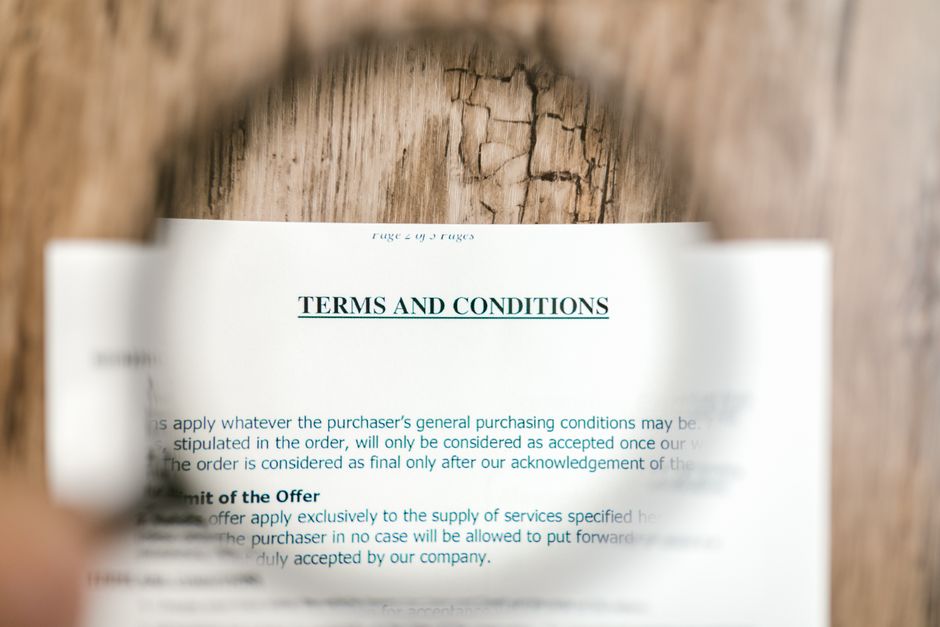
Mastering the Fine Print: Essential Steps to Read Online Offer Terms
Becoming an expert at dissecting smart online deals and offers means developing a systematic approach to the terms and conditions. Here’s a practical guide:
1. Locate the T&Cs — They’re Not Always Obvious
Retailers are legally required to make terms and conditions available, but their placement can vary. Look for links labeled ‘Terms & Conditions,’ ‘Offer Details,’ ‘Fine Print,’ or even a small asterisk next to the promotional text. Sometimes they’re in a pop-up, other times at the bottom of the page, or linked from the promotion itself. If you can’t find them, consider it a red flag. A transparent deal will have readily accessible T&Cs.
2. Prioritize Key Information: Expiry Dates and Eligibility
The very first things to check are the offer’s start and end dates. There’s nothing more frustrating than trying to use a discount code only to find it expired yesterday. Next, look for eligibility criteria: Is the offer for new customers only? Specific product categories? A minimum spend? Does it exclude certain brands or sale items? Many discounts, for example, won’t apply to already reduced merchandise or certain premium products.
The Ultimate Guide to Limites de Retrait Casino
3. Understand Redemption Mechanics: Codes, Links, or Automatic?
How do you actually get the discount? Is there a specific coupon code you need to enter at checkout? Does it require clicking a unique link? Is the discount applied automatically? Understanding this prevents frustration at the payment stage. Some offers are tied to specific payment methods, so verify that too.
4. Unpack Geographical and Shipping Restrictions
For international brands, or even national ones with specific delivery zones, always check geographical restrictions. An offer available in the US might not be valid in Germany or Italy. Similarly, investigate shipping costs and delivery estimates. A fantastic discount can quickly be eroded by exorbitant shipping fees, especially for cross-border purchases. Also, be mindful of potential customs duties or import taxes, particularly when buying from outside the EU or into the US.
5. Scrutinize Return and Refund Policies for Deal Items
Often, items purchased during a deep discount sale might have modified return policies. Some final sale items, for example, may not be returnable or exchangeable at all. This is a crucial point, particularly for apparel or electronics, where you might need flexibility. Understand your consumer rights; for example, in the EU, there’s generally a 14-day cooling-off period for online purchases, but exclusions apply to certain goods.
6. Look for Stacking Rules: Can You Combine Discounts?
A common question is whether you can use multiple discount codes. The T&Cs will clarify if the offer can be combined with other promotions, loyalty points, or gift cards. In practice, most retailers state ‘not combinable with other offers,’ so assume you can only use one unless explicitly stated otherwise.
7. Pay Attention to US Sales Tax and Local VAT
For shoppers in the US, be aware that sales tax is typically calculated at checkout based on your shipping address and state regulations, and discounts usually apply before tax. In the UK, Germany, France, and other EU countries, prices generally include VAT (Value Added Tax), so the listed price is usually the final price before shipping. Understanding this helps in true price comparison.
Comparing Online Deals: What to Look For
When evaluating smart online deals and offers, it’s not enough to just read the T&Cs; you need to compare them effectively. Here’s a framework:
| Feature | Genuine Deal (Green Flags) | Questionable Deal (Red Flags) |
|---|---|---|
| Eligibility | Clear, broad eligibility (e.g., ‘all customers’, ‘most products’). | Highly restrictive (e.g., ‘new customers only, first purchase over €200, specific product X only, on Tuesday between 2-3 PM’). |
| Expiry Date | Reasonable timeframe (e.g., 1-2 weeks for a flash sale, a month for a seasonal promotion). | Extremely short window (e.g., ’24 hours only!’ creating pressure) or suspiciously long/vague. |
| Minimum Spend | No minimum, or a reasonable amount aligned with typical purchase habits. | High minimum spend that forces you to buy more than intended to qualify for the discount. |
| Excluded Items | Few exclusions, clearly listed (e.g., ‘gift cards excluded’). | Long list of exclusions, including popular or newly released items, making the discount apply to undesirable stock. |
| Return Policy | Standard return policy applies, or minor, clearly stated modifications. | ‘All sales final’ or significantly reduced return windows specifically for sale items. |
| Final Price Transparency | All costs (shipping, tax) clear before checkout; discounted price is clearly lower than market value. | Hidden fees, high shipping costs that negate the discount, or a ‘discounted’ price that’s still higher than competitors’ regular prices. |
A common mistake is focusing solely on the percentage discount without considering the final price you pay. Always do the math. How can shoppers tell whether an online deal is genuinely good? By calculating the true cost, including shipping and any potential taxes, and comparing it to what you’d pay elsewhere without the ‘deal.’

Common Mistakes to Avoid When Evaluating Online Offers
Even seasoned shoppers can sometimes stumble when a tempting offer appears. Here are some pitfalls to steer clear of:
Assuming the Discount Applies to Everything: This is perhaps the most frequent misstep. A banner screaming ‘50% off!’ rarely means 50% off every single item on the site. Always check for product exclusions, categories, or specific collections the discount applies to. Brands often use attractive headlines to draw you in, hoping you’ll find something else to buy even if your desired item isn’t included.
The Ultimate Guide to Fixed Jackpots Casino
Ignoring Shipping Costs: A 20% discount on a €50 item seems great until you hit checkout and see a €15 shipping charge. Suddenly, your 20% saving is nearly halved. Always factor in shipping and handling fees, especially for smaller purchases. Many retailers offer free shipping above a certain threshold, which can sometimes be a better deal than a small product discount.
Falling for Urgency Tactics Without Verification: ‘Limited Time Offer!’ ‘Only 3 left at this price!’ Retailers frequently use psychological tactics to create a sense of urgency. While some genuine flash sales exist, always take a moment to verify the T&Cs, especially the end date. Don’t let pressure push you into a purchase you haven’t fully vetted.
Overlooking Currency and Exchange Rates: When shopping internationally, particularly from outside your GEO target (e.g., US shopper buying from a UK site), be mindful of the currency. The price might look low in GBP, but once converted to USD and factoring in potential bank fees, it might not be the bargain you anticipated. Always use a reliable currency converter and check your bank’s foreign transaction fees.
Frequently Asked Questions About Online Deals
Q: What does ‘stackable’ mean in terms of online discounts?
A: When an online discount is ‘stackable,’ it means you can combine it with other promotions, such as another coupon code, a free shipping offer, or a site-wide sale. Most offers are not stackable unless explicitly stated in the terms and conditions, so always assume ‘one discount per order’ unless otherwise specified.
Q: How do I know if a deal is legitimate and not a scam?
A: Verify the source of the deal. Is it directly from a reputable retailer’s official website or a trusted deal aggregator? Be wary of offers from unknown websites, pop-ups, or suspicious email links. Check for secure website indicators (HTTPS, padlock icon) and always read reviews of both the product and the seller if you’re unfamiliar with them.
Q: Are all ‘final sale’ items non-returnable?
A: Generally, yes. ‘Final sale’ usually means the item cannot be returned, exchanged, or refunded. However, specific consumer protection laws (like those in the EU) may still offer recourse if the item is faulty or not as described, regardless of its ‘final sale’ status. Always check the retailer’s specific ‘final sale’ policy in their T&Cs.
Q: How does a retailer determine which US sales tax applies to my online purchase?
A: In the US, sales tax is typically based on the shipping address of your order, not the billing address or the retailer’s location. Each state has different sales tax rates and rules, and some states or even cities may have additional local taxes. Retailers calculate this automatically at checkout based on current regulations.
Q: Can I get a price adjustment if an item goes on sale shortly after I buy it?
A: It depends entirely on the retailer’s price adjustment policy, which should be outlined in their terms and conditions or FAQ. Some stores offer a price adjustment within a certain timeframe (e.g., 7-14 days) if an item you bought drops in price, but others do not. It’s always worth checking and asking if it happens.
Becoming adept at reading an online offer’s terms and conditions is a superpower for the modern shopper. It ensures that when you see ‘smart online deals and offers,’ you’re genuinely equipped to evaluate their worth, avoid surprises, and maximize your savings, whether you’re in Paris, Poland, or Pennsylvania. Make informed decisions and shop with confidence.
Explore verified shopping guidance on AtTheFashion for more expert tips on making your money go further.

Leave feedback about this