

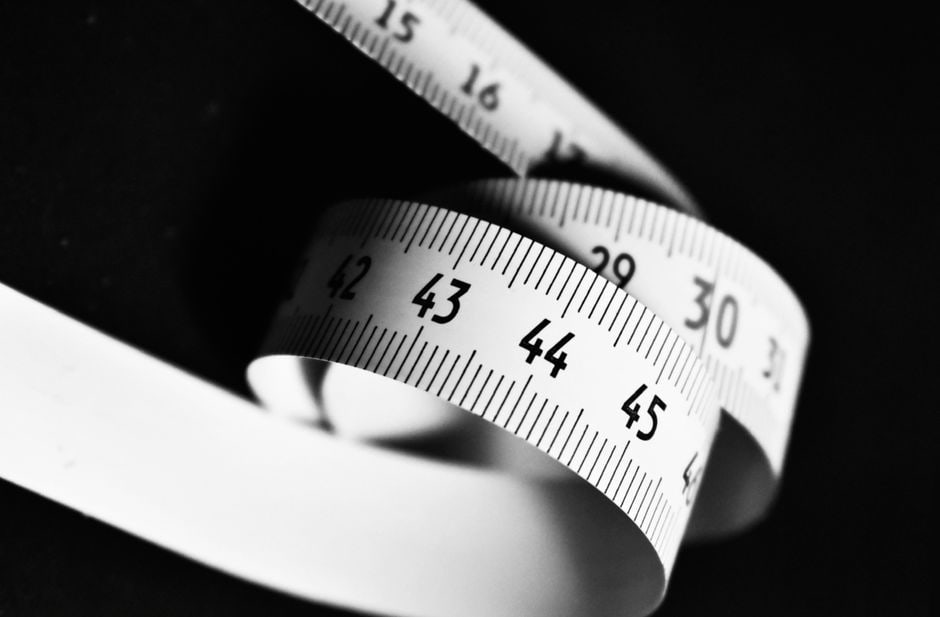
Finding a truly comfortable shoe for walking all day means prioritizing proper fit, adequate arch support, and appropriate cushioning, matched with the right material for the conditions. The best comfortable footwear guide emphasizes measuring your feet accurately, understanding brand-specific sizing, and considering the shoe’s intended use. A well-fitting shoe prevents rubbing, pressure points, and fatigue, crucial for anyone on their feet for extended periods, from travelers navigating London’s streets to workers standing all day.
It’s a familiar scenario: you spot the perfect pair of walking shoes online – stylish, waterproof, and ideal for your upcoming trip to Paris or daily commute in Chicago. You click ‘add to cart,’ eager for them to arrive. But when they do, the dream turns into a foot-aching nightmare. They’re too tight, too loose, or simply not right, leaving you with blisters and buyer’s remorse.
The quest for comfortable footwear, especially when purchasing online, is fraught with challenges. With varying brand sizes, different foot shapes, and a lack of being able to ‘try before you buy,’ many of us end up with shoes that cause more pain than pleasure. This guide aims to demystify the process, helping you avoid common mistakes and confidently find the right shoe size online for ultimate comfort, whether you’re tackling European cobblestones or navigating city streets.
The key to comfortable footwear is not just about the shoe itself, but about how well it fits your unique feet. A truly comfortable shoe for walking all day isn’t just a luxury; it’s a necessity for travelers exploring Rome, busy parents, or professionals constantly on the go.
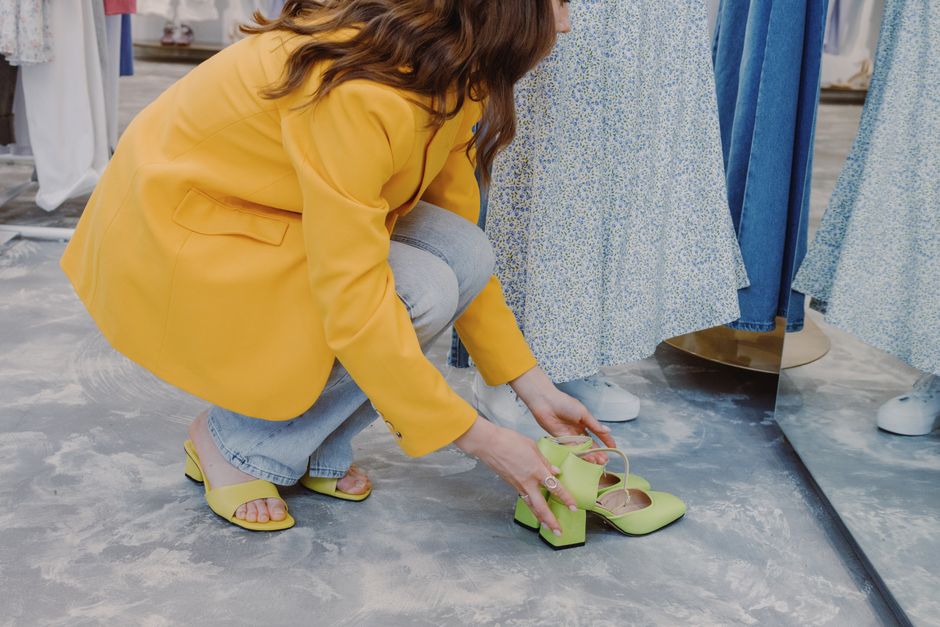
Getting Started: Your Essential Online Shoe Sizing Checklist
Before you even begin browsing, a bit of preparation goes a long way. This quick checklist will set you up for success in finding comfortable footwear:
- Measure Your Feet Accurately: Don’t rely on old measurements. Your feet can change size.
- Know Your Foot Type: Are your feet wide, narrow, or do you have high arches?
- Understand Brand Variations: A size 7 in one brand isn’t always a size 7 in another.
- Read Customer Reviews: Pay attention to comments on sizing and fit.
- Check Return Policies: Ensure you can return or exchange if the fit isn’t right.
- Consider the Intended Use: Walking shoes for London sightseeing differ from formal office wear.
- Factor in Socks: Are you wearing thin dress socks or thick hiking socks?
- Time of Day Matters: Measure your feet in the afternoon or evening when they’re slightly larger.
The Foundation of Fit: Accurate Foot Measurement at Home
The most critical step in finding the right shoe size online is knowing your exact foot dimensions. Forget what you think your shoe size is; measure it fresh. You’ll need a piece of paper, a pencil, and a ruler or tape measure.
Step-by-Step Foot Measurement for Optimal Comfort
Place the paper on a hard surface, against a wall. Stand on the paper with your heel lightly touching the wall. Trace the outline of your foot, holding the pencil perpendicular to the floor. Do this for both feet, as one foot is often slightly larger than the other. Always use the larger measurement.
Measure the length from the heel to the tip of your longest toe (often the big toe, but sometimes the second toe). Then, measure the widest part of your foot across the ball. Many brands provide size charts in centimeters or inches, so having these measurements in both units is helpful. Remember to measure your foot width as well; many European brands, especially in Germany or Poland, offer specific width fittings (e.g., F, G, H) that are crucial for truly comfortable footwear.
Decoding Size Charts: Beyond the Numbers
Once you have your measurements, the real work of cross-referencing begins. Most reputable online retailers and brands provide a size chart. However, these charts aren’t always universally standardized, especially when comparing US, UK, and European sizing.
Waterproof Shoes for Rainy Commutes: Budget-Friendly Options for US and European Shoppers
Navigating US, UK, and EU Sizing for International Travel Footwear
A common mistake is assuming direct conversions. A US size 8 is not the same as a UK size 8, nor an EU size 42. For instance, a women’s US 8 is roughly a UK 6 and an EU 38.5 or 39. Men’s sizing has similar discrepancies. When buying travel footwear from international brands, say for a trip through Italy or Spain, always consult their specific chart. Many sites now include a conversion tool, but verifying with your own measurements is always the safest bet for comfortable footwear.
Some brands, particularly those specializing in walking shoes or waterproof shoes, might also offer half sizes or specific width options. Don’t overlook these; they can make all the difference in achieving a truly comfortable fit. For instance, New Balance or Brooks often provide wide options that are a blessing for those with broader feet.
The Human Element: Foot Shape, Arch Type, and Special Needs
Your feet are unique, and understanding their specific characteristics is vital for finding comfortable footwear. It’s not just about length and width.
Addressing Common Foot Shapes and Issues
Do you have flat feet, high arches, or bunions? These factors significantly impact shoe comfort. For high arches, look for shoes with good arch support or consider adding custom insoles. Flat feet often benefit from stability shoes that prevent overpronation. If you have bunions, a wider toe box or stretchy upper material is essential to avoid painful pressure points. When considering walking shoes for extended periods, especially on unforgiving surfaces like the cobblestones of London or Paris, ample toe room is paramount.

Many brands now cater to these needs, with specialist ranges for wide feet or specific support types. Reading product descriptions carefully can often reveal whether a shoe is suitable for your particular foot shape. For instance, some German footwear brands are renowned for their anatomical lasts and multiple width options, which can be a practical advantage for those struggling with fit.
Reading Between the Lines: Product Descriptions and Customer Reviews
Once you’ve done your measuring and understood the sizing charts, the next layer of information comes from the product page itself. This is where you find the nuances that distinguish a good fit from a great one.
What to Look for in Product Descriptions for Comfortable Walking Shoes
Beyond material and color, focus on details related to fit and comfort. Look for phrases like ‘generous toe box,’ ‘true to size,’ ‘runs small/large,’ or mentions of specific support features (e.g., ‘EVA midsole for cushioning,’ ‘removable insoles’). For waterproof shoes, check the type of membrane (e.g., Gore-Tex) and how it might affect the overall flexibility and breathability, which also impacts comfort for long wear.
Leveraging Customer Reviews for Real-World Sizing Insights
Customer reviews are invaluable. Search for comments specifically on sizing and fit. Look for patterns: do multiple people say the shoe runs a half-size small? Are people with wide feet consistently mentioning issues or successes? Pay attention to reviews from people who describe similar activities or foot types to your own. A reviewer who wore the shoes for a week exploring New York might have insights pertinent to your travel plans, whereas someone using them for short walks might not.
Beyond the Sale: Return Policies and Aftercare
Even with all the preparation, sometimes a shoe just doesn’t fit. A flexible return policy is your safety net when buying online.
Winter Boots with Grip for Icy Streets: Budget-Friendly Options for US and European Shoppers
Understanding Return Policies and When to Use Them
Before purchasing, always check the retailer’s return policy. How long do you have to return the item? Is return shipping free? Are there any conditions (e.g., original packaging, unworn condition)? Knowing these details upfront allows you to try on shoes at home without pressure. Walk around on a clean, carpeted surface for a few minutes to gauge comfort, but avoid wearing them outside until you’re certain they fit perfectly. This is particularly important for specialized items like waterproof shoes, where you can’t truly test their function until you commit.
The Break-In Period vs. Bad Fit
Some shoes, especially leather ones, might require a short break-in period. However, a truly comfortable footwear guide emphasizes that a shoe should never be painfully tight or rub aggressively from the start. If it causes immediate discomfort, it’s likely the wrong size or fit, not something that will ‘get better’ with time. Don’t confuse minor stiffness with a fundamental sizing issue. If your feet are aching after a short walk indoors, it’s probably time to consider an exchange.
FAQ: Common Questions on Online Shoe Sizing
What makes a shoe comfortable for walking all day?
A shoe is comfortable for all-day walking when it offers a snug yet non-restrictive fit, excellent arch support tailored to your foot type, ample cushioning to absorb impact, and a breathable upper material. Adequate toe room is crucial to prevent compression, and a stable sole provides support on varied surfaces, reducing fatigue.
Should I size up for walking shoes?
Generally, no. It’s better to stick to your measured size and consider brands known for a generous fit or specific width options if your feet are wider. Sizing up too much can lead to friction and instability, potentially causing blisters or trips. Always check the brand’s size chart and read reviews for specific fit advice.
How can I tell if shoes are too narrow online?
If you have wider feet, look for brands offering ‘wide’ or ‘W’ sizes, or specific European width codes (like ‘H’). Product descriptions might mention ‘generous toe box.’ Customer reviews are also key; search for feedback from others with wide feet. If a shoe consistently runs narrow, it’s best to avoid it, even if visually appealing.
Is it better to buy shoes slightly loose or slightly tight?
Neither is ideal. Shoes should fit snugly without being tight. Slightly loose shoes can cause your foot to slide, leading to blisters and instability, especially in walking shoes. Slightly tight shoes will cause immediate pressure points and pain. Aim for a fit where your longest toe has about a thumb’s width of space at the front.
How do I account for different sock thicknesses when buying shoes online?
Consider the type of socks you’ll most frequently wear with the shoes. If you plan to wear thick hiking socks with your travel footwear, measure your feet while wearing them, or choose a shoe known for a slightly roomier fit. For thin socks, measure barefoot and trust the size chart.
Key Takeaways for Your Comfortable Footwear Guide
Finding the right shoe size online doesn’t have to be a gamble. By adopting a methodical approach, you can significantly increase your chances of securing comfortable footwear that keeps your feet happy, whether you’re commuting, working, or exploring new cities.
Accurate measurement is non-negotiable. Always measure both feet, paying attention to both length and width. This forms the bedrock of your online shopping strategy. Don’t skip the brand’s specific size chart, and translate your measurements diligently across US, UK, and European sizing to avoid common pitfalls.
Remember to consider your unique foot characteristics and read customer reviews for real-world insights into fit. With these steps, you’re well-equipped to make informed choices, ensuring every pair of walking shoes, travel footwear, or waterproof shoes you purchase delivers on its promise of comfort and pain-free wear.
For more insights and to explore further options for comfortable footwear, Explore more footwear guides on AtTheFashion.






Leave feedback about this