

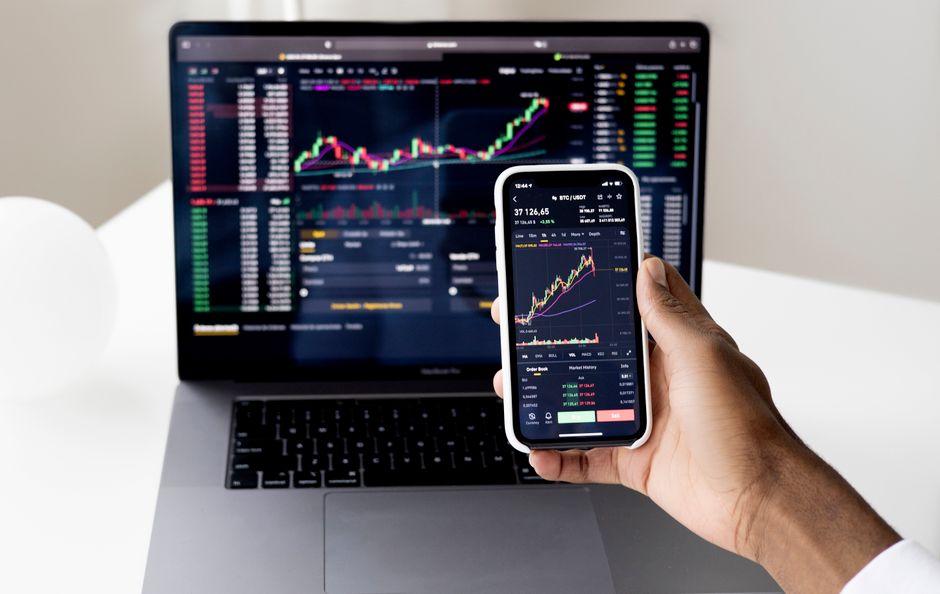
Shoppers can tell if an online deal is genuinely good by employing smart online deals and offers price tracking tools for fashion and tech purchases, coupled with a systematic approach. This involves checking price history, comparing across multiple retailers, reading reviews, and understanding return policies. Real value comes from seeing consistent price drops, not just inflated ‘original’ prices. Tools help identify fleeting sales versus true bargains, ensuring you’re not swayed by artificial urgency. It’s about data-driven decisions rather than impulse, especially during high-stakes sales events like Black Friday or Cyber Monday, where perceived savings can often be misleading without historical context.
In the vast marketplace of online shopping, distinguishing a genuinely good deal from clever marketing can be a real challenge. Whether you’re eyeing that new smartphone, a designer handbag, or simply restocking your wardrobe, the promise of a bargain is always tempting. But how do you ensure you’re not falling for a fleeting discount that isn’t truly a saving? The key lies in strategic preparation and the smart use of price tracking tools.
For budget-conscious shoppers, families managing household expenses, or savvy travelers planning their next gadget upgrade, mastering smart online deals and offers price tracking tools for fashion and tech purchases isn’t just a convenience – it’s a necessity. This guide provides a step-by-step checklist to empower your purchasing decisions, ensuring you save money and make informed choices, rather than succumbing to promotional hype.
Why Price Tracking Matters: Beyond the Sticker Price
Before diving into specific tools, it’s crucial to understand why tracking prices is so important. Retailers often use dynamic pricing, adjusting costs based on demand, inventory, and even your browsing history. What looks like a fantastic 50% off today might have been the product’s regular price last month. Price tracking offers transparency, revealing these fluctuations and helping you identify true value.
Identifying Genuine Discounts vs. Marketing Tricks
A common mistake is assuming any ‘sale’ sign equals a good deal. Many retailers inflate original prices before a sale to make the discount appear more significant. For example, a €100 item marked down to €70 from an ‘original’ €140 might only be a modest discount from its typical €80 price point. Price history data exposes these tactics. During peak shopping events like Black Friday in the US and UK, or the pre-Christmas sales across Germany, France, Italy, Spain, and Poland, these practices are particularly prevalent. Without a baseline, you’re flying blind.
Your Pre-Purchase Checklist: Leveraging Smart Price Tracking Tools
Here’s a practical, step-by-step checklist to follow before making any significant fashion or tech purchase online, using smart online deals and offers price tracking tools for fashion and tech purchases.
Step 1: Choose Your Tracking Weapon Wisely
Several excellent price tracking tools and browser extensions exist, each with slightly different strengths. Your choice might depend on the specific retailer or type of product you’re tracking.
- Browser Extensions: Tools like Honey, Keepa (especially for Amazon), or CamelCamelCamel (also Amazon-focused) integrate directly into your browser. They often display price history charts right on the product page and can alert you when a desired price is met.
- Dedicated Price Tracker Websites/Apps: Services like PriceRunner (popular in the UK, Germany, and other European markets), Idealo (strong in Germany, France, Italy, and Spain), or Google Shopping allow you to compare prices across multiple retailers and set alerts. These are particularly useful for big-ticket tech items.
- Coupon Aggregators: While not strictly price trackers, sites like Groupon, RetailMeNot (US/UK), or MyDealz (Germany) often feature time-limited offers and coupons that can further reduce a tracked price.
Practical Tip: Don’t rely on just one. Cross-reference with at least two different tools or methods to get a comprehensive view of price history and current market value.
Mobiele bingo op scherm: wat werkt voor jou
Step 2: Research the Product Thoroughly (Beyond Price)
A low price on a poor product isn’t a deal. Before committing, dive into product reviews, specifications, and compatibility. Websites like CNET, TechRadar, or trusted fashion blogs provide independent assessments that can save you from buyer’s remorse.
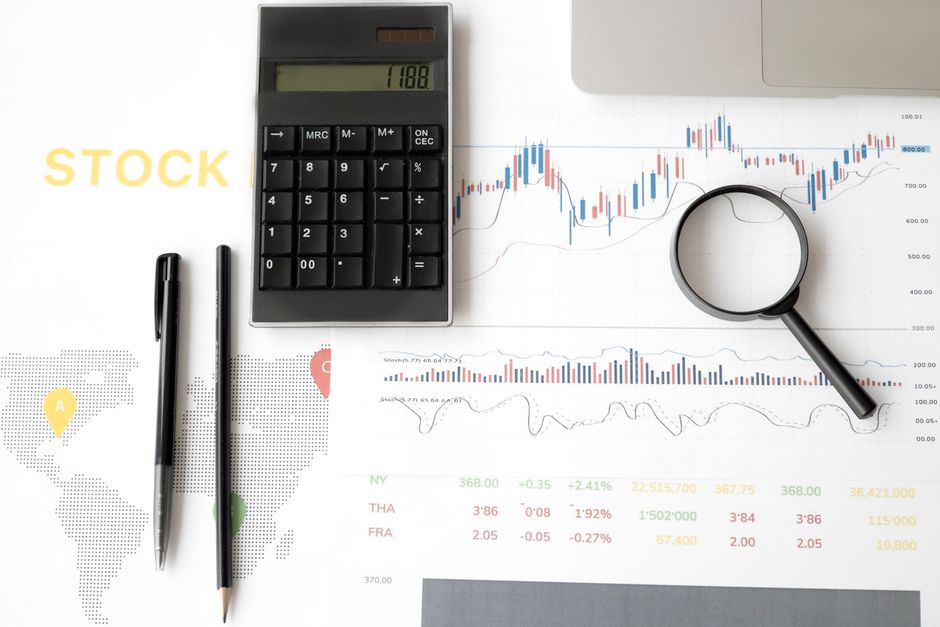
Step 3: Track the Price History
This is the core of smart tracking. Use your chosen tools to view the item’s price fluctuations over the last 3-6 months, or even longer for high-value tech. Look for:
- Average Price: What does the item typically sell for?
- Lowest Recorded Price: Has it ever been significantly cheaper? This gives you a target.
- Seasonal Dips: Does the price consistently drop around certain times, like pre-holiday sales or specific fashion seasons?
If a ‘deal’ price is still higher than the historical average or lowest recorded price, it might not be as good as it seems.
Step 4: Set Price Alerts
Most smart online deals and offers price tracking tools for fashion and tech purchases allow you to set email or notification alerts for a specific price point. Decide what you’re willing to pay, set your alert, and let the tool do the work. This prevents you from constantly checking and ensures you don’t miss a genuine drop.
Step 5: Compare Across Multiple Retailers and Regions
Prices can vary significantly between different online stores, and even across different regional versions of the same store. For instance, a laptop might be cheaper on Amazon.de (Germany) than on Amazon.co.uk (UK), even after accounting for shipping and currency conversion. However, always factor in potential import duties or VAT differences if ordering from outside your country, especially within the EU post-Brexit for UK shoppers, or from the US to Europe.
For EU consumers, remember your rights under EU consumer protection laws, which typically offer strong return and warranty protections. In the US, sales tax varies by state, so the final price can differ even for the same retailer depending on your shipping address.
Step 6: Investigate Shipping Costs and Return Policies
A seemingly great price can be negated by exorbitant shipping fees. Always add the item to your cart and proceed to checkout (before final payment) to see the total cost, including shipping. Equally important are the return policies. Can you return the item easily if it’s not as expected? What’s the return window? Who pays for return shipping? This is critical for fashion purchases where fit can be subjective.
Step 7: Look for Extra Discounts: Coupons & Cashback
Even after finding a good price, don’t forget coupons and cashback offers. Many browser extensions automatically apply coupon codes at checkout. Cashback sites (like Rakuten in the US, or TopCashback in the UK) offer a percentage back on your purchase, effectively reducing the price further. Combine these with your tracked price for maximum savings.
Streaming Games Casino: A Comprehensive Guide
Step 8: Understand Payment Options and Security
Always use secure payment methods. Credit cards often offer better consumer protection against fraud than debit cards. Be wary of sites that only accept unusual payment methods or direct bank transfers. Look for ‘HTTPS’ in the website address and a padlock icon in your browser, indicating a secure connection.
Step 9: Factor in Warranty and After-Sales Support
Especially for tech items, a cheaper gray-market import might come without a valid local warranty or accessible customer support. Weigh the savings against the potential hassle if something goes wrong. In the EU, products generally come with a legal guarantee of conformity for a minimum of two years, regardless of the commercial warranty.
How Can Shoppers Tell If an Online Deal Is Genuinely Good?
To definitively assess if an online deal is genuinely good, shoppers must cross-reference the current offer with the item’s historical price data using reliable smart online deals and offers price tracking tools for fashion and tech purchases. A truly good deal will show a significant and sustained drop below the product’s average selling price over several months, not just a temporary dip from an inflated RRP. Furthermore, check multiple retailers to ensure the discount isn’t readily available elsewhere at a similar or better price. User reviews on the product itself also provide crucial context on quality and satisfaction, making a low price on a highly-rated item a stronger indicator of a genuine bargain.
FAQ: Mastering Your Online Shopping
What are the best price tracking tools for fashion?
For fashion, tools that offer broad retailer coverage like PriceRunner or Idealo are helpful, as many fashion brands have their own sites. Browser extensions like Honey can also auto-apply coupon codes. Consider specific brand newsletters for exclusive sales. Often, combining a general price tracker with direct monitoring of your favorite brands yields the best results.
How do Black Friday and Cyber Monday deals compare to regular sales?
Black Friday and Cyber Monday often feature the deepest discounts on specific doorbuster items, especially in electronics and large appliances. However, many other ‘deals’ during these periods are simply standard sales repackaged. Price tracking tools are crucial here to differentiate genuine, time-limited extraordinary offers from everyday promotions, which can be seen year-round.
Can price tracking tools work for international purchases?
Yes, many price tracking tools can work for international sites, particularly if they are major retailers like Amazon. However, be mindful of currency conversion, international shipping costs, and potential import duties or customs fees, which can quickly negate any apparent savings. Always calculate the total landed cost before purchasing from another country.
What is dynamic pricing and how does it affect me?
Dynamic pricing is when retailers adjust prices based on real-time market demand, competition, and even individual customer data. This means the price you see might differ from what another shopper sees. Price tracking tools combat this by providing a consistent historical record, helping you identify if a price hike is temporary or a genuine shift, and allowing you to buy when prices dip.
Are ‘flash sales’ ever worth it?
Flash sales can offer genuine, significant discounts, but their limited duration (hours to a day) creates urgency that can lead to impulse buys. Use price tracking to verify if the ‘flash deal’ is truly a low point for the item, rather than just a quick sale on an old stock item. If you’ve tracked the item and know it’s a good price, then a flash sale can be a great opportunity.
How important are return policies for online fashion shopping?
Return policies are critically important for online fashion shopping due to the inability to try items on before purchase. Look for generous return windows (e.g., 30+ days), free return shipping, and clear instructions. A flexible return policy reduces the risk of being stuck with ill-fitting or unsuitable items, which is a common frustration for online fashion shoppers.
Conclusion: Your Path to Smarter Shopping
Navigating the complex world of online deals for fashion and tech requires more than just a keen eye for a discount; it demands a strategic approach. By diligently employing smart online deals and offers price tracking tools for fashion and tech purchases, adhering to a comprehensive checklist, and understanding regional nuances like US sales tax or EU consumer rights, you transform from a reactive shopper to a proactive bargain hunter. This disciplined method ensures that when you finally click ‘buy,’ you’re confident you’re securing a genuinely good deal, every time. Explore verified shopping guidance on AtTheFashion to further enhance your deal-finding skills.





Leave feedback about this