

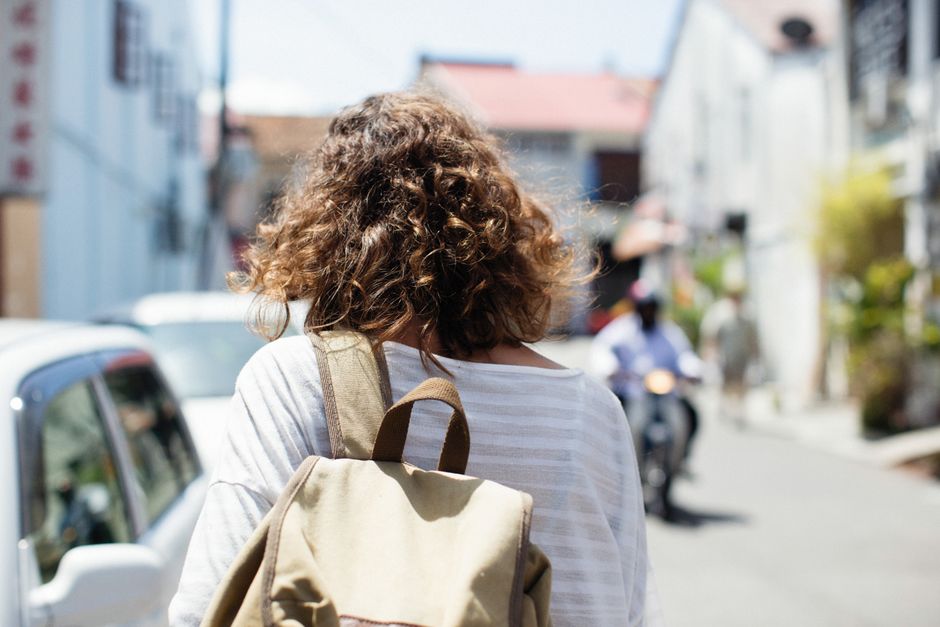
Choosing the right anti-theft bag for work and travel, especially in busy European cities, hinges on balancing security features with comfort and practical durability. Look for bags with slash-resistant materials, lockable zippers, RFID-blocking pockets, and secure strap attachments. Prioritize comfort through padded straps and ergonomic designs, crucial for all-day wear. Durability means opting for water-resistant, rip-stop fabrics and quality hardware. Evaluate your specific needs: a commuter might prioritize laptop protection and organization, while a traveler needs space for essentials and compliance with airline carry-on rules like Ryanair or easyJet. The best bags for travel and work anti-theft bags for busy European cities offer peace of mind without sacrificing style or functionality.
Navigating the vibrant, often crowded streets of European capitals like London, Paris, Rome, or Berlin presents a unique set of challenges. Whether you’re commuting to a business meeting, exploring historical sites, or simply enjoying a coffee in a bustling piazza, the last thing you want to worry about is the safety of your belongings. This is where the right anti-theft bag becomes an invaluable companion, a silent guardian for your passport, wallet, and tech.
For anyone juggling the demands of professional life with the excitement of travel, selecting the best bags for travel and work, anti-theft bags for busy European cities, isn’t just a luxury; it’s a necessity. The market offers a dizzying array of options, each promising security, comfort, and durability. But how do you cut through the noise and find the one that genuinely meets your needs?
This guide will cut through the marketing jargon, focusing on the practical aspects of choosing a bag that stands up to the rigors of travel and daily use, ensuring your peace of mind from New York to Naples.
Understanding the Threat: Why Anti-Theft Matters in European Cities
While European cities are generally safe, opportunistic theft, particularly pickpocketing, is a reality in crowded tourist areas, public transport, and busy markets. For instance, the London Underground, Parisian Métro, or Barcelona’s Las Ramblas are notorious hotspots where distracted travelers can become easy targets. A standard backpack or shoulder bag often offers little resistance to a skilled thief, making anti-theft features not just a marketing gimmick but a genuine layer of protection.
Common Vulnerabilities of Standard Bags
- Easy Access Zippers: Many bags use simple zippers that can be quickly unzipped without the owner noticing.
- Slashable Fabric: Standard nylon or canvas can be easily cut with a sharp blade, allowing access to contents.
- Unsecured Straps: A bag with easily cut or detached straps can be snatched in an instant.
- No RFID Protection: Contactless payment cards and passports can be scanned remotely, a threat many standard bags don’t address.
The best bags for travel and work, anti-theft bags for busy European cities, are specifically engineered to counter these vulnerabilities, integrating design elements that deter and prevent theft.
Key Features to Look For: Security Beyond the Surface
When evaluating anti-theft bags, specific features distinguish genuinely secure options from those that are merely ‘theft-resistant.’ Prioritize these:
1. Slash-Resistant Materials
Many reputable anti-theft bags incorporate a lightweight, flexible mesh (often stainless steel wire mesh or similar) into their fabric, making it extremely difficult for a thief to cut through with a knife. For example, some bags use proprietary materials like Pacsafe’s eXomesh or similar cut-resistant fabrics. This is crucial for panels on the front, bottom, and sides of the bag.
2. Lockable Zippers and Secure Closures
Look for zippers that can be secured together with a small padlock (some bags include TSA-approved locks) or, more commonly, zippers that hook onto a hidden clip or loop. This ‘smart zipper security’ prevents quick unzipping by a passerby. Consider models where the main compartments are particularly well-secured.
3. Anti-Slash Straps and Strap Locks
Bag straps should have an embedded wire or similar reinforcement to prevent them from being cut. Additionally, some bags feature a ‘turn-and-lock’ security hook that allows you to detach one strap and secure it around a fixed object (like a chair leg in a café) to prevent grab-and-run theft. This is especially useful when taking a break in public spaces.
4. RFID-Blocking Pockets
With the prevalence of contactless cards and e-passports, RFID (Radio Frequency Identification) skimming is a growing concern. An RFID-blocking pocket or compartment uses special material to prevent unauthorized scanning of your credit cards, debit cards, and passport, protecting your digital identity and finances. This is a non-negotiable feature for modern travel.
The Savvy Traveler’s Guide: Best Personal Item Bags for Budget Airlines
5. Hidden Pockets and Organization
Beyond the core anti-theft features, smart organization with discreet, hidden pockets for valuables like passports, spare cash, or important documents adds another layer of security. The less obvious a valuable item is, the less likely it is to be targeted.
Comfort and Ergonomics: Your Partner for Long Days
Security is paramount, but a bag that’s uncomfortable to carry quickly becomes a burden. Especially when navigating busy European cities for work or extensive travel, comfort can make or break your experience.
Padding and Straps
Whether you choose a backpack, messenger bag, or crossbody, look for well-padded, adjustable shoulder straps. Backpacks should have breathable back panels to prevent sweat buildup. For crossbody bags, a wide, padded strap distributes weight more effectively, preventing shoulder strain over hours of wear. If you’re carrying a laptop, ensure the laptop sleeve is well-padded and the bag’s overall structure supports its weight without sagging.
Weight Distribution and Capacity
Consider the bag’s empty weight. Heavier materials or extensive security features can add significant bulk before you even pack anything. Think about what you typically carry: a 13-inch laptop, a tablet, documents, water bottle, and personal items. Does the bag distribute this weight evenly? For most users, a bag around 15-25 liters is ideal for daily work and short trips, providing enough space without encouraging overpacking, which can lead to discomfort.
Durability: Built to Last, Not Just to Look Good
A bag that falls apart after a few trips is a false economy, regardless of its security features. Durability is about the materials, construction, and overall resilience to the wear and tear of daily use and travel.
Fabric Quality and Water Resistance
Opt for high-denier nylon, polyester, or a similar synthetic fabric that is both strong and lightweight. Water-resistant coatings or fabrics are highly recommended, especially given Europe’s unpredictable weather. Walking through a sudden downpour in Paris or London with unprotected electronics is a quick way to ruin your day and your gear. Look for YKK zippers, which are renowned for their quality and longevity, rather than generic alternatives.
Stitching and Hardware
Examine the stitching around stress points like strap attachments, handles, and compartment dividers. Double stitching or reinforced seams indicate better quality. Hardware—buckles, clasps, D-rings—should be metal or high-quality, sturdy plastic, not flimsy components that will break easily. Practical experience shows that cheap plastic clips are often the first point of failure.

Types of Anti-Theft Bags: Finding Your Fit
The best bags for travel and work, anti-theft bags for busy European cities, come in various forms, each suited to different needs and styles.
Anti-Theft Backpacks
Ideal for: Students, commuters, and travelers carrying laptops, cameras, or multiple items. Offers the most carrying capacity and often the best weight distribution.
Considerations: Look for models with a ‘clamshell’ opening that lies flat for easy packing, or rear-access zippers that make it harder for thieves to open while you’re wearing it. Ensure it meets carry-on dimensions for airlines like Ryanair or easyJet if you plan to fly.
Anti-Theft Crossbody Bags
Ideal for: Minimalist travelers, day-trippers, and those who need quick access to essentials like passports, phones, and wallets. Worn across the body, they are harder to snatch.
The Ultimate Guide to Shopping on eBags: Tips and Tricks for a Seamless Experience
Considerations: Size is key here. Too small, and it’s impractical; too large, and it loses its discreet advantage. Ensure it’s large enough for your phone, wallet, passport, and perhaps a small notebook. Some can even fit a small tablet. The best versions have secure clasps on the main flap or zipper access close to the body.
Anti-Theft Messenger Bags / Laptop Bags
Ideal for: Business travelers, professionals, and students who carry laptops, documents, and need a more formal look. Often feature dedicated, padded laptop sleeves.
Considerations: Ensure the main flap has secure closures in addition to or in conjunction with zipper security. The strap should be wide, padded, and slash-resistant. Many are designed to slip over luggage handles, a practical feature when navigating airports or train stations like those in Berlin or Milan.
Choosing the Right Bag: A Practical Checklist
How do I choose the right bag for work and travel? Start by outlining your specific needs:
- What will you carry daily? (Laptop size, tablet, documents, water bottle, camera, etc.) This dictates capacity.
- What kind of trips do you take? (Day trips, extended travel, daily commute?) This informs style and carry method.
- What’s your typical environment? (Crowded public transport, quiet offices, open markets?) This emphasizes security features.
- What’s your budget? High-quality anti-theft bags are an investment, but there are options at various price points.
- Aesthetic preference? While security is key, you’ll still want a bag that you enjoy carrying.
For example, a business professional commuting in London might prioritize a sleek anti-theft messenger bag with a dedicated laptop compartment and RFID protection, while a student exploring Rome might opt for a larger, comfortable anti-theft backpack to carry books, snacks, and personal items securely. Always check airline specific requirements like those for carry-on luggage for Ryanair or easyJet if flying often.
Conclusion: Travel Smarter, Not Harder
Investing in the best bags for travel and work, anti-theft bags for busy European cities, is a smart decision that pays dividends in peace of mind. By focusing on genuine security features, comfort, and durable construction, you can select a bag that not only protects your valuables but also enhances your travel and daily experience. From the bustling streets of New York to the historic alleys of Prague, having a reliable anti-theft bag means you can focus on the experiences, not the worries.
Explore more bags guides on AtTheFashion to find the perfect companion for your next adventure.
Frequently Asked Questions About Anti-Theft Bags
Q: Are anti-theft bags really effective, or are they just a gimmick?
A: Yes, quality anti-theft bags are genuinely effective. They incorporate specific design elements like slash-resistant fabrics, lockable zippers, and RFID-blocking pockets that significantly deter opportunistic thieves. While no bag is 100% theft-proof, these features make it much harder and riskier for a thief to access your belongings quickly and discreetly, providing a substantial layer of protection beyond standard bags.
Q: Can I use an anti-theft backpack as a carry-on bag for airlines like Ryanair or easyJet?
A: Absolutely, many anti-theft backpacks are designed with airline carry-on regulations in mind. However, it’s crucial to check the specific dimensions and weight limits of your chosen airline (e.g., Ryanair’s strict ‘small bag’ policy vs. easyJet’s cabin bag rules) before flying. Many manufacturers provide their bag’s dimensions, making it easy to compare and ensure compliance for a hassle-free boarding experience.
Q: What’s the most important anti-theft feature for someone traveling in a crowded city like Paris?
A: For crowded cities like Paris, where pickpocketing is common on public transport and tourist sites, the most important features are slash-resistant materials (especially on the main body and straps) and lockable zippers for the main compartments. This combination prevents both quick access and ‘slash-and-grab’ incidents, allowing you to walk through busy areas with greater confidence.
Q: Is RFID blocking necessary for an anti-theft bag?
A: While not a primary concern for physical theft, RFID blocking is highly recommended for modern anti-theft bags. It protects your passport and credit cards from electronic skimming, where thieves use devices to remotely read your personal data from contactless cards. In an increasingly digital world, securing your electronic information is just as important as protecting physical cash and documents, especially when traveling through places like London or New York.
Q: Are anti-theft bags heavy or bulky due to their security features?
A: Modern anti-theft bags are surprisingly lightweight and streamlined. Manufacturers have made significant advancements in using advanced materials like integrated wire mesh that are strong but not bulky. While they might be marginally heavier than a basic fabric bag without security features, the difference is often negligible, especially given the enhanced peace of mind and protection they offer for your valuables.





Leave feedback about this