

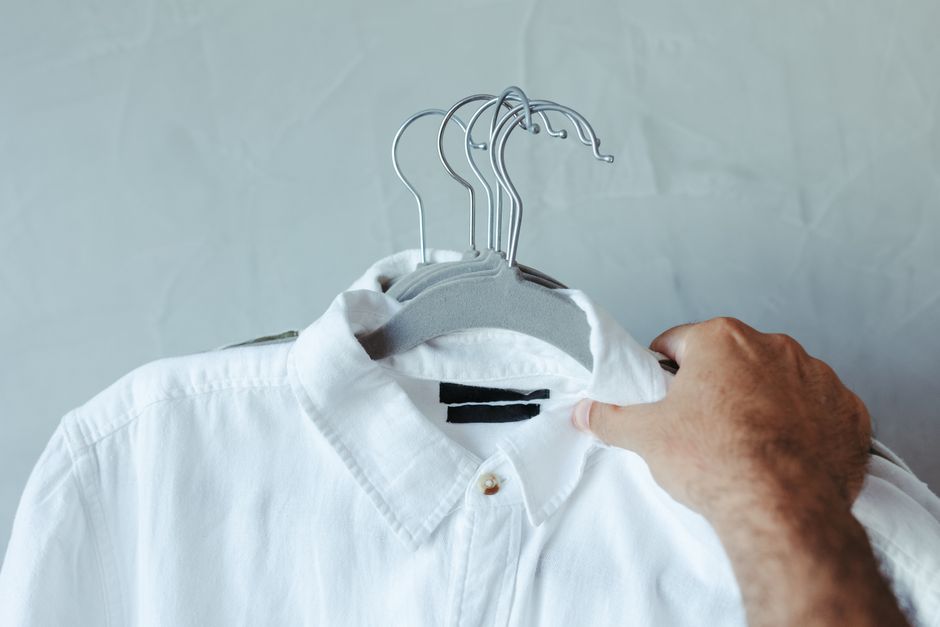
Men can build a useful wardrobe without overspending by focusing on quality over quantity, investing in versatile core pieces, and understanding their personal style needs. A minimalist approach emphasizes timeless essentials that can be mixed and matched, reducing the need for constant new purchases. Prioritizing durable fabrics, classic silhouettes, and a cohesive color palette ensures longevity and adaptability, making every item a workhorse in your collection. This strategy not only saves money in the long run but also promotes sustainable consumption, minimizing fashion waste while maximizing utility and style across various occasions, from a business meeting in London to a weekend trip in Paris.
In a world often pushing for more, the concept of less has a powerful appeal, especially when it comes to personal style. For men navigating the demands of work, travel, and social life across cities like New York, London, or Milan, a thoughtfully curated wardrobe isn’t just a trend; it’s a practical strategy. This guide offers essential men’s fashion advice for a minimalist wardrobe, focusing on building a collection that works harder, lasts longer, and truly reflects your individual taste.
The goal isn’t deprivation but smart acquisition. By focusing on core pieces that offer versatility and quality, you can create a solid wardrobe without the clutter or constant spending. We’ll explore how to identify your needs, make informed choices, and assemble a collection of menswear essentials that stand the test of time, geography, and changing fashion tides.
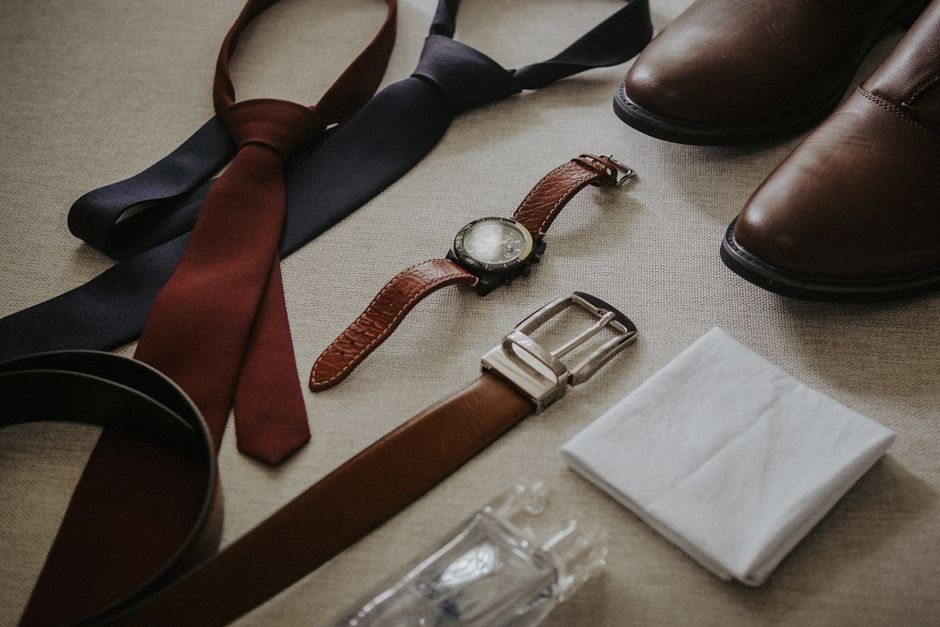
Defining Your Style & Needs: The Foundation of Men’s Minimalist Wardrobe Essentials
Before you even think about specific garments, the most crucial step in building a minimalist wardrobe is understanding your lifestyle and personal aesthetic. What do your typical weeks look like? Are you often in a suit for work in Berlin, or is your day-to-day more smart casual for a tech role in Paris? Do you travel frequently, needing pieces that pack light and resist wrinkles? Your answers dictate the types of clothes you truly need.
Assess Your Current Wardrobe & Lifestyle
Take stock of what you already own. What do you wear most often? What makes you feel confident? What items sit unworn, perhaps still with tags? This audit helps identify gaps and redundant items. Consider the climate of where you live – a resident of Southern Europe will have different core needs than someone in Poland or the UK.
Identify Your Core Color Palette
A consistent color palette is key to versatility. Neutrals like navy, grey, black, white, and khaki form an excellent base. Accent colors can be introduced through shirts, ties, or accessories. By sticking to a cohesive palette, almost every top can go with every bottom, significantly expanding your outfit options without increasing the number of items.
The Essential Building Blocks: Key Pieces for a Versatile Collection
When it comes to men’s fashion advice for a minimalist wardrobe, certain garments are non-negotiable for their versatility and enduring style. These are the items that will carry you through most situations, from casual weekends to more formal engagements.
Mastering Men’s Winter Layering for Cold Cities: Fit, Comfort, and Style Explained
Outerwear: Smart Investments for Any Weather
- Classic Trench Coat: Ideal for transitional weather and adds a touch of sophistication. A British brand like Burberry perfected this, and its utility is recognized from London to New York.
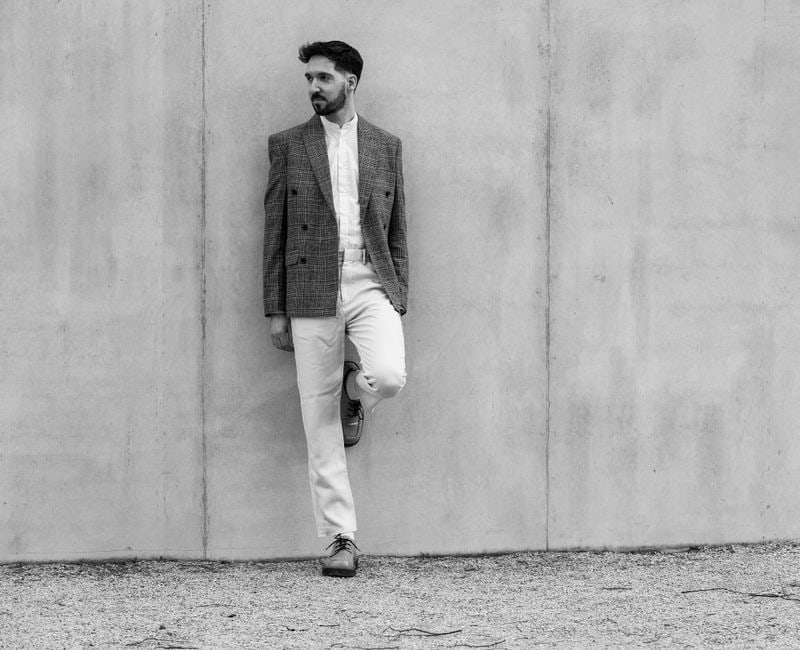
- Versatile Blazer/Sport Coat: A navy or charcoal wool blend blazer is a cornerstone. It can dress up jeans, pair with chinos, or complete a suit. Consider a hopsack weave for breathability, perfect for travel.
- Casual Jacket (Denim or Harrington): For weekends and casual outings. A dark wash denim jacket or a classic Harrington offers timeless cool.
Tops: Layering and Longevity
- Oxford Cloth Button-Down Shirts (OCBDs): A few in white, light blue, and perhaps a subtle stripe are incredibly versatile. They bridge the gap between casual and business casual smoothly.
- High-Quality T-shirts: Stick to neutral colors (white, black, navy, grey) in premium cotton. These are foundational for layering or standalone wear.
- Sweaters: Merino wool or cashmere crewnecks and V-necks in navy, grey, or olive. These are excellent for layering over shirts or under blazers, providing warmth without bulk.
Bottoms: The Foundation of Every Outfit
- Well-Fitting Dark Wash Jeans: Indispensable for casual wear, and can be dressed up with a blazer. Ensure a classic straight or slim fit, not overly distressed.
- Chinos: Khaki, navy, and perhaps an olive or grey pair. These are perfect for smart casual looks and can even work in some business casual environments.
- Wool Trousers: A pair of grey and/or navy wool trousers are essential for more formal settings, easily paired with a blazer or part of a suit.
Footwear: The Right Shoes for Every Step
Quality footwear is an area where investing pays dividends. A few pairs of well-maintained shoes cover most occasions:
- Leather Dress Shoes: A pair of dark brown or black Oxfords or Derbies. Perfect for formal events or business meetings in Frankfurt or Milan.
- Versatile Loafers or Chelsea Boots: Excellent for smart casual ensembles, offering comfort and style.
- Clean, Minimalist Sneakers: White leather sneakers are incredibly versatile, pairing with jeans, chinos, and even some tailored trousers for a modern look.
Smart Shopping & Sustainable Choices: Maximizing Value
How can men build a useful wardrobe without overspending while also considering environmental impact? The answer lies in mindful consumption and prioritizing quality.
Invest in Quality Over Quantity
A common mistake is buying cheap, trend-driven items that quickly fall apart or go out of style. Instead, focus on durable, well-constructed garments made from sustainable fabrics like organic cotton, linen, merino wool, or recycled materials. These pieces will last longer, look better, and often have a lower overall cost-per-wear. Seek out brands known for ethical production and quality craftsmanship, often found in regions with strong textile traditions, like Italy.
Prioritize Versatility
Every item you purchase should be able to combine with at least three other items in your wardrobe. This maximises your outfit options and prevents garments from languishing unworn. Think about multi-purpose items – a suit jacket that can also function as a standalone blazer, or trousers that can be dressed up or down.
Embrace Second-Hand & Vintage
For unique pieces or higher-end items at a fraction of the cost, explore second-hand stores and vintage markets. This is not only budget-friendly but also a highly sustainable approach to fashion, giving garments a second life and reducing demand for new production.
Maintaining Your Minimalist Wardrobe
A minimalist wardrobe thrives on good care. Proper washing, storing, and occasional repairs will extend the life of your garments significantly. Understand fabric care instructions, invest in good hangers, and consider learning basic mending skills. This practical approach ensures your core collection remains pristine and functional for years.
First Impressions Count: Men’s Outfits for First Dates and Dinners
Frequently Asked Questions About Men’s Minimalist Wardrobe Essentials
What is the ideal number of items for a minimalist men’s wardrobe?
There’s no single magic number, as it heavily depends on your lifestyle. However, many find success with a core of 30-50 items, including outerwear and shoes, but excluding underwear and socks. The focus is on versatility and quality, ensuring each item earns its place.
How do I start transitioning to a minimalist wardrobe without buying everything new?
Begin by decluttering your current wardrobe, removing items that don’t fit, are damaged, or haven’t been worn in a year. Identify the gaps in your core essentials and prioritize purchasing those high-quality, versatile pieces one by one, rather than all at once. Slowly replace worn-out items with better alternatives.
Can a minimalist wardrobe work for both formal and casual occasions?
Absolutely. A well-planned minimalist wardrobe hinges on versatile pieces that can be dressed up or down. A navy blazer, crisp white shirt, and tailored chinos can transition from a business meeting to a dinner out with a change of shoes or accessories. Layers are key to adapting to different formality levels.
Are minimalist wardrobes only for certain body types or ages?
Not at all. The principles of a minimalist wardrobe – focusing on good fit, quality fabrics, and timeless styles – are universal. They apply to all body types and ages, promoting confidence and comfort. The key is to choose pieces that flatter your individual physique and match your personal stage of life.
How do I incorporate seasonal changes into a minimalist wardrobe?
For seasonal shifts, focus on layering and a few dedicated seasonal items. For colder months, add heavier sweaters, a warm coat, and boots. In warmer climates, lightweight linen shirts, breathable cottons, and lighter trousers become more prominent. Many core items, like t-shirts and chinos, remain relevant year-round, simply adapted with layers.
Building a Lasting Impression
Embracing men’s fashion advice for a minimalist wardrobe is about more than just owning fewer clothes; it’s about making conscious choices that reflect confidence, practicality, and a respect for quality. Whether you’re navigating the urban pulse of New York, the business corridors of Frankfurt, or the casual elegance of a weekend in Paris, your wardrobe can be a powerful, understated asset. Invest wisely, choose timeless pieces, and enjoy the freedom that comes with a perfectly curated collection.
Explore more men’s guides on AtTheFashion to continue refining your personal style.





Leave feedback about this