


Living in the city comes with its own set of skin challenges, from pollution to relentless UV exposure, even when you’re just running errands or commuting. It’s easy to feel overwhelmed by the sheer volume of skincare advice out there, especially for beauty beginners. But achieving healthy, protected skin doesn’t have to be complicated. This practical beauty and skincare guide is designed to simplify your approach, outlining the best sunscreen routine for everyday city life that’s straightforward and effective.
Whether you’re in the bustling streets of London, the historical centers of Rome, or the vibrant avenues of New York, a consistent and smart sunscreen routine is your skin’s best friend. Forget the myth that sunscreen is only for beach holidays; daily application is non-negotiable for anyone serious about skin health and anti-aging. Let’s cut through the noise and build a routine that works for your busy schedule.

Understanding Your Skin Barrier and Why Sunscreen Matters
Before diving into specific products, it’s vital to understand what you’re protecting: your skin barrier. This outermost layer of your skin acts like a shield, defending against environmental aggressors, retaining moisture, and keeping irritants out. When your skin barrier is compromised – perhaps from harsh products, pollution, or sun damage – it can lead to sensitivity, dryness, and inflammation. Sunscreen plays a critical role in supporting this barrier by preventing UV radiation from breaking down collagen and elastin, which are essential for its structural integrity.
The Silent Threat: UVA and UVB Rays
- UVA Rays: These rays penetrate deep into the skin, contributing to premature aging, wrinkles, and sun spots. They can even pass through window glass, meaning you’re exposed even indoors or in your car.
- UVB Rays: Primarily responsible for sunburn, these rays are strongest in summer months but are present year-round. They are a significant cause of skin cancer.
A good broad-spectrum sunscreen protects against both. In Europe, look for products marked with a UVA logo (a circle around UVA) in addition to an SPF rating. Many European sunscreens are also subject to stricter PAO (Period After Opening) rules, so keep an eye on those symbols.
The Essential Morning Sunscreen Routine for City Dwellers
This is where the magic happens. Your morning routine is your primary defense. Consistency is key, even on cloudy or rainy days – UV rays don’t take a day off.
Step 1: Gentle Cleansing
Start with a mild cleanser that doesn’t strip your skin. For most people, especially those with sensitive skin, a cream or gel cleanser is ideal. In countries like Germany and France, pharmacies offer excellent options from brands like La Roche-Posay or Eucerin, which prioritize skin barrier health. Simply wash your face to remove any overnight buildup, then gently pat dry.
Step 2: Hydration (Moisturizer or Serum)
After cleansing, apply a hydrating serum or moisturizer. This helps to lock in moisture and prepare your skin for sunscreen. Look for ingredients like hyaluronic acid, which draws moisture into the skin, or ceramides, which are crucial for rebuilding and maintaining the skin barrier. A lighter formula is often preferred for daytime, especially if you have oily skin or live in a humid climate like parts of the southern US or Italy in summer.
Step 3: The Sunscreen Application – Your Daily Shield
This is the cornerstone of your practical beauty and skincare guide for the best sunscreen routine for everyday city life. Apply a broad-spectrum SPF 30 (minimum) or higher sunscreen generously. The general rule of thumb is about a quarter teaspoon for your face and neck. Don’t forget your ears, chest, and hands, which are often overlooked but constantly exposed. Allow it to absorb for a few minutes before moving on to makeup.
Choosing Your City Sunscreen: Mineral vs. Chemical
- Mineral Sunscreens (Physical): Contain zinc oxide and/or titanium dioxide, which sit on top of the skin and physically block UV rays. They are often a good choice for sensitive skin. Some newer formulations are less likely to leave a white cast.
- Chemical Sunscreens: Absorb UV rays and convert them into heat, which is then released from the skin. These are often lighter in texture and absorb easily. Brands like Avène (popular in France and Spain) offer elegant chemical formulas.
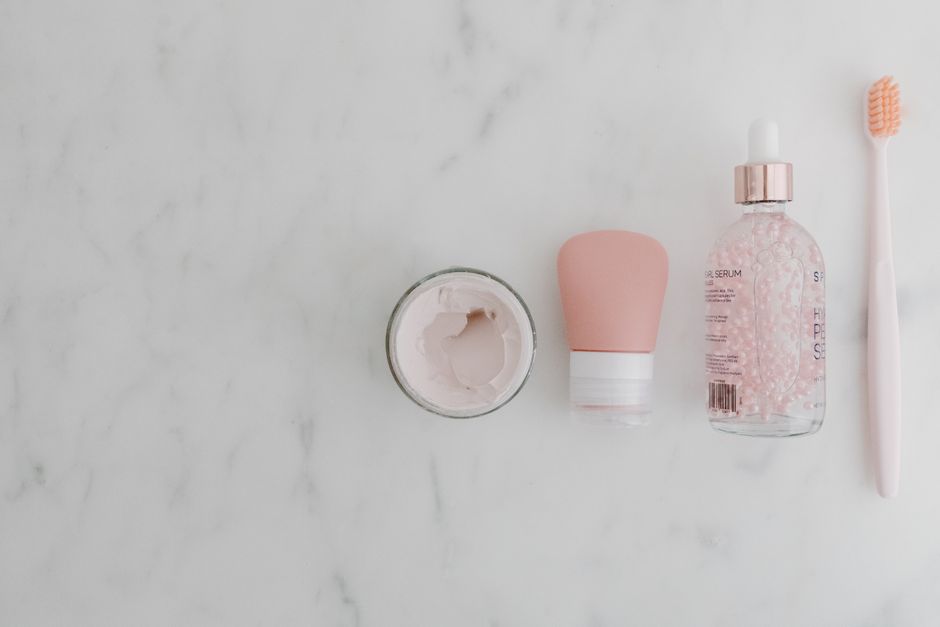
Integrating Makeup and Reapplication Throughout the Day
For many, makeup is part of their daily routine. The good news is, you don’t have to choose between sun protection and your favorite foundation.
Makeup Routine & SPF
Apply your sunscreen as the last step in your skincare routine, before any primer or foundation. While some foundations and BB creams contain SPF, they rarely provide adequate protection on their own. You’d need to apply a very thick layer to reach the stated SPF, which isn’t practical. Think of makeup SPF as a bonus, not your primary defense.
The Reapplication Challenge for City Life
This is where things get tricky, especially if you wear makeup. Sunscreen effectiveness wears off, so reapplication every two hours is ideal, or immediately after heavy sweating or swimming. For a city dweller, this might mean a lunchtime touch-up or refreshing after a brisk walk.
Practical Reapplication Strategies:
- SPF Setting Sprays: These are great for light reapplication over makeup. They won’t give you the full initial SPF, but they offer a boost.
- SPF Powders: Mineral powders with SPF are excellent for touch-ups and reducing shine.
- Sunscreen Sticks: Easy to swipe on specific areas like the nose, cheekbones, and forehead.
- Carry a Small Tube: For makeup-free days or specific occasions, a travel-sized sunscreen can be your best friend.
Nighttime Routine: Repair and Prepare
While sunscreen is a daytime hero, your nighttime routine is about repair and regeneration, especially crucial after daily exposure to urban elements.
Step 1: Double Cleansing
If you wear makeup or live in a highly polluted city (think Milan or Warsaw), consider double cleansing. Start with an oil-based cleanser or micellar water (a staple in French pharmacies) to dissolve makeup, sunscreen, and grime, then follow with your regular water-based cleanser.
Step 2: Targeted Treatments (Optional but Recommended)
This is where you can address specific concerns. For anti-aging or improving skin texture, a retinol serum can be introduced a few nights a week. Always start slowly with retinol, as it can cause sensitivity, especially if you have sensitive skin. Alternatively, a serum with antioxidants, niacinamide, or peptides can help repair and protect. Remember, if you’re using active ingredients like retinol, daily sunscreen is even more non-negotiable.
How to Keep Makeup Fresh During Travel: Ingredients, Steps, and Mistakes to Avoid
Step 3: Moisturize and Seal
Finish with a rich, nourishing moisturizer to support your skin barrier overnight. Look for formulas with ceramides, peptides, or emollients that help restore the skin’s natural moisture balance. This step is particularly important for individuals in drier climates or during colder months, like winter in the US Midwest or Northern Europe.
Advanced Tips for Your City Sunscreen Routine
- Antioxidant Serums: Before your sunscreen in the morning, an antioxidant serum (like Vitamin C) can provide an extra layer of defense against environmental damage and pollution.
- Protect Your Eyes and Lips: Don’t forget an SPF lip balm and sunglasses. The skin around your eyes is particularly delicate.
- Consult a Dermatologist: If you have persistent skin concerns or very sensitive skin, a visit to a dermatologist in your country (like a Hautarzt in Germany or un dermatologue in France) can provide personalized advice.
FAQ: Your Sunscreen Questions Answered
What is the simplest beauty routine for healthy-looking skin?
The simplest routine for healthy skin involves three non-negotiable steps: cleanse, moisturize, and apply broad-spectrum SPF 30+ sunscreen every morning. At night, simply cleanse again and moisturize. This foundational approach protects your skin barrier, prevents sun damage, and maintains hydration effectively for beginners and busy individuals alike.
Do I really need sunscreen if I’m mostly indoors in the city?
Yes, absolutely. UVA rays, which contribute to aging and skin cancer, can penetrate windows in your home, office, and car. Even on cloudy days, up to 80% of UV rays can pass through clouds. Daily indoor use of sunscreen is a critical component of the best sunscreen routine for everyday city life.
How much sunscreen should I use on my face?
For adequate protection, aim for about a quarter teaspoon of sunscreen for your face alone. Many people use far less than needed, significantly reducing the stated SPF. Don’t forget to extend application to your neck, ears, and any other exposed skin, such as the décolletage.
Can I skip moisturizer if my sunscreen is hydrating?
It depends on your skin type and the sunscreen formulation. If you have oily skin and your sunscreen is sufficiently hydrating, you might be able to skip a separate moisturizer. However, for dry or sensitive skin, an additional layer of moisturizer, especially one rich in ceramides or hyaluronic acid, often provides better comfort and barrier support.
What’s the difference between SPF 30 and SPF 50?
SPF 30 blocks approximately 97% of UVB rays, while SPF 50 blocks about 98%. While the percentage difference seems small, SPF 50 offers slightly more solid protection and a longer period of effectiveness, which can be beneficial during prolonged outdoor exposure or for individuals with very fair or sensitive skin.
Adopting the best sunscreen routine for everyday city life doesn’t require a complex multi-step ritual or a complete overhaul of your current habits. By focusing on cleansing, hydrating, and, most importantly, diligent daily sun protection, you can safeguard your skin against the urban environment’s challenges. Prioritize consistency, choose products that suit your skin, and remember that healthy skin is a long-term investment.
Explore more practical beauty guides on AtTheFashion to further enhance your skincare knowledge.






Leave feedback about this