


The simplest beauty routine for healthy-looking skin involves three core steps: cleanse, treat, and protect. For most people, this means a gentle cleanser, a targeted serum (like hyaluronic acid for hydration or retinol for anti-aging), and crucially, a broad-spectrum SPF sunscreen applied daily. Understanding your skin undertone further refines this routine, allowing you to choose makeup that complements your complexion, preventing common beauty missteps and ensuring your efforts yield a naturally harmonious and healthy glow. This practical beauty and skincare guide will help you pinpoint your undertone and select the right products.
Ever found yourself staring at a wall of foundations or lipsticks, utterly bewildered? You’re not alone. Many people pick shades based on what looks good in the tube or on a friend, only to find it doesn’t quite translate to their own face. The missing piece of the puzzle often isn’t your skin tone (how light or dark your skin is), but your skin’s undertone – the subtle hue beneath the surface that dictates how colors truly appear on you. Getting this right is a fundamental step in building a makeup routine that makes you look radiant, not washed out or unnaturally orange.
This practical beauty and skincare guide will cut through the confusion, offering clear steps and actionable advice on how to choose makeup for your skin undertone. We’ll cover everything from identifying your undertone to picking the right foundation, blush, and even eyeshadow, making your beauty choices more informed and effective, whether you’re in London, Berlin, or New York. Let’s use the secret to makeup that truly complements you.
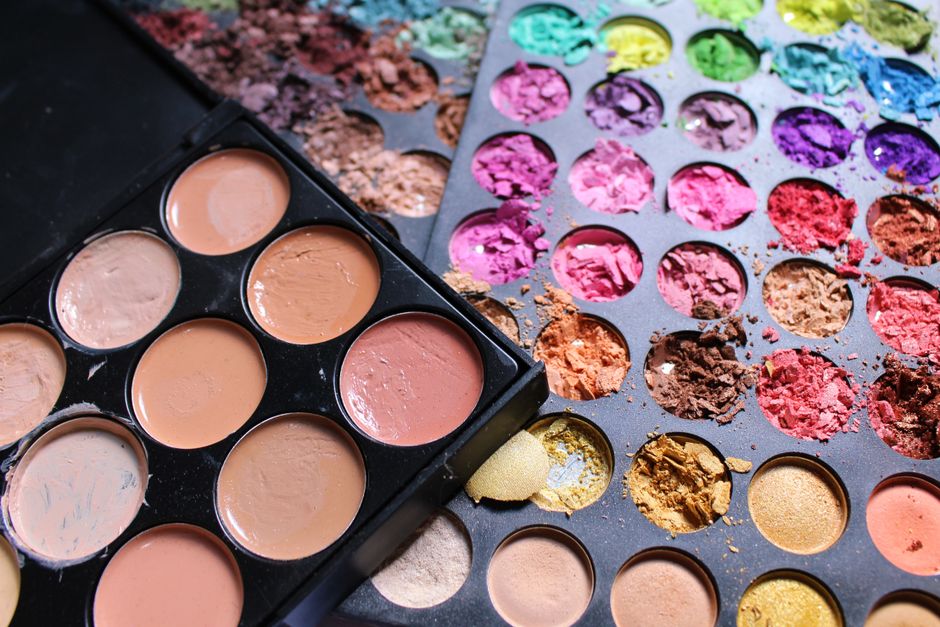
Understanding Your Skin Undertone: The First Step to a Flawless Face
Your skin undertone is essentially the color that comes through your skin’s surface. Unlike your overtone (which can change with sun exposure or seasonal changes), your undertone remains consistent. There are three main categories: warm, cool, and neutral. Identifying yours is the bedrock of choosing makeup that harmonizes with your natural complexion. For instance, a person with a cool undertone in Spain will find the same makeup selection process useful as someone in the UK.
How to Determine Your Undertone
- The Vein Test: Look at the veins on the inside of your wrist in natural light. If they appear blue or purple, you likely have a cool undertone. If they look green, you’re probably warm. If you see a mix of both, or can’t quite tell, you might have a neutral undertone. This is a common and reliable starting point for most.
- The Jewelry Test: Think about whether silver or gold jewelry looks better on you. Silver tends to complement cool undertones, while gold enhances warm undertones. If both look equally good, you’re likely neutral.
- The White Paper Test: Hold a piece of pure white paper up to your bare face in natural light. If your skin appears yellowish, peachy, or golden next to it, you’re warm. If it looks pink, rosy, or blueish, you’re cool. If you see grey or an even blend, you’re neutral.
Remember, these are guidelines. Some individuals might find they lean slightly one way but can pull off elements of another, especially those with olive skin which often sits in a ‘warm-neutral’ category.
Choosing the Right Foundation and Concealer for Your Undertone
Foundation is the canvas of your makeup. Getting this wrong can make your entire face look off. The key here is to match your undertone, not just your surface skin tone. Many brands now label their foundations with C (cool), W (warm), or N (neutral) to simplify the process. For those looking for a practical beauty and skincare guide, this is crucial.
Warm Undertones
- Look for: Foundations with golden, yellow, or peachy descriptors. Think ‘warm beige,’ ‘golden ivory,’ or ‘honey.’
- Avoid: Foundations with pink or red bases, as these can make your skin look ashy or dull.
- Pro Tip: Brands available across Europe and the US often have extensive shade ranges; for example, many German pharmacies carry brands with good undertone options.
Cool Undertones
- Look for: Foundations with pink, red, or blue undertones. Terms like ‘porcelain,’ ‘rose beige,’ or ‘sable’ are good indicators.
- Avoid: Foundations with strong yellow or orange bases, which can make your skin look sallow.
- Pro Tip: When testing, swatch foundation along your jawline and let it dry down slightly. The true color emerges after a minute or two.
Neutral Undertones
- Look for: Foundations that balance both warm and cool tones, often described as ‘neutral beige’ or ‘natural.’ You have more flexibility but still aim for balance.
- Avoid: Extremes of pink or yellow that don’t blend smoothly.
Blush, Bronzer, and Highlighter: Enhancing Your Natural Flush
Once your base is set, blush, bronzer, and highlighter add dimension and a healthy glow. Again, your undertone plays a significant role in selecting shades that look natural and radiant.
Effortless Radiance: Low-Maintenance Makeup for Busy Mornings in the US and Europe
Blush by Undertone
- Warm: Peachy, coral, terracotta, and warm mauves work beautifully. Think of the warm glow of a sunset.
- Cool: True pinks, berry tones, plums, and cool mauves are your friends. These mimic a natural flush.
- Neutral: You can experiment with a wider range, but soft peaches and rosy pinks are universally flattering.
Bronzer by Undertone
Bronzer should mimic where the sun naturally hits your face. The goal is warmth, not orange stripes!
- Warm: Golden-browns, terracotta shades. Avoid anything too red or grey.
- Cool: Taupe-based browns or lighter, less orange bronzers. A common mistake for cool undertones is using a bronzer that’s too warm, leading to an unnatural orange cast.
- Neutral: Neutral browns that aren’t too warm or too cool.
Highlighter by Undertone
Highlighter adds a luminous sheen.
- Warm: Golden, champagne, or peachy highlighters.
- Cool: Pearly, silver, or iridescent pink highlighters.
- Neutral: Champagne or subtle rose gold.
Lip and Eye Makeup: Color Harmony for Your Undertone
Lipstick and eyeshadow can be powerful tools for expression, but choosing shades aligned with your undertone ensures they enhance rather than overpower your complexion. This is a practical beauty and skincare guide for those who want to avoid impulse buys that don’t work.
Lipstick by Undertone
- Warm: Corals, warm reds (orange-based reds), terracotta nudes, and peachy pinks.
- Cool: Blue-based reds (like ruby or cherry), fuchsia, plum, and cool-toned pinks.
- Neutral: Most shades can work, but true reds, rose pinks, and berry tones are often stunning.
Eyeshadow by Undertone
Eyeshadow offers more flexibility as it’s not directly on your skin. However, understanding undertones can help you create a more cohesive look. For example, in France, classic beauty often prioritizes harmony.
- Warm: Earthy tones like bronze, gold, olive green, warm browns, and copper.
- Cool: Silvers, greys, cool browns, blues, purples, and emerald greens.
- Neutral: Most shades work well. Neutrals like taupe, soft browns, and champagnes are universally flattering.
Essential Skincare Beyond Makeup: For Healthy-Looking Skin
While makeup enhances, healthy skin is the ultimate foundation. A practical beauty and skincare guide isn’t complete without covering the basics. Regardless of your undertone, these principles apply universally, from the bustling streets of Rome to the quiet villages of Poland.
The Simplest Routine for Healthy-Looking Skin
- Cleanse: Start with a gentle cleanser suitable for your skin type (oily, dry, combination, sensitive skin). This removes dirt, oil, and makeup without stripping your skin.
- Treat (Targeted Serums): This is where you address specific concerns. For hydration, look for hyaluronic acid. For anti-aging and cell turnover, consider a low-dose retinol, but introduce it slowly to avoid irritation. For strengthening the skin barrier, products containing ceramides are excellent, especially for sensitive skin.
- Moisturize: A good moisturizer locks in hydration and supports your skin barrier.
- Protect (SPF): The single most impactful step for skin health and anti-aging is daily use of a broad-spectrum SPF 30 or higher. This protects against sun damage, which is the primary cause of premature aging and skin cancer. This is non-negotiable, whether you’re under the Spanish sun or a German winter sky.
Mistakes to Avoid
- Ignoring Sensitive Skin: If you have sensitive skin, patch test new products and opt for fragrance-free, minimalist formulations. Harsh ingredients can compromise your skin barrier, leading to redness and irritation.
- Overdoing Retinol: While powerful, retinol needs to be introduced gradually. Start with a low concentration a few times a week and increase as your skin tolerates it.
- Skipping Sunscreen: Even on cloudy days or indoors near windows, UV rays can cause damage. Make SPF your daily habit.
FAQ: Your Makeup and Skincare Questions Answered
Can my undertone change over time?
No, your skin undertone is genetic and does not change. While your skin’s surface tone can tan or lighten, the underlying cool, warm, or neutral hue remains constant. This is why it’s a reliable guide for consistent makeup choices.
Beginner Retinol Routine for Adults: Navigating Products Without Marketing Confusion
I have sensitive skin. How do I choose makeup and skincare without irritation?
For sensitive skin, prioritize products labeled ‘fragrance-free,’ ‘hypoallergenic,’ and ‘dermatologist-tested.’ Look for shorter ingredient lists and avoid common irritants like harsh alcohols or strong essential oils. Always patch test new products on a small area first.
What is the most common mistake people make when choosing foundation?
The most common mistake is matching foundation to their surface skin tone without considering undertone, or testing it on their hand instead of their jawline. This often leads to a foundation that looks too orange, pink, or sallow on the face compared to the neck.
Is SPF in makeup enough for sun protection?
Generally, no. The SPF in most makeup products is often too low (below SPF 30) and applied in insufficient quantities to provide adequate protection. It’s best to use a dedicated broad-spectrum SPF 30+ sunscreen as the last step of your skincare routine, before makeup.
How important are ceramides for skin health?
Ceramides are crucial. They are lipids naturally found in your skin barrier, acting like mortar between bricks to keep your skin hydrated and protected from environmental aggressors. Products with ceramides are excellent for strengthening the skin barrier, especially for dry or sensitive skin types.
Can someone have both warm and cool undertones?
While the three categories (warm, cool, neutral) are a useful framework, some people have what’s called an ‘olive’ undertone. This often appears as a greenish-grey cast and can be challenging to classify, sometimes leaning warm-neutral or cool-neutral depending on the intensity. These individuals often benefit from neutral-leaning shades.
Conclusion: Your Journey to Practical Beauty
Understanding your skin undertone is a powerful tool in your beauty arsenal, making the daunting task of choosing makeup significantly simpler and more effective. By combining this knowledge with a consistent, practical beauty and skincare guide for healthy skin – featuring essentials like SPF, effective hydration with hyaluronic acid, and barrier support from ceramides – you’re well on your way to a radiant, confident look that truly reflects you. Ditch the guesswork and embrace a makeup routine that works in harmony with your natural beauty, whether you’re in the US, the UK, Germany, or anywhere else. Explore more beauty guides on AtTheFashion to continue your journey.

Leave feedback about this