

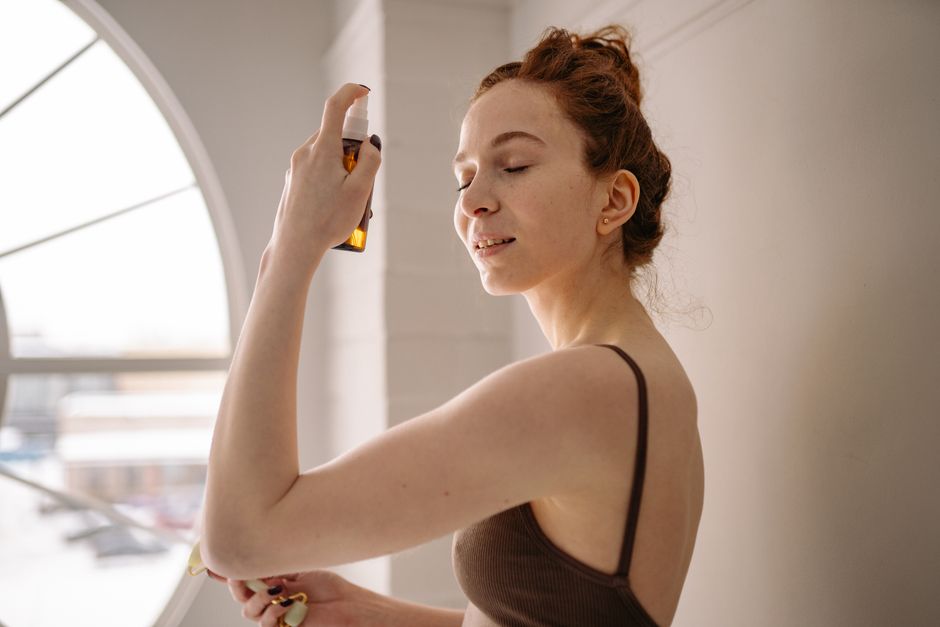
Long-haul flights, while exciting in their destination, can be notoriously tough on your skin. The recirculated, extremely dry cabin air combined with disrupted sleep schedules often leaves skin feeling parched, dull, and prone to breakouts. It’s easy to get lost in a sea of travel-sized ‘essentials’ promising miracles, but navigating the marketing jargon to find truly effective products requires a discerning eye. Our focus here is on a practical beauty and skincare guide for long-haul flights, ensuring you pack smart and protect your skin effectively.
The secret isn’t more products; it’s the right products. We’ll strip away the noise and look at what truly matters for maintaining healthy, hydrated skin while you’re airborne, offering real-world comparisons to help you choose wisely without falling for every shiny new travel kit.
Preparing for a trip across continents, whether you’re heading to the bustling streets of Paris, the serene beaches of Italy, or an important business meeting in New York, requires a tactical approach to your beauty bag. Space is limited, and efficacy is paramount. This guide cuts through the marketing fluff to reveal the true practical beauty and skincare guide beauty essentials for long-haul flights.
Understanding the Challenge: What Flights Do to Your Skin
Before we dive into product recommendations, it’s crucial to understand why our skin reacts so strongly to air travel. The primary culprit is low humidity. Airplane cabins typically have humidity levels around 10-20%, significantly lower than most desert environments. This extreme dryness actively pulls moisture from your skin, leading to dehydration, increased oil production as your skin tries to compensate, and a compromised skin barrier.
Furthermore, changes in pressure, exposure to recycled air, and potential sleep deprivation can all contribute to dullness, puffiness, and sensitivity. Addressing these issues with targeted ingredients, rather than a whole new routine, is the intelligent approach.
The Core Principles: Hydration and Barrier Support
When curating your travel beauty kit, every item should serve one of two main purposes: intense hydration or strengthening your skin’s natural protective barrier. Anything that doesn’t directly contribute to these goals is likely unnecessary bulk. For sensitive skin, this minimalist approach is even more critical, reducing potential irritants.
Cleansing Smart: Gentle & Effective
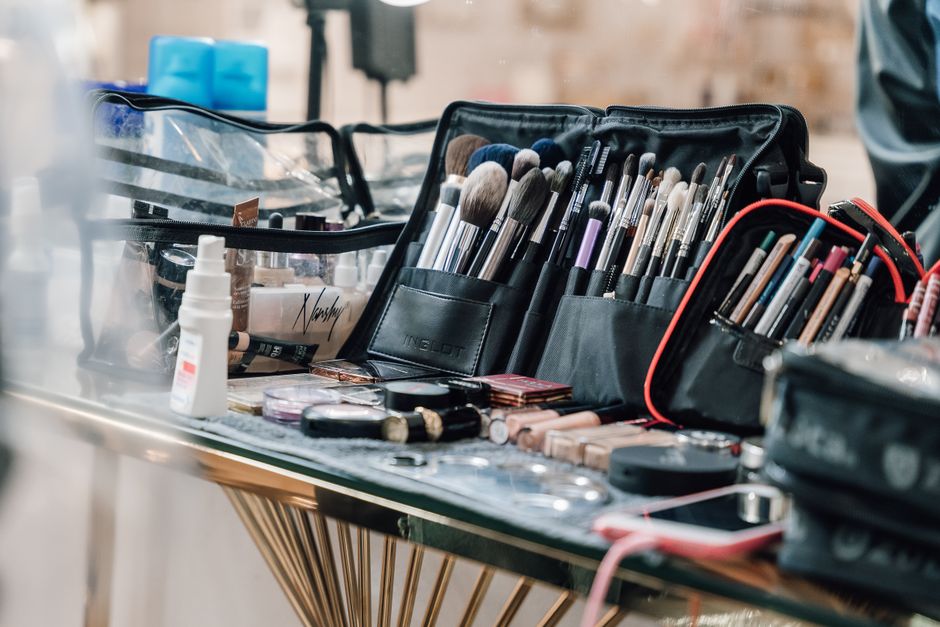
Forget harsh foaming cleansers that strip your skin. On a long-haul flight, you need something gentle that removes impurities without further dehydrating. Micellar water or a creamy, non-foaming cleanser is ideal.
- Micellar Water: A fantastic multi-tasker for travel. It cleanses, tones, and removes light makeup without needing a rinse. Brands like Bioderma Sensibio H2O are widely available in European pharmacies (from Germany to Spain) and are a consistent favorite for sensitive skin. Look for formulations without alcohol or fragrance.
- Cream Cleansers: If you prefer a traditional wash, opt for a hydrating cream or balm cleanser. CeraVe Hydrating Facial Cleanser, easily found in drugstores across the US and UK, is an excellent example. These cleanse without leaving your skin feeling tight or dry.
Comparing Products: Instead of focusing on marketing claims of ‘deep cleansing,’ look for ingredients like glycerin, ceramides, or hyaluronic acid in your cleanser. Avoid anything with sulfates (SLS/SLES) if you have dry or sensitive skin, as these can be overly stripping.
How to Choose Makeup for Your Skin Undertone: Practical Advice for US and European Shoppers
Hydration Heroes: Serums and Moisturizers
This is where your skin barrier truly gets its support. Layering hydrating and nourishing products is key.
Hyaluronic Acid: The Moisture Magnet
Hyaluronic acid (HA) is a powerhouse ingredient for drawing moisture into the skin. A good HA serum applied to damp skin before your moisturizer will make a noticeable difference. Don’t be fooled by products claiming ‘multi-molecular’ HA without understanding what that means – the key is simply having HA present in an effective concentration.
- Practical Pick: The Ordinary Hyaluronic Acid 2% + B5 is a budget-friendly option found globally, from Sephora in France to beauty retailers in Poland. It’s straightforward and effective.
- Premium Choice: Skinceuticals HA Intensifier is a more potent option, albeit at a higher price point, favored by many dermatologists for its comprehensive approach to hydration.
Ceramides: Your Skin Barrier’s Best Friend
Ceramides are lipids that make up a significant portion of your skin’s outer layer, acting like the mortar between bricks to maintain a healthy skin barrier. Replenishing them is crucial during dehydrating flights.
- Moisturizers with Ceramides: Look for moisturizers that specifically list ceramides in their ingredients. Brands like CeraVe, La Roche-Posay (particularly their Lipikar range, popular in Europe), and Paula’s Choice often formulate with these essential lipids.
- Avoid: Heavy fragrances or excessive essential oils in your moisturizer, especially if you have sensitive skin, as these can negate the barrier-supporting benefits.
Sun Protection Even Indoors: Why SPF Matters
Many travelers overlook SPF on flights, assuming they’re protected indoors. However, airplane windows don’t block UVA rays, which contribute to premature aging and skin damage. While the immediate risk isn’t as high as direct sun exposure, consistent long-haul travel warrants protection.
Apply a broad-spectrum SPF 30 (or higher) before your flight and reapply if it’s a very long journey or you’ll be seated by a window for extended periods. Choose a formula that feels comfortable and non-greasy. Many mineral sunscreens containing zinc oxide or titanium dioxide are less irritating for sensitive skin.
Minimalist Makeup: Less is More
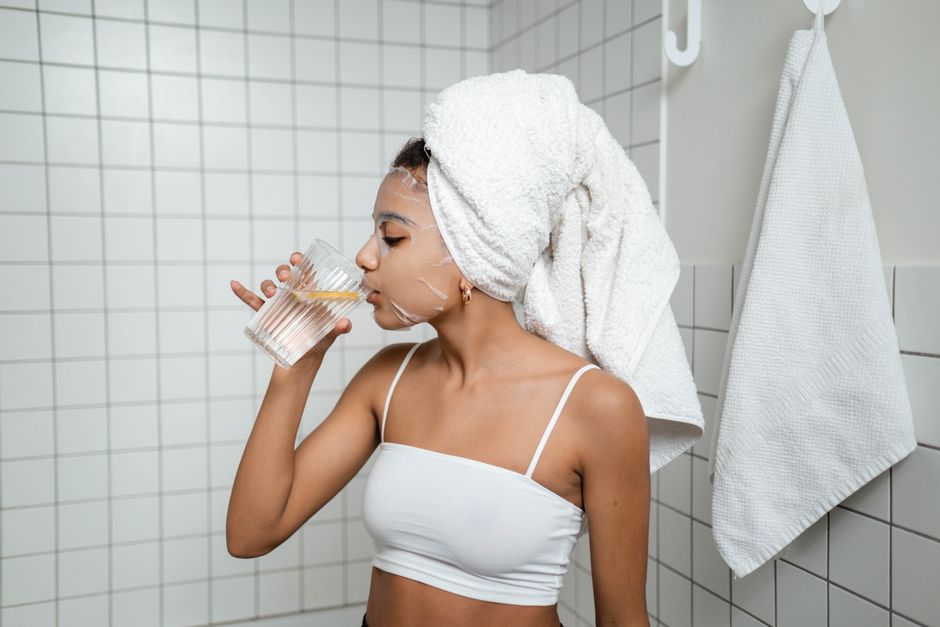
When it comes to makeup on a long-haul flight, the mantra is ‘less is more.’ Allowing your skin to breathe minimizes clogged pores and irritation in the dry environment.
- Tinted Moisturizer or BB/CC Cream: Instead of heavy foundation, opt for a tinted moisturizer or a breathable BB/CC cream with light coverage. Many also contain SPF, offering a dual benefit.
- Cream Blush/Highlight: These are easier to apply without brushes and blend smoothly into dry skin, giving a natural flush without looking cakey.
- Lip Balm with SPF: Don’t forget your lips! They can become incredibly dry and chapped. A nourishing lip balm, ideally with a touch of SPF, is a must-have. Brands like Laneige or By Terry Baume de Rose are popular in the US and Europe, respectively, for their rich, emollient textures.
The Retinol Question: While retinol is a powerful anti-aging ingredient, a long-haul flight is generally not the time to introduce it or use a high-strength version. Retinol can increase skin sensitivity and dryness, which are exacerbated by cabin air. If you regularly use retinol, consider pausing it the day of and day after a long flight, or opting for a very gentle, buffered formula. Focus on rehydrating instead.
Post-Flight Recovery: Rebalancing Your Skin
Once you’ve landed, whether in Berlin or Rome, your skin will need some extra TLC to recover. A hydrating sheet mask can be a wonderful pick-me-up. Focus on reinforcing your skin barrier with rich moisturizers and getting back to your regular, gentle routine. Consider using a hydrating mist throughout your flight to provide immediate, albeit temporary, relief from dryness.
Beauty Essentials for Long-Haul Flights: Your Practical Skincare and Makeup Guide
Comparing Products Without Marketing Confusion
How do you actually pick the ‘best’ product when every brand claims theirs is superior? Here’s a practical approach:
- Ingredient List First: Flip the product over. Look for key ingredients like hyaluronic acid, ceramides, glycerin, squalane, and cholesterol. These are proven humectants and emollients that support skin health.
- Avoid Obvious Irritants: If you have sensitive skin, steer clear of strong fragrances, essential oils, and high concentrations of alcohol (not fatty alcohols).
- Texture Matters: For flight, lighter textures that absorb well but still feel nourishing are ideal. You don’t want anything too heavy that might clog pores or feel uncomfortable.
- Price vs. Efficacy: Expensive doesn’t always mean better. Many effective products from brands like The Ordinary, CeraVe, and La Roche-Posay are very affordable and deliver excellent results because they focus on proven ingredients without excessive frills.
- Sample Smart: Before you commit to a full travel size, if possible, try samples. Many beauty counters in department stores across the UK, Germany, or the US will happily provide small samples. This helps you check for irritation or adverse reactions.
FAQ: Your Beauty Questions Answered
What is the simplest beauty routine for healthy-looking skin on a flight?
The simplest routine involves a gentle cleanse, a hyaluronic acid serum on damp skin, a ceramide-rich moisturizer, and an SPF 30+ if near a window. Prioritize hydration and skin barrier support above all else to combat the dry cabin air effectively. This practical beauty and skincare guide for long-haul flights focuses on minimal, impactful steps.
Can I wear makeup on a long-haul flight?
Yes, but opt for minimal, breathable options. A tinted moisturizer or BB cream is preferable to heavy foundation, as it allows your skin to breathe better in the dry environment and reduces the risk of clogged pores. Focus on cream-based products for ease of application and hydration.
Should I use a face mask during a flight?
While sheet masks can be hydrating, the very low humidity in a cabin can cause them to dry out quickly, potentially drawing moisture from your skin. A better alternative might be a rich leave-on sleeping mask or a thick layer of moisturizer applied like a mask. If you do use a sheet mask, apply it early in the flight and follow immediately with moisturizer.
How can I protect my skin from the dry cabin air?
Beyond hydrating products, consider a portable facial mist (alcohol-free) to spritz periodically. Drinking plenty of water is also crucial for internal hydration. Avoid excessive caffeine and alcohol, which can contribute to dehydration, further impacting your skin’s moisture levels.
Is retinol safe to use before or during a long flight?
It’s generally advised to avoid strong retinol or retinoid products right before or during a long flight, especially if you have sensitive skin. Retinol can increase skin sensitivity and dryness, which the harsh cabin environment will exacerbate. Focus on barrier repair and hydration during this time, and resume retinol after your skin has re-acclimated.
What travel sizes are allowed in carry-on luggage?
Across the US, UK, and most of Europe (including Germany, France, Italy, Spain, and Poland), liquids, gels, and aerosols in carry-on bags are restricted to containers no larger than 100ml (3.4 ounces) each. All these containers must fit comfortably into a single, transparent, quart-sized (or liter-sized) zip-top bag.
Final Thoughts on Your Flight Beauty Regime
Preparing for long-haul travel doesn’t have to mean sacrificing your skin’s health. By understanding the environment and focusing on genuine practical beauty and skincare guide beauty essentials for long-haul flights – hydration, barrier support, and sensible SPF – you can arrive at your destination with refreshed, happy skin. Cut through the marketing confusion by prioritizing ingredients and efficacy over fleeting trends.
For more beauty insights and travel tips, explore more beauty guides on AtTheFashion.





Leave feedback about this