


Shoppers can tell if an online deal is genuinely good by thoroughly scrutinizing the offer’s terms and conditions, rather than just the headline price. Key indicators include clear expiration dates, minimal excluded products, reasonable minimum spend requirements, transparent shipping costs, and a straightforward redemption process. A truly smart online deal will clearly outline any limitations, such as a cap on discounts or specific usage windows. If the terms are vague, excessively long, or hard to find, it’s a warning sign, suggesting potential hidden catches that could diminish the deal’s perceived value. Always compare the final cost against competitors and your actual need.
In the rush of online shopping, especially during peak sales events like Black Friday or Cyber Monday, it’s easy to get swept up by tantalizing headlines: ‘70% Off!’ or ‘Buy One, Get One Free!’ We’ve all been there, excitedly adding items to our cart, only to find the final price isn’t quite what we expected, or the ‘free’ item comes with strings attached. The devil, as they say, is in the details – specifically, in the terms and conditions (T&Cs) that often go unread.
Many of us skim past these crucial sections, assuming they’re just legal jargon, a formality before we click ‘purchase’. But this oversight can lead to frustration, unexpected costs, or even a missed opportunity to truly leverage a great discount. Understanding how to read an online offer’s terms and conditions is not just about avoiding disappointment; it’s about empowering yourself to make genuinely smart online deals and offers work for you, saving money and time.
This guide will arm you with the knowledge to dissect those often-dense legal texts, highlighting common warning signs and providing practical examples. You’ll learn to identify a truly valuable offer from one that’s designed to look appealing but delivers little real benefit.
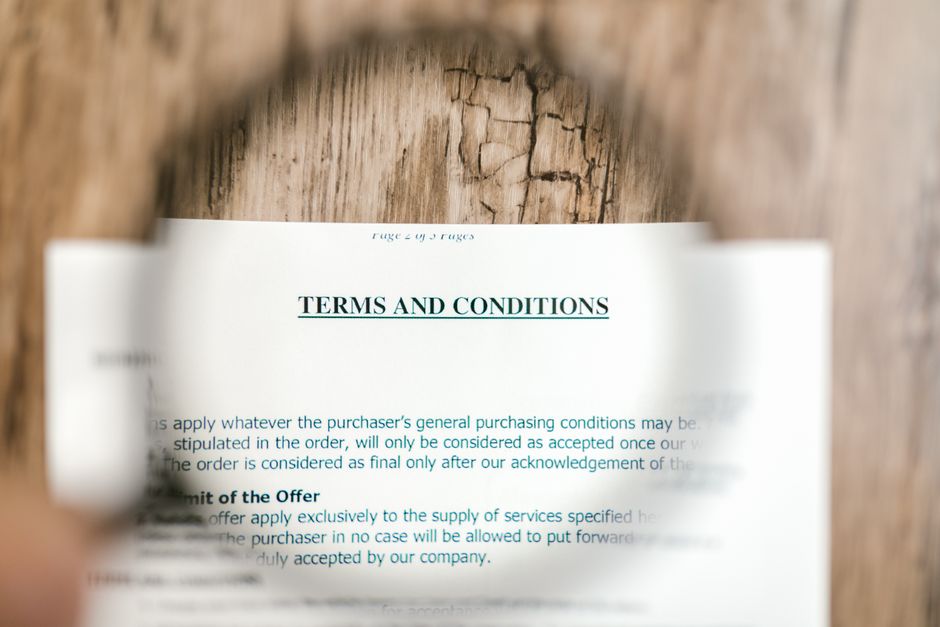
Quick Overview: What to Look For in Online Offer T&Cs
- Expiration Date: When does the offer end? Is it local time?
- Eligibility: Who can use the offer? New customers only? Specific countries?
- Exclusions: What products, brands, or services are *not* included?
- Minimum Spend: Is there a minimum purchase required to qualify for the discount?
- Redemption Method: Is it a code, automatic discount, or loyalty points?
- Stacking: Can it be combined with other offers or coupons?
- Shipping & Returns: How does the deal affect shipping costs or return policies?
- Usage Limits: Is there a cap on the discount or how many times it can be used?
Decoding the Fine Print: Essential Areas to Examine
1. Expiration Dates and Time Zones
One of the most common pitfalls with smart online deals and offers is missing the expiration date. A fantastic 50% off deal isn’t so fantastic if it expired yesterday. Always check the exact end date and, crucially, the time zone. A deal ending at ‘midnight’ might refer to PST, GMT, or CET, which can mean several hours difference, especially for shoppers in the US, UK, Germany, or France. For instance, a deal advertised in the US to end at ’11:59 PM PT’ will expire much earlier for someone on the East Coast, let alone in Europe.
Practical Example: A travel site offers ‘20% off all flights’ until 31st December. Digging into the T&Cs reveals ‘Offer valid until 31/12/2024, 23:59 GMT’. If you’re in Rome (CET), that’s 00:59 on 1st January, meaning you actually have an extra hour. If you’re in New York (EST), it’s 18:59 on 31st December, cutting your shopping window significantly.
2. Exclusions and Inclusions: The Small Print That Matters
Many ‘blanket’ discounts come with a long list of excluded items. This is particularly prevalent in fashion sales or electronics. That ‘25% off everything’ might exclude new arrivals, premium brands, clearance items, or gift cards. Always look for phrases like ‘excludes select brands,’ ‘not valid on sale items,’ or ‘applies to full-price merchandise only.’ These exclusions can drastically reduce the number of items you can actually apply the discount to.
Warning Sign: A vague statement like ‘some restrictions apply’ without a clear link or list of exclusions is a red flag. A transparent retailer will either list exclusions explicitly or link to a comprehensive list. For example, a UK retailer might exclude popular designer brands from a sitewide discount, while a German electronics store might exclude newly released smartphone models. Pay attention to what’s not included.
The Ultimate Guide to Real Money Casino Blackjack
3. Minimum Spend Requirements and Usage Limits
A common tactic to boost average order value is to attach a minimum spend to a discount. ‘£10 off when you spend £50’ or ‘Save $25 on orders over $100.’ While these can still represent smart online deals and offers, ensure you genuinely need to spend that much. Don’t buy items just to reach the threshold, as this defeats the purpose of saving money.
Similarly, be mindful of usage limits. Some coupons are ‘one per customer’ or ‘valid for first 100 customers only.’ Others might have a maximum discount cap, e.g., ‘20% off, up to a maximum discount of €50’. This is crucial for high-value items where a 20% discount on a €300 item should be €60 but is capped at €50, meaning the effective discount is less than advertised.

4. Shipping Costs, Taxes, and Redemption Complexities
A ‘great deal’ can quickly become mediocre once shipping costs are factored in. Always check the shipping policy associated with the deal. Is free shipping only available after a certain spend? Does the deal override standard free shipping thresholds? For international purchases, remember to account for potential customs duties and import taxes. For US shoppers, remember sales tax will be added to your total, often after the discount is applied, so factor this into your final budget. For EU shoppers, advertised prices typically include VAT, but cross-border purchases might incur additional shipping or administrative fees.
Redemption can also be a hurdle. Is it an automatic discount, a coupon code to manually enter, or does it require signing up for a newsletter first? Some deals are loyalty program exclusive, requiring you to be a member before you can claim the offer. Ensure the redemption process is straightforward and doesn’t involve unnecessary hoops.
Practical Example: A Polish online store offers a ‘free gift with purchase.’ The T&Cs state, ‘Free gift valid only while stocks last. Shipping costs for gift apply if total order value after discount is below 100 PLN.’ This means you could end up paying for shipping a ‘free’ item if your primary purchase discount pushes your total below the threshold.
5. Return Policies and Consumer Rights
Always check how a deal affects the return policy. Some deeply discounted items might be ‘final sale’ or ‘non-returnable.’ While this is common, it should be clearly stated. Understand your rights. In the EU, consumers generally have 14 days to return online purchases without giving a reason, under EU consumer rights. However, this ‘right of withdrawal’ might not apply to certain goods (e.g., custom-made items, perishable goods). In the US, return policies are largely set by individual retailers, so careful reading is essential. Don’t assume your standard return window applies to every deal.
Warning Sign: A drastically reduced return window or a ‘no returns on sale items’ policy that isn’t prominently displayed alongside the deal is a cause for concern. Always prioritize retailers with clear and fair return policies, even for discounted purchases.
The Ultimate Guide to Popular RNG Games Slots
FAQ: Answering Your Deal-Hunting Questions
How can shoppers tell whether an online deal is genuinely good?
A genuinely good online deal stands out through clear, unambiguous terms and conditions. Look for minimal exclusions, a transparent redemption process, and a discount that significantly reduces the final price without forcing unnecessary additional purchases. Compare the net price (after all discounts, shipping, and taxes) against other retailers and ensure the product meets your actual need and budget.
What are common hidden costs in online offers?
Common hidden costs include shipping fees that negate a discount, minimum spend requirements that push you to buy more than intended, taxes (like US sales tax) not initially shown, and currency conversion fees for international transactions. Always proceed to the checkout page before finalizing a purchase to see the true total cost.
Are ‘Buy One, Get One Free’ (BOGO) deals always good value?
BOGO deals can be good value, but check the terms. Often, the ‘free’ item must be of equal or lesser value, and sometimes you’re paying an inflated price for the first item to cover the cost of the second. Ensure you genuinely need two items and compare the per-item price against buying them individually from other sellers.
How do I handle vague or confusing terms and conditions?
If the terms and conditions are vague, confusing, or difficult to find, consider it a warning sign. Before proceeding, contact the retailer’s customer service for clarification. If they can’t provide clear answers, or the terms still feel opaque, it’s often best to find a different, more transparent offer to avoid potential issues.
Do consumer protection laws apply to online deals?
Yes, consumer protection laws generally apply to online deals, although specifics vary by region. For instance, EU consumer rights provide strong protections for online purchases, including a right to cancel. In the US, various federal and state laws protect consumers. However, these laws don’t excuse you from reading a merchant’s specific terms regarding returns or warranties on sale items.
Key Takeaways for Smart Online Shopping
Successfully navigating the world of online discounts and promotions boils down to informed vigilance. Don’t let the allure of a headline discount overshadow the critical details buried in the terms and conditions. By proactively reviewing expiration dates, understanding product exclusions, checking minimum spends, and clarifying shipping and return policies, you transform yourself from a passive shopper into a savvy deal-hunter.
Remember, the goal of smart online deals and offers isn’t just to find the lowest advertised price, but to secure the best overall value for something you genuinely need. A few minutes spent reading the T&Cs can save you frustration, unexpected costs, and buyer’s remorse, ensuring your budget-conscious choices genuinely pay off.
To further enhance your shopping expertise and discover genuinely smart online deals, explore verified shopping guidance on AtTheFashion.






Leave feedback about this