


To choose makeup effectively for your skin undertone, first identify whether your undertone is cool (veins appear blue/purple, silver jewelry suits you best), warm (veins appear green, gold jewelry suits you best), or neutral (a mix of both, suiting both silver and gold). Once identified, opt for makeup shades that align: cool undertones benefit from rosy, blue-based colors; warm undertones thrive in golden, peach, or yellow-based hues; and neutral undertones enjoy a wider spectrum of balanced shades. This ensures your makeup harmonizes with your natural complexion, preventing a ‘muddy’ or ‘ashy’ appearance.
Navigating the vast world of makeup can feel overwhelming, especially when you’re trying to find shades that truly complement your complexion. Many of us have experienced the frustration of buying a foundation that looks off or a lipstick that just doesn’t pop. The secret often lies not in your skin tone itself, but in your skin’s undertone. This practical beauty and skincare guide will help you decode your unique undertone, empowering you to make smarter, more effective makeup choices for a radiant, natural look.
Understanding your skin’s undertone is a fundamental step towards a more cohesive and flattering makeup collection. It’s not about how light or dark your skin is, but the subtle colors underneath the surface. Getting this right can improve your entire makeup routine, moving you from guesswork to confident selections that truly enhance your natural beauty. Whether you’re a beauty beginner, a busy professional, or a seasoned traveler looking for efficient routines, mastering this skill will save you time, money, and frustration.
For anyone feeling lost in the cosmetic aisle, this practical beauty and skincare guide on how to choose makeup for your skin undertone offers clear, actionable advice. We’ll cut through the jargon and provide straightforward methods to identify your undertone, followed by specific recommendations for foundations, concealers, blushes, and lipsticks that will flatter you most.
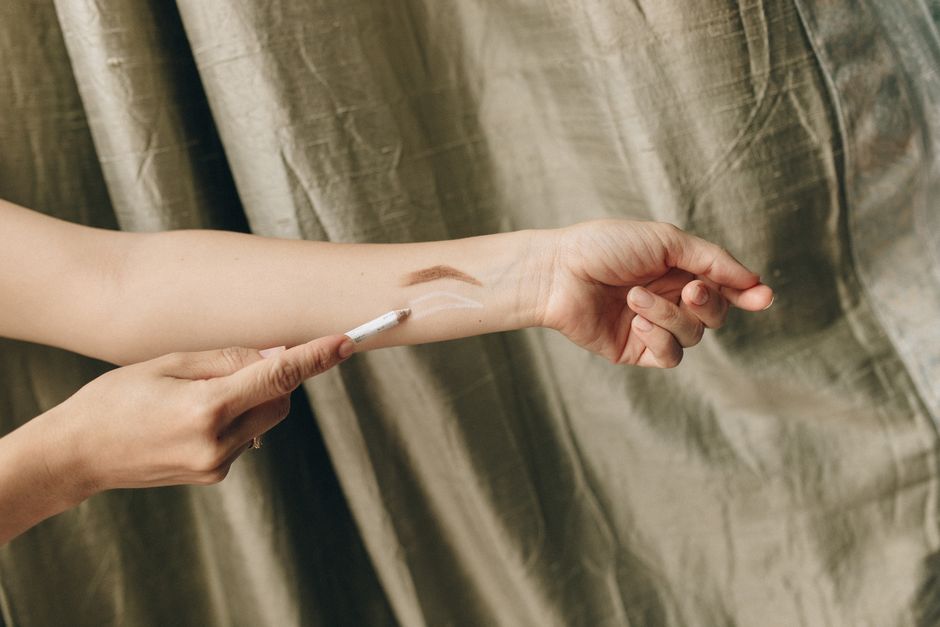
Quick Guide to Understanding Your Skin Undertone
- Cool Undertones: Your skin has hints of pink, red, or blue.
- Warm Undertones: Your skin has hints of yellow, peach, or gold.
- Neutral Undertones: Your skin has a mix of both, or no obvious dominant color.
- Vein Test: Look at the veins on your wrist in natural light. Blue/purple indicates cool, green indicates warm, and a mix or unclear color suggests neutral.
- Jewelry Test: Silver jewelry often looks best on cool undertones, gold on warm, and both on neutral.
- White Paper Test: Hold a piece of white paper next to your face. Does your skin appear more pink/blue (cool) or yellow/green (warm)?
- Sun Reaction: Do you tend to burn easily (cool) or tan golden-brown (warm)?
- Foundation Match: Look for foundations with descriptions like ‘rosy,’ ‘porcelain,’ ‘beige’ (cool), or ‘golden,’ ‘honey,’ ‘warm beige’ (warm).
Decoding Your Skin’s Undertone: The Foundation of Flawless Makeup
The first and most critical step in this practical beauty and skincare guide is accurately identifying your skin undertone. Unlike your surface skin tone, which can change with sun exposure, your undertone remains constant. Think of it as the color peeking through your skin. There are three main categories: cool, warm, and neutral.
The Vein Test: A Simple Starting Point
One of the easiest ways to get a quick read on your undertone is to examine the veins on the inside of your wrist under natural light. This method is widely used and provides a decent initial indicator.
- Blue or Purple Veins: If your veins appear predominantly blue or purple, you likely have a cool undertone. This means your skin has hints of pink, red, or blue.
- Green Veins: If your veins appear green, you most likely have a warm undertone. This suggests a golden, peachy, or yellow hue beneath the surface.
- Both Blue and Green / Indeterminate: If you see a mix of blue and green, or if it’s hard to tell, you probably have a neutral undertone. Your skin balances both warm and cool tones.
The Jewelry Test: What Sparkles Best on You?
Consider which metals complement your skin best. This isn’t about personal preference, but about what truly harmonizes with your complexion.
- Silver Jewelry: Does silver jewelry tend to make your skin look more radiant and alive? This often points to a cool undertone.
- Gold Jewelry: Does gold jewelry make your skin glow and look healthier? This is a strong indicator of a warm undertone.
- Both Look Good: If both silver and gold jewelry flatter your skin equally, you likely have a neutral undertone.
The White Paper Test: A Clean Slate
Hold a plain white piece of paper or a white towel next to your bare face in natural light. Observe how your skin appears against the stark white.
- Pink/Blue Tint: If your skin takes on a pinkish, rosy, or even bluish hue against the white, you have a cool undertone.
- Yellow/Green/Peachy Tint: If your skin appears more yellowish, golden, or peachy against the white, you have a warm undertone.
- Grey/No Strong Color: If your skin looks more grey or if there isn’t a dominant color shift, you probably have a neutral undertone.
Choosing Your Foundation and Concealer: The Canvas of Your Look
Once you’ve identified your undertone, selecting the right base products becomes much simpler. The goal is for your foundation and concealer to blend smoothly, making your skin look naturally even, not like you’re wearing a mask.
For Cool Undertones
Look for foundations and concealers with descriptions like ‘rose,’ ‘porcelain,’ ‘cool beige,’ ‘ivory,’ or ‘neutral with pink undertones.’ In European markets, brands often label these with a ‘C’ (Cool) or a specific numerical range. These shades will have a slightly pink, red, or blue base that neutralizes any redness and brightens your complexion without looking orange or muddy. Brands like MAC, Estée Lauder, and Fenty Beauty offer extensive shade ranges with clear undertone indicators, making it easier to find your perfect match whether you’re shopping in London, Berlin, or New York.
Beginner Retinol Routine for Adults: Navigating Products Without Marketing Confusion
For Warm Undertones
Seek out foundations and concealers labeled ‘golden,’ ‘honey,’ ‘warm beige,’ ‘sand,’ or ‘yellow-based.’ You might see an ‘W’ (Warm) designation. These shades will have a subtle yellow, peach, or golden hue that enhances your natural warmth, preventing your skin from looking ashy or grey. Many popular brands in the US and throughout Europe, from drugstore favorites like L’Oréal to high-end options like NARS, cater specifically to warm undertones with a wide array of shades. For example, a ‘golden’ shade in France will likely correspond to a ‘honey’ shade in the UK.
For Neutral Undertones
You have a broader choice! Look for foundations described as ‘neutral,’ ‘balanced,’ or without a strong warm or cool designation. Often, these shades might have a slight peachy-beige quality. Many brands now offer ‘N’ (Neutral) ranges, designed to sit perfectly between the cool and warm spectrums. This flexibility allows you to lean slightly cool or warm depending on your preference or the season. This is particularly helpful for busy adults who might want one foundation that works year-round.
Blush and Bronzer: Adding Life and Dimension
Blush and bronzer aren’t just for color; they bring life to your face. Choosing the right shades based on your undertone ensures a natural, healthy glow rather than an artificial flush.
Cool Undertones: The Rosy Glow
Opt for blushes in cool pinks, berries, mauves, and soft plum tones. These mimic a natural flush on cool-toned skin. For bronzer, choose shades that are more taupe or less orange, often described as ‘neutral bronze’ or ‘cool-toned bronzer.’ Avoid overly warm or orange bronzers, as they can look unnatural and muddy on your complexion.
Warm Undertones: The Sun-Kissed Radiance
Reach for blushes in peach, coral, apricot, and warm rose shades. These will complement your natural golden tones beautifully. For bronzer, embrace golden-browns, terracotta, and warm, shimmery shades that provide a true sun-kissed effect. Brands in sunny regions like Spain or California often excel at creating these warm, radiant bronzers.
Neutral Undertones: The Best of Both Worlds
You can experiment with a wider range of blush shades, from soft peaches to muted roses. For bronzer, you can lean towards either a neutral brown or a slightly warmer golden bronze, depending on the look you’re going for. The key is to avoid extremes – nothing too cool and purple, or too orange and artificial.
Lipstick and Eyeshadow: Harmonizing Your Features
The principles of undertone extend to your lips and eyes, ensuring your entire makeup look is cohesive and flattering.
Cool Undertones: Berry, Blue, and Silver
For lips, think blue-based reds (like ruby or cranberry), fuchsia, true pinks, and berry shades. These will brighten your face. For eyeshadows, cool browns, grey, silver, charcoal, deep blues, purples, and even emerald greens can be stunning. These shades will enhance your natural coolness without clashing.
Warm Undertones: Gold, Peach, and Earth Tones
On your lips, opt for orange-reds (like brick or terracotta), coral, peach, and warm nude shades. These will complement your golden glow. For eyeshadows, rich browns, gold, bronze, copper, olive green, and warm plums will look magnificent. These colors bring out the warmth in your skin and eyes, making them pop.
Neutral Undertones: Versatility is Your Friend
You have the most flexibility! For lips, you can wear a wide range from true reds to soft pinks and nudes, as long as they aren’t overly cool (too blue) or overly warm (too orange). For eyeshadows, most colors will work well. Focus on shades that enhance your eye color rather than strictly adhering to undertone rules. This makes selecting a versatile makeup routine much easier, perfect for busy adults and travelers alike.
Hydrating Skincare for Dry Winter: A Practical Guide for US & European Shoppers
Simplifying Your Skincare: The Foundation of Any Look
No amount of perfectly matched makeup can truly shine on unhealthy skin. A good skincare routine is the bedrock of any beautiful makeup application. For beauty beginners, busy adults, and travelers alike, a simplified yet effective routine is key to maintaining a healthy skin barrier.
What is the simplest beauty routine for healthy-looking skin?
The simplest beauty routine for healthy-looking skin involves three core steps, applied consistently: cleanse, moisturize, and protect. In the morning, gently cleanse your face, apply a hydrating moisturizer (ideally one containing ingredients like hyaluronic acid or ceramides to support the skin barrier), and follow with broad-spectrum SPF 30 or higher. In the evening, cleanse again to remove makeup and impurities, then apply your moisturizer. For those looking to address specific concerns, incorporating a targeted treatment like retinol (used at night) can be beneficial, but always introduce new products slowly, especially if you have sensitive skin.
For those in sunnier climes, like parts of Italy or Spain, daily sunscreen is non-negotiable, not just for preventing premature aging but for overall skin health. Even in the grey skies of the UK or Germany, UV radiation is present, making daily SPF a universal necessity. Remember, a healthy skin barrier protects against environmental damage, reduces sensitivity, and ensures your makeup looks its best.
FAQ: Common Skincare and Beauty Questions
Q: How often should I use retinol if I have sensitive skin?
A: If you have sensitive skin, start using retinol once or twice a week, applying a pea-sized amount to dry skin in the evening. Gradually increase frequency as your skin tolerates it, potentially to every other night. Always pair it with a good moisturizer and diligent daytime sunscreen use, as retinol can increase sun sensitivity.
Q: What are ceramides and why are they important for my skin barrier?
A: Ceramides are lipids (fats) that are naturally found in high concentrations in the outermost layer of your skin. They play a crucial role in forming a protective barrier that locks in moisture and shields against environmental aggressors. Including ceramides in your moisturizer helps repair and strengthen your skin barrier, reducing dryness and irritation, especially beneficial for sensitive skin.
Q: Can hyaluronic acid be used with all skin types?
A: Yes, hyaluronic acid is a humectant that draws moisture from the air into your skin, making it suitable for all skin types, including oily and sensitive skin. It provides hydration without feeling heavy or greasy, improving skin plumpness and reducing the appearance of fine lines. Apply it to damp skin for best results.
Q: What’s the best way to patch test new beauty products?
A: To patch test, apply a small amount of the new product to an inconspicuous area of your skin, such as behind your ear or on your inner forearm. Wait 24-48 hours. If you experience redness, itching, burning, or irritation, do not use the product on your face. This is particularly important for those with sensitive skin or when introducing strong actives like retinol.
Q: Is a morning skincare routine really necessary if I cleanse at night?
A: Yes, a morning skincare routine is essential. While your nighttime routine cleanses and treats, your morning routine focuses on protecting your skin from daily environmental stressors. Cleansing removes any overnight buildup, moisturizing preps your skin, and applying SPF is crucial to defend against UV damage, which can occur even on cloudy days or indoors near windows.
Key Takeaways for Your Beauty Journey
Mastering the art of choosing makeup for your skin undertone isn’t about rigid rules, but about understanding what truly flatters your unique complexion. This practical beauty and skincare guide empowers you to move beyond guesswork, leading to more confident and satisfying makeup purchases. Remember, identifying your undertone correctly is the cornerstone of a cohesive and harmonious makeup look.
Beyond makeup, building a solid, simplified skincare routine is paramount. Prioritizing essentials like a gentle cleanser, a good moisturizer (especially those with ceramides and hyaluronic acid), and diligent sunscreen (SPF) use will ensure your skin is healthy and ready to showcase your chosen makeup. For targeted concerns, carefully integrating ingredients like retinol can yield significant results, but always listen to your skin, particularly if you have sensitive skin.
Ultimately, a pragmatic approach to beauty, combining a smart understanding of your undertone with an effective, consistent skincare routine, will lead to a more radiant and natural-looking you. This knowledge saves time, reduces product waste, and ensures you always put your best face forward, whether you’re at home or exploring a new city like Paris or Rome.
Explore more beauty guides and practical advice on AtTheFashion to further refine your beauty and skincare routine.

Leave feedback about this